Yellow Bass at Clear Lake
There's nothing quite like the thrill of feeling that subtle tug on your line, especially when you know it's a feisty yellow bass waiting to be reeled in. For many Iowa anglers, Clear Lake isn't just another body of water; it's a legendary destination, particularly when it comes to chasing these striped panfish. If you've ever struggled to locate the schools, wondered about the best bait, or just wanted to understand why Clear Lake seems to hold so many of these delicious fish, you're in the right place. This guide will dive deep into everything you need to know about targeting yellow bass at this iconic Iowa lake, ensuring your next outing is a success.
The Allure of Yellow Bass at Clear Lake
Clear Lake, a beautiful natural lake in north-central Iowa, holds a special place in the hearts of many anglers, and a big part of that charm comes from its thriving yellow bass population. These aggressive, tasty panfish provide consistent action throughout the year, making them a favorite target for families, beginners, and seasoned pros alike. They're often overlooked in favor of their larger cousins like walleye or bass, but anyone who's spent a day reeling in yellow bass knows the pure joy and plentiful bounty they offer.
Characteristics of Yellow Bass: Identifying Your Catch
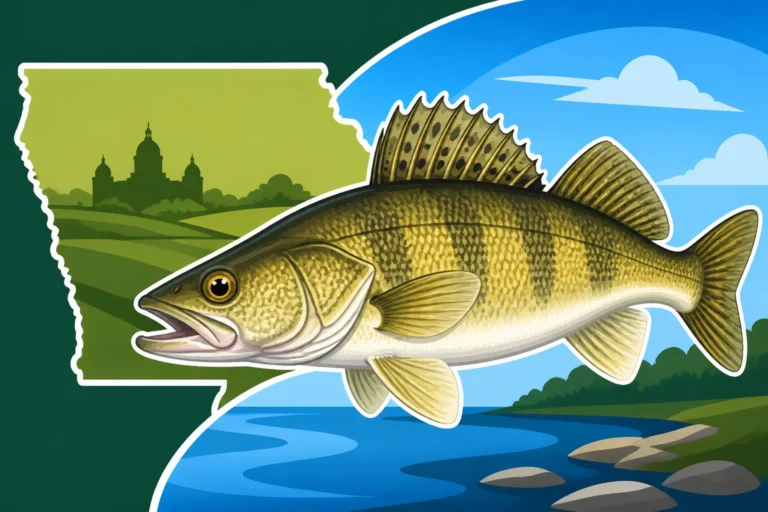
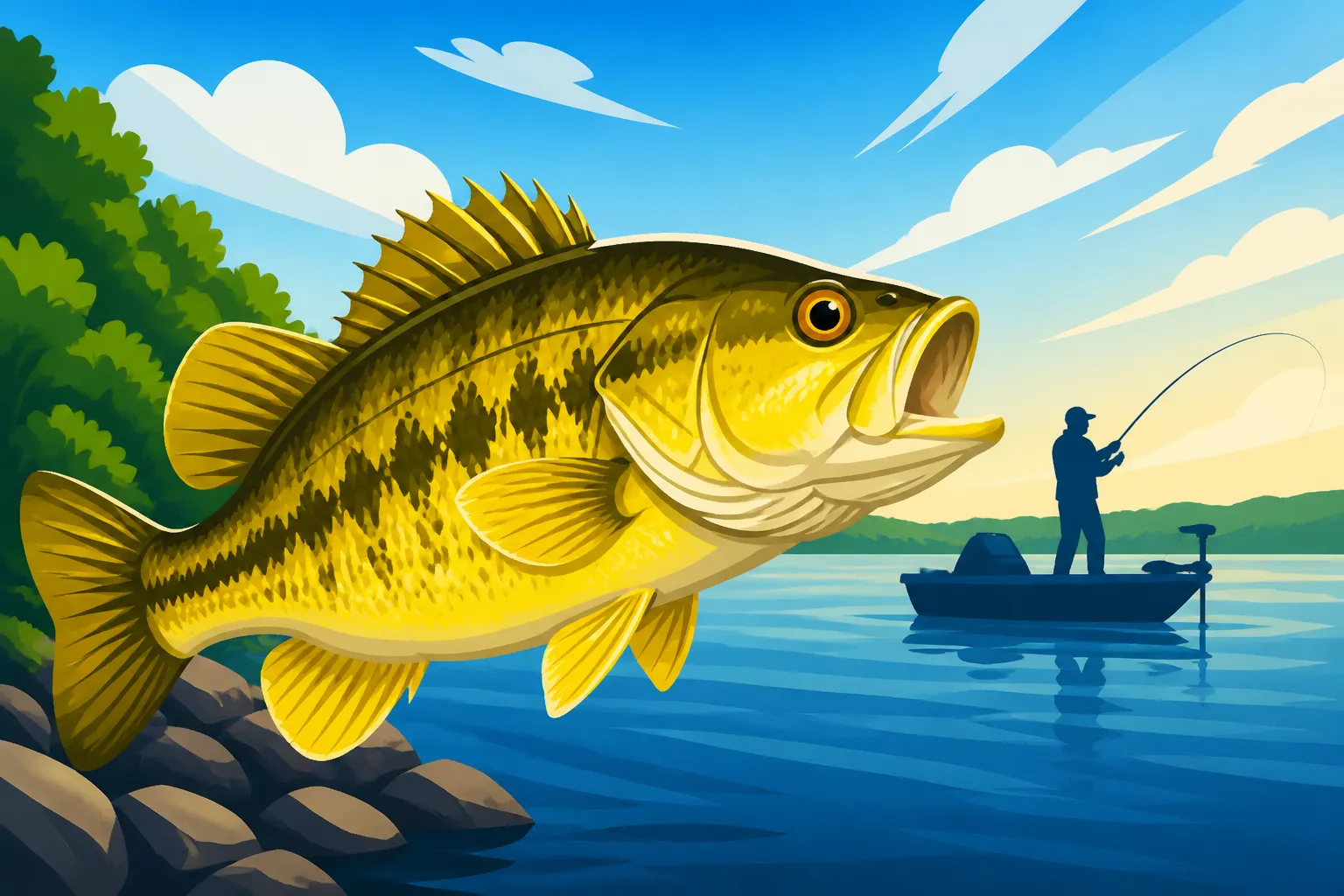
Before you start filling your cooler, it's good to know exactly what you're looking for! Yellow bass (scientific name: Morone mississippiensis) are often mistaken for white bass or even small striped bass, but they have distinct features. They typically have a more yellowish-gold tint, especially on their undersides, which gives them their name. Look for several prominent dark horizontal stripes along their sides, but here's the key differentiator: the lower stripes are often broken and offset, particularly below the lateral line, unlike the continuous stripes on white bass. Their bodies are generally more compressed and deep-bodied than a white bass of similar length. They don't usually grow very large, typically ranging from 6 to 10 inches, but what they lack in size, they make up for in fighting spirit and table fare. They're also incredibly prolific, which is why Clear Lake can support such a vibrant population.
Clear Lake: A Premier Panfish Destination
Clear Lake isn't just any lake; it's a 3,600-acre natural gem, shallow and fertile, making it an ideal habitat for a wide variety of fish, especially panfish. The lake's extensive weed beds, gradual sloping structure, and diverse forage base create a perfect environment for yellow bass to thrive and reproduce. It's not uncommon to find massive schools of yellow bass roaming the lake, making it a dream destination for anglers hoping to fill a bucket. Whether you're casting from a pier, drifting in a boat, or drilling holes for ice fishing, Clear Lake provides ample opportunities to hook into these striped delights. Its accessibility and consistent fishing success for yellow bass mean it's a popular choice for both local Iowans and out-of-state visitors looking for a fun day on the water. Fishing the Iowa Great Lakes (though Clear Lake isn't one, it shares many characteristics with other premier Iowa panfish lakes).
Seasonal Strategies for Yellow Bass Success
Understanding the seasonal movements and habits of yellow bass is crucial for consistent success on Clear Lake. Like most fish, their behavior changes dramatically with water temperature and spawning cycles. Being in the right place at the right time with the right presentation can make all the difference between a slow day and a bucket full of fish. We'll break down the year, so you know what to expect and how to adapt your approach.
Spring Spawning and Post-Spawn Feeding Frenzies
As the ice retreats and the water begins to warm in early spring (typically late April to May), yellow bass move into shallower waters for their spawning ritual. This is an exciting time to target them, as they become very active and aggressive. They often congregate around shallow, vegetated areas, shorelines, and structure where they can deposit their eggs. After the spawn, they enter a post-spawn feeding frenzy to recover energy, making them even more eager to bite. Look for them in bays, along shorelines with emergent vegetation, and near shallow rock piles. Small jigs, grubs, and live minnows fished under a bobber can be incredibly effective during this period. Many anglers find that these fish are practically jumping into the boat, offering some of the fastest action of the year.
Summer's Deep Water Hauls and Early Mornings
Once summer arrives and water temperatures rise, yellow bass often retreat from the shallows into deeper, cooler waters. They'll still be in large schools, but finding them can require a bit more effort. During the heat of the day, they typically hang out around deeper humps, points, and the main lake basin. Early mornings and late evenings can be prime times when they might move shallower to feed on baitfish. Using a fish finder becomes invaluable during this season to locate these deeper schools. Trolling small crankbaits or casting jigs tipped with a minnow or a piece of nightcrawler are effective ways to reach them. Remember, they're still aggressive, so once you find a school, the action can be non-stop. Keep an eye out for surface activity at dawn or dusk, as large schools of yellow bass sometimes push baitfish to the surface, creating a visible feeding frenzy.
Fall Transitions: Locating Schooling Bass
As autumn colors begin to appear and water temperatures cool down, yellow bass become incredibly active again. They sense the coming winter and engage in heavy feeding to bulk up. This is a fantastic time for fishing, as the fish often school up tightly in preparation for the colder months. You'll find them moving between deeper summer haunts and shallower fall feeding grounds. Look for them around structural elements like drop-offs, humps, and the edges of remaining weed beds. Vertical jigging with small spoons or jigging plastics can be highly productive, especially when you locate a dense school. Pay attention to changes in weather patterns, as stable conditions often mean more predictable schooling behavior. This transition period often sees some of the largest yellow bass of the year being caught, as they are actively feeding and more aggressive.
Winter Ice Fishing: Drillin' for Dinner
Clear Lake is renowned for its ice fishing, and yellow bass are a huge part of that tradition. Once the ice is safe, anglers flock to the lake, drilling holes and setting up shelters. Yellow bass remain schooled up throughout the winter, typically holding near the bottom in various depths, often correlating to structure or historical hot spots. This makes them an excellent target for ice anglers. Small ice jigs tipped with a wax worm, larva, or a small minnow are deadly. You'll want to use sensitive rods to detect their subtle bites. Once you find a school, the action can be fast and furious, with fish after fish coming through the hole. Ice Fishing in Iowa is a fantastic experience, and Clear Lake's yellow bass make it even better. Always prioritize ice safety, and check conditions before heading out!
Tackle and Techniques: Your Arsenal for Yellow Bass
You don't need a boatload of fancy gear to catch yellow bass, which is one of the many reasons they're such a popular species. However, having the right setup can significantly improve your experience and success rate, especially when trying to feel those light bites or locate elusive schools. Let's talk about what works best on Clear Lake.
Light Tackle and Line: The Key to Sensitivity
When targeting yellow bass, lighter is almost always better. Their mouths are relatively small, and their bites can be subtle, especially during colder periods. A light or ultralight spinning rod, typically 5 to 6 feet in length, paired with a small spinning reel, is ideal. This setup allows for sensitive feel, casting small lures, and an enjoyable fight. For line, opt for 4 to 6-pound test monofilament or fluorocarbon. Monofilament offers a bit more stretch, which can be forgiving with aggressive head shakes, while fluorocarbon is nearly invisible underwater and has less stretch for better feel. Braided line in a similar breaking strength with a fluorocarbon leader can also be excellent for maximum sensitivity, allowing you to detect even the slightest tap. You can find a fantastic selection of these light tackle options on Amazon, making it easy to get geared up without breaking the bank. Best Starter Rod for Beginners often includes setups perfect for yellow bass.
Effective Baits and Lures: From Live Worms to Tiny Jigs
Yellow bass are not particularly finicky eaters, which is great news for anglers! However, some baits and lures consistently outperform others on Clear Lake.
- Live Bait: This is often the gold standard. Small minnows, especially fatheads, are incredibly effective, either fished under a bobber or on a small jig head. Crappie rigs, which use two hooks to present minnows at different depths, can also be productive. Nightcrawlers, cut into smaller pieces or fished whole on a small hook, are another excellent option. Best Live Bait for Iowa Walleye also offers good insights, as some of those baits cross over well for panfish.
- Jigs and Soft Plastics: Tiny jigs, ranging from 1/32 to 1/8 ounce, are fantastic. Tipping them with small soft plastic bodies like grubs, tubes, or small paddle-tail swimbaits in white, chartreuse, or pink can be irresistible. A popular tactic is to use a jig and "sweeten" it with a piece of live bait, like a wax worm or a minnow head.
- Spoons: Small jigging spoons, especially during winter ice fishing, can be incredibly effective. The flash and vibration mimic injured baitfish, triggering aggressive strikes.
- Small Crankbaits: In open water, particularly during summer when yellow bass are chasing bait, tiny crankbaits that dive to their feeding depth can be excellent for trolling or casting.
Reading the Water: Finding Structure and Schools
Yellow bass are schooling fish, so finding one often means finding many. The key is to locate structure or areas where baitfish congregate. On Clear Lake, this can include:
- Weed Lines: The edges of submerged vegetation are prime ambush points.
- Drop-offs: Areas where the bottom quickly changes depth are always worth exploring.
- Humps and Points: Underwater hills or fingers extending from the shoreline concentrate fish.
- Rock Piles and Rubble: These areas provide cover and attract bait.
- Open Water: Sometimes, especially in summer, you'll find schools suspended in open water, often indicated by bird activity or baitfish on your fish finder.
A good fish finder is an invaluable tool for locating these schools, especially in deeper water or when ice fishing. It allows you to see schools of fish and even individual fish, helping you dial in your depth and presentation. Even without a fish finder, observing your surroundings – looking for diving birds, ripples from feeding fish, or listening to local anglers – can point you in the right direction. Do You Need a Fish Finder to Catch Walleye can give you an idea of how these electronics are universally helpful.
Navigating Clear Lake for Yellow Bass Hotspots
Clear Lake offers a variety of environments, each with its own potential for yellow bass. Knowing where to focus your efforts based on the season and conditions can significantly increase your chances of success. It's a large lake, so having a game plan for where to start can save you a lot of time.
Shallow Bays and Weed Lines: Early Season Havens
In the spring, as the lake warms up, yellow bass push into the shallower bays and along the weed lines. These areas provide warmer water, cover, and ample food sources after the long winter. Look for bays with significant amounts of submerged or emergent vegetation, such as the areas near McIntosh Woods State Park or around the numerous private docks that line the shore. Fan casting small jigs or bobber-fishing minnows in these areas can lead to rapid-fire action. As spring progresses, these spots also become ideal for post-spawn feeding. Remember that while these areas can be productive, they can also get busy, especially on weekends, so patience and courtesy are key. Clear Lake Panfish and Crappie Spots might overlap with prime yellow bass territory.
The Main Lake Basin: Deeper Water, Bigger Schools
As summer heat settles in, yellow bass tend to move to the main lake basin, seeking cooler, more stable temperatures. They'll often school up in deeper water, sometimes suspended, sometimes hugging the bottom around structure like humps or subtle drop-offs. The areas in the middle of the lake, away from the immediate shoreline, become key. This is where a boat with a good fish finder really shines, allowing you to cruise and pinpoint those dense schools. Once you mark them, vertical jigging, drop-shotting, or slow-trolling small baits can be highly effective. Don't be afraid to experiment with depth; sometimes they're just a few feet off the bottom, other times they might be suspended midway down. The key is to find the depth at which they are most active.
Public Access Points and Fishing Piers
Not everyone has a boat, and that's perfectly fine! Clear Lake offers several excellent public access points and fishing piers that can be incredibly productive for yellow bass, especially during spring and fall. The public pier at the Clear Lake State Park is a popular spot, as are areas accessible from local parks and municipal access points. These spots often have access to deeper water relatively close to shore or are strategically located near weed beds and drop-offs. Shore anglers can have just as much success as boaters, especially during those seasonal migrations when yellow bass are closer to the bank. A simple slip bobber rig with a minnow or a worm, cast out and allowed to drift, can be very effective from a pier or shoreline. Check out the Iowa Fishing Atlas Access Points for maps and directions to these valuable spots around the lake.
Understanding Regulations and Responsible Angling
While yellow bass are plentiful, it's essential to always fish responsibly and understand the regulations set by the Iowa Department of Natural Resources (DNR). These rules are in place to ensure healthy fish populations for everyone to enjoy for years to come. Ignoring them can lead to fines and harm the fishery. Plus, knowing the rules helps you feel confident and avoid any worries while you're out there enjoying the peacefulness of the water.
Iowa Daily Bag and Possession Limits for Panfish
One of the great things about yellow bass is their generous bag limits, which is why they're such a popular choice for anglers looking to bring home a meal. In Iowa, yellow bass are typically included under the general panfish regulations. For most public waters, including Clear Lake, there are usually no daily bag or possession limits on yellow bass, crappie, or bluegill. This means you can keep as many as you legally catch, within reasonable limits for personal consumption, of course. However, it's absolutely crucial to always double-check the current Iowa Fishing Regulations Explained before heading out, as specific water bodies can sometimes have special regulations that differ from statewide rules. The Iowa DNR publishes an annual fishing regulations booklet, and you can usually find the most up-to-date information on their website or by downloading the GoOutdoors Iowa app.
| Species (Common Panfish) | Daily Bag Limit (Most Iowa Waters) | Possession Limit (Most Iowa Waters) |
|---|---|---|
| Yellow Bass | No Limit | No Limit |
| Crappie | No Limit | No Limit |
| Bluegill / Sunfish | No Limit | No Limit |
Note: Always verify current regulations with the Iowa DNR as rules can change.
Conservation Practices for Healthy Yellow Bass Populations
Even with no official limits, practicing responsible angling is vital for maintaining robust yellow bass populations in Clear Lake. While yellow bass are abundant, treating them with respect helps ensure the lake remains a fantastic fishery. Here are a few tips:
- Take What You Need: Just because there's no limit doesn't mean you have to keep every fish you catch. Only keep what you and your family will realistically eat.
- Handle Fish Gently: If you plan to release a fish, handle it minimally and return it to the water quickly. Wet your hands before touching fish to protect their slime coat, which is their natural defense against disease.
- Proper Disposal: Never leave trash, fishing line, or bait containers on the shore or in the water. Pack out everything you pack in.
- Know Your Fish: Be absolutely certain you've identified your catch correctly. While yellow bass have generous limits, other species like walleye or bass have strict size and bag limits. Misidentification can lead to legal issues.
- Support the DNR: The work done by the Iowa DNR, funded in part by fishing license sales, is crucial for managing these fisheries. Make sure your Iowa Fishing License Guide is up-to-date.
By following these practices, we can all contribute to the long-term health and enjoyment of Clear Lake's yellow bass fishery.
From Lake to Plate: Preparing Your Yellow Bass Catch
Catching yellow bass is only half the fun – the other half is enjoying a delicious meal! Yellow bass are known for their firm, white, flaky flesh and mild flavor, making them an excellent eating fish. They're not bony, and a little effort in cleaning goes a long way. If you're new to cleaning fish, don't worry; it's a skill easily learned, and the reward is definitely worth it.
Cleaning Yellow Bass: Quick and Easy Fillets
Filleting yellow bass is straightforward, especially with a sharp fillet knife. Because they don't grow to an enormous size, many anglers opt to clean them by simply scaling and gutting them to cook whole, or they'll quickly fillet them. For filleting:
- Start Behind the Head: Lay the fish on its side. Make a diagonal cut behind the pectoral fin, down to the backbone, but don't cut through it.
- Along the Backbone: Turn your knife flat and carefully cut along the backbone towards the tail, keeping the blade as close to the bones as possible to maximize meat.
- Separate the Fillet: Once you reach the tail, you can either cut the fillet completely off or leave a small piece attached to flip it over.
- Remove Skin: If you left the fillet attached, flip it skin-side down. Angle your knife slightly downward near the tail end, grasp the tail skin firmly, and saw the knife between the skin and the meat, pushing the blade away from you. This motion should separate the fillet from the skin.
- Repeat: Flip the fish over and repeat the process for the other side.
- Check for Rib Bones: Run your finger along the fillet to check for any small pin bones or rib bones. These can usually be trimmed out with a V-cut or pulled with pliers.
It might take a few tries to get a perfect fillet, but practice makes perfect! Investing in a good fillet knife, which you can easily find on Amazon, will make a world of difference. For a detailed look, check out Best Fillet Knife for Cleaning Fish.
Cooking Your Catch: Simple, Delicious Recipes
Yellow bass are incredibly versatile in the kitchen. Their mild flavor takes well to a variety of seasonings and cooking methods. Here are a couple of popular, simple ways to prepare your Clear Lake yellow bass:
- Pan-Fried Perfection: This is a classic for a reason. Pat your fillets dry, then dredge them in seasoned flour (salt, pepper, garlic powder, paprika are good starting points), cornmeal, or a fish fry mix. Heat about 1/4 inch of oil (vegetable, canola, or peanut oil) in a skillet over medium-high heat. Once hot, carefully place the fillets in the pan and cook for 3-5 minutes per side, or until golden brown and flaky. Serve with lemon wedges and tartar sauce. This method really highlights their delicate flavor.
- Baked with Herbs: For a lighter option, arrange fillets in a baking dish. Drizzle with olive oil or melted butter, then season with salt, pepper, dill, parsley, and a squeeze of lemon juice. You can also add some sliced onions or bell peppers. Bake at 375°F (190°C) for 10-15 minutes, or until the fish flakes easily with a fork. This is a healthy and flavorful way to enjoy your catch.
- Fish Tacos: Once cooked and flaked, yellow bass meat is fantastic in tacos! Serve with warm tortillas, shredded cabbage, a creamy sauce, and your favorite salsa for a fresh, vibrant meal.
Don't forget to keep your catch fresh on the water with a good cooler. Best Cooler for Keeping Fish Fresh will give you some excellent options to ensure your yellow bass taste as good as possible when they hit your plate. Enjoy the fruits of your angling labor!
Disclaimer
This article is for general informational purposes only and does not constitute professional advice. Laws, prices and regulations vary by location and change over time. Consult a qualified professional for guidance on your specific situation.