Best Starter Rod for Beginners
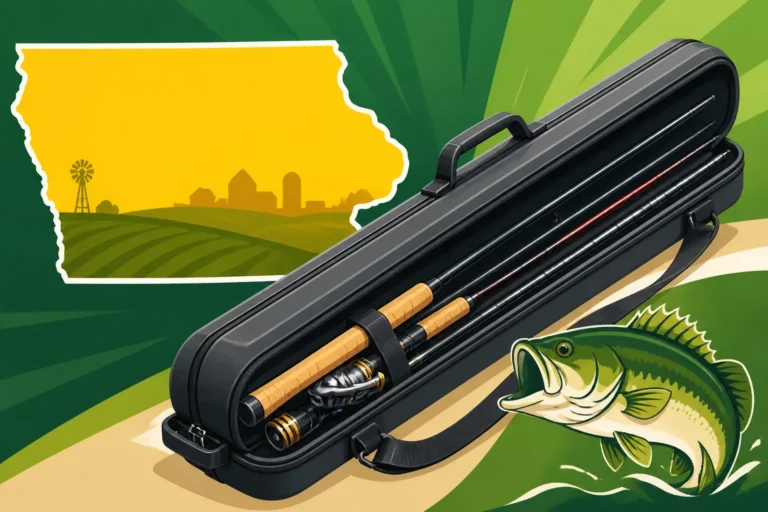
Stepping into the world of fishing for the first time can feel like you've been dropped into the deep end without a paddle. You walk into a sporting goods store, or even just browse online, and you're immediately bombarded with an overwhelming array of fishing rods, reels, lines, and lures. It's enough to make anyone's head spin, leaving you wondering, "Where do I even begin?" This guide is here to help cut through that confusion, focusing on finding that perfect starter fishing rod that will give you the confidence to cast your first line into Iowa's beautiful waters without breaking the bank or your spirit.
Understanding the Basics of a Fishing Rod for Beginners
Before we dive into specific recommendations, it’s helpful to understand the fundamental components and characteristics of a fishing rod. Think of it like learning to drive; you need to know what the steering wheel, accelerator, and brake do before you hit the road. A fishing rod, at its core, is a simple tool, but a little knowledge goes a long way in making an informed choice and enhancing your angling experience.
Parts of a Fishing Rod
Every fishing rod, whether it's a simple cane pole or a high-tech graphite marvel, shares common elements. Knowing these parts helps you understand how a rod functions and what makes one different from another.
The main body of the rod is called the rod blank. This is the long, flexible shaft that gives the rod its action and power. Blanks are typically made from fiberglass, graphite, or a composite blend of both. Fiberglass rods are often more durable and forgiving, which can be great for beginners, while graphite rods are lighter and more sensitive, allowing you to feel subtle bites. Running along the blank are a series of small rings called guides. These guides, which usually have ceramic inserts, are what your fishing line passes through. Their purpose is to distribute the stress evenly across the rod when a fish is on the line, preventing the line from rubbing against the blank and causing friction. A good set of guides is crucial for smooth casting and fighting fish.
At the bottom of the rod is the handle, which is where you hold the rod. Handles are commonly made from cork or EVA foam, both providing a comfortable grip. Just above the handle is the reel seat, a mechanism that securely holds your fishing reel in place. You'll tighten down the reel seat to keep your reel from wiggling or falling off during a cast or retrieve. Finally, the very end of the rod is called the tip. This is the most sensitive part of the rod, crucial for detecting those light bites. A responsive tip allows you to see and feel even the slightest tap, which is especially important when targeting smaller species like panfish or when fish are being finicky.
Rod Action and Power Explained
These two terms, "action" and "power," are often confused, but they describe different aspects of a rod's performance. Understanding them will help you choose a rod that matches the type of fishing you want to do.
Rod power refers to how much backbone or lifting strength a rod has. It's often described as Ultra-Light, Light, Medium, Medium-Heavy, or Heavy. A rod with light power will bend significantly with minimal pressure and is designed for smaller fish and lighter lines, making it perfect for panfish in a quiet Iowa pond. On the other hand, a heavy power rod requires a lot of force to bend and is built for larger, more powerful fish and heavier lines, like when you're targeting big channel catfish in the Des Moines River. For a beginner, a Medium or Medium-Light power rod is often a sweet spot, offering enough versatility to handle a variety of common Iowa species without being too unwieldy.
Rod action describes where along the blank the rod bends when pressure is applied. A "Fast" action rod bends mostly in the tip section, offering excellent sensitivity and quick hook sets. This is great for feeling subtle bites and reacting quickly, which can be beneficial for bass fishing or jigging for walleye. A "Moderate" or "Medium" action rod bends more in the middle section of the blank, providing a more parabolic bend that helps with casting distance and keeping a fish hooked by absorbing sudden runs. "Slow" action rods bend almost through their entire length, often found in fly rods or very light panfish rods, offering a softer feel but less hook-setting power. For a beginner, a Moderate-Fast or Fast action rod usually offers a good balance of casting performance, sensitivity, and hook-setting ability for general fishing in Iowa. You'll find many suitable options at your local Bass Pro Shops or even when browsing online at Amazon.
Rod Length: Why It Matters
The length of your fishing rod plays a significant role in its performance, impacting everything from how far you can cast to how easy it is to manage.
Longer rods, typically in the 7 to 8-foot range, excel at making long casts. This can be a huge advantage when you need to reach distant structures or cover a lot of water from shore or from a boat on a large lake like Saylorville Reservoir. They also provide more leverage when fighting a fish, giving you greater control over powerful species. However, longer rods can be cumbersome in tight quarters, such as fishing from a brushy bank or when casting under low-hanging tree branches. They can also be a bit more challenging for a beginner to handle accurately.
Shorter rods, usually 5 to 6 feet in length, are much easier to maneuver. They're excellent for pinpoint casting in tight spots and are often preferred for kayak fishing or when fishing small streams. While they might not cast as far, their precision and ease of handling make them very beginner-friendly. For general shore fishing or small boat use in Iowa, a rod in the 6-foot to 7-foot range is often a fantastic starting point. It offers a good balance of castability and maneuverability, allowing you to learn the ropes without feeling overwhelmed by an overly long or short rod.
Spinning vs. Baitcasting: Which is Best for a Beginner?
This is one of the classic debates in fishing, and for good reason. The choice between a spinning reel and a baitcasting reel will profoundly impact your early fishing experiences. For beginners, one type generally stands out as the clear winner.
The Beginner-Friendly Spinning Setup
When you're just starting out, a spinning setup is almost universally recommended, and for good reason. Spinning reels are designed for ease of use, making the learning curve much gentler than with their baitcasting counterparts.
The primary advantage of a spinning reel is its simplicity. The line comes off the spool freely, with minimal friction, which means fewer tangles and frustrating backlashes – those dreaded "bird's nests" that can ruin a fishing trip. You simply open the bail, hold the line with your finger, cast, and then close the bail to start retrieving. This intuitive operation allows you to focus on the basics of casting, retrieving, and feeling for bites, rather than battling with your equipment. Spinning reels also excel at casting lighter lures and baits, which are often what beginners start with, especially when targeting panfish or smaller bass. Their open-face design minimizes line memory and allows for smooth, consistent casts, even with very light tackle. For versatility, a spinning rod is hard to beat for a beginner in Iowa. It can handle everything from tiny jigs for bluegill to spinnerbaits for largemouth bass, and even some lighter catfish presentations.
Of course, no system is perfect. While incredibly versatile, spinning setups generally don't offer the same raw power and casting accuracy with heavier lures as baitcasters do. If you plan on throwing really heavy baits or muskie plugs, a spinning rod might feel underpowered. However, for getting started and exploring the diverse fishing opportunities across Iowa, from the small farm ponds to larger lakes, a medium-light or medium power spinning rod is truly your best friend. Many beginner-friendly combo kits, including rod and reel, are readily available at stores like Bass Pro Shops.
When to Consider a Baitcasting Setup
While spinning gear is ideal for starting out, it's worth understanding what baitcasting reels bring to the table. Most experienced anglers will eventually try a baitcaster, but it's typically a progression, not a starting point.
Baitcasting setups are known for their precision and power. They offer superior casting accuracy, allowing anglers to place lures into very specific spots, like tight up against a log or under an overhanging branch – crucial for targeting wary bass. They also excel with heavier lines and lures, making them the go-to choice for techniques that require a lot of muscle, such as flipping and pitching into dense cover or throwing large swimbaits for trophy fish. The direct connection between the spool and the line also provides incredible sensitivity, allowing you to feel every bump and tick on the retrieve.
The downside, especially for beginners, is the steep learning curve. Baitcasting reels require careful thumb control during the cast to prevent the spool from overrunning the line, which inevitably leads to a massive backlash. It takes a lot of practice and patience to master, and for someone new to fishing, that frustration can be a real turn-off. While the temptation might be there to jump straight to a baitcaster, especially if you see experienced anglers using them, I strongly recommend starting with a spinning setup. Once you've got the basics down and are consistently catching fish, then you can consider adding a baitcaster to your arsenal for specialized techniques.
Understanding Combo Kits
One of the smartest moves a beginner angler can make is to purchase a combo kit. These are pre-matched rod and reel sets that take all the guesswork out of pairing components.
Combo kits are fantastic because the manufacturer has already done the work of ensuring the rod's power and action are well-suited to the reel's size and line capacity. This means you don't have to worry about buying a reel that's too heavy for a light rod, or vice-versa. They are also incredibly cost-effective. Buying a rod and reel separately often costs more than purchasing them as a matched combo. For someone just dipping their toes into fishing, this can represent a significant saving while still providing a perfectly functional and enjoyable setup.
Many reputable brands offer excellent beginner combo kits, often spooled with line right out of the box, so you can literally tie on a lure and go fishing. You can find a huge selection of these at any Bass Pro Shops location, or browse endless options online through retailers like Amazon. They come in various power and action ratings, but for Iowa fishing, look for a "Medium-Light" or "Medium" power spinning combo that's around 6 to 7 feet long. This versatility will allow you to catch most common species like crappie, bluegill, bass, and even smaller catfish, giving you a broad introduction to the joy of fishing.
What to Look for in a Beginner Rod for Iowa Fishing
Now that we've covered the fundamentals, let's zero in on the specific features that make a rod ideal for a beginner planning to fish in Iowa. The goal is to find something forgiving, versatile, and within a reasonable budget, so you can enjoy the experience without feeling constrained by your gear.
Versatility for Common Iowa Species
Iowa is blessed with a diverse range of freshwater fishing opportunities, from panfish in urban ponds to trophy walleye in the Great Lakes region and big catfish in its mighty rivers. As a beginner, you don't want to buy a specialized rod for every single species. Instead, look for a rod that can handle a variety of situations.
A good "all-around" beginner rod should be capable of catching several of Iowa's most popular species without feeling completely outmatched. For instance, a medium-light to medium power, fast or moderate-fast action spinning rod around 6 to 7 feet long is a fantastic choice. This type of rod is sensitive enough to feel the delicate bites of crappie and bluegill when using small jigs or live bait. It also has enough backbone to handle the spirited fight of a decent largemouth bass from a farm pond or a smaller channel catfish from a local stream. Iowa Fish Species Guide will show you just how many different fish you might encounter!
Think about what you're most likely to target first. If it's simply catching sunfish with the kids at a local park, a lighter power rod is perfect. If you're aiming for more aggressive bass fishing, a slightly heavier setup might be better. The beauty of a versatile rod is that it allows you to experiment with different techniques and species as you gain experience, without needing to immediately invest in multiple specialized rods. This way, you can explore many aspects of Iowa Fishing Techniques Guide with just one solid setup.
Durability and Budget Considerations
Let's be real: as a beginner, you're going to make mistakes. Your rod might get snagged, dropped, or bumped around a bit. That's why durability is key, especially when you're just learning.
Rods are typically made from fiberglass, graphite, or a composite of both. Fiberglass rods are known for their exceptional durability and flexibility. They're often a bit heavier and less sensitive than graphite, but they are incredibly tough and forgiving, making them an excellent choice for a beginner's first rod. They can take a beating and keep on casting, which is a huge plus when you're still getting the hang of things. Graphite rods are lighter and more sensitive, allowing you to feel even the slightest nibble. However, they can be more brittle than fiberglass and are more susceptible to breaking if mishandled. A good compromise for a beginner can be a composite rod, which blends fiberglass and graphite to offer a balance of durability, sensitivity, and weight.
When it comes to budget, remember that you don't need to spend a fortune on your first rod. There are many excellent, affordable options that will serve you well. For a beginner, a combo kit in the range of what you might spend on a nice dinner is often more than sufficient. Focus on finding a rod that feels comfortable and sturdy, rather than chasing the most expensive, high-tech option. Many brands offer fantastic entry-level combos that perform admirably without breaking the bank, and you can easily find these at stores like Bass Pro Shops or by checking online deals on Amazon.
Comfort and Feel
Often overlooked by beginners, the comfort and feel of a fishing rod are incredibly important. You'll be holding this rod for hours, casting it repeatedly, and battling fish with it – so it needs to feel good in your hands.
The handle material is a big part of comfort. Cork handles are classic, offering a natural feel and good grip, even when wet. EVA foam handles are also very popular, often lighter, more durable, and resistant to environmental elements. Try to hold a few different rods to see which handle style and material you prefer. Some handles are longer, providing more leverage, while others are shorter for compact casting. For a beginner, a handle that fits comfortably in your hand and doesn't feel too bulky or too thin is ideal.
The overall weight of the rod and reel (when assembled as a combo) also contributes significantly to comfort. A lighter setup will be less fatiguing to cast and hold for extended periods, allowing you to focus on fishing rather than arm strain. While graphite rods are generally lighter, modern fiberglass and composite options have also become quite lightweight. Balance is also key; when the reel is attached, the rod should feel balanced in your hand, not tip-heavy or butt-heavy. A well-balanced setup makes casting smoother and less tiring. Don't be afraid to visit a store like Bass Pro Shops and physically hold a few different combos. Wiggle them, pretend to cast, and see how they feel. This tactile experience is invaluable in finding a rod that truly feels right for you.
| Feature | Spinning Rod (Beginner) | Baitcasting Rod (Advanced) |
|---|---|---|
| Ease of Use | Very easy, few backlashes, intuitive casting | Requires practice & thumb control, prone to backlashes |
| Lure Weight | Excels with light to medium lures/baits | Best for medium to heavy lures/baits |
| Accuracy | Good for general casting, but less pinpoint precision | Superior accuracy for targeting specific spots |
| Power | Good for light to medium fish (panfish, bass) | Excellent for heavy fish, strong hooksets, heavy cover |
| Versatility | High – great for many species and techniques | More specialized, often for specific bass/catfish techniques |
| Cost | Excellent value, many affordable combos | Higher entry cost for quality, more expensive repairs |
Recommended Starter Rod Setups and Examples for Iowa
Alright, let's put all that knowledge into action. For someone looking to get started fishing in Iowa, a few general setups rise to the top as excellent choices. These recommendations prioritize versatility, ease of use, and affordability – exactly what a beginner needs.
The All-Around Panfish/Light Bass Setup
If you're looking for one rod to do it all, from catching bluegill with the kids at a local pond to chasing a feisty largemouth bass, this is your sweet spot.
A 6-foot to 6-foot-6-inch, medium-light power, fast or moderate-fast action spinning rod is arguably the best all-around choice for an Iowa beginner. The medium-light power means it's sensitive enough to detect bites from smaller panfish, yet still has enough backbone to handle a 1-3 pound bass or even a smaller channel catfish without feeling completely overwhelmed. The fast or moderate-fast action gives you good casting control and solid hook-setting ability for a variety of lures. This length is easy to manage from shore, a small boat, or even a kayak, making it incredibly versatile.
For line, a 6-pound test monofilament or braided line with a fluorocarbon leader would be ideal. Monofilament is very forgiving for beginners due to its stretch and easy knot tying. Many combo kits come pre-spooled with monofilament. This type of setup is perfect for throwing small jigs, bobber fishing with worms or minnows, or casting smaller spinnerbaits and crankbaits. It's essentially your Swiss Army knife for freshwater fishing in Iowa. You'll find many popular brands offering excellent options in this category, readily available on Bass Pro Shops or Amazon, often as a complete Best Budget Spinning Combo for Panfish package.
A Step Up for Heavier Bass or Smaller Catfish
Once you've gotten the hang of the basics with your all-around setup, you might find yourself wanting a bit more power for larger fish or more demanding situations. This "step-up" rod isn't necessarily a second rod right away, but it's what you might eventually look for if your fishing interests lean towards bigger game.
A 6-foot-6-inch to 7-foot, medium power, fast action spinning rod is an excellent choice for targeting larger largemouth and smallmouth bass, or for handling channel catfish more confidently. The medium power gives you more leverage to pull fish out of cover and handle stronger runs, while the fast action provides excellent sensitivity for feeling those thumping catfish bites or the subtle strike of a bass. This setup can handle heavier lines, typically 8 to 12-pound test monofilament or braided line, which gives you more confidence when fishing around submerged timber or rocky areas.
This rod is fantastic for pitching jigs, casting heavier crankbaits, or fishing larger live baits for catfish. It offers a good balance between power and finesse, making it a great progression from the lighter, more sensitive panfish setup. If you're specifically thinking about chasing those powerful whiskered critters, you might even consider a dedicated Best Rod for Catfish Fishing down the line, but this medium power spinning rod is a solid interim option.
Where to Find Your First Rod
Finding your first fishing rod is an exciting adventure! You've got several great avenues to explore, each with its own benefits.
Local Sporting Goods Stores: Places like your community tackle shop or larger regional stores offer a huge advantage: you can physically hold the rods, feel their weight, test the action, and even chat with knowledgeable staff. They can offer invaluable local advice on what works best in Iowa's specific waters. Seeing and feeling the rod in person is often the best way to ensure it's comfortable and suits you.
Big Box Retailers: Stores like Walmart or Target often carry a selection of entry-level fishing combos, especially during spring and summer. These are typically very affordable and can be a good starting point if you're on a very tight budget or just want to try fishing without a big commitment. While the selection might be smaller, they often have reliable basic options.
Online Retailers: Websites like Amazon, Bass Pro Shops, and Cabela's offer an unparalleled selection of rods and reels. You can browse countless options, read reviews from other anglers, and often find competitive prices. This is a great way to research different models and compare features. Just be mindful that you can't physically test the rod before buying it, so rely heavily on descriptions and reviews. Many times, you can even get a Iowa Resident Annual Fishing License or Iowa Nonresident Annual Fishing License at these online retailers too, making it a one-stop shop!
Remember, your first rod is just that – your first. It's about getting out there, making your first casts, and experiencing the joy of fishing. Don't stress too much over finding the "perfect" rod, because the perfect rod is the one that gets you out on the water and catching fish!
Disclaimer
This article is for general informational purposes only and does not constitute professional advice. Laws, prices and regulations vary by location and change over time. Consult a qualified professional for guidance on your specific situation.