Where to Catch Catfish on the Des Moines River Downtown
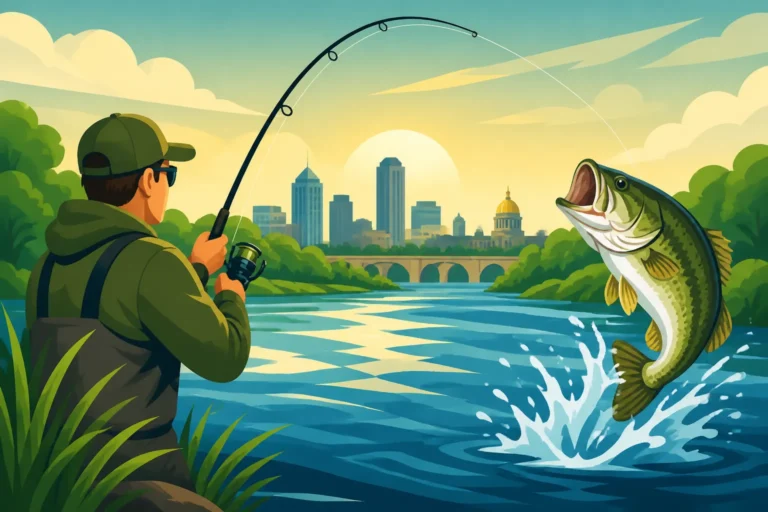
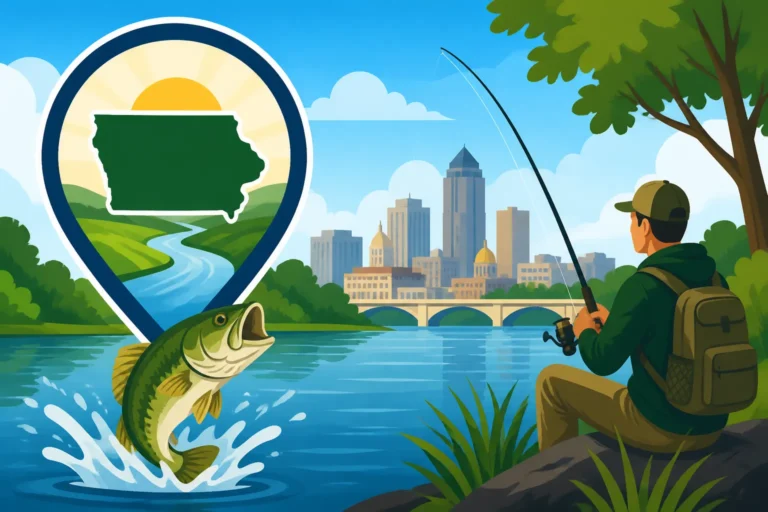
Finding excellent fishing spots right in the heart of a bustling city can feel like searching for a needle in a haystack. Many anglers assume they need to drive hours to remote lakes or rivers to find decent fishing, especially for something as exciting as catfish. But I'm here to tell you that the Des Moines River, running right through downtown Des Moines, offers some fantastic, often overlooked, opportunities for hooking into some whiskered giants. This guide is all about pinpointing those prime downtown locations and giving you the know-how to make the most of your urban catfishing adventure.
Unlocking the Downtown Des Moines River for Catfish
The Des Moines River isn't just a scenic backdrop for the city; it's a vibrant ecosystem teeming with fish, particularly robust populations of channel and flathead catfish. Understanding the river's characteristics and how catfish relate to them is the first step to a successful outing right in Iowa's capital.
Understanding the River's Flow and Features
The Des Moines River in the downtown stretch is a dynamic environment. It's wider and generally slower than many upstream sections, but it still has distinct currents, particularly after rainfall or when water is released from upstream dams like Saylorville Reservoir. Catfish, especially flatheads, love current breaks and structural elements that offer ambush points and respite from the main flow. Look for deeper pockets, eddies, and areas where the current slows down, often behind bridge pilings, submerged rocks, or points of land.
Channel catfish are a bit more forgiving and can be found in a wider variety of habitats, but they too will gravitate towards areas with food concentration and some current protection. The riverbed here is a mix of rock, gravel, and silt, often shifting with significant water events. Pay close attention to changes in depth and current speed, as these are critical indicators of where catfish might be holding. Even subtle changes can create prime feeding lanes. You might be surprised at the sheer number of fish holding in these urban waters, providing excellent action.
Prime Access Points and Parking Considerations
One of the biggest hurdles for urban fishing is often access and parking. Fortunately, downtown Des Moines offers several areas where you can comfortably fish the river without trespassing or navigating overly complicated terrain. The riverwalk system is a fantastic asset, providing miles of public access along both banks.
- Principal Park Area: On the west side of the river, near Principal Park, you'll find accessible stretches of riverbank. There's often street parking or nearby parking garages. This area can be productive, especially where the river bends or where any visible structure (like old pilings or riprap) creates current breaks.
- East Bank Riverwalk: The east bank also has extensive riverwalk access, often with plenty of open bank to cast from. Look for areas near the Court Avenue Bridge or further south. Parking might be found on side streets or in city lots, though it's always wise to check local signage.
- The Confluence with the Raccoon River: A bit south of the main downtown hub, where the Raccoon River meets the Des Moines River, is a notoriously productive area. While not strictly "downtown," it's very close and offers some of the best catfishing opportunities in the entire metro. Public access points exist on both sides of the confluence, though some require a short walk. Parking can be found in adjacent parks or residential areas. This mixing of two different river systems creates a unique environment with varied currents and food sources that catfish absolutely thrive in. Before heading out, always check the Iowa Fishing Regulations Explained to ensure you're fishing within legal guidelines, as specific rules might apply to certain urban areas.
Top Spots for Channel and Flathead Catfish Downtown
While the entire downtown stretch holds potential, certain areas consistently produce better results due to natural features and man-made structures that attract and hold catfish. Understanding these hotspots is key to a successful urban fishing trip.
The Confluence of the Des Moines and Raccoon Rivers
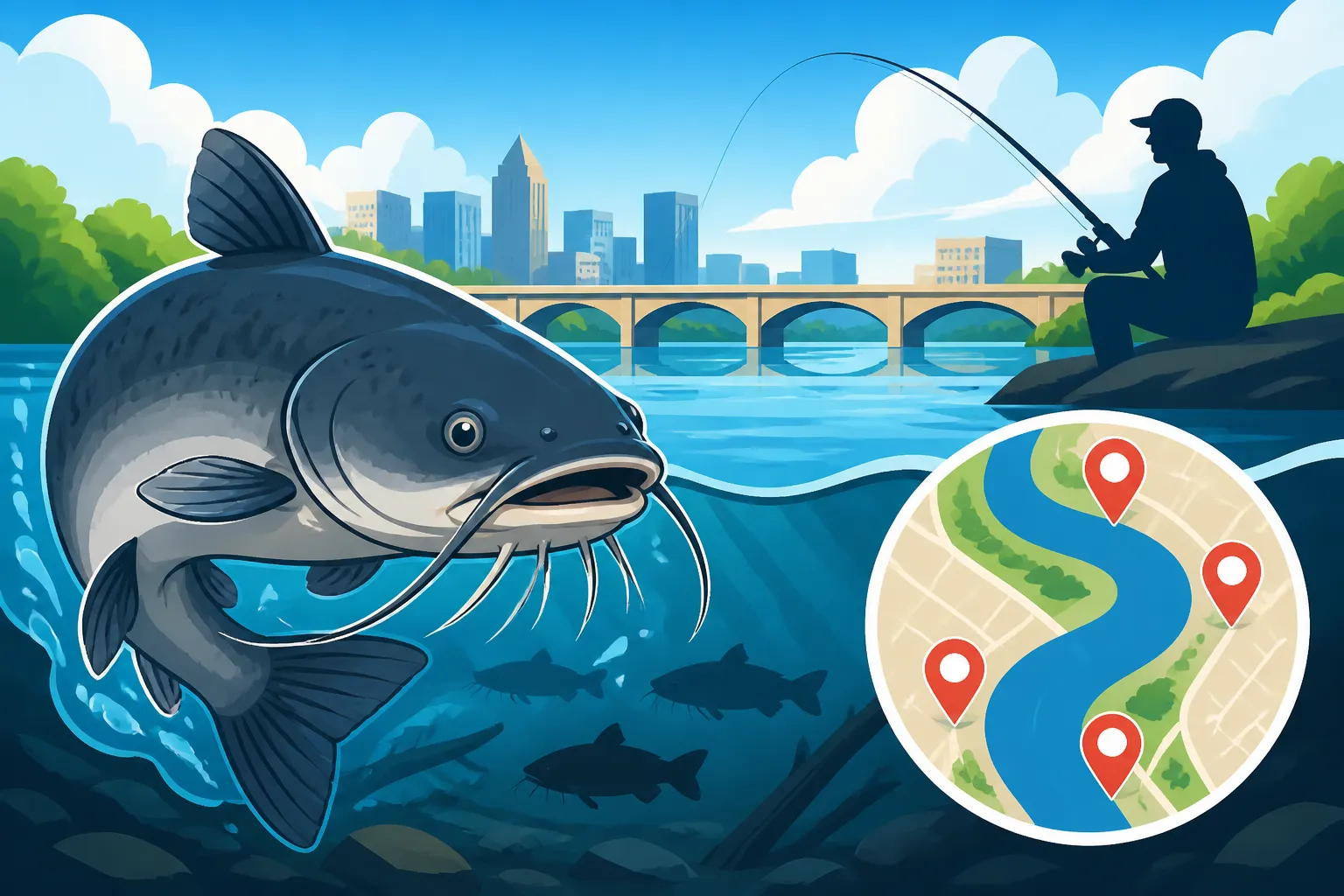
Without a doubt, the area where the Raccoon River flows into the Des Moines River is a catfish magnet. This confluence creates a dynamic environment with swirling currents, eddy lines, and often deeper holes scoured out by the combined flow. Flathead catfish, in particular, are drawn to these areas because of the abundance of baitfish like shad and carp that are funneled through the currents.
- Fishing Strategy: Focus your efforts on the seam where the two rivers meet. Catfish will often sit just outside the main current, waiting for food to be swept past them. Fishing the slack water pockets, especially those with immediate access to deeper water, can be incredibly productive. Cast your bait upstream and let it drift naturally into these holding areas. You'll likely find both channel cats and flatheads here, with flatheads often preferring the slightly stronger currents and larger live baits. This spot is also great for those who prefer Shore Fishing Access Near Des Moines. Many anglers even use services like FishingBooker to find local guides who specialize in these prime confluence spots, ensuring they have the best chance at a trophy fish.
Bridge Pilings and Riprap Along the Riverwalk
Urban rivers are often defined by their infrastructure, and for catfish anglers, bridges are golden. The pilings of bridges like the Court Avenue Bridge and the Walnut Street Bridge create significant current breaks and scour holes where catfish love to hide. Riprap, the rock-lined banks used to prevent erosion, also provides excellent habitat.
- Fishing Strategy: Cast your baits close to the bridge pilings. The turbulent water around these structures oxygenates the water and disorients baitfish, making them easy targets for waiting catfish. The concrete and rock surfaces also attract aquatic insects and smaller fish, drawing in hungry channel cats. For flatheads, look for areas where the riprap drops off into deeper water, offering them cover. The Des Moines River has many such sections, making it a fantastic place to try your luck. Using a stout rod and heavy line is often necessary here to prevent your catch from wrapping you around the pilings. You'll want to ensure you have the Best Tackle for Bank Fishing on Iowa Rivers before trying these areas.
Deeper Channels and Seams Near Urban Structures
Beyond the obvious spots, the downtown river holds subtler structures that catfish utilize. Look for areas where the river channel deepens, sometimes indicated by darker water or slower surface currents. These deeper channels provide thermal refuge and cover, especially during bright sunny days or colder periods.
- Fishing Strategy: Use a depth finder if fishing from a boat or observe the natural contours if bank fishing. Areas where older flood control structures or industrial outflows create subtle points or underwater ledges can be extremely productive. These seams, where fast water meets slow water, are prime feeding zones. Catfish will often sit just on the edge of the faster current, darting out to grab anything edible that floats by. Don't be afraid to experiment with your casting distance and angle to locate these hidden gems. Understanding Iowa Fishing Seasons Explained can also help predict when catfish are most active in these deeper urban haunts.
Essential Techniques and Baits for Urban Catfishing
Catching catfish in an urban river environment requires a slightly different approach than fishing pristine wilderness. You'll need to adapt your rigs and bait choices to contend with current, potential snags, and the food sources available in this specific setting.
Rigging Strategies for River Current
Dealing with river current is paramount when catfishing. A traditional bottom rig is often the most effective.
- Carolina Rig (Modified): Use a heavy sinker (1-4 ounces, depending on current strength) to hold your bait on the bottom. A no-roll sinker or a pyramid sinker works best in current. Thread the sinker onto your main line, then add a bead (to protect the knot) and tie on a heavy-duty swivel. Below the swivel, attach an 8-12 inch leader of fluorocarbon or monofilament line, ending with a sturdy hook (circle hooks are highly recommended for catfish). This setup allows your bait to move naturally in the current while keeping the weight anchored.
- Slip Bobber Rig: While often associated with panfish, a heavy-duty slip bobber rig can be incredibly effective, especially for channel catfish in areas with moderate current or when you want to suspend your bait off the bottom, away from snags. Use a large bobber that can support your bait and a heavy jig or weight. Set your bobber stop to position the bait just above the bottom or over known structure. This setup allows you to cover water more effectively and avoid bottom snags. For more detailed insights, check out this guide on How to Catch Catfish From the Bank.
Best Baits to Entice Downtown Catfish
Catfish are opportunistic feeders, but certain baits are undeniably more effective for different species and situations in the Des Moines River.
- Channel Catfish: These guys are scent hounds.
- Cut Bait: Fresh cut bait is king. Shad, carp, or even larger minnows cut into chunks release scent readily into the water.
- Stink Baits: Commercial stink baits, dough balls, and chicken livers are incredibly effective, especially in warmer water. Their strong odor draws channel cats from a distance. Brands like Sonny's Super Sticky Baits or CJ's Punch Bait are popular among Iowa anglers.
- Worms: Nightcrawlers or large chunks of earthworms can also work, particularly for smaller channel cats or if other baits aren't available.
- Flathead Catfish: Flatheads are predators and overwhelmingly prefer live bait.
- Live Perch, Bluegill, or Shad: A lively baitfish, hooked through the back or lips, is irresistible to flatheads. Make sure your live bait is healthy and active. Always check Iowa Fishing Daily Bag Limits Guide and regulations on using live baitfish, as some species or sizes may be restricted. You can learn more about specific bait recommendations in our Catfish Bait Guide for Iowa Anglers. Finding a local bait shop that carries good quality live bait is crucial for flathead success.
Timing Your Trip: Day vs. Night Fishing
Catfish are often most active during low-light conditions.
- Night Fishing: This is prime time for big catfish, especially flatheads. As the sun goes down, catfish become bolder and move into shallower areas to feed. The downtown area can be particularly exciting at night, with fewer people, cooler temperatures, and the glowing city lights reflecting on the water. Always be aware of your surroundings and local Night Fishing Rules for Anglers if you plan a nighttime excursion. A good headlamp is essential, not just for seeing, but for safety. FishingBooker also lists charters that offer evening catfishing trips for a unique perspective on the urban fishery.
- Day Fishing: Don't rule out daytime fishing, especially for channel catfish. During the day, they often retreat to deeper holes, shaded areas, or under cover. Fishing after a rain, when the water is slightly stained and current is higher, can also be very productive during daylight hours, as the added flow stirs up food.
Maximizing Your Downtown Des Moines Catfishing Experience
Beyond knowing the spots and the baits, a successful urban catfishing trip involves understanding regulations, equipping yourself properly, and being a responsible angler.
Navigating Regulations and Safety
Even in an urban setting, Iowa's fishing regulations apply. It's crucial to be informed to avoid any unwelcome surprises.
- Licenses and Stamps: Before you cast a line, ensure you have a valid Iowa fishing license. You can easily purchase one online through the Go Outdoors Iowa app or at authorized vendors. While a trout stamp isn't relevant for catfishing, understanding which licenses you need is vital. Our comprehensive Iowa Fishing License Guide provides all the details. Remember that regulations like Catfish Possession Limits are strictly enforced, even in downtown areas.
- Boating vs. Shore Fishing: The Des Moines River through downtown is navigable, but many anglers choose to fish from the bank for simplicity. If you opt for a boat, ensure it meets all Iowa Boat Registration Requirements and carries all required safety equipment. For shore anglers, be mindful of pedestrian traffic on the riverwalks and keep your gear tidy to avoid tripping hazards.
- Safety First: Urban areas can have unique hazards. Be aware of slippery banks, uneven terrain, and potential debris in the water. Always tell someone where you're going, especially if you plan to fish at night. Bring a first-aid kit, plenty of water, and a fully charged phone. And as with any fishing, never turn your back on the water, especially near strong currents.
Gear Essentials for Shore-Bound Anglers
You don't need a boatload of specialized gear to catch catfish, but having the right setup will significantly improve your chances and enjoyment.
- Rods and Reels: A medium-heavy to heavy action spinning or baitcasting rod, 7 to 9 feet in length, is ideal. This length provides good casting distance from shore and enough backbone to handle large catfish and heavy weights in current. Pair it with a sturdy reel spooled with 15-30 pound monofilament or braided line. Braided line offers superior sensitivity and strength, which can be an advantage when feeling subtle bites in current or pulling fish away from snags. If you're wondering How Many Fishing Poles You Can Use in Iowa, be sure to check the regulations as limits apply.
- Tackle Bag and Essentials: A comfortable tackle bag or backpack is essential for carrying your gear. Stock it with a variety of sinker weights (pyramid, no-roll, flat disc), a selection of heavy-duty circle hooks (sizes 3/0 to 8/0), swivels, and a sharp pair of pliers for hook removal. Don't forget a sturdy landing net or a set of lip grippers for safely handling your catch, especially if you plan on catch and release. A small cooler to keep your bait fresh and your drinks cold is also a good idea. For those serious about their gear, FishingBooker guides often recommend specific tackle setups for their trips.
- Comfort and Convenience: A folding chair, bug spray, a headlamp for night fishing, and a garbage bag for any trash are also crucial. Remember, leave no trace! Keeping the river clean ensures it remains a beautiful and productive fishing spot for everyone.
| Downtown Des Moines River Catfish Hotspots at a Glance | Primary Species | Key Features | Best Techniques | Accessibility |
|---|---|---|---|---|
| Confluence (Des Moines & Raccoon Rivers) | Flathead, Channel | Current seams, deep holes, varied currents | Heavy bottom rigs, live bait (flathead), cut/stink bait (channel) | Good bank access, parking nearby |
| Bridge Pilings (Court Ave, Walnut St.) | Channel, Flathead | Current breaks, scour holes, vertical structure | Bottom rigs close to pilings, cut/stink bait, live bait | Easy riverwalk access, city parking |
| Riprap Bank Sections (Riverwalk) | Channel, Smaller Flathead | Rocky cover, current breaks, baitfish habitat | Bottom rigs, slip bobbers, cut/stink bait | Excellent riverwalk access, street parking |
| Deeper Channels/Ledges (Less Visible) | Channel, Flathead | Submerged structure, thermal refuge, current breaks | Heavy bottom rigs, vertical jigging (if from boat), live/cut bait | Varies by location, requires observation |
Disclaimer
Please remember that fishing conditions, regulations, and access points can change. Always check the latest Iowa Department of Natural Resources (DNR) regulations before heading out. Exercise caution and practice responsible angling to ensure the safety of yourself and others, and to preserve the natural beauty of Iowa's waterways.