Best Free Fishing Spots Near Des Moines
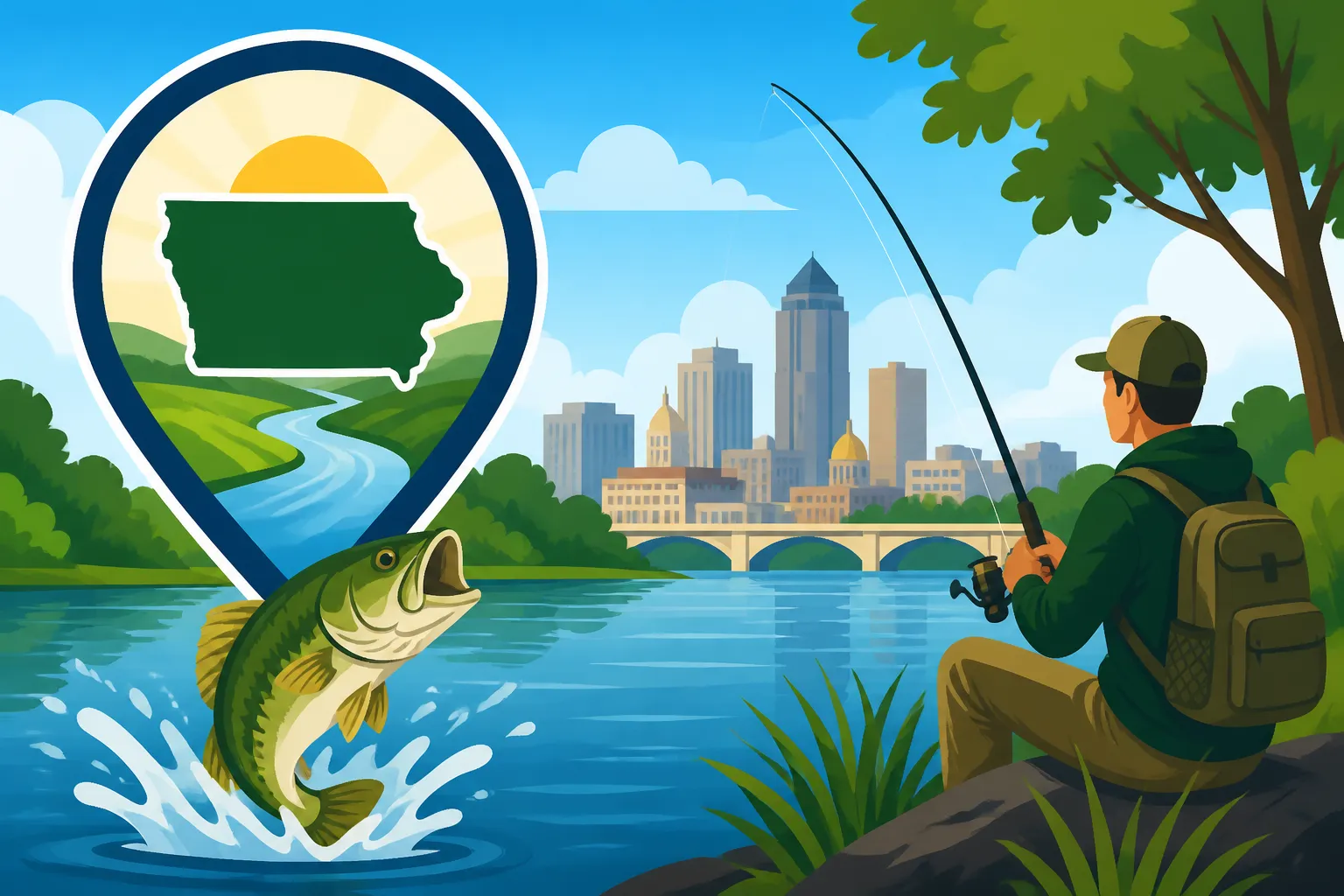
It's no secret that fishing can get expensive, fast. Between licenses, fancy gear, a boat, and all the little bits and bobs, it feels like you need a trust fund just to cast a line. But for those of us living in or visiting Des Moines, the good news is you don't have to break the bank to enjoy some fantastic angling. This guide will shine a light on the best free fishing spots right here in and around Iowa's capital city, helping you find those perfect, wallet-friendly places to wet a line and hopefully reel in a great catch.
Why Free Fishing Matters in and Around Des Moines
Let's be real, the joy of fishing shouldn't be reserved for those with deep pockets. For many of us, it's about connecting with nature, finding a peaceful escape, and the thrill of the chase. The thought of adding another expense to an already tight budget can quickly dampen that enthusiasm. That's why understanding where you can fish for free, without additional permit fees or boat launch costs, is so crucial for the everyday angler in Des Moines.
Overcoming the Cost Barrier
While the fishing itself might be free at these spots, remember that a valid Iowa fishing license is almost always required for anyone 16 years or older. This is a fundamental rule across the state, ensuring that conservation efforts are funded. You can find comprehensive details in the Iowa Fishing License Guide and get a clear picture of the costs by checking the Iowa Resident Fishing License Cost or Iowa Nonresident Fishing License Cost, depending on your situation. For the youngsters in your family, remember that Do Kids Need a Fishing License in Iowa? has specific answers.
Beyond the license, a significant chunk of fishing expenses often comes from gear and access. Buying a boat, paying for fuel, or even just finding parking at popular ramps can add up. Free fishing spots typically mean you're using public land, often accessible by foot or easily parked nearby, and focusing on shore fishing or launching smaller, non-motorized craft like kayaks or canoes without a fee. This makes fishing far more accessible, especially for families or those just starting out.
Accessibility for All Anglers
One of the greatest benefits of Des Moines' free fishing spots is their accessibility. Many of these locations are within city parks or easily reachable county parks, offering paved paths, fishing piers, and clear bank access. This is a huge plus for families with young children, seniors, or individuals with mobility challenges. You don't need to bushwhack through dense brush or navigate tricky terrain. Just grab your rod, pack a small tackle box, and find a comfortable spot along the bank. These accessible areas often feature picnic tables, restrooms, and playgrounds, making it a full-day outing for the entire family. Imagine teaching your child to cast for the first time without worrying about the cost of entry – that's the beauty of these free spots.
Top Free Fishing Locations Within Des Moines City Limits
Des Moines might be a bustling urban center, but it's blessed with a surprising number of public spaces offering excellent fishing opportunities. You don't always need to drive far to find a peaceful spot and a willing fish.
Parks with Stocked Ponds and River Access
Des Moines boasts several fantastic parks that provide direct, free access to fishing. These aren't just patches of grass; they're often well-maintained areas with specific fishing amenities.
-
Easter Lake Park: Located on the southeast side of Des Moines, Easter Lake is a jewel in the Polk County Conservation system. This large lake, nearly 170 acres, is well-known for its abundant panfish (bluegill, crappie), largemouth bass, and channel catfish. There are numerous free shore fishing access points all around the lake, including fishing jetties and a large accessible fishing pier. It’s a popular spot for families, and you'll often see kids reeling in bluegill left and right. The lake also has a good reputation for producing decent sized bass and catfish, especially in the deeper areas and around structure. If you’re a fan of Crappie Fishing in Iowa or looking for those reliable bluegill bites, Easter Lake should definitely be on your list.
-
Fort Des Moines Park: This park, also managed by Polk County Conservation, features a smaller lake that's regularly stocked. While not as expansive as Easter Lake, its compact size can be a benefit, making it easier to scout out promising spots. Anglers here often target panfish, channel catfish, and sometimes largemouth bass. It's a fantastic spot for a quick fishing trip after work or for introducing a beginner to the joys of fishing in a less intimidating environment. The park offers plenty of open bank access, making it simple to find a comfortable spot to cast your line.
-
Maffitt Reservoir (West Des Moines): While technically in West Des Moines, Maffitt Reservoir is the primary drinking water source for the City of Des Moines, and it allows public fishing. This 650-acre reservoir is known for its excellent walleye, largemouth bass, crappie, and channel catfish populations. While boating is restricted (only electric motors are allowed, and no belly boats or inflatables), the shore fishing opportunities are extensive and entirely free. Anglers often find success fishing near the dam, along the rip-rap shorelines, or in coves with structure. If you're hoping to learn How to Catch Walleye in Iowa from the bank, Maffitt can be a great place to hone your skills. Remember to check specific regulations for Maffitt, as they can sometimes differ slightly due to its role as a water supply.
Exploring the Des Moines and Raccoon Rivers
The two major rivers that converge in Des Moines offer incredible, albeit sometimes challenging, free fishing opportunities. These are dynamic environments, and understanding river fishing takes a bit of practice, but the rewards can be significant.
-
Des Moines River: Flowing right through the heart of the city, the Des Moines River offers extensive public bank access. While it can be muddy after rains, it's a phenomenal fishery for channel catfish, flathead catfish, carp, and even some walleye and smallmouth bass, especially in clearer conditions. Look for access points within city parks along the river, like Prospect Park or Birdland Park, which offer decent shore access. For those targeting catfish, the deep holes and current breaks are prime spots. You can find more specific guidance on Des Moines River Catfish Spots for pinpointing where to cast. The river environment is ever-changing, so pay attention to current speed and water levels.
-
Raccoon River: The Raccoon River, joining the Des Moines River downtown, provides similar opportunities. It's often a bit clearer than the main Des Moines River, making it potentially better for smallmouth bass. Public access points are available in various parks, including Raccoon River Park itself (though its main lake might have different rules, the river access is generally free). Look for areas with rocky banks, submerged timber, and current seams – these are all classic holding spots for river fish. Bank fishing is the primary mode here, and a simple worm and bobber rig can yield catfish, while jigs and crankbaits might tempt bass.
Heading Just Beyond the City for More Options
Sometimes a short drive outside the immediate city limits opens up even more fantastic free fishing options, especially within Iowa's impressive state and county park systems. These areas are typically well-maintained, offer great facilities, and, most importantly, provide ample free access.
Polk County Conservation Areas and State Parks
Polk County, which encompasses Des Moines, manages a robust system of parks and natural areas, many of which are fantastic for fishing without an additional entry fee. Iowa's state parks also offer free access for day use, with only camping or specific amenities incurring a charge.
-
Big Creek State Park (Polk City): Just a short drive north of Des Moines, Big Creek State Park is home to Big Creek Lake, a massive 868-acre reservoir. This lake is a multi-species powerhouse, offering excellent fishing for walleye, crappie, bluegill, channel catfish, and largemouth bass. The park has miles of shoreline, numerous publicly accessible points, and fishing jetties, making it ideal for shore anglers. Anglers often find success around the causeway, the main dam, and various coves. If you're looking for diverse opportunities, Big Creek is a top-tier choice. Check out the general Best Fishing Spots in Iowa article for more context on what makes this area so great.
-
Saylorville Lake (North of Des Moines): A massive reservoir formed by the damming of the Des Moines River, Saylorville Lake offers incredible scale and variety. While boating is very popular here, there are countless miles of shoreline available for free bank fishing. This is a prime location for channel catfish, white bass, walleye, and crappie. Popular shore fishing spots include areas below the dam (check regulations carefully as they can vary), various access roads that lead to the water's edge, and along the extensive hiking and biking trails that hug the lake. Fishing the rip-rap on causeways or points can be particularly productive. For those passionate about targeting whiskered warriors, the Saylorville Reservoir Catfish Spots guide can provide invaluable local insights.
Hidden Gems and Lesser-Known Spots
Beyond the big names, Des Moines and its surrounding areas also have smaller, often overlooked ponds and creek stretches that can offer surprisingly good fishing, especially if you're willing to do a little exploring. These might not be "advertised" as prime fishing spots but are legally accessible public lands.
- Local Neighborhood Ponds: Many smaller city and county parks, even within Des Moines or neighboring communities like Ankeny, Johnston, or Urbandale, have retention ponds or small lakes. While they might not be stocked as heavily as the larger bodies of water, they often hold populations of panfish, and sometimes even resident bass or catfish. A quick scout on a map for "ponds near me" in public parks can reveal some quiet spots. Always verify that fishing is permitted and check local park rules.
- Smaller Creek Confluences: Where smaller creeks meet the Des Moines or Raccoon Rivers, you can often find unique fishing opportunities. These confluences can concentrate fish, especially after rain events or during spawning migrations. Public land along these smaller waterways can offer some secluded bank access. Just be mindful of private property lines and always respect "No Trespassing" signs.
Essential Tips for Successful Free Fishing Near Des Moines
Just because a spot is free doesn't mean you shouldn't go prepared. A little planning and knowledge can make all the difference between a frustrating outing and a memorable one.
Understanding Local Regulations and Licensing
We've already touched on it, but it bears repeating: a valid Iowa fishing license is non-negotiable if you're 16 or older. But beyond that, it's vital to be aware of the specific Iowa Fishing Regulations Explained. These include daily bag limits and size restrictions for different species, which can vary by water body. For instance, Iowa Fishing Daily Bag Limits Guide provides general rules, but some lakes or rivers might have special, localized regulations. Always carry your license and be familiar with the rules for the fish you're targeting. Ignorance of the law is not an excuse, and penalties for violations can be steep.
| Fish Species | General Daily Bag Limit (Iowa) | Minimum Length (Iowa) | Notes |
|---|---|---|---|
| Walleye | 5 | 15 inches | Check specific lakes for exceptions |
| Largemouth Bass | 5 | 15 inches | Check specific lakes for exceptions |
| Smallmouth Bass | 5 | 12 inches | |
| Channel Catfish | 15 | None | |
| Crappie | 25 | None | Combined with other panfish in some waters |
| Bluegill | 25 | None | Combined with other panfish in some waters |
| Northern Pike | 3 | 24 inches | |
| Muskie | 1 | 40 inches | Often catch-and-release focused |
| Trout (stocked) | 5 | None | Requires Trout Fee in specific waters |
Note: This table provides general statewide regulations. Always consult the current Iowa Fishing Regulations booklet or the Iowa DNR website for the most up-to-date and specific rules for your chosen fishing location.
Gear Essentials and Smart Planning
You don't need a boatload of expensive gear for successful bank fishing. A simple spinning rod and reel combo, some line, a selection of hooks, sinkers, bobbers, and a few basic lures or live bait will get you started.
- Rods & Reels: A medium-light to medium action spinning rod, 6 to 7 feet long, paired with a matching spinning reel (size 2000-3000) spooled with 6-10 lb monofilament or braided line, is a versatile setup for targeting most species you'll encounter.
- Terminal Tackle: A variety of hooks (sizes 6-1/0 for panfish/catfish), split shot weights, egg sinkers, and slip bobbers.
- Bait: Live bait like nightcrawlers, worms, or minnows (if legal for the water body) are often incredibly effective. For artificials, small jigs (1/16 to 1/8 oz) with grub tails are great for crappie and bluegill, while small crankbaits or spinnerbaits can tempt bass and walleye. If you're looking for Catfish Bait Guide for Iowa Anglers, you'll find plenty of budget-friendly options.
- Comfort Items: Don't forget bug spray, sunscreen, a hat, comfortable shoes, water, and perhaps a small folding chair. A small cooler with ice will keep your catch fresh if you plan to keep fish within the Iowa Fishing Daily Bag Limits Guide.
- Finding spots: While these are free spots, sometimes a local perspective can truly elevate your trip. Services like FishingBooker can offer insights into local conditions, fishing reports, and connect you with guides if you ever decide to splurge for a specialized trip on these very same waters. They often have detailed information about public access points and what species are biting.
Respecting the Environment and Fellow Anglers
One of the cornerstones of responsible angling, especially at free and public access points, is showing respect for the environment and other people enjoying the outdoors.
- Leave No Trace: Always pack out everything you pack in, and perhaps even pick up any litter you find. This keeps our beautiful fishing spots clean for everyone to enjoy.
- Be Mindful of Others: These free spots are often popular. Give fellow anglers space, keep noise levels down, and be considerate of families or hikers who might also be using the park.
- Fish Responsibly: Practice catch and release for larger or protected species, or only keep what you plan to eat, adhering strictly to limits. Handle fish gently, especially if releasing them. This ensures healthy fish populations for years to come.
Getting out and enjoying the fishing opportunities around Des Moines doesn't have to be a costly affair. With a little knowledge of these free access spots and a commitment to responsible angling, you can create countless memorable moments on the water.
Disclaimer
The information provided in this guide is for general informational purposes only and is subject to change. Always consult the official Iowa Department of Natural Resources (DNR) regulations and local park rules before fishing, as specific regulations, license requirements, and access policies can vary and may be updated. Fishing involves inherent risks; always prioritize safety and be aware of your surroundings.