East Okoboji Lake Fishing Guide
Trying to make sense of the vast and sometimes overwhelming Iowa Great Lakes can feel like a puzzle, especially when you're zeroing in on a specific gem like East Okoboji Lake. It's easy to get lost in the sheer volume of information out there, or worse, miss out on critical details that could make or break your fishing trip. This comprehensive guide is here to cut through the noise, offering you a veteran angler's insights into navigating East Okoboji, from its unique layout to the best seasonal strategies for landing your dream catch.
East Okoboji Lake's Unique Character and Geography
East Okoboji Lake isn't just another body of water in Iowa; it's a vibrant, dynamic ecosystem with its own personality and quirks. Understanding its unique geography and how it functions is the first step toward becoming a successful angler here. Many folks think of the Iowa Great Lakes as one big fishing ground, but each lake, especially East Okoboji, holds distinct features that demand a tailored approach. Ignoring these nuances can lead to frustration and empty livewells, so let's dive into what makes East Okoboji truly special.
Understanding East Okoboji's Layout and Depth
Unlike its deeper, more mysterious neighbor, West Okoboji, East Okoboji Lake is generally shallower, with an average depth of around 10-12 feet and a maximum depth reaching about 26 feet. This shallower nature means it warms up faster in the spring and cools down more quickly in the fall, significantly influencing fish behavior and seasonal patterns. The lake is quite long and relatively narrow, stretching out over 1,835 acres, connected by canals and channels that offer excellent fish habitat and travel corridors. Along its shores, you'll find a mix of developed areas with docks and seawalls, as well as natural stretches of emergent vegetation, especially in bays and more sheltered areas. These varied shorelines and bottom compositions, from soft muck to scattered rock piles, create diverse environments for different fish species, making it a truly versatile fishery.
The bottom structure of East Okoboji is a key factor for finding fish. While it lacks the dramatic, deep contours of West Okoboji, it features numerous subtle breaks, humps, and submerged weed lines that concentrate fish. Anglers often find success by focusing on the transitions between sand, gravel, and mud, or by exploring the edges of established weed beds. These areas provide both cover and ambush points for predatory fish, as well as feeding grounds for panfish. Understanding where these structural elements lie, even if they're not as pronounced as in other lakes, is crucial for unlocking East Okoboji's fishing potential. A good map and some time on the water with a depth finder can reveal these hidden gems.
How East Okoboji Differs from West Okoboji and Spirit Lake
The Iowa Great Lakes are a treasure, but each one offers a vastly different fishing experience. East Okoboji often gets overshadowed by the notoriety of West Okoboji Lake's incredible depth and massive muskie, or the sheer size of Spirit Lake's walleye factory. However, East Okoboji shines in its own right, especially for anglers seeking a more consistent panfish bite and easier access to shallower walleye. West Okoboji, with its vast depths exceeding 130 feet, can be intimidating for new anglers, requiring specialized deep-water tactics and electronics. Its clear, cold waters favor species like cisco and lake trout, which aren't found in East Okoboji, and its muskie population is legendary.
In contrast, East Okoboji is more forgiving. Its shallower, warmer waters make it an excellent choice for a broader range of anglers, from those in smaller boats to kayak fishermen. While West Okoboji might have fewer, larger fish, East Okoboji often provides a higher quantity of catchable fish, particularly for crappie, bluegill, and smaller walleye. Spirit Lake, the largest natural lake in Iowa, shares some similarities with East Okoboji in its species diversity and shallower average depth but covers a much larger area. Fishing the Iowa Great Lakes can involve moving between these distinct environments, but East Okoboji offers a fantastic balance for a fulfilling day on the water. For a full comparison of these fantastic bodies of water, check out our guide on Fishing the Iowa Great Lakes.
Key Access Points and Public Ramps
Accessibility to East Okoboji is generally good, with several public boat ramps and shore fishing opportunities available. Knowing where to launch your boat or find a good bank fishing spot can save you a lot of time and hassle, especially on busy summer weekends. One popular spot is the public access area near the City of Okoboji, which provides a concrete ramp suitable for most trailered boats. This location often fills up quickly, so arriving early is always a good strategy.
Another excellent option is the access point near Arnolds Park, offering convenience if you're staying in that area. For those looking for a quieter experience or planning to launch smaller craft like kayaks or canoes, several less developed access points and parks dot the shoreline, providing more intimate connections to the water. Some anglers also utilize resort docks or private launches with permission. Always be mindful of parking regulations and respect private property. A quick search on the Iowa DNR website or using an app like the GoOutdoors Iowa App can give you the most current information on public access points and their amenities, helping you plan your day efficiently.
Top Fish Species to Target in East Okoboji
East Okoboji Lake is a multi-species angler's dream, offering a diverse array of fish that can keep your rods bent throughout the year. While some lakes are known for one or two dominant species, East Okoboji provides consistent action for several popular game fish and panfish. Understanding what thrives here and where to find them is key to maximizing your success. Whether you're chasing trophy walleye or filling a bucket with tasty crappie, East Okoboji has something to offer every angler.
Walleye – The King of Okoboji
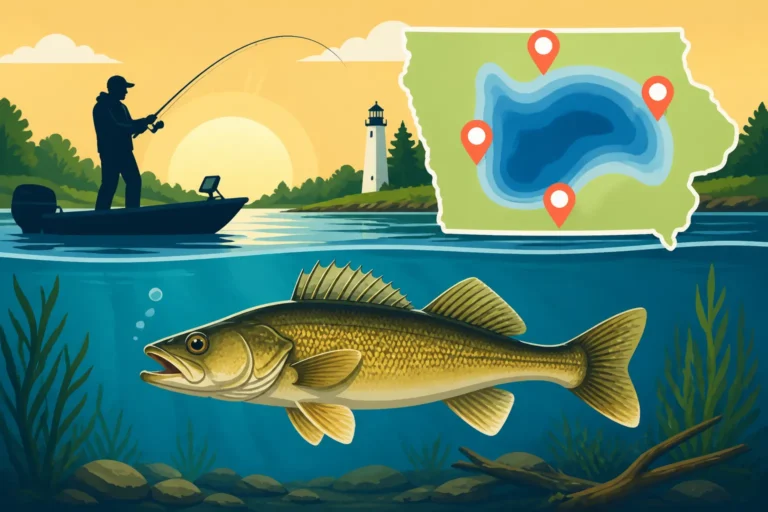
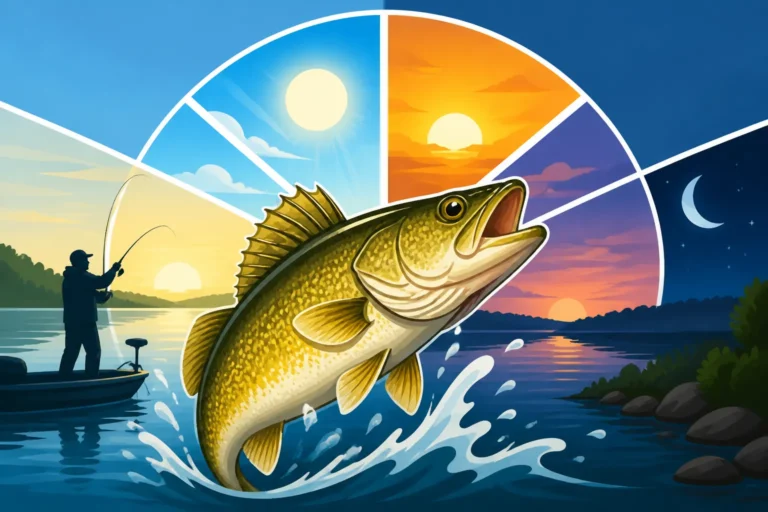
Ah, the walleye. For many Iowa anglers, this fish is the undisputed king, and East Okoboji is no exception. While perhaps not producing the sheer numbers of monster walleye found in some other Iowa lakes, East Okoboji offers a very consistent and rewarding walleye fishery, especially for eater-sized fish. The walleye here are opportunistic feeders, often relating to the subtle depth changes, rock piles, and weed lines that define the lake's structure. Early mornings and evenings are prime times, as walleye are light-sensitive and tend to move into shallower feeding areas during low light conditions.
During the spring, after the ice recedes, walleye will often stage in transitional areas leading to spawning grounds, which are typically rocky bottoms or rip-rap. As the water warms, they'll spread out, but remain concentrated around submerged points, humps, and the deeper edges of weed beds. Trolling with crankbaits or spinner rigs tipped with crawlers or minnows is a popular and effective method, especially covering larger flats. Jigging with live bait, like a minnow or a leech, around specific structures can also be incredibly productive. Remember to check the current Walleye Season and Size Limits before you head out, as regulations can change.
Panfish Bonanza – Crappie and Bluegill
If consistent action and delicious fillets are what you're after, East Okoboji's panfish bite is legendary. Both crappie and bluegill thrive in its fertile waters, providing excellent opportunities for anglers of all skill levels, from seasoned veterans to families with young children. These species are often found in similar habitats, making it easy to target both simultaneously. The excitement of pulling in a steady stream of these feisty fish is hard to beat, and East Okoboji consistently delivers.
Crappie in East Okoboji often congregate around submerged brush piles, fallen trees, and the deeper edges of emergent vegetation like cattails and lily pads. They love structure! During the spring spawn, they move into very shallow, protected bays, making them easier to target from shore or with a kayak. Small jigs tipped with a minnow, a piece of crawler, or even just a tiny soft plastic grub under a bobber are incredibly effective. Bluegill, equally abundant, prefer similar cover but can also be found in open water over weed flats. They're often less picky, eagerly biting on small pieces of worm, corn, or tiny artificial baits. A great resource for specific rules and limits on these popular species is our guide to Crappie and Sunfish Limits in Iowa.
Bass Fishing – Largemouth and Smallmouth Opportunities
East Okoboji also offers solid opportunities for both largemouth and smallmouth bass, providing exciting challenges for those who love to feel the powerful fight of these aggressive predators. While the lake isn't primarily known as a "bass factory," dedicated bass anglers can find plenty of action, especially if they understand where each species prefers to hide. Targeting these bass often requires different approaches and a keen eye for subtle habitat clues.
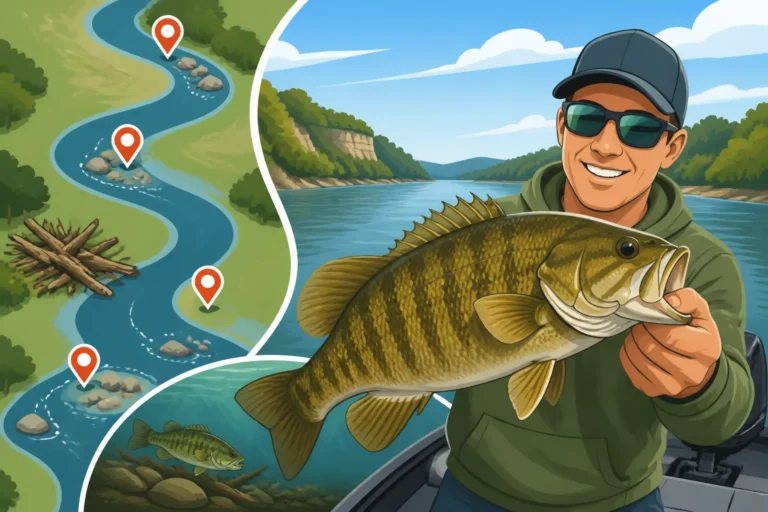
Largemouth bass are the masters of ambush, preferring dense cover where they can lie in wait for unsuspecting prey. In East Okoboji, this means focusing on thick weed beds, lily pad fields, docks, and fallen timber. Spinnerbaits, Texas-rigged worms, topwater frogs, and jigs are all excellent choices for prying these aggressive fish out of their cover. Smallmouth bass, on the other hand, prefer clearer, rockier areas and often relate to submerged points, rocky humps, and transition zones where rock meets sand. Crankbaits, tubes, and drop-shot rigs are very effective for smallmouth. Always be aware of the Bass Season and Size Limits to ensure you're fishing legally and sustainably.
Other Notable Catches: Northern Pike and Yellow Bass
Beyond the primary targets, East Okoboji Lake holds several other exciting species that can add variety to your catch. Northern pike, known for their aggressive strikes and sharp teeth, cruise the weed lines and open water, providing a thrilling fight for anglers prepared for them. These ambush predators often lurk at the edges of heavy vegetation, waiting to dart out at passing baitfish. Large spoons, spinnerbaits, and even live bait like large shiners are effective for pike.
Yellow bass, while smaller, are incredibly abundant and offer fast-paced action, especially for younger anglers or those looking for non-stop bites. They tend to school up in large numbers, particularly around drop-offs and submerged humps, and can be caught on just about anything small, from tiny jigs to pieces of worm. While not as prized as walleye or crappie, yellow bass are great fun and surprisingly good to eat. Keep an eye out for surface activity, as schooling yellow bass often push baitfish to the surface, creating a visual feast for anglers looking to cast into the commotion.
Here's a quick overview of some popular species and typical locations in East Okoboji:
| Species | Preferred Habitat | Common Baits/Lures | Best Seasons | Notes |
|---|---|---|---|---|
| Walleye | Weed edges, rock piles, subtle humps, transition zones | Crankbaits, spinner rigs, jigs (minnows/leeches) | Spring, Fall, Winter | Early morning/evening, deeper during midday. |
| Crappie | Brush piles, fallen trees, deep weed lines, docks | Small jigs (minnows/grubs), small crankbaits | Spring, Fall | Excellent eating, target visible structure. |
| Bluegill | Weed flats, shallow bays, docks, submerged vegetation | Worms, corn, small jigs, tiny soft plastics | Spring, Summer | Great for kids, abundant, often caught shallow. |
| Largemouth Bass | Heavy cover, lily pads, docks, fallen timber | Spinnerbaits, Texas-rigged worms, topwater | Spring, Summer | Ambush predators, focus on thick cover. |
| Smallmouth Bass | Rocky points, humps, transitions, clear water | Crankbaits, tubes, drop-shot rigs, jigs | Spring, Summer, Fall | Strong fighters, target rocky structure. |
| Northern Pike | Dense weed lines, open water near structure | Large spoons, spinnerbaits, large shiners | All Year | Aggressive strikes, bring a good leader. |
| Yellow Bass | Open water schools, drop-offs, humps | Small jigs, worms, tiny spoons | Summer, Fall | Abundant, great for continuous action, good for kids. |
Seasonal Fishing Strategies for East Okoboji
The magic of fishing East Okoboji Lake truly unfolds through the seasons. What works like a charm in spring might yield nothing in summer, and vice-versa. Understanding these shifts and adapting your strategies is what separates a consistently successful angler from someone who just gets lucky. Each season brings unique challenges and incredible opportunities, driven by changes in water temperature, fish spawning cycles, and forage availability. Let's break down how to conquer East Okoboji year-round.
Spring into Action: Pre-Spawn and Early Season Bites
Spring on East Okoboji is a time of immense anticipation and rapid change. As the ice melts and water temperatures slowly climb from the low 30s to the 50s, fish begin to shake off their winter lethargy and move towards shallower waters for feeding and spawning. This pre-spawn period is often one of the most productive times of the year, as fish are aggressively feeding to build energy reserves. Walleye, crappie, and northern pike are particularly active during this window.
In early spring, focus your efforts on northern sections of the lake and shallow bays that warm up first. These areas, often sheltered from the wind, will attract baitfish and, consequently, the predators. For walleye, try jigging with a minnow or throwing lipless crankbaits along rocky shorelines and shallow points. Crappie will be moving into brush piles and deadfall in protected bays, eager to hit small jigs or minnows under a bobber. The key is to fish slowly and patiently, as the fish can still be a bit sluggish in the cold water. For a general overview of Iowa's fishing calendars, check out Iowa Fishing Season Dates and Limits.
Summer's Bounty: Mid-Season Tactics
Summer fishing on East Okoboji presents a different challenge. As water temperatures rise into the 70s and beyond, many fish move deeper or seek refuge in the shade of dense weed beds and docks. The abundant sunlight also pushes light-sensitive species like walleye into low-light feeding periods – dawn, dusk, and even night fishing become highly effective. This is when understanding the lake's specific structures and how fish relate to them becomes paramount.
During the daytime, focus on deeper weed lines, submerged humps, and points where cooler water or abundant cover can be found. Trolling crankbaits or spinner rigs along these contours is a great way to cover water and find active walleye. For bass, pitching jigs or flipping soft plastics into dense cover or around docks can produce explosive strikes. Panfish will often be suspended in deeper water over brush piles or relating to the denser weed beds. Topwater action for bass can be fantastic during early mornings and late evenings. If you're struggling to find the bite, sometimes consulting a local guide or checking reports on platforms like FishingBooker can give you a crucial edge.
Fall Turnover and Feeding Frenzies
Fall on East Okoboji is arguably one of the best times to fish, marked by cooler temperatures, stunning foliage, and often, incredible feeding frenzies. As the lake undergoes its annual "turnover," where the surface water cools and mixes with the deeper layers, fish become more active and spread out. They're frantically feeding to pack on weight for the upcoming winter, making them eager to strike. This period offers fantastic opportunities for larger catches across multiple species.
Walleye, in particular, become highly aggressive in the fall. They'll often move back into shallower areas, especially rocky points and weed edges, during the day to feed. Trolling larger crankbaits or casting blade baits can be very effective. Bass will also be aggressively feeding, chasing schools of baitfish in open water or along shorelines. Crappie and bluegill will fatten up in deeper brush piles and weed beds, offering consistent action on small jigs and minnows. This is the time to experiment with presentation and cover as much water as possible.
Winter Wonderland: Ice Fishing on East Okoboji
When the ice covers East Okoboji Lake, a whole new world of fishing opens up for hardy anglers. Ice fishing here can be incredibly productive, especially for walleye, crappie, bluegill, and yellow bass. The key to success lies in understanding ice safety and knowing where fish congregate under the hard water. East Okoboji's shallower nature means it often freezes earlier and can be more consistent for ice fishing than its deeper neighbors, though safety should always be the top priority.
For walleye, target the same humps, points, and weed edges you'd fish in open water, but focus on the deeper breaks adjacent to them. Jigging spoons tipped with a minnow head or a small minnow on a plain hook under a slip bobber are excellent choices. Crappie and bluegill will school up in basin areas, often suspended over the deepest brush piles or along sharp breaks. Small tungsten jigs tipped with wax worms, spikes, or a small plastic tail are irresistible. Always check ice thickness and local conditions before venturing out, and consider bringing an auger and an ice shelter for comfort. Our guide on Ice Fishing in Iowa offers extensive safety tips and techniques for winter angling.
Essential Gear and Techniques for East Okoboji
Having the right gear and knowing the most effective techniques are paramount to a successful fishing trip on East Okoboji Lake. While you don't need a boatload of expensive equipment, a thoughtfully assembled tackle box and an understanding of appropriate presentations can dramatically improve your catch rates. East Okoboji's diverse fishery means versatility is key – you might be jigging for walleye one minute and casting for bass the next.
Rods, Reels, and Line for Multi-Species Success
For most general fishing on East Okoboji, a medium-light to medium power spinning rod, around 6'6" to 7' long, paired with a 2500 or 3000 series spinning reel, will serve you well. This setup is versatile enough to handle everything from panfish to decent-sized walleye and bass. Look for a rod with a fast action tip, which provides sensitivity for detecting subtle bites and enough backbone to set the hook effectively. For those targeting larger northern pike or muskie, a medium-heavy baitcasting setup with a stiffer rod and heavier line is more appropriate.
Line selection is also crucial. For spinning setups, 6-8 pound test monofilament or fluorocarbon is a good all-around choice. Monofilament offers good knot strength and shock absorption, while fluorocarbon is virtually invisible underwater and has less stretch, providing better feel. Many anglers, especially for walleye and bass, opt for a braided main line (10-20 lb test) with a 6-10 lb fluorocarbon leader. The braid offers incredible sensitivity and casting distance, while the leader maintains stealth. When choosing your next setup, our Iowa Fishing Gear Guide has plenty of recommendations.
Best Lures and Baits for East Okoboji
The array of lures and baits available can be dizzying, but a few proven performers will consistently put fish in your boat on East Okoboji. For walleye, crankbaits in various sizes and diving depths (like those from Rapala or Berkley) are essential, especially when trolling. Color patterns that mimic local baitfish, like perch or shiner, are often productive. Jigging spoons and blade baits also shine, particularly in cooler water or when fish are holding tight to structure. Live bait, especially minnows (like fatheads or shiners), leeches, and nightcrawlers, are always a go-to for walleye and panfish, fished on jigs or crawler harness rigs.
For panfish like crappie and bluegill, small jigs (1/32 to 1/16 oz) in various colors (chartreuse, white, black, pink) are incredibly effective, tipped with a small plastic grub, a piece of worm, or a minnow. Tiny inline spinners and micro crankbaits can also elicit strikes. Bass anglers will want a selection of soft plastics (worms, creature baits, tubes), spinnerbaits, chatterbaits, and topwater lures (frogs, poppers) for covering different types of cover and water conditions. Don't forget a sturdy pair of pliers for removing hooks, especially from toothy northern pike!
Navigating the Waters: Boat and Kayak Considerations
East Okoboji is well-suited for a variety of watercraft, from larger bass boats and multi-species rigs to kayaks and canoes. Your choice of vessel will influence where and how you fish, but each offers unique advantages. Larger boats provide speed, comfort, and the ability to cover vast amounts of water quickly, making them ideal for trolling or moving between hot spots. They also typically come equipped with advanced electronics like fish finders and GPS, which are invaluable for locating structure and marking fish. Remember to always comply with Iowa Boat Registration Requirements and carry all necessary safety equipment.
For a more intimate fishing experience, kayaks and canoes are excellent choices, especially for exploring the shallower bays and tight channels that larger boats can't access. Their stealth allows you to approach fish without spooking them, and they offer a great workout! Make sure your kayak is stable and rigged for fishing, with rod holders and a comfortable seat. Regardless of your vessel, always pay attention to weather forecasts, as the Iowa Great Lakes can get choppy quickly. If you're looking to explore deeper into the lake's fishing potential and maybe even book a guided trip to maximize your experience, FishingBooker lists several local guides who specialize in East Okoboji.
Navigating Regulations and Responsible Angling
Fishing is a privilege, and with that comes the responsibility of understanding and adhering to local regulations. These rules are in place not to make your life harder, but to protect the fishery and ensure healthy fish populations for generations of anglers to come. In the Iowa Great Lakes region, and specifically on East Okoboji Lake, there are nuances to the statewide regulations that every angler should be aware of. Getting caught without the proper licenses or exceeding bag limits can lead to hefty fines and a ruined day on the water, so it's always best to be prepared.
Key Iowa Fishing Regulations Specific to the Great Lakes Area
While the general Iowa Fishing Regulations Explained apply across the state, the Iowa Great Lakes, including East Okoboji, sometimes have specific rules or nuances. For instance, minimum length limits and daily bag limits for popular species like walleye, crappie, and bass might be adjusted for these high-pressure fisheries to manage populations effectively. It's not uncommon for specific lakes to have special slot limits or reduced bag limits to protect certain size classes of fish. Always obtain your Iowa Fishing License Guide before your trip, and make sure to consult the most current Iowa Fishing Regulations booklet, available from the Iowa Department of Natural Resources (DNR) or their website.
Beyond species-specific rules, pay attention to general regulations concerning the number of lines you can use, bait restrictions (especially for certain trout streams, though less common on East Okoboji), and rules about spearing or snagging. Understanding these regulations prevents accidental violations and contributes to a healthy angling environment. The Iowa DNR works hard to monitor fish populations and adjust regulations as needed, so staying informed is crucial for every responsible angler.
Conservation Efforts and Catch-and-Release Practices
East Okoboji Lake benefits immensely from both natural reproduction and active conservation efforts by the Iowa DNR. Stocking programs, habitat improvement projects, and continuous monitoring of fish populations are vital to maintaining the quality of fishing we all enjoy. As anglers, we play a significant role in these conservation efforts through our practices on the water. Catch-and-release is a powerful tool, especially for larger, older fish that contribute significantly to the gene pool.
When practicing catch-and-release, handle fish gently, minimize their time out of the water, and use proper de-hooking tools. For species like muskie and larger bass, it's often recommended to keep them in the water as much as possible for photos and release. Keeping only what you plan to eat and releasing the rest, particularly larger breeding-size fish, helps ensure a robust fishery for the future. Educating ourselves and others on these best practices is a simple yet profound way to give back to the resource that provides us so much enjoyment.
Reporting Violations and Ensuring a Sustainable Fishery
Unfortunately, not everyone adheres to the rules, and violations can harm the delicate balance of the fishery. Over-harvesting, fishing without a license, or illegal methods can deplete fish populations and diminish the quality of fishing for everyone. If you witness a fishing violation on East Okoboji Lake or any other Iowa water, it's your responsibility as a conservation-minded angler to report it.
The Iowa DNR has a dedicated hotline and online reporting system for poaching and other violations. You can contact them directly, or in urgent situations, call local law enforcement. When reporting, try to provide as much detail as possible: the date, time, location, description of the individuals and their boat/vehicle, and the nature of the violation. Your anonymity is protected. By actively participating in the enforcement of regulations, you contribute directly to the sustainability and health of East Okoboji's fantastic fishing opportunities. Knowing How to Report a Fishing Violation in Iowa is a powerful tool in your angler's toolkit.
Disclaimer
The information provided in this guide is for general informational purposes only and is subject to change. Fishing regulations, season dates, and limits are set by the Iowa Department of Natural Resources (DNR) and can be updated annually. Always consult the official Iowa DNR fishing regulations manual or website for the most current and accurate information before planning your fishing trip. Safety on the water, especially regarding ice conditions and boating, is paramount; always exercise caution and use appropriate safety gear.