Best Fishing Spots in Iowa
Iowa offers an incredible diversity of fishing experiences, but for many anglers, the sheer number of lakes, rivers, and streams can make finding that perfect spot feel like searching for a needle in a haystack. It's frustrating to drive hours only to find crowded banks or waters that just aren't producing. This comprehensive guide is here to cut through the confusion, helping you discover the very best fishing spots across the Hawkeye State, from our iconic Great Lakes to hidden river gems, ensuring your next trip is a successful one.
The Iowa Great Lakes: A Midwest Angler's Paradise
When you talk about fishing in Iowa, you simply can't ignore the Iowa Great Lakes region in the northwest part of the state. This chain of natural, glacially-carved lakes offers some of the most diverse and productive fishing opportunities anywhere in the Midwest. It’s a true destination for anglers seeking everything from trophy walleye and muskie to plentiful panfish and bass. The distinct characteristics of each lake mean there's always something different to explore, whether you prefer deep, clear water or shallower, vegetation-rich environments.
West Okoboji Lake: Deep Waters and Trophy Fish
West Okoboji Lake stands out as Iowa's deepest natural lake, plunging over 130 feet in some areas. Its crystal-clear waters and diverse structure make it a prime location for those chasing larger, more elusive species. Anglers frequently target walleye here, often finding success around the many points, reefs, and deep breaks. Trolling crankbaits or presenting live bait rigs over structure can be incredibly effective, especially during the low light hours of dawn and dusk. The lake's cooler, oxygen-rich depths also support a strong population of northern pike, with some true monsters lurking in the weed lines and drop-offs.
Beyond walleye and pike, West Okoboji is also renowned for its muskie fishing. These toothy predators are a challenge to catch, but the reward of landing one of Iowa's biggest freshwater fish is unparalleled. Dedicated muskie anglers often spend countless hours casting large bucktails and jerkbaits along prominent weed edges and rocky shorelines, particularly in areas like Pillsbury Point or the narrows near the outlet. Remember, muskie fishing is as much about patience and persistence as it is about technique. While you're on the lake, keep an eye out for yellow bass, which can offer fast action, particularly in open water schools. For more specific guidance on this prime location, consider reading our detailed West Okoboji Lake Fishing Guide.
East Okoboji Lake and Spirit Lake: Diverse Opportunities
Just a stone's throw from West Okoboji, East Okoboji Lake offers a different, yet equally rewarding, fishing experience. It's shallower and tends to warm up faster, making it a fantastic spot for largemouth bass, especially in its numerous bays and docks lined with aquatic vegetation. Spinnerbaits, plastic worms, and topwater lures can be highly effective in these areas. East Okoboji also holds good populations of crappie and bluegill, which often congregate around submerged brush piles and docks, providing excellent action for panfish enthusiasts.
Spirit Lake, the largest natural lake in Iowa, rounds out the triumvirate of the major Great Lakes. It's a multi-species powerhouse, known for its strong walleye, northern pike, and yellow perch fishing. Walleye often patrol the extensive rock reefs and mud flats, responding well to jigging presentations and bottom bouncers with crawler harnesses. Perch can be found in large schools, particularly around the many rock piles and transitions from hard to soft bottom. During the ice fishing season, Spirit Lake truly shines, attracting thousands of anglers bundled up to brave the cold in pursuit of these same species. The diverse ecosystem across these lakes means you'll rarely have a dull moment, no matter your preferred target.
Clear Lake: Walleye and Panfish Haven
Southeast of the main Great Lakes chain lies Clear Lake, another jewel in Iowa's fishing crown, especially famous for its walleye and plentiful panfish. This natural lake, while not as deep as West Okoboji, boasts extensive rock reefs, sand flats, and emergent vegetation that provide ideal habitat for a variety of species. Walleye fishing on Clear Lake is consistently good, with many anglers finding success drifting or trolling crawler harnesses and crankbaits over the main lake basin's structure. During the spring and fall, the shallow rock reefs near the shoreline can be absolute hotspots for feeding walleye.
Beyond walleye, Clear Lake is an absolute paradise for panfish. Healthy populations of crappie, bluegill, and yellow bass provide consistent action throughout much of the year. Crappie often relate to the deeper brush piles and submerged timber, especially during the pre-spawn and post-spawn periods, where small jigs and minnows are irresistible. Bluegill are abundant in the weed edges and around docks, eagerly biting on wax worms or small poppers. And don't forget the yellow bass; Clear Lake is legendary for its massive schools of these feisty fighters, offering non-stop excitement, particularly for younger anglers or anyone looking for constant bites. For specific tactics, our guide on Clear Lake Walleye Fishing is a fantastic resource.
Mississippi River: Border Water Bounty
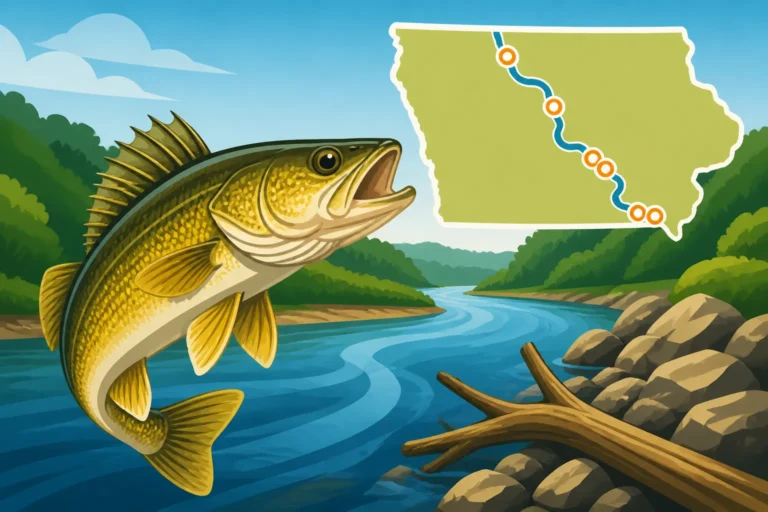
The mighty Mississippi River, forming Iowa's entire eastern border, is an angling playground unlike any other in the state. Its vast expanse of diverse habitats – from deep main channels to shallow backwaters, wing dams, and sloughs – supports an incredible array of fish species. Fishing the Mississippi is a dynamic experience, constantly changing with water levels, current, and seasons, making it a place where knowledge and adaptability pay off handsomely. It's a truly unique ecosystem that offers something for every type of angler, whether you're chasing elusive flatheads or filling a cooler with panfish.
Fishing the Upper Pools (9-12): Walleye, Bass, and Panfish
The upper pools of the Mississippi River, specifically from Pool 9 near Lansing down to Pool 12 around Dubuque, are particularly productive and popular among Iowa anglers. These pools feature extensive backwater areas, countless wing dams, and numerous islands, creating complex habitats that hold fish. Walleye and sauger are primary targets in these sections, often found congregating below the locks and dams, in current seams, and along the faces of wing dams. Jigging with minnows or plastics, or slow-trolling crankbaits, are popular and effective techniques. Understanding the river's unique flow and structure is key to consistently locating these fish.
Beyond walleye and sauger, these pools are also fantastic for both largemouth and smallmouth bass. Largemouth bass thrive in the calmer, vegetation-rich backwaters and sloughs, often hiding around lily pads, submerged logs, and fallen trees. Spinnerbaits, topwater frogs, and Texas-rigged plastics are go-to baits. Smallmouth bass, on the other hand, prefer the rockier, current-swept areas of the main channel and around wing dams. Casting crankbaits, tubes, or senkos to rocky shorelines and current breaks can yield some incredible smallmouth action. Panfish like crappie and bluegill are also abundant in the backwaters, especially around brush piles and timber, making it a well-rounded fishery. For a deeper dive into one of these prolific sections, check out our guide on Mississippi River Pool 9 Fishing.
Wing Dams and Backwaters: Structure Fishing Secrets
Two of the most iconic and productive structures on the Mississippi River are its wing dams and backwater areas, each demanding different approaches but offering incredible rewards. Wing dams are man-made rock structures built to constrict the current, maintaining the main channel depth for navigation. Fish of all species absolutely love them. Walleye and sauger often position themselves in the current breaks on the downstream side of these structures, waiting to ambush bait. Fishing with jigs, three-way rigs, or even anchoring upstream and casting crankbaits into the eddy can be highly effective. The deeper pockets and scour holes around the ends of wing dams are particularly prime locations.
Backwaters, conversely, offer a stark contrast to the swift main channel. These calmer, often shallower areas are teeming with vegetation, submerged timber, and brush, providing ideal habitat for largemouth bass, northern pike, and all sorts of panfish. Exploring these labyrinthine areas with a shallow-draft boat or even a kayak can lead to incredible fishing, especially during the warmer months. Look for areas with current breaks, shaded cover, and transitions in bottom composition. Small jigs, poppers, and weedless presentations are essential here. Understanding how fish use these structures at different times of the year is critical for consistent success on the river.
Seasonal Strategies for River Anglers
Fishing the Mississippi River effectively means adapting to its distinct seasonal changes. Spring brings rising water temperatures and often higher flows, triggering strong bites for walleye and sauger as they become more active after winter. This is also a fantastic time for white bass runs in tributary mouths. As summer progresses, fish generally move to deeper, more oxygenated water or seek out heavy cover in the backwaters. Catfish activity heats up significantly during the summer, particularly in the main channel and around deep holes, with stink baits and cut bait being top producers for channel cats, and live bait for flatheads.
Fall sees a resurgence in activity, often considered by many to be the best time for trophy walleye and sauger as they feed aggressively in preparation for winter. The cooler water also invigorates bass. Even winter offers opportunities, with ice fishing possible in many of the calmer backwater areas and sloughs once safe ice forms, targeting panfish and even some walleye. Throughout the year, always pay close attention to river levels and current speed, as these factors dictate fish location and feeding behavior more than almost anything else on this vast waterway. Knowing the current Iowa Fishing Season Dates and Limits is also paramount, as regulations can sometimes differ on border waters.
Iowa's Major Reservoirs: Big Water, Big Fish
Beyond the natural lakes, Iowa is home to several expansive reservoirs that provide incredible fishing opportunities, particularly for species that thrive in larger, often man-made, impoundments. These reservoirs, created primarily for flood control and recreation, offer diverse habitats from deep main lake basins to sprawling coves and submerged timber. Each one has its own unique character and draws different types of anglers, but they all share the common trait of offering big water and the chance for big fish.
Rathbun Lake: The Crappie Capital
Rathbun Lake, located in south-central Iowa near Centerville, proudly holds the title of "Iowa's Crappie Capital," and for very good reason. This massive reservoir consistently produces some of the state's largest and most numerous crappie. Anglers flock to Rathbun specifically for these panfish, finding success in a variety of locations and with different techniques. During the spring spawn, crappie move into shallower coves and brushy areas, where small jigs, minnows under a bobber, or even slow-trolled crankbaits can yield limits. As the water warms in summer, crappie often relate to deeper brush piles, submerged timber, and channel breaks, making vertical jigging or spider rigging with multiple poles highly effective.
But Rathbun isn't just about crappie. It also boasts excellent populations of walleye, channel catfish, and largemouth bass. Walleye fishing can be outstanding, particularly in the main lake basin over humps and points, with trolling crankbaits or presenting bottom bouncers and crawler harnesses being popular methods. The numerous coves and standing timber provide ample cover for largemouth bass, while the expansive mud flats and deeper channels are prime for channel catfish. FishingBooker lists several local guides who specialize in Rathbun's diverse fisheries, particularly for those targeting trophy crappie or walleye. For a deep dive into how to find those elusive panfish, our guide to Rathbun Lake Crappie Hotspots is essential reading.
Saylorville and Coralville Reservoirs: Catfish and More
North of Des Moines, Saylorville Reservoir is a popular destination, particularly for those seeking channel catfish and various panfish. The Des Moines River flows into and out of Saylorville, influencing its character and providing strong current flows in certain areas, especially below the dam. Catfish thrive in these conditions, often found in deep holes, along channel edges, and around submerged wood. Anglers frequently use stink baits, cut bait, or even live worms to target them from shore or boat. The reservoir also holds good numbers of crappie and white bass, which can offer exciting action, particularly during their seasonal runs.
Coralville Reservoir, near Iowa City, shares many similarities with Saylorville in terms of its diverse fishery, though it might be less recognized for its catfish. While catfish are definitely present and offer great angling, Coralville is also a strong producer of largemouth bass and various panfish. The reservoir features numerous coves, submerged timber, and fluctuating water levels that create dynamic fishing conditions. Bass anglers can find success flipping jigs or pitching plastics into heavy cover, while crappie and bluegill will relate to brush piles and submerged structure. Both Saylorville and Coralville Reservoirs offer excellent opportunities for bank anglers, with plenty of accessible shoreline and fishing piers. Understanding the nuances of Saylorville Reservoir Catfish Spots will give you a significant advantage when fishing this productive lake.
Red Rock Reservoir: Under-the-Radar Opportunities
Lake Red Rock, Iowa’s largest lake by surface area, is often overlooked by anglers in favor of other more renowned destinations. However, this expansive reservoir, located southeast of Des Moines, offers some truly fantastic, if sometimes challenging, fishing opportunities, particularly for those willing to explore. Red Rock is best known for its robust populations of channel catfish and flathead catfish. The river channels and numerous feeder creeks that flow into the lake provide ideal habitat for these whiskered predators. Setting trotlines or juglines in the deeper parts of the lake and using fresh cut bait or live bait can yield impressive results for large flatheads. Bank fishing for channel cats is also highly popular, especially below the dam.
While catfish are king, Red Rock also holds good numbers of white bass, which can offer incredible fast-paced action during their schooling periods, often breaking the surface as they chase baitfish. Walleye and crappie are present as well, though perhaps not in the same densities as Rathbun or Clear Lake. Anglers targeting walleye might focus on the main lake points and humps, while crappie can be found around submerged timber and brush piles in the many coves. The sheer size of Red Rock means there's always a new area to explore, and its often less-pressured waters can lead to some surprisingly productive fishing trips for those who put in the effort.
Northeast Iowa Trout Streams: Coldwater Gems
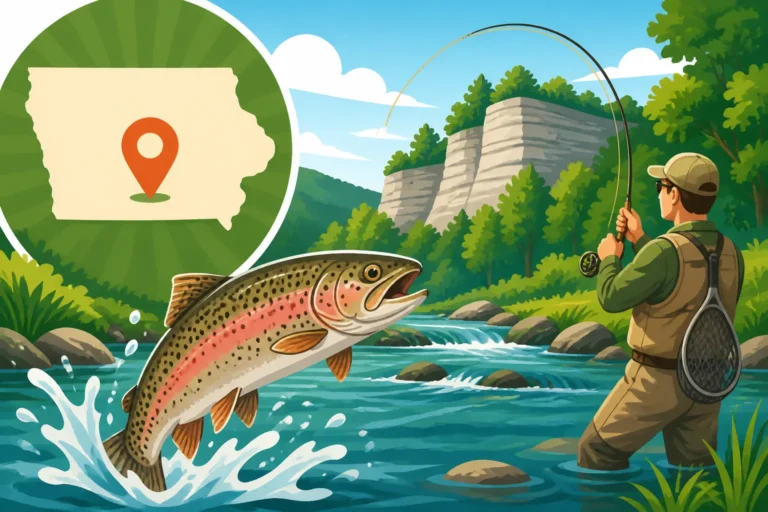
For anglers who dream of clear, cold water and the challenge of catching a beautiful trout, Northeast Iowa's Driftless Area is nothing short of a hidden gem. This unique geological region, characterized by steep valleys, spring-fed streams, and dense forests, provides the perfect habitat for trout. Unlike most of Iowa's warm water fisheries, these streams offer a completely different experience, requiring specific techniques and a deep appreciation for the natural beauty of the surroundings. It's a peaceful, rewarding endeavor that attracts both seasoned fly anglers and spin fishermen alike.
Designated Trout Waters: Finding Your Next Catch
Iowa's trout fishing program focuses primarily on streams within a 14-county region in the northeast. These are generally small, intimate streams, many of which are designated as "Trout Management Areas" by the Iowa Department of Natural Resources (DNR). These streams are fed by cold, clean spring water, which keeps water temperatures ideal for trout year-round. While many streams are regularly stocked with rainbow and brook trout, a select few also boast populations of wild brown trout, offering a truly challenging and rewarding experience for discerning anglers. Popular streams include those in Yellow River State Forest, like Paint Creek, or other well-known spots such as North Bear Creek, French Creek, and Bloody Run Creek. The DNR actively manages these waters, ensuring healthy fish populations and excellent access for anglers.
Before heading out, it's crucial to consult the Iowa DNR's trout stocking schedule and maps, which detail specific access points, parking areas, and which sections of streams are stocked. Some streams are designated "put-and-take" where the focus is on harvesting stocked fish, while others are "catch-and-release" or "special regulation" areas where wild trout conservation is paramount. Always double-check the current Iowa Trout Fishing Fee and Stamp Guide requirements, as a special stamp is required in addition to a regular fishing license to fish these unique waters.
Fly Fishing vs. Spin Fishing: Techniques for Success
Both fly fishing and spin fishing are highly effective methods for catching trout in Iowa's streams, and the choice often comes down to personal preference and stream conditions. Fly fishing, with its graceful casts and delicate presentations, is a quintessential trout fishing experience. Anglers often use dry flies to mimic insects hatching on the surface, nymphs to imitate subsurface larvae, or streamers to mimic baitfish. Techniques like "nymphing" where weighted flies are drifted along the bottom, or "dry-dropper" rigs (a dry fly with a nymph trailing below) are particularly popular and effective in these smaller, brush-lined streams. Accurate casting is key, as is a stealthy approach to avoid spooking the wary trout.
Spin fishing for trout is equally popular and can be incredibly effective, especially for beginners or when conditions favor slightly heavier presentations. Light spinning rods paired with small reels spooled with light line (2-4 lb test) are ideal. Popular lures include small inline spinners like Mepps or Panther Martin, tiny spoons, or micro jigs tipped with a piece of worm or scented soft plastic bait. Live bait such as worms, corn, or salmon eggs fished under a small bobber or drifted naturally can also be deadly, especially right after a stocking event. The key to both methods is understanding the currents, reading the water for potential holding lies (such as undercut banks, riffles, and pools), and presenting your bait or lure naturally. You can learn more about specific approaches in our guide to Trout Fishing Techniques for Iowa Streams.
Stocking Programs and Wild Trout
Iowa's robust trout stocking program is what makes trout fishing accessible to so many anglers. The Iowa DNR raises thousands of rainbow and brook trout annually at its hatcheries, primarily Manchester Hatchery and Decorah Hatchery, and regularly releases them into over 100 designated trout streams. These "put-and-take" stockings ensure that even those new to trout fishing have a good chance of success, and it supports the recreational demand for this unique fishery. Stocking usually occurs from spring through fall, and often even during the winter months in specially designated community trout ponds, offering year-round opportunities.
While stocked trout provide consistent action, the true prize for many experienced anglers is a wild brown trout. Unlike stocked fish, wild browns are naturally reproduced in these streams and are incredibly wary and challenging to catch. They tend to be larger, harder fighting, and possess a stunning, vibrant coloration. Streams known to hold wild brown trout often have stricter regulations, sometimes being designated as "catch-and-release" or "artificial lures only" to protect these self-sustaining populations. Finding and catching a wild brown trout is a testament to an angler's skill and dedication, offering a profound connection to the pristine natural environment of Northeast Iowa.
Rivers Beyond the Mississippi: Underrated Opportunities
While the Mississippi hogs much of the river fishing spotlight, Iowa is crisscrossed by a network of smaller, yet incredibly productive, rivers that offer fantastic angling experiences. These waterways, including the Des Moines, Cedar, Iowa, and Skunk Rivers, might not have the same grand scale as the Mississippi, but they provide intimate settings and excellent fishing for a variety of species, often with less pressure. They are true gems for those willing to explore beyond the biggest names on the map.
Des Moines River: Catfish and Smallmouth Adventures
The Des Moines River, the longest river entirely within Iowa, offers fantastic fishing opportunities as it winds its way across the state. It's particularly renowned for its channel catfish population. Anglers can find excellent catfishing in the deeper holes, along outside bends, and around snags and logjams. Cut bait, stink bait, and large worms are all effective. Many choose to fish from shore in city parks or along accessible stretches, while others prefer to drift or anchor from a boat. The urban stretches of the Des Moines River, particularly through the city of Des Moines, can be surprisingly productive, offering convenient access to good fishing right in the heart of the city.
Beyond catfish, the Des Moines River is also a fantastic smallmouth bass fishery, especially in its rockier, swifter sections, both upstream and downstream from major reservoirs like Saylorville. These feisty fighters love current and rocky structure. Casting crankbaits, jigs, or plastic tubes to rip-rap, bridge pilings, and rocky outcrops can yield exciting strikes. Largemouth bass and various panfish are also present in the slower-moving backwaters and oxbows along the river's course. The diverse habitat of the Des Moines River makes it a multi-species playground for those who learn its secrets.
Cedar and Iowa Rivers: Hidden Gems
The Cedar River, flowing through eastern Iowa, is another under-appreciated resource. It offers excellent fishing for channel catfish, flathead catfish, and a healthy population of smallmouth bass in its rockier sections. The river's varied flow and structure, including numerous riffles, pools, and occasional stretches of timbered banks, create diverse habitats. Anglers targeting smallmouth bass can do very well by casting spinnerbaits, crankbaits, or soft plastics around current breaks and rocky areas. Like the Des Moines, the Cedar River is also a consistent producer of catfish, especially during the warmer months.
Similarly, the Iowa River, another significant waterway in the eastern half of the state, provides great fishing for a similar mix of species. It's known for its abundant channel catfish, with many anglers finding success drifting cut bait or chicken liver in deeper holes. The river also supports strong populations of carp and buffalo, offering a fun challenge for those who enjoy fighting larger rough fish. White bass runs can also occur at certain times of the year, particularly near its confluence with the Mississippi. Both the Cedar and Iowa Rivers are often best fished from a small boat or kayak, allowing access to stretches that are less accessible from shore. Our guide to Iowa Fishing Regulations Explained is a crucial read before exploring these waters to ensure compliance with local rules.
Safety and Access on Iowa Rivers
Fishing Iowa's rivers, especially those with significant current or varying water levels, requires a strong emphasis on safety and knowing your access points. River conditions can change rapidly, particularly after heavy rains, leading to higher, swifter water and increased debris. Always check current river levels and forecasts before heading out. Wearing a life jacket, even if not required by law for your specific vessel, is highly recommended for all river anglers, especially those in kayaks or canoes.
Access to these rivers varies widely. Many towns along the rivers have public boat ramps or shore fishing access points, often located in city parks. The Iowa DNR also manages numerous public access areas along these rivers, providing parking and launch points. Exploring the Iowa Fishing Atlas Access Points online can help you locate these spots. For those without a boat, targeting areas below dams, near bridge pilings, or in slower-moving eddies can be productive from shore. Always be respectful of private property and ensure you have permission before crossing or fishing on private land. These rivers offer a fantastic opportunity for solitude and exceptional fishing, provided you approach them with respect and preparation.
Local Ponds and Urban Fisheries: Accessible Angling for Everyone
Not every great fishing trip needs to involve a remote wilderness excursion or a massive lake. Iowa is dotted with countless smaller bodies of water – from state park lakes to community ponds and even private farm ponds – that offer incredibly accessible and often surprisingly productive fishing, especially for families and those looking for a quick outing. These local fisheries are crucial for nurturing a love for angling, providing convenient spots close to home.
State Park Lakes and Community Ponds: Family-Friendly Fun
Iowa's State Parks are often home to beautiful, well-maintained lakes and ponds that are fantastic for fishing. Lakes like Lake Macbride, Big Creek Lake, Lake Anita, and Lake Darling are managed for recreational fishing and often feature amenities like boat ramps, fishing piers, and shoreline access. These lakes are typically stocked with a mix of species, including largemouth bass, bluegill, crappie, and channel catfish, providing diverse opportunities for anglers of all skill levels. They are excellent places to take kids, as panfish are often plentiful and eager to bite on simple baits like worms or small jigs.
Beyond state parks, many Iowa communities have established "community fishing ponds" within city limits. These ponds are often stocked regularly by the DNR, sometimes even with trout during the cooler months, specifically to provide convenient fishing access to urban residents. These ponds are usually easy to access, often feature paved paths and fishing piers, and are fantastic spots for a quick afternoon outing. The focus is generally on panfish and channel catfish, making them perfect for introducing new anglers to the sport. Our guide to the Best Fishing Piers in Iowa State Parks can point you to some great, accessible spots.
Farm Ponds: Bass and Bluegill Bonanza
For many Iowans, the quintessential fishing experience involves a private farm pond. These smaller, often secluded bodies of water are absolute goldmines for largemouth bass and bluegill. Because they are typically less pressured and often well-managed by landowners, farm ponds can produce surprisingly large fish and incredible action. The key, of course, is gaining permission from the landowner before you even think about casting a line. Respect for private property is paramount, and a polite request often goes a long way.
Farm ponds typically have abundant structure in the form of submerged vegetation, fallen trees, and weed lines, which are prime habitats for bass and bluegill. Largemouth bass can be found lurking along these edges, responding well to plastic worms, spinnerbaits, or topwater frogs fished over cover. Bluegill are often found in huge schools around any available structure, eagerly biting on small jigs, worms, or crickets under a bobber. The quiet, peaceful setting of a farm pond offers a unique connection to nature and some of the most consistent fishing in the state. Always remember to ask permission first and leave the pond cleaner than you found it. You can learn more about rules for fishing on private property through our guide to License Rules for Fishing on Private Property.
Shore Fishing and Handicap-Accessible Spots
Iowa's commitment to providing accessible fishing for everyone is evident in the numerous shore fishing opportunities and handicap-accessible piers available across the state. Many of the lakes and ponds mentioned, including those in state parks and community fisheries, are designed with extensive shoreline access, allowing anglers to cast from solid ground without the need for a boat. These areas are often well-maintained, providing safe and comfortable environments for fishing.
Additionally, the Iowa DNR and local parks departments have invested in constructing numerous handicap-accessible fishing piers. These piers are built to ADA standards, featuring stable surfaces, railings, and often shaded areas, allowing individuals with mobility challenges to enjoy the sport. Places like Big Creek Lake near Des Moines, Lake Macbride near Iowa City, and many community ponds offer excellent accessible options. These initiatives ensure that the joy of fishing is truly for everyone in Iowa, making it easier to enjoy a day on the water, regardless of physical ability.
Planning Your Iowa Fishing Adventure
Embarking on a successful fishing trip in Iowa, whether it's to a trophy lake or a quiet stream, requires a bit of planning. While spontaneity is part of the fun, a little preparation goes a long way in maximizing your chances of success and ensuring a safe, enjoyable experience. From having the right gear to understanding local regulations, being prepared is key.
Essential Gear and Local Bait Shops
Having the right tackle for the species and water you're targeting is fundamental. For general multi-species fishing in Iowa, a medium-light spinning rod and reel combo spooled with 6-10 lb monofilament or braided line is a versatile choice, capable of handling everything from panfish to decent-sized bass and walleye. If you're targeting bigger species like muskie or large catfish, a heavier rod and reel setup with stronger line will be necessary. Don't forget a tackle box stocked with a variety of lures, hooks, sinkers, and bobbers. For panfish, small jigs, worms, and bobbers are a must. For bass, plastic worms, spinnerbaits, and crankbaits are go-to choices. Walleye often respond to jigs, minnows, or crawler harnesses.
Supporting local bait shops is also a crucial part of the Iowa fishing experience. These establishments, found in nearly every fishing community, are invaluable resources. They not only provide fresh live bait (minnows, worms, leeches, crickets) and a wide selection of tackle, but their owners and staff are often seasoned local anglers with up-to-the-minute information on what's biting, where, and on what. They can offer insights into recent stocking reports, water conditions, and even point you to those lesser-known, productive spots. Think of them as your first point of contact for local knowledge.
Checking Regulations and Forecasts
Before every fishing trip, it is absolutely paramount to consult the current Iowa Fishing Regulations Explained. These regulations cover everything from license requirements and daily bag limits to length limits for specific species and specific bodies of water. Regulations can vary significantly between lakes, rivers, and even sections of the same river (especially border waters), and they are subject to change annually. Ignorance of the law is no excuse, and violations can lead to hefty fines and loss of fishing privileges. The Iowa DNR website is the best place to find the most up-to-date information, or you can pick up a physical copy of the fishing regulations booklet at most bait shops or county recorder offices. Make sure your Iowa Fishing License Guide is current.
Equally important is checking the weather forecast and water conditions. Wind, temperature, and precipitation can all dramatically affect fish behavior and angler comfort. For river fishing, paying attention to river levels and current speed is critical for both safety and success. High, muddy water after a heavy rain can make fishing challenging, while a stable forecast with ideal temperatures can signal a hot bite. Being prepared for the conditions, whether it means rain gear, warm layers, or extra water on a hot day, will ensure a more comfortable and productive outing.
Hiring a Guide or Using Resources
For those who are new to Iowa fishing, looking to target a specific species, or wanting to explore a new body of water, hiring a local fishing guide can be an incredibly valuable investment. Experienced guides possess intimate knowledge of the local waters, fish behavior, and effective techniques. They can put you on fish quickly, teach you specific tactics, and provide all the necessary gear, transforming a potentially frustrating day into a memorable and successful one. Platforms like FishingBooker connect anglers with reputable local guides across Iowa, making it easy to find an expert for your chosen destination, whether it's for walleye on the Great Lakes or catfish on the Mississippi.
In addition to guides, there's a wealth of online resources available to Iowa anglers. The Iowa DNR website offers fishing reports, stocking schedules, and an interactive fishing atlas. Various online forums and social media groups dedicated to Iowa fishing provide a platform for anglers to share information, tips, and recent catches. Utilizing these resources can significantly enhance your fishing knowledge and help you plan your trips more effectively, ensuring you're always in the right place at the right time.
Disclaimer
Please remember that fishing conditions and regulations can change rapidly. Always consult the latest Iowa Department of Natural Resources (DNR) fishing regulations and local advisories before heading out on any fishing trip. This guide is for informational purposes only and does not supersede official state regulations. Practice safe boating and fishing habits, and always prioritize conservation for future generations of anglers.