Can You Keep a Tiger Muskie in Iowa?
Many anglers, after countless casts and the thrill of a monumental strike, find themselves wondering about the rules for keeping a true freshwater giant like the tiger muskie in Iowa. It's a common dilemma – you've landed a fish that embodies effort and patience, and now you're faced with strict regulations designed to protect these incredible predators. This comprehensive guide will clear up the confusion, explaining Iowa's specific rules for tiger muskies, the crucial role of catch and release, and how you can be a responsible steward of this unique fishery.
Understanding the Iowa Tiger Muskie Landscape
The world of muskie fishing holds a special mystique, and in Iowa, the tiger muskie adds another layer of intrigue. These incredible fish are often the subject of dreams and the goal of dedicated anglers.
The Enigmatic Tiger Muskie: A Hybrid Marvel
Let's start with the basics: what exactly is a tiger muskie? Unlike their purebred cousins, the muskellunge (often simply called muskie), tiger muskies are a fascinating hybrid. They're a cross between a true muskellunge and a northern pike, and you can usually spot them by their distinctive, wavy, tiger-like stripes or spots on a lighter body, differentiating them from the more spotted muskie or the bean-shaped spots of a northern pike. This hybrid vigor means they can grow quite large and put up an incredible fight, often exhibiting the aggressive nature of a pike combined with the elusive, powerful fight of a muskie.
The reason Iowa, and many other states, stock tiger muskies is quite strategic. These fish are almost always sterile, meaning they cannot reproduce on their own. This characteristic allows fisheries managers to introduce a large, hard-fighting sport fish into waters where pure muskies might struggle to establish a self-sustaining population, or where a different kind of angling challenge is desired. Because they don't reproduce, their populations can be carefully managed through stocking, creating fantastic opportunities for anglers without concerns about uncontrolled breeding.
The mere mention of a "tiger muskie" sends a ripple of excitement through the angling community. They are a rare and coveted catch, known for their explosive strikes and powerful runs. Landing one is often considered the pinnacle of freshwater fishing, a testament to an angler's skill and persistence. This allure contributes significantly to the conservation-minded approach surrounding these magnificent fish.
Where to Find Tiger Muskie in Iowa Waters
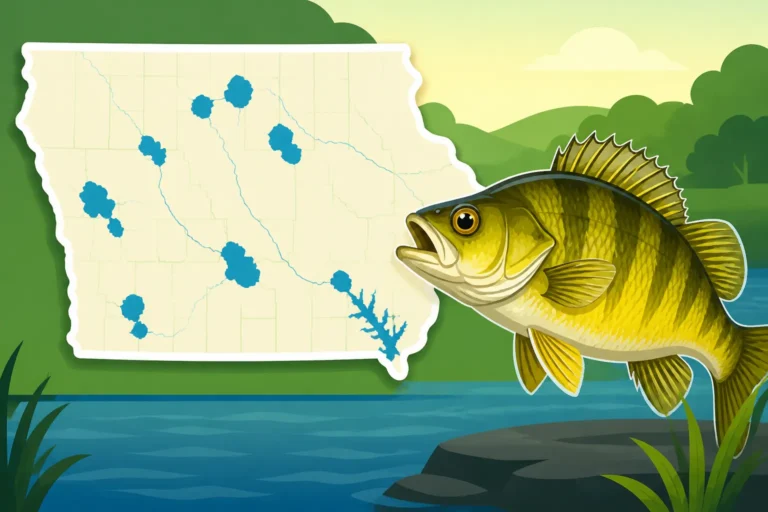
While not as widespread as some other species, tiger muskies are indeed present in certain Iowa lakes and reservoirs, thanks to diligent stocking efforts by the Iowa Department of Natural Resources (DNR). Generally, you'll find these impressive fish in larger, clearer water bodies that offer ample forage and suitable habitat. They thrive in environments with good weed beds, submerged timber, and deep-water structure where they can ambush prey. While I can't give you exact stocking schedules or guarantee a catch, anglers often report success in well-known muskie lakes across the state. For more general insights into targeting these fish, you might want to read our guide on Muskie Fishing in Iowa.
Finding tiger muskies isn't just about knowing which lake; it's about understanding their preferences within that lake. They are ambush predators that rely on cover and structure. This means looking for areas with sharp drop-offs, expansive submerged weed lines, rock piles, or old timber. These features provide ideal hiding spots from which they can launch their lightning-fast attacks on unsuspecting prey like suckers, panfish, or even smaller bass. Their preference for specific habitats makes them a challenging but rewarding target.
The challenge of locating these fish is part of their appeal. Unlike panfish that might congregate in easily identifiable schools, muskies are solitary hunters that cover vast amounts of water. This means anglers often spend hours, or even days, methodically casting large lures to cover potential ambush points. Success often comes down to patience, persistence, and a keen understanding of the water you're fishing.
Why Anglers Target This Apex Predator
The phrase "fish of 10,000 casts" wasn't coined for nothing – it perfectly encapsulates the dedication required to pursue muskies, including their tiger counterparts. Anglers who chase these titans aren't just looking for a meal; they're seeking an experience. It's the thrill of the hunt, the sudden, violent strike, and the epic battle that ensues, testing both angler and gear to their limits. A muskie on the line is an unforgettable adrenaline rush.
Targeting tiger muskies requires specialized gear and a serious commitment. You're not using ultralight tackle here! We're talking heavy-duty rods, stout reels, and robust lines capable of handling a fish that can exceed 40 or even 50 inches in length and weigh dozens of pounds. Lures are often large, requiring significant effort to cast and retrieve hour after hour. This dedication to the sport, and the sheer challenge involved, builds a community of highly passionate and often conservation-minded anglers.
Ultimately, for most muskie enthusiasts, the true reward isn't found in the cooler, but in the moment of release. The opportunity to witness such a magnificent creature up close, measure it, quickly snap a photo, and then watch it swim away, ready to fight another day, is often more satisfying than any fillet. This philosophy is deeply ingrained in the muskie fishing culture, and it's particularly vital for a species like the sterile tiger muskie.
Navigating Iowa's Tiger Muskie Regulations
When it comes to tiger muskies, Iowa's fishing regulations are designed with conservation and trophy potential in mind. It's absolutely critical to understand these rules before you even think about putting one in your cooler.
The Strict Rules on Keeping Tiger Muskie
So, to directly answer the burning question: Can you keep a tiger muskie in Iowa? The short answer is: Yes, but under very specific and stringent conditions. Iowa's regulations surrounding muskellunge, which include tiger muskies, are notably restrictive, reflecting their status as a trophy fish and the investment in their stocking programs. Typically, these regulations involve a very high minimum length limit – often 40 inches or more – and a low daily bag limit, usually just one fish per angler per year. This isn't a fish you just stumble upon and decide to take home; it's a rare and carefully managed resource. To fully grasp the broader context of fishing rules in the state, consult our comprehensive resource on Iowa Fishing Regulations Explained.
The rationale behind such strict rules is clear: conservation. Tiger muskies are either stocked or, in the case of pure muskies, are slow-growing fish with complex reproductive cycles (though this doesn't apply to the sterile tiger muskie directly, the regulations often lump them together with pure muskies for consistency and conservation goals). By enforcing high minimum length limits, the DNR ensures that most fish have the opportunity to grow to a substantial size, contributing to the "trophy" nature of the fishery. A low bag limit prevents overharvesting, allowing more anglers to experience the thrill of catching one of these magnificent fish in the future.
It cannot be stressed enough: always, always check the current Iowa DNR fishing regulations booklet or website before heading out. Regulations can vary significantly by specific water body, and they are subject to change from year to year. What was legal last season might not be this season, and rules for one lake might be different for another. For example, some specific waters might have even tighter restrictions or unique nuances to their muskie management. Don't rely on old information or hearsay; verify the current Muskie Season and Bag Limit and if there is Is There a Size Limit for Muskie? that you need to be aware of.
The Catch-and-Release Imperative
For muskie anglers in Iowa, catch and release isn't just a suggestion; it's a widely adopted and highly respected philosophy. Because tiger muskies are sterile and rely entirely on stocking, releasing every fish possible ensures that the limited number of these trophy fish remain in the system for other anglers to enjoy and to grow even larger. This practice directly contributes to the quality of the fishery for everyone.
Think of it this way: every tiger muskie released is an investment in future angling opportunities. It's a testament to the community's desire to maintain Iowa's reputation as a destination for serious muskie fishing. This sustained population means more chances for anglers to hook into a true giant, creating a shared resource that continually regenerates itself, at least through the DNR's stocking programs. Without a strong catch-and-release ethic, these fisheries would quickly diminish.
Beyond the practical benefits, there's an ethical component to catch and release. It demonstrates profound respect for the fish itself, recognizing its value as a living creature and a challenging adversary. It's about appreciating the fight, the beauty of the animal, and the wilderness experience, rather than solely focusing on the harvest. This mindset is deeply rooted in the muskie fishing culture, fostering a sense of stewardship among anglers.
Understanding Penalties for Non-Compliance
Violating Iowa's fishing regulations, especially for a highly managed species like the muskie, carries serious consequences. These aren't minor infractions; wildlife enforcement officers take these rules very seriously because of the significant conservation effort and expense that goes into maintaining these fisheries. Anglers caught keeping an undersized muskie, exceeding the bag limit, or fishing without a valid license can face substantial penalties.
These penalties can include hefty monetary fines, which can easily run into hundreds or even thousands of dollars. Beyond the financial hit, you could also face confiscation of your fishing gear, including expensive rods, reels, and even your boat. Perhaps most impactful for a dedicated angler, violating regulations can lead to the suspension or revocation of your fishing privileges for an extended period, meaning you won't be able to enjoy the waters you love. For a more general understanding of potential repercussions, you might review What Happens If You Fish Without a License in Iowa, as similar principles apply to other serious violations.
The message from the Iowa DNR is clear: ignorance of the law is not an excuse. As an angler, it is your responsibility to know and abide by all current fishing regulations for the waters you intend to fish. Taking the time to read the regulations booklet or visit the DNR's website before each outing is a small effort that can save you a lot of grief and ensure you're contributing positively to the resource, not detracting from it.
Mastering Responsible Catch and Release for Tiger Muskie
Because the vast majority of tiger muskies caught in Iowa are released, knowing how to do it properly is just as important as knowing the regulations. Proper handling can mean the difference between a fish that swims away strong and one that succumbs to stress or injury.
Equipping Yourself for Muskie Handling
Landing and releasing a large tiger muskie requires specialized tools to ensure the fish's safety and, frankly, your own. These aren't just "nice-to-haves"; they are essential components of responsible muskie fishing. First and foremost, you need long-handled needle-nose pliers or jaw spreaders. These tools allow you to safely remove hooks without putting your hands near a muskie's razor-sharp teeth, which can cause severe injury. Their jaws are incredibly powerful, and a bite can be debilitating.
Next, bolt cutters are a non-negotiable item. While it might sound extreme, if a hook is deeply embedded or difficult to remove quickly, the fastest and safest option for the fish is to cut the hook, allowing it to remain in the fish where it will eventually rust out, rather than attempting to rip it free. Tearing tissue causes far more damage and stress than a small piece of metal. Make sure your bolt cutters are robust enough for treble hooks! You can find a good selection of these crucial tools, including specialized muskie pliers and cutters, on platforms like Amazon.
Finally, a large, knotless rubber landing net and a measuring board are vital. The net should be big enough to fully contain the muskie, preventing it from flopping on the boat deck or bank, which causes immense stress and strips its protective slime coat. Knotless rubber minimizes scale damage and prevents hooks from getting tangled. A proper measuring board allows for quick and accurate length assessment, often without removing the fish from the water entirely. For insights into suitable netting, you might also find relevant information in Best Landing Net for Catfish, which often shares similar principles for handling large, powerful fish.
The Art of a Successful Muskie Release
The goal of catch and release is to ensure the fish survives and thrives after being caught. The primary rule for muskie is keep the fish in the water as much as possible. Minimize its air exposure to just a few seconds for a quick photo, if desired. When handling, always support the fish horizontally, supporting its belly to prevent internal organ damage, especially if it's a heavy fish. Never hold a large muskie vertically by the jaw or tail, as this puts immense strain on its spine and internal organs.
When it comes to hook removal, speed and precision are key. With your pliers or jaw spreaders, work quickly but carefully to extract the hooks. If a hook is deeply set or the fish is particularly agitated, don't hesitate to use those bolt cutters to snip the hook. The less time the muskie is out of the water and struggling, the better its chances of survival. Understanding these precise methods is a key part of Iowa Fishing Techniques Guide when targeting such sensitive species.
After hook removal, the revival process is crucial. Gently hold the muskie in the water, supporting its belly, and allow fresh, oxygenated water to flow over its gills. If you're in a current, face the fish into it. If not, gently move it back and forth to force water through its gills. Watch for signs of recovery: the gills will start moving rhythmically, and the fish will begin to kick its tail and try to swim away. Don't rush it; let the fish recover fully on its own terms before releasing your grip. Only release it when it swims away under its own power.
When a Muskie Becomes a "Keeper" (Hypothetically Speaking)
Let's be clear: the circumstances under which a tiger muskie becomes a "keeper" in Iowa are exceptionally rare, and most dedicated muskie anglers choose to release even legal fish. A tiger muskie only becomes a legal keeper if it meets all current, specific Iowa DNR regulations for the particular water body you are fishing. This means it must be equal to or exceed the minimum length limit (often 40 inches or more), and you must be within the daily and annual bag limits (typically one fish per angler per year). Missing even one of these criteria means it is illegal to keep the fish.
Even if you catch a tiger muskie that technically meets the legal requirements, many anglers choose to release it. This ethical choice is driven by the desire to promote the trophy fishery and contribute to the overall health and size structure of the muskie population. The muskie community largely embraces a catch-and-release ethos, understanding that these fish are more valuable in the water, growing larger, and offering future angling opportunities.
However, should you decide to keep a legally caught tiger muskie, proper care for consumption is paramount. The fish should be immediately dispatched humanely, bled, and placed on ice to preserve its quality. Respecting the catch means ensuring it is handled properly from the moment it leaves the water to the moment it's prepared. Documenting such a rare catch should also be done respectfully, with an understanding of the conservation efforts that made the opportunity possible.
The Future of Tiger Muskie Fishing in Iowa
The continued presence of tiger muskies in Iowa's waters is a testament to ongoing conservation efforts and the dedication of anglers. Preserving this unique fishery requires a collaborative approach from both state agencies and the fishing community.
The Role of Conservation and Stocking Programs
The Iowa Department of Natural Resources (DNR) plays a pivotal role in sustaining tiger muskie populations. Since these hybrid fish are sterile and do not reproduce naturally, their very existence in Iowa's waters depends entirely on planned stocking programs. The DNR actively manages these programs, raising tiger muskie fingerlings in hatcheries and then strategically releasing them into designated lakes and reservoirs across the state. These efforts are carefully planned to enhance sport fishing opportunities while maintaining ecological balance.
These stocking programs, along with broader conservation initiatives, require significant resources. Much of this funding comes directly from the sale of fishing licenses and, in some cases, specific fees or stamps that contribute to fishery management. Just as a special fee helps support trout streams, as outlined in our Iowa Trout Fishing Fee and Stamp Guide, general license sales support a wide array of fish species, including muskie. This financial commitment from anglers is crucial, directly enabling the DNR to continue these valuable stocking efforts, ensuring that future generations have the chance to experience the thrill of catching a tiger muskie.
Beyond stocking, the DNR conducts ongoing research and monitoring of muskie populations. This involves tracking fish growth rates, survival rates, and angler catch data. This scientific approach allows them to fine-tune stocking numbers, adjust regulations as needed, and ensure the long-term health and viability of the muskie fishery. It's a continuous cycle of assessment and adaptation, all aimed at creating the best possible angling experience while protecting the resource.
How Anglers Can Contribute to Muskie Conservation
Anglers are the frontline stewards of Iowa's tiger muskie fishery. One of the most impactful ways you can contribute is by becoming knowledgeable about muskie and their needs, and then sharing that knowledge. Educate fellow anglers, particularly those new to muskie fishing, about the importance of proper handling, catch-and-release techniques, and current regulations. Leading by example sets a positive standard for the entire community.
Supporting conservation efforts goes beyond just releasing fish. This means consistently purchasing your fishing licenses, which directly fund the very programs that stock tiger muskies. It also means promptly reporting any observed fishing violations to the Iowa DNR. Seeing someone knowingly break the rules regarding muskie limits or sizes hurts everyone, as it undermines the collective effort to maintain a healthy fishery. Every report helps protect the resource. You can find robust educational materials and even specialized muskie handling gear to support these efforts on sites like Amazon, further enhancing your ability to be a responsible angler.
Ultimately, the future of tiger muskie fishing in Iowa rests on a shared sense of responsibility. By embracing the catch-and-release ethic, staying informed about regulations, supporting conservation through license purchases, and actively participating in stewardship, anglers ensure that the legacy of chasing these magnificent, striped giants continues for generations to come. Your actions on and off the water directly impact the quality and availability of this incredible angling experience.
Disclaimer
This article is for general informational purposes only and does not constitute professional advice. Laws, prices and regulations vary by location and change over time. Consult a qualified professional for guidance on your specific situation.