Red Rock Reservoir Fishing Spots
Fishing at a massive, dynamic body of water like Red Rock Reservoir can feel like trying to find a needle in a haystack. Its constantly fluctuating water levels and vast expanse often leave anglers scratching their heads, wondering where the fish are hiding. This comprehensive guide is designed to cut through that confusion, giving you the lowdown on the best fishing spots at Red Rock, the species you'll find, and practical strategies to help you land more fish, even when the conditions are challenging.
Understanding Lake Red Rock's Unique Environment
Lake Red Rock, Iowa's largest lake by surface area, isn't your typical placid fishing hole. It's a powerhouse flood control reservoir on the Des Moines River, and that means its character is constantly shaped by the river's flow and water levels. This dynamic environment can be frustrating, but it also creates unique opportunities for those who understand its rhythms.
The Mighty Des Moines River Influence
At its heart, Red Rock Reservoir is a big section of the Des Moines River, and that riverine influence is everything. When the river is running high, especially after heavy rains, you'll see a significant increase in water flow and turbidity (muddy water) throughout the reservoir. This can push fish into more stable areas, like coves, backwaters, or deeper structure where they can escape the current and murk. The sheer volume of water entering the system also means a constant replenishment of nutrients and baitfish, which, while sometimes making finding fish harder, ensures a healthy ecosystem overall.
Conversely, during periods of low flow, the water can clear up, and fish might spread out more, or hold tightly to the defined river channel that still exists beneath the reservoir's surface. Understanding the river's current state is often the first step in unlocking Red Rock's fishing potential. It's not just about looking at the lake itself, but thinking about what's happening upstream.
Reservoir Characteristics and Structure
Beyond the river's influence, Red Rock boasts a diverse underwater landscape. While much of it can appear as a vast, open expanse, there's plenty of structure if you know where to look. The lake has an average depth of around 16 feet but drops to over 50 feet in the old river channel near the dam. The bottom composition varies from silty flats, particularly in shallower, less current-affected areas, to rocky points and riprap along shorelines and causeways.
Perhaps the most significant structural feature is the abundance of submerged timber. Before the reservoir was filled, vast tracts of timber were left standing, and these underwater forests now provide crucial cover, ambush points, and spawning habitat for many species. Learning to "read" your electronics to identify these submerged trees and the old river channel contours will be key to consistent success. The ever-changing water levels mean that features visible one week might be submerged the next, adding another layer of challenge and excitement for the angler.
Prime Species to Target at Red Rock Reservoir
Red Rock Reservoir might not have the clear-water Walleye reputation of some of the Iowa Great Lakes, but it's a fantastic fishery in its own right, especially for certain species that thrive in its nutrient-rich, often turbid waters.
Catfish: The Reservoir's Abundant Fighter
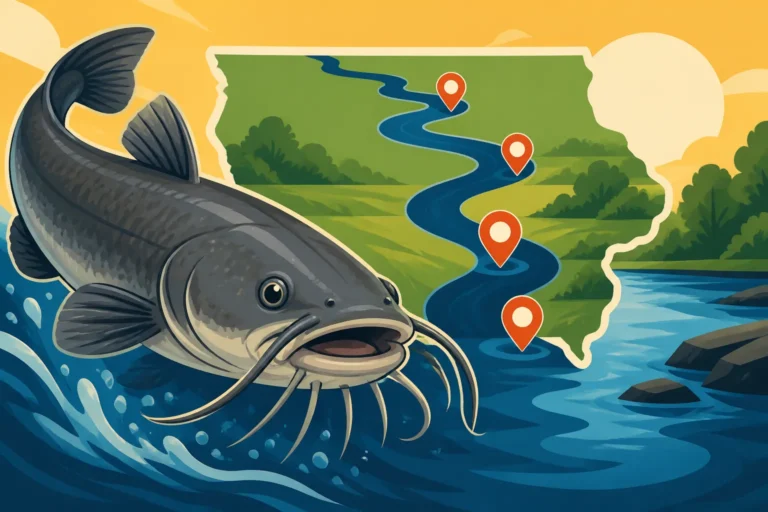
If there's one fish that truly calls Red Rock home, it's the catfish. Both Channel Catfish and Flathead Catfish thrive here, offering exciting action for anglers willing to target them. Channel cats are incredibly abundant, found throughout the reservoir in deep holes, along the edges of the main river channel, and congregating around log jams and riprap banks. They're opportunistic feeders, readily taking a variety of baits. For a deeper dive into targeting these whiskered warriors, check out our guide on Channel Catfish Fishing in Iowa.
Flathead catfish, the bigger, more solitary cousins, prefer the heaviest cover. You'll find them lurking in the deepest log jams, beneath undercut banks, and in the snaggiest sections of the old river channel. They're primarily piscivorous, meaning they prefer live bait like sunfish or suckers, making them a challenging but highly rewarding target. Night fishing for flatheads is particularly popular and effective, especially during the warmer months when these nocturnal predators are most active. Many anglers even book trips with local guides via platforms like FishingBooker to learn the nuances of landing these impressive fish.
Walleye and White Bass: Feast or Famine
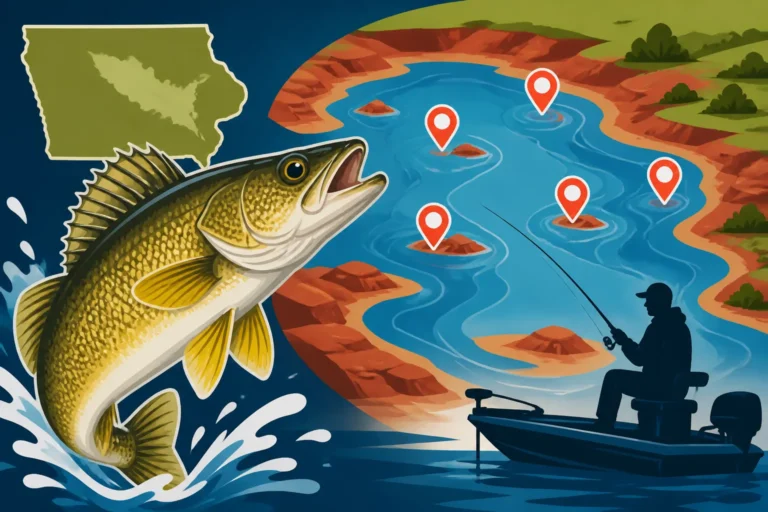
Walleye fishing at Red Rock can be a bit more inconsistent than at other Iowa lakes, often characterized by periods of feast or famine. However, when you hit it right, the Walleye bite can be phenomenal. These fish tend to follow the main river channel and congregate around rocky points, submerged humps, and current breaks. They're particularly active during the spring spawn when they move upstream into the Des Moines River and the reservoir's upper reaches, and again in the fall as they feed aggressively. Trolling crankbaits or jigging spoons and plastics are popular techniques for covering water and finding active fish. If you're looking for more general strategies, our Walleye Fishing in Iowa guide can provide broader insights.
White Bass, often overlooked, are another exciting species at Red Rock, especially when they're schooling. These aggressive fighters can provide fast-paced action, particularly in the summer and fall. Look for them busting baitfish on the surface, or use your electronics to find large schools holding over submerged structure or along channel edges. Small spoons, inline spinners, and Kastmasters are excellent choices when the white bass are on the hunt.
Crappie and Other Panfish: Hidden Gems
Crappie fishing at Red Rock, while often overshadowed by the catfish, can be incredibly rewarding, especially during spring and fall. Both Black Crappie and White Crappie are present, with white crappie generally more tolerant of turbid water. They love to relate to structure, making those submerged timber stands, brush piles, and bridge pilings their prime real estate. Vertical jigging with small jigs or minnows around these cover areas is a highly effective strategy. Spring, as water temperatures rise and crappie move shallow to spawn, offers some of the best opportunities. For detailed techniques, our Crappie Fishing in Iowa guide has a lot to offer.
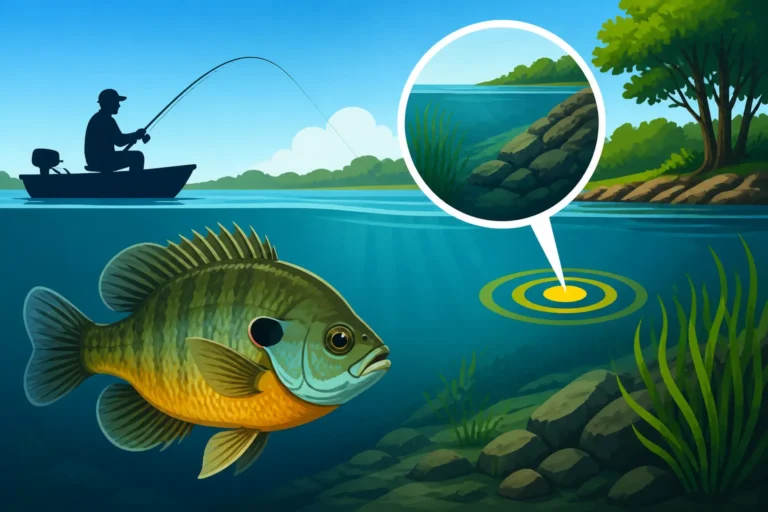
While not the primary target for most Red Rock anglers, you'll also find a healthy population of Bluegill and other sunfish, particularly in the calmer, shallower coves with plenty of weed growth or submerged wood. They're perfect for a relaxed afternoon with a bobber and a worm, offering family-friendly fun and a chance to enjoy the reservoir's quieter corners.
Top Fishing Spots and Access Points at Red Rock
Navigating Red Rock Reservoir's vastness requires knowing where to focus your efforts. Certain areas consistently hold fish due to their unique structure, current, or depth.
The Dam Area and Tailwaters
The area immediately below the Red Rock Dam, often referred to as the tailwaters, is an absolute hotspot, especially for Walleye and Catfish. The turbulent water released from the dam creates a highly oxygenated environment with abundant baitfish, drawing in predators. Anglers frequently cast jigs, crankbaits, or live bait into the swirling currents. This area offers excellent shore fishing access and is easily reachable for boaters launching nearby. However, exercise extreme caution here; the currents are powerful, and water levels can change rapidly. Safety should always be your top priority when fishing below any dam. This area is essentially a rich section of the Des Moines River, and if you're interested in the broader river system, our guide to Fishing the Des Moines River in Iowa can provide more context.
Above the dam, the main lake basin near the dam structure itself offers deep water and rocky points that can hold Walleye and Catfish. The riprap along the dam embankment is a prime location for channel catfish, especially in the evenings.
Elk Rock State Park & South Overlook
On the reservoir's southern shore, Elk Rock State Park and the nearby South Overlook recreation area offer some of the best and most accessible fishing spots. Elk Rock features numerous coves, points, and timbered areas that are prime for Crappie, Bass, and Catfish. You can find excellent Shore Fishing Access Near Des Moines areas here, including fishing jetties and bank access along calmer sections. These spots are particularly productive in spring and fall when fish are shallower.
The South Overlook boasts a marina and multiple boat ramps, making it a popular launching point for anglers wanting to explore the main lake. Around the marina and its associated structures, you'll often find crappie and white bass congregating. The deeper water close to the main channel here can also hold good numbers of walleye. Look for submerged brush piles that park staff or local anglers have created, which serve as magnets for panfish.
Lake Red Rock's River Channels and Tributary Arms
The most consistent fishing on Red Rock often happens along the contours of the original Des Moines River channel that winds through the reservoir. This submerged channel provides a natural highway and deep-water refuge for fish. Using a good fish finder to locate the channel edges, especially where they intersect with humps, points, or submerged timber, is crucial. Walleye, Catfish, and White Bass will often hold tight to these breaks, especially when current is present.
Additionally, the major tributary arms like Whitebreast Creek and English Creek offer excellent fishing opportunities, particularly in their lower reaches where they meet the main reservoir. These creek arms tend to be shallower and warm up faster in the spring, drawing in crappie, bass, and channel catfish looking for spawning areas. As summer progresses, the deeper bends and standing timber within these arms provide cooler water and cover for fish. Exploring these areas with a boat, paying close attention to structure and depth changes, can yield fantastic results.
Seasonal Fishing Strategies for Red Rock Reservoir
Red Rock's dynamic nature means that fishing success often hinges on adapting to the season. The fish's behavior, locations, and preferred baits will change dramatically throughout the year.
Spring Fishing: The Spawn and Post-Spawn Bite
Spring is arguably one of the most exciting times to fish Red Rock. As the ice melts and water temperatures begin to climb into the 50s and 60s Fahrenheit, the reservoir comes alive. This is when the annual spawning rituals begin. Channel Catfish move into shallower, warmer coves and riprap areas to spawn, becoming aggressive feeders. Crappie also push into shallow brush and timber, often in as little as 2-5 feet of water, making them accessible to both boat and shore anglers. Small jigs, minnows, and spinnerbaits are incredibly effective during this period. Many anglers consult local guides, often found through services like FishingBooker, to learn the hot spots for the spring crappie bite.
Walleye, meanwhile, will often make their upstream migration into the Des Moines River and the upper reservoir sections to spawn. After the spawn, they'll slowly filter back into the main lake, often relating to current breaks and rocky points. Our general guide to Spring Fishing in Iowa offers broader tips that apply well to Red Rock's spring awakening.
Summer Fishing: Deep Water and Night Tactics
As summer temperatures soar and the water warms, fish in Red Rock tend to move to deeper, cooler, more oxygenated waters. This is when the main river channel and the deepest sections of the lake become key. For Catfish, especially Flatheads, summer nights are prime time. Drifting cut bait or live bait along the channel edges or near deep log jams is highly effective. If you're specifically interested in nocturnal angling, our Night Fishing Techniques for Catfish guide is an excellent resource.
White Bass will often school up in the main lake basin, chasing baitfish. Look for them with your electronics, or watch for surface activity, particularly in early mornings or late evenings. Trolling crankbaits at various depths can also help locate active schools of Walleye and White Bass. During the day, Crappie will retreat to the deepest submerged timber or bridge pilings, requiring precise vertical jigging to tempt them.
Fall Fishing: Feeding Frenzy Before Winter
Fall at Red Rock is a period of renewed activity as fish begin their pre-winter feeding frenzy. As water temperatures cool and the lake undergoes its "turnover" (where the water column mixes), fish often become very active and can be found at a variety of depths. White Bass and Walleye will actively chase baitfish, often schooling up tightly. Trolling crankbaits, casting spoons, or jigging can be highly productive.
Catfish remain active throughout the fall, and some of the biggest Flatheads are often caught during this season as they fatten up. Focusing on deep holes and heavy cover in the river channel remains effective. Crappie also move shallower again, similar to spring, often congregating around brush piles and remaining submerged timber, providing another excellent opportunity for panfish anglers. The cooler temperatures and vibrant fall foliage also make for a much more pleasant fishing experience. For general fall fishing advice, take a look at our Fall Fishing in Iowa article.
Essential Gear and Tips for Red Rock Success
Being prepared with the right gear and knowledge can significantly boost your success rate on a challenging reservoir like Red Rock. Don't underestimate the impact of small details.
Tackle Box Essentials for Red Rock
Given the diversity of species and the often turbid conditions, your Red Rock tackle box should be well-rounded. For Catfish, you'll want sturdy hooks (sizes 2/0 to 6/0 circle hooks are popular), heavy sinkers (1-3 oz egg or no-roll sinkers for current), and a variety of baits. Cut bait (shad, suckers), chicken livers, and prepared stink baits are staples for Channel Catfish, while live sunfish are essential for Flatheads. A good robust rod and reel with 15-30 lb test monofilament or braided line is a must. Our Iowa Fishing Gear Guide provides a comprehensive overview for anglers in the state.
For Walleye and White Bass, a medium-action spinning or baitcasting rod with 8-12 lb line is appropriate. Keep an assortment of crankbaits (both shallow and deep diving in natural and bright colors), jigging spoons, and various colored jigs (1/8 to 1/2 oz) with soft plastic trailers. Crappie anglers will need ultralight gear, tiny jigs (1/32 to 1/8 oz) in bright colors, and small minnows. Given the frequent turbidity, consider baits with scent or rattle features to help fish locate them.
| Fishing Spot | Target Species | Best Season | Key Feature (for fishing) |
|---|---|---|---|
| Red Rock Dam / Tailwaters | Walleye, Catfish | Spring, Fall | Strong current, rocky structure, oxygenated water |
| Elk Rock State Park | Crappie, Bass, Catfish | Spring, Fall | Coves, submerged timber, shore access, jetties |
| Whitebreast Creek Arm | Crappie, Catfish, Bass | Spring, Fall | Shallow flats, submerged brush, old creek channel |
| Main River Channel | Walleye, Catfish, White Bass | Summer, Fall | Deep contours, current breaks, submerged humps |
The Role of Electronics and Boat Setup
On a reservoir as large and structurally complex as Red Rock, a quality fish finder with GPS is not just a luxury—it's almost a necessity. Being able to mark the old river channel, identify submerged timber, locate schools of baitfish, and pinpoint structure that holds game fish will dramatically increase your success. Side imaging or down imaging capabilities can be particularly helpful for mapping out those vast underwater forests. Our detailed guide on Fish Finders and Electronics for Iowa Anglers can help you choose the right unit for your needs.
A reliable boat equipped with a powerful trolling motor is also highly beneficial for navigating Red Rock. The ability to silently hold over a brush pile for crappie, creep along a channel edge for walleye, or work through a log jam for flatheads gives you a distinct advantage. Given the reservoir's size and potential for choppy conditions, make sure your boat is suitably sized and equipped for the conditions, including all necessary safety gear. For advice on suitable vessels, refer to our guide on Best Boats for Iowa Fishing.
Safety First on a Big Reservoir
Fishing Red Rock, like any large body of water, requires a commitment to safety. Weather conditions can change rapidly, with strong winds quickly creating dangerous waves. Always check the forecast before heading out and be prepared to cut your trip short if conditions deteriorate. Life jackets are not just a legal requirement but a life-saving device—wear them, especially if boating alone or in rough water.
Familiarize yourself with the reservoir's navigation markers and be aware of submerged hazards, especially during periods of low water when stumps and sandbars can become treacherous. Always let someone know your float plan, including where you're going and when you expect to return. Adhering to all Iowa Fishing Regulations Explained is also critical, not just for legal reasons, but for ensuring the health and sustainability of this fantastic fishery for future generations. If you're new to the area or prefer to go with an experienced hand, considering a guided trip booked through a reputable service like FishingBooker can be a great way to learn the ropes safely.
Disclaimer
Please note that fishing conditions and regulations can change. Always consult the latest Iowa Department of Natural Resources (DNR) fishing regulations before heading out. This guide is for informational purposes only and does not guarantee fishing success.