Best Spot for Bluegill at Clear Lake
It can be incredibly frustrating to know a lake is brimming with fish, like the abundant bluegill in Clear Lake, yet struggle to pinpoint exactly where they’re hiding. You hear stories of folks pulling in limits, but when you hit the water, it feels like they’ve all vanished. This guide is here to cut through that mystery, offering you the insider scoop on the best spots and techniques to consistently find and catch bluegill at one of Iowa’s most beloved lakes.
Understanding Clear Lake's Bluegill Habitat
Clear Lake, a beautiful natural lake in north-central Iowa, is a fantastic fishery, and its healthy bluegill population is a big draw for anglers of all ages. But to find these panfish, you first need to understand their preferred hangouts. Bluegill are masters of camouflage and seek out specific environments that offer food, shelter from predators, and comfortable water temperatures. They're not just scattered randomly; they follow patterns and congregate around certain features.
Key Structures and Cover for Bluegill
Bluegill are creatures of structure and cover. Think of it like their neighborhood: they want easy access to the diner (food), a safe place to sleep (shelter), and maybe a few places to hide from bigger, hungrier neighbors like walleye or northern pike.
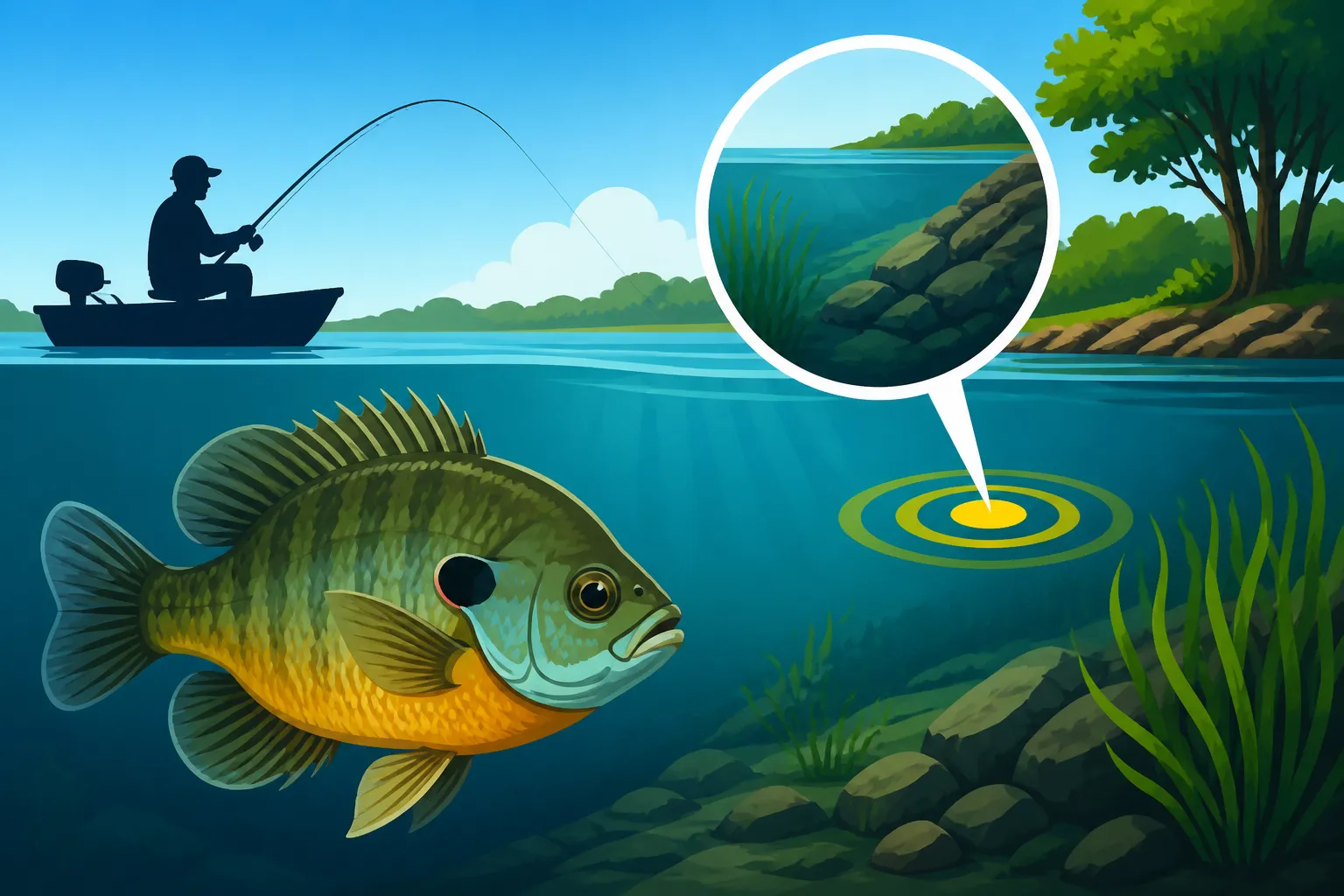
In Clear Lake, this means you'll find them holding tight to weed lines, submerged brush, and even rock piles. Extensive weed beds, particularly those on the north and east sides of the lake, are prime bluegill territory. These dense aquatic plants provide both a buffet of insects and small invertebrates, and a labyrinth of hiding spots. When you're out on the water, look for visible weed edges, or use your electronics to spot submerged vegetation. The transition zone, where the weeds meet deeper, open water, is often a hotspot. Docks and boat lifts also act as excellent artificial cover, especially those with plenty of growth on their pilings or submerged portions. Old, dilapidated docks are often even better, as they provide more complex hiding spaces. Don't overlook rock reefs or rip-rap along shorelines; these rocky areas attract invertebrates and small baitfish, which in turn draw in bluegill. Pay attention to how the water depth changes around these structures. Bluegill often prefer depths of 4 to 10 feet, especially during warmer months, but they'll move shallower or deeper depending on the time of day and year.
Seasonal Movements of Bluegill in Clear Lake
Bluegill aren't static residents; their locations shift significantly with the seasons, driven primarily by water temperature and their spawning cycle. Understanding these movements is key to consistently finding them.
As spring arrives and the water warms into the 60s Fahrenheit, bluegill begin their pre-spawn ritual. They move from deeper wintering holes into shallower, warmer flats, typically in bays or along protected shorelines. This is when they become incredibly active, feeding aggressively to build up energy for spawning. You'll find them gorging themselves near emerging weed beds in depths of 3-6 feet. Once the water temperature consistently hits the mid-60s to low 70s, usually from late May through July, the bluegill spawn begins in earnest. They create visible "beds"—small, circular depressions in the substrate, often grouped together in large colonies, particularly in areas like the north shore shallows or near Clear Lake State Park. During this time, they are very aggressive and protective, making them easier to catch. If you’re trying to understand the broader context of how seasons affect different species, our guide on Iowa Fishing Seasons Explained might be helpful.
As summer progresses and water temperatures peak, bluegill might retreat to slightly deeper water during the hottest parts of the day, seeking cooler temperatures and more oxygen-rich environments. They'll still relate to weed lines and submerged structures but might be a bit deeper, perhaps 8-12 feet. Early mornings and late evenings will see them push back into shallower feeding zones. In the fall, as water cools, bluegill will once again move to deeper areas, congregating in schools around major submerged structures, deep weed edges, or channel breaks, preparing for winter. And yes, you can even catch them through the ice! During winter, they suspend in deeper basin areas or tight to deep structure, making ice fishing a popular pursuit.
Top Bluegill Fishing Locations on Clear Lake
Clear Lake offers a variety of fantastic spots for bluegill, whether you prefer fishing from shore, a pier, or a boat. Knowing where to start can save you a lot of time and lead to a more successful day on the water.
Popular Shoreline Access Points
For those without a boat, Clear Lake still provides ample opportunities to hook into some impressive bluegill. Public access points are your best friend here, and thankfully, Clear Lake has several.
One of the most reliable spots is the shoreline and pier at Clear Lake State Park. The park boasts extensive shallow areas with natural vegetation, which are ideal bluegill spawning and feeding grounds. The public pier extends into the lake, allowing access to slightly deeper water than shore anglers might reach, often putting you right over a weed line or a drop-off where bluegill hold. Just be mindful of local regulations and other anglers. Another excellent option is McIntosh Woods State Park, located on the north side of the lake. Its protected coves and reed beds provide calm, sheltered waters that bluegill absolutely adore, especially during the spring spawn. These areas warm up quickly, attracting a lot of baitfish and, consequently, bluegill. The shoreline here can be fantastic for casting small jigs or bobber fishing with live bait. Even areas around the Clear Lake City Beach and City Park can hold bluegill, particularly near any public docks or rocky shoreline stretches. While these might be busier, the structures provide cover. The trick to shore fishing bluegill successfully is often to walk the shoreline, looking for any visible signs of cover or structure – a patch of lily pads, a submerged log, or even just a slight change in the bottom composition. For a broader look at where to find panfish, check out our guide on Clear Lake Panfish and Crappie Spots.
Prime Open Water and Structure Spots
If you have access to a boat, a whole new world of bluegill opportunities opens up on Clear Lake. You can reach those offshore structures and weed beds that shore anglers can only dream of.
The extensive weed beds on the north and east sides of the lake are legendary for a reason. These aren't just narrow strips; they can be quite broad, extending a good distance from shore. Use your fish finder to locate the defined edges of these weed beds, as bluegill often cruise along these boundaries, darting in and out of cover. Focus on areas where the weeds transition from dense to sparse, or where they meet a distinct drop-off. Depths of 6-12 feet here can be phenomenal, particularly during summer and early fall. Another key area is the rock reef structures, especially those mapped out near the lake's deeper basins. While some of these might be better known for species like walleye, bluegill also use them for cover and feeding. Look for subtle changes in bottom contour on your electronics – humps, bumps, or isolated rock piles away from the main shoreline. These are often bluegill magnets. If you're struggling to locate these spots yourself or just want a leg up, consider looking into a local guide service through platforms like FishingBooker, which can connect you with experienced Clear Lake captains who know these hidden gems intimately. They'll often have their own specific "cribs" or submerged brush piles that they routinely fish. Understanding the total size of the lake, about How Many Acres Clear Lake Covers, helps put these spots into perspective for boaters covering a lot of water.
The Importance of Docks and Marinas
You might think docks are just for boats, but for bluegill, they are bustling apartment complexes, offering constant shade, protection, and a readily available food source.
Every dock, pier, and boat lift on Clear Lake acts as an artificial reef, attracting algae, insects, and small baitfish, which in turn draw in bluegill. The best docks are often older ones, with plenty of submerged wood and growth on the pilings. These provide the most complex cover. While you should always respect private property, many public docks and piers, like those at Clear Lake State Park, are fantastic spots. You can also fish around private docks from your boat, staying a respectful distance, and target the edges of their shade lines or the drop-offs just beyond them. Marinas, like those found around the town of Clear Lake, also offer excellent opportunities. The sheer concentration of docks, moored boats, and structure makes them prime bluegill habitat. Fish the areas between boat slips, along the marina's outer walls, or near any deeper channels within the marina basin. Often, you can rent a small fishing boat or pontoon from a local marina – a great way to access more of the lake's bluegill potential without owning your own vessel. If you're considering a guided trip to explore these dock areas more efficiently, FishingBooker lists local guides who are experts at navigating these prime bluegill haunts.
Techniques and Baits for Clear Lake Bluegill
Catching bluegill consistently isn't about brute force; it's about finesse, the right gear, and understanding what tempts these eager biters. They're often cooperative, but subtle adjustments can make a big difference in your catch rate.
Recommended Gear and Tackle
For bluegill, less is often more. You don't need heavy-duty equipment; in fact, lighter tackle makes the fight more enjoyable and allows for better bait presentation.
An ultralight spinning rod and reel combo is absolutely perfect for Clear Lake bluegill. A rod in the 5 to 6-foot range with a fast or moderate-fast action will allow you to cast small baits effectively and feel even the lightest nibbles. Pair this with a small spinning reel, typically a 500 or 1000 size, spooled with 2 to 4-pound test monofilament or fluorocarbon line. Monofilament is a great choice for beginners due to its stretch and ease of handling, while fluorocarbon offers less stretch and better sensitivity. Avoid braided line unless you're very experienced, as it can be prone to tangles with very light setups. Our Iowa Fishing Gear Guide delves into more detail about general setups, and specifically, you might find tips in Best Spinning Reels for Panfish helpful. Small, thin-wire hooks in sizes #8 to #12 are ideal for bluegill's small mouths. A small bobber, like a fixed spring bobber or a slip bobber for deeper presentations, is also essential for suspending your bait at the right depth and detecting strikes.
Effective Baits and Lures
Bluegill aren't particularly picky eaters, but some offerings are undeniably more effective than others. It's often a mix of live bait and tiny artificial lures that yields the best results.
For live bait, you can't go wrong with redworms, pieces of nightcrawler, or wax worms. These are classic bluegill candy. Thread a small piece of worm onto your tiny hook, making sure the hook point is exposed. Maggots (spike worms) are another fantastic option, especially when they're actively feeding. Present these under a bobber, adjusting the depth so your bait is suspended just above or within the weed tops, or right next to dock pilings. For artificial lures, small jigs are incredibly effective. Think 1/64 to 1/32 ounce jigs, often tipped with a tiny plastic grub, tube, or a micro-soft plastic. Classic Beetle Spins with a small spinner blade are also bluegill magnets, especially when retrieved slowly along weed edges. When it comes to color, experiment! Chartreuse, white, pink, and black are often good starting points. If the water is clearer, natural colors might work better; in stained water, brighter colors can grab attention. The key is a slow, subtle retrieve. Many anglers find that letting the jig fall slowly or giving it tiny twitches is all it takes. For more ideas on what to tie on, check out our guide on the Best Lures for Panfish.
Time of Day and Weather Considerations
Just like humans, bluegill have preferred times to be active, and external factors like weather can influence their feeding patterns.
Generally, the early morning hours (from sunrise to a couple of hours after) and late evening (the last few hours before sunset) are prime times for bluegill fishing on Clear Lake. During these periods, light levels are lower, and water temperatures are often more comfortable, encouraging bluegill to move into shallower feeding areas. Overcast or cloudy days can also extend this feeding window throughout the day, as the reduced light penetration makes them feel more secure in shallower water. Conversely, bright, sunny afternoons might push them deeper or into dense shade under docks or thick weeds. For a more detailed breakdown, our article on the Best Time of Day to Fish Clear Lake can offer further insights. As for weather, stable weather patterns with consistent barometric pressure are usually best. A sudden cold front can cause bluegill to become less active and suspend deeper, making them harder to entice. While bluegill aren't typically known for night feeding like some other species, you might still catch them after dark, especially if they are located near lighted docks or piers that attract insects. To learn more about this, explore Is Night Fishing Good at the Iowa Great Lakes? Always keep an eye on the forecast and adjust your approach accordingly.
Here's a quick look at some top bluegill spots on Clear Lake:
| Location | Best For | Key Features | Optimal Season/Time |
|---|---|---|---|
| Clear Lake State Park Pier | Shore Anglers | Public pier, weed edges, moderate depths | Spring Spawn, Summer Evenings |
| McIntosh Woods State Park | Shore/Kayak Anglers | Protected coves, extensive reed beds, shallow flats | Spring Pre-spawn, Summer |
| North Shore Weed Beds | Boaters | Dense submerged vegetation, weed lines, various depths (6-12ft) | Summer, Early Fall |
| East Shore Structure | Boaters | Submerged brush, isolated rock piles, transition zones | Summer, Fall |
| Town Marina Docks | Boaters/Shore Anglers | Concentrated docks, pilings, shade, baitfish activity | Year-round (open water) |
Remember to always consult the latest Iowa Fishing Regulations Explained for daily bag limits and any special rules, especially concerning panfish limits like those covered in Crappie and Sunfish Limits in Iowa. Good luck, and tight lines!
Disclaimer
Fishing regulations and conditions can change. Always consult the latest official Iowa Department of Natural Resources (DNR) guidelines before heading out on the water. This guide is for informational purposes only and does not constitute professional advice. Fish responsibly and prioritize safety.