Coralville Reservoir Catfish Fishing
Oh, the quest for big catfish! If you've ever found yourself staring out at the vastness of a reservoir like Coralville, wondering where those whiskered warriors hide and how on earth to coax them onto your line, you're not alone. It's a common frustration—so much water, so many possibilities, but sometimes it feels like finding a needle in a haystack. Well, breathe easy, because this guide is here to unravel the mysteries of Coralville Reservoir catfish fishing, helping you pinpoint those productive spots and master the techniques that bring those powerful fish to the bank or boat.
The Allure of Catfish in Coralville Reservoir
Coralville Reservoir, nestled just northwest of Iowa City, isn't just a flood control project; it's a phenomenal fishery, especially for those of us who appreciate the fight and flavor of a good catfish. This expansive body of water, formed by the damming of the Iowa River, offers a unique blend of riverine and lake characteristics that make it a prime habitat for various catfish species.
Why Coralville is a Catfish Hotspot
Think about it: the Iowa River constantly feeds into the reservoir, bringing with it a steady flow of nutrients, baitfish, and oxygen. This dynamic environment creates perfect conditions for catfish to thrive. The reservoir itself features a diverse underwater landscape—from deep river channels and rocky outcroppings to submerged timber and expansive mudflats. These varied structures provide abundant cover, foraging grounds, and spawning areas for catfish. The constant influx of water, especially after rains, can also concentrate baitfish, which in turn draws in hungry catfish looking for an easy meal. It’s a natural buffet that keeps them well-fed and growing to impressive sizes.
Identifying Your Target: Channel and Flathead Catfish
When you're fishing Coralville, you're primarily going to be targeting two main species: the ubiquitous Channel Catfish and the elusive, hard-fighting Flathead Catfish. Both are absolute joys to catch, but they have distinct personalities and preferences.
Channel Catfish are the most common and widely distributed catfish species in Iowa. They're easily identifiable by their forked tails, scattered dark spots (though these can fade in larger, older fish), and relatively smooth skin. In Coralville, they are abundant and can reach impressive sizes, often tipping the scales into the double digits. They're opportunistic feeders, meaning they'll eat just about anything, which makes them a bit easier to catch for anglers of all skill levels. They patrol all depths and areas, from shallow flats to deeper channels, often congregating in groups. If you're looking for a consistent bite and plenty of action, the Channel Catfish is your friend. You can dive deeper into their habits with our guide on Channel Catfish Fishing in Iowa.
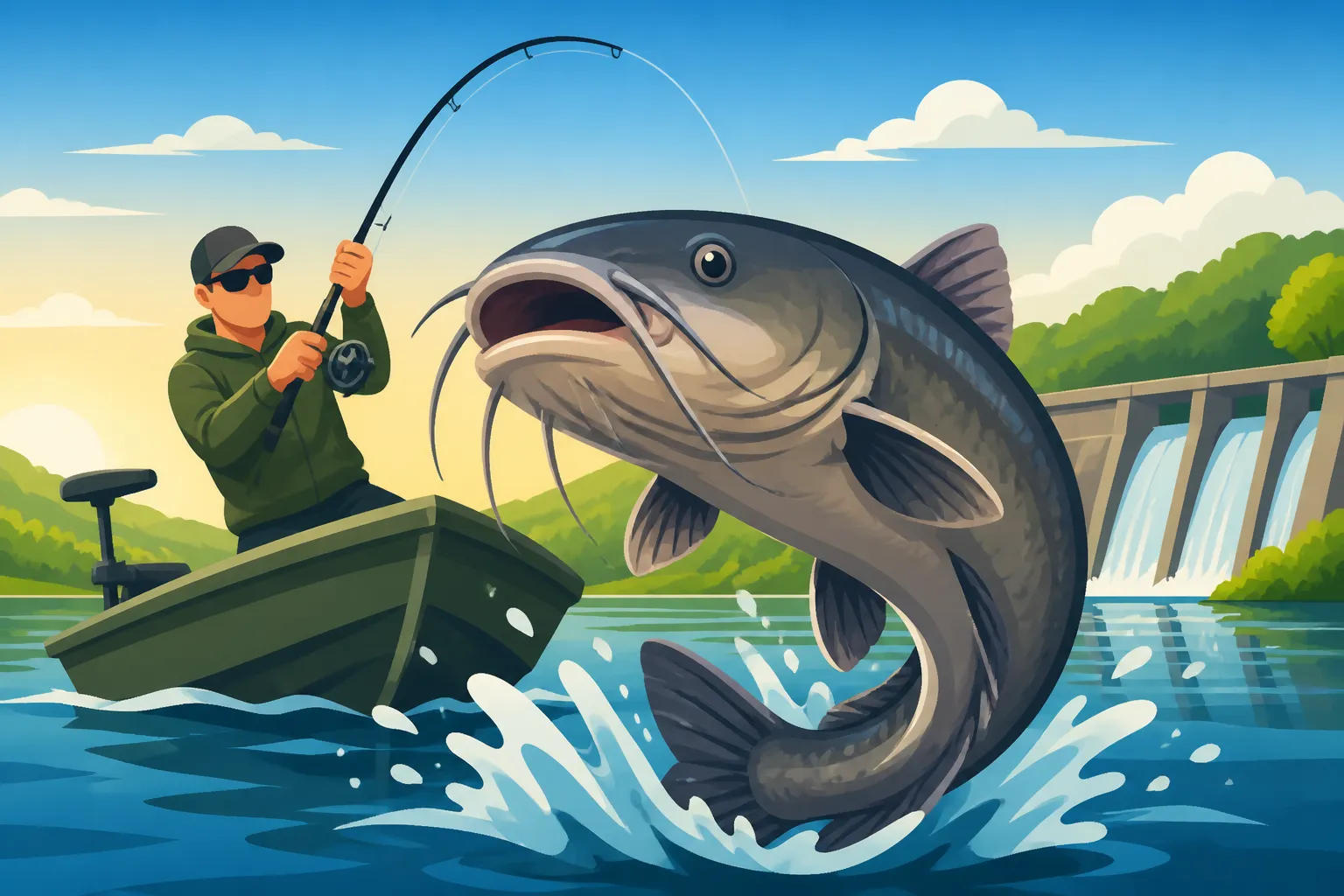
Flathead Catfish, on the other hand, are a different beast entirely. They have a distinctly flattened head (hence the name), a square or slightly rounded tail, and a mottled brown and yellow coloration. These fish are predators through and through, preferring live bait and often ambushing their prey from heavy cover. They're also solitary creatures, often found tucked away in logjams, undercut banks, or deep holes along the old river channel. Catching a Flathead is a true accomplishment, as they fight with incredible power and often grow to colossal sizes in Coralville, sometimes exceeding 50 pounds. Targeting them requires patience, heavier gear, and a good understanding of their preferred habitats, which you can learn more about in Flathead Catfish Habitat and Behavior. Knowing the difference in their habits is key to choosing your approach and maximizing your success on the water.
Navigating Coralville's Prime Catfish Locations
Coralville Reservoir is a big place, covering over 5,000 acres at normal pool, so just saying "fish Coralville" isn't exactly pinpointing a spot! To consistently hook into catfish, you need to understand where they prefer to hang out within this expansive system. It's all about finding those structure-rich areas that offer food, cover, and comfortable water conditions.
River Channel and Tributary Inflows
The original Iowa River channel, now submerged, remains a major highway and resting spot for catfish in the reservoir. These deeper sections, winding through the lakebed, provide cooler water and a natural current flow even within the reservoir. Catfish, especially flatheads, will use these channels as travel corridors and for staging in deeper holes. Look for bends in the old river channel, particularly where it narrows or meets a significant drop-off. These constrictions can concentrate fish and bait.
Equally important are the areas where smaller creeks and tributaries feed into the reservoir. Places like the inflow areas of Clear Creek or other unnamed feeder streams can be absolute magnets for catfish, especially after a rain. The incoming water brings fresh oxygen, stirred-up nutrients, and often washes in small terrestrial critters, creating a feeding frenzy. Focus your efforts where these feeder streams meet the main body of the reservoir, especially on the edges of the newly formed current seams. The Mehaffey Bridge area, for instance, where the old river channel is prominent and inflows occur, is a known hotspot for those in the know. You can find more targeted information on similar areas in our guide to Iowa River Catfish Spots.
Timbered Areas and Submerged Structure
If you're hunting for flatheads, or even larger channel cats, submerged timber is your best friend. Coralville Reservoir, being a flood control lake, has plenty of standing timber, old fence lines, and brush piles that were submerged when the reservoir was created or during high water events. These woody structures provide perfect ambush points and secure cover from predators and strong currents. Flatheads, in particular, love to tuck themselves into the thickest logjams or under large root wads, waiting for an unsuspecting baitfish or sunfish to swim by.
When you're on the water, keep an eye out for visible stumps or dead trees sticking out of the water – these are often indicators of larger submerged timber fields. Use your electronics to locate deep brush piles, old roadbeds, or even rock piles that dot the reservoir floor. These areas attract baitfish, which in turn draw in catfish. Fishing the edges of these submerged jungles, or even carefully placing baits right into the heart of them if you dare, can be incredibly productive. Just be prepared for snags and bring plenty of extra tackle!
Dam and Riprap Sections
The riprap areas along the dam and causeways are often overlooked but can be incredibly productive for channel cats. The rocks themselves provide habitat for crawfish, insects, and other small critters, which are a food source for smaller baitfish. These baitfish then attract hungry channel cats. The deeper water close to the dam face can also hold larger fish, especially during periods of high current or when the gates are being operated.
Fishing these riprap sections is often best from shore or by anchoring your boat carefully a short distance out. Cast your bait close to the rocks, letting it settle on the bottom. The slight current created by wind or dam operations can disperse scent and attract fish. These spots are particularly good during the evening and night when channel cats move into shallower areas to feed. The consistent food source and shelter make these man-made structures miniature ecosystems that catfish find hard to resist.
Proven Techniques for Hooking Coralville Catfish
Catching catfish at Coralville Reservoir isn't just about finding them; it's also about presenting your bait in a way that makes them want to bite. Different situations and species call for different approaches, so having a few techniques up your sleeve will significantly increase your success rate.
Bottom Fishing and Stationary Setups
The classic, reliable method for catfish is bottom fishing, and it’s especially effective at Coralville. This technique involves casting your bait out and letting it sink to the bottom, where catfish spend a lot of their time foraging. A slip-sinker rig is a go-to setup for this. It consists of a weight (like an egg sinker or no-roll sinker) that slides freely on your main line, followed by a swivel, and then a leader (typically 12-24 inches) tied to a hook. This setup allows the fish to pick up the bait and move away without feeling the resistance of the sinker immediately, leading to a more solid hookset.
When bottom fishing, especially in areas with current or significant structure, position your boat upstream or upwind and anchor effectively. Cast your baits into promising spots like deep holes, channel edges, or the perimeter of timber. Use multiple rods with different baits to see what the fish are keying in on. Patience is key here; let the scent of your bait do the work. This method is incredibly versatile, working well for both channel cats cruising open areas and flatheads tucked into cover, though for flatheads, you'll want to place your bait as close to their hiding spots as possible.
Drifting and Controlled Trolling
Sometimes, the catfish aren't holding in one particular spot, or you need to cover a lot of water to find active fish. This is where drifting or controlled trolling comes into play. Drifting involves letting your boat move with the wind or current, dragging your baits along the bottom. This is particularly effective over large flats, along the old river channel, or across expansive submerged humps where channel cats might be scattered. Use a three-way swivel rig or a Santee Cooper rig to keep your bait just off the bottom, preventing snags while still being in the catfish's strike zone.
Controlled trolling is similar but uses a trolling motor to maintain a specific speed and direction, allowing you to methodically work an area. This is great for tracing the contours of the old river channel or covering a long stretch of riprap. You can also use planer boards to spread your baits out from the boat, covering an even wider path. This active approach is excellent for finding those aggressive channel cats willing to chase down a bait. While less common for flatheads due to their ambush nature, a slow drift with a live bait near heavy cover can sometimes entice a strike. For more ideas on covering water, check out techniques like Drift Fishing the Mississippi River, which can be adapted for Coralville.
Night Fishing for Trophy Cats
If your dream is to land a truly massive Flathead Catfish or a giant Channel Cat, then embracing the night is non-negotiable. Catfish, especially flatheads, are largely nocturnal predators. As the sun sets and the lake quiets down, these big fish move out of their daytime sanctuaries and into shallower waters or along channel edges to actively hunt. The cover of darkness provides them confidence, and the cooler water temperatures often kick their metabolism into high gear.
For night fishing, focus on the same prime locations you'd fish during the day, but perhaps shift slightly shallower. Target logjams, deep holes at channel bends, and areas where baitfish are schooling near lights. Using strong headlamps (preferably with a red light option to preserve night vision), glow sticks on your rod tips, or bells to detect bites are essential. Live bait is king for night-time flathead pursuits—a struggling bluegill or shad is an irresistible meal. Be prepared for a sustained fight in the dark, and always let someone know where you're going. It's a truly exhilarating experience that separates the dedicated catfisher from the casual angler. For an even deeper dive into this, our article on Night Fishing Techniques for Catfish offers plenty of insights.
Essential Gear and Baits for Coralville Success
You wouldn't show up to a wrestling match with a pool noodle, right? The same goes for battling the hefty catfish of Coralville Reservoir. Having the right tackle and the most enticing baits is absolutely crucial for success, ensuring you can both hook and land these powerful fish.
Rods, Reels, and Line Choices
When it comes to catfish, thinking "heavy-duty" is usually a good starting point. You're not looking for finesse here; you're looking for backbone and power.
Rods: Opt for medium-heavy to heavy action rods, typically 7 to 9 feet long. A longer rod provides better leverage for casting heavy weights and fighting large fish, especially when you need to keep them away from snags. Fiberglass or composite rods are often preferred by seasoned catfishermen because of their durability and parabolic bend, which helps absorb powerful runs. Brands like Ugly Stik or Rippin Lips offer excellent, budget-friendly options that can handle the abuse of big cats. For deeper insights, consider reading our guide on the Best Rod for Catfish Fishing.
Reels: Pair your robust rod with a strong reel. For bottom fishing and heavy lifting, baitcasting reels (like a Penn Squall or an Abu Garcia Ambassadeur) are incredibly popular. They offer superior cranking power and line capacity. Look for models with a smooth drag system and durable internal components. If you prefer spinning gear, choose a large, robust spinning reel (size 6000 or larger) with a strong metal frame and a reliable drag, like a Daiwa BG or Penn Battle. The key is capacity and strength to handle long, hard fights.
Line: This is where you absolutely do not want to skimp. Monofilament line in the 20-30 pound test range is a classic choice for its abrasion resistance and shock absorption. However, many serious catfishermen, especially those targeting flatheads in heavy cover, prefer braided line. Braid (50-80 pound test) offers superior strength, sensitivity, and a much smaller diameter for its breaking strength, allowing for more line on the spool. The lack of stretch in braid also gives you a direct connection to the fish, making hooksets more efficient. Just be aware that braid has less abrasion resistance than mono, so a fluorocarbon or heavy monofilament leader is a good idea, especially in rocky or timber-filled areas. For specific line recommendations based on pound test, our article on the Best Pound Test Line for Catfish Fishing on Iowa Rivers could be very helpful.
Top Baits for Channel and Flathead Catfish
Choosing the right bait can make or break your catfish trip at Coralville. While channel cats are less picky, flatheads have a very specific diet.
For Channel Catfish:
- Prepared "Stink" Baits: These are classic for a reason. Brands like Sonny's Super Sticky Baits, Catfish Charlie, or Secret 7 work wonders. Their strong scent attracts channel cats from a distance.
- Cut Bait: Chunks of oily fish like shad, bluegill, or even hot dogs soaked in garlic are highly effective. The scent trail from the cut flesh is irresistible.
- Nightcrawlers/Worms: Simple, readily available, and always a good choice, especially for smaller to medium-sized channel cats. You can fish them in a ball or thread several onto a hook.
- Chicken Livers: Messy but oh-so-effective. Their strong scent and soft texture are a channel cat favorite.
For Flathead Catfish:
- Live Bait: This is almost exclusively what flatheads prefer. Live bluegill, shad, creek chubs, or even small carp are excellent choices. Hook them through the back or lips to keep them lively. The struggles of a live baitfish are what trigger a flathead's predatory instinct. Ensuring your live bait is legal to use and transport in Iowa is crucial, so always double-check current regulations.
- Large Cut Bait (occasionally): While live bait is dominant, a very large, fresh piece of cut carp or shad can sometimes tempt a flathead, especially if it's placed right in their lair.
Understanding bait choice and how to present it is fundamental. Our comprehensive Catfish Bait Guide for Iowa Anglers offers an even broader range of options and strategies for different situations. Remember, fresh bait is always best, so keep those live baits lively and your cut baits chilled until use.
Optimizing Your Trip: Seasons, Weather, and Regulations
Planning your catfish adventure at Coralville Reservoir involves more than just picking a spot and bait; it's about understanding the subtle rhythms of the lake. When's the best time to go? How do environmental factors play a role? And, crucially, what are the rules you need to follow?
Best Seasons and Times to Fish
Catfish are generally active throughout the open water season in Iowa, but certain times of the year offer peak opportunities:
- Spring (April-May): This is a fantastic time for both channel and flathead catfish. As water temperatures begin to rise (usually into the 60s Fahrenheit), catfish become very active, feeding heavily to regain energy after winter. Channel cats will often move into shallower flats and tributary mouths, while flatheads start to move out of their deep wintering holes. The pre-spawn bite can be incredibly intense. This is also when the water levels might be higher due to spring rains, leading to excellent fishing in newly flooded areas.
- Summer (June-August): Don't let the heat deter you! Summer offers excellent night fishing opportunities. During the day, channel cats will often retreat to deeper, cooler water, or tuck under heavy cover, while flatheads remain largely nocturnal. Focus your efforts in the evenings, through the night, and into the early morning hours. Look for deeper river channels, submerged timber, and structure where they can find relief from the sun and ambush prey.
- Fall (September-October): As water temperatures cool, catfish go on another feeding binge, packing on weight for the upcoming winter. This post-spawn and pre-winter feeding frenzy can be very productive. Channel cats will be active throughout the day, often found along channel edges and drops. Flatheads will still be feeding aggressively, sometimes lingering longer in shallower areas before retreating to their deeper wintering grounds.
Understanding Water Levels and Current
Coralville Reservoir's primary purpose is flood control, which means its water levels can fluctuate dramatically, especially after significant rainfall. These fluctuations directly impact catfish behavior.
- High Water/Rising Levels: Often, a rising water level can kick-start the bite. The influx of fresh, often muddy, water washes in new food sources and creates new shallow cover that catfish will explore. This can be an excellent time to target newly flooded vegetation or the edges of current lines near inflows. However, too much current can make fishing challenging, dispersing fish and making bait presentation difficult.
- Falling Water Levels: As water levels drop, catfish may retreat from shallow areas, concentrating in deeper channels or around stable structures. This can make them easier to locate but might also put them off the bite temporarily as they adjust.
- Current: Even within the reservoir, the remnants of the Iowa River channel maintain some current, especially near the dam or after heavy rains. Catfish are often found just out of the main flow, in current seams or eddies, where they can conserve energy while still ambushing food being swept past. Pay attention to how the U.S. Army Corps of Engineers manages the dam; discharge rates will influence current, which in turn influences fish behavior. Staying updated on reservoir levels and discharge information is always a good idea before heading out.
Navigating Iowa's Fishing Regulations
Even with the best gear and knowledge, you need to play by the rules. Iowa has specific regulations in place to protect its fisheries and ensure sustainable angling. It's crucial to be aware of the general statewide fishing regulations, as well as any specific rules that might apply to Coralville Reservoir.
First and foremost, everyone 16 years of age and older needs an Iowa Fishing License Guide to fish in Iowa waters. Always check the current year's Iowa Fishing Regulations Explained booklet, available online through the Iowa DNR or at license retailers. Pay close attention to:
- Daily Bag Limits: For catfish, Iowa typically has a statewide daily bag limit of 15 channel and flathead catfish in combination, but always verify this for the current season. Our Iowa Fishing Daily Bag Limits Guide provides more general information, but reservoir specifics should be checked.
- Possession Limits: The possession limit is usually twice the daily bag limit. This refers to the total number of fish you can have in your possession, including those at home.
- Length Limits: While there are no statewide length limits for channel or flathead catfish, certain specific waters might have them. It's rare for Coralville, but always worth a quick check in the regulations for any unique zones.
- Gear Restrictions: Be mindful of legal fishing methods. For instance, trotlines and limb lines have specific rules regarding their use and labeling.
Ignorance of the law is not an excuse, and game wardens do patrol Coralville. A quick check before your trip can save you from a hefty fine. When planning a guided trip to Coralville, many anglers use services like FishingBooker to connect with local guides who are intimately familiar with all local regulations and techniques, ensuring a compliant and successful outing.
Here's a quick comparison of general strategies for targeting our two main species:
| Feature | Channel Catfish Strategy | Flathead Catfish Strategy |
|---|---|---|
| Preferred Habitat | Anywhere from shallow flats, humps, channel edges, riprap, creek mouths, open water | Heavy cover: logjams, undercut banks, deep holes, old bridge pilings, dense submerged timber |
| Bait Type | Cut bait (shad, bluegill), stink baits, chicken liver, nightcrawlers, hot dogs | Live bait (bluegill, shad, creek chubs) is almost exclusively preferred |
| Fishing Time | Active day and night; often best at dawn/dusk and night in summer | Primarily nocturnal; best from dusk through dawn |
| Rig Setup | Slip-sinker rigs, three-way swivels, float rigs | Heavy slip-sinker rigs, often with larger hooks and leaders |
| Rod/Reel | Medium-heavy to heavy action rod, baitcasting or large spinning reel, 20-30 lb mono or 50 lb braid | Heavy to extra-heavy rod, robust baitcasting reel, 50-80 lb braid or heavy mono |
| Approach | Bottom fishing, drifting, controlled trolling, anchored | Anchored over specific structure, patient waiting |
When booking a fishing trip or looking for local insights, services like FishingBooker can often put you in touch with guides who specialize in catfishing on Coralville Reservoir. They know these nuances intimately. Whether you're a seasoned angler or just getting started, preparing properly and understanding the environment are your best allies in landing some truly memorable Coralville catfish.
Disclaimer
Please note that fishing conditions and regulations can change. Always consult the latest Iowa Department of Natural Resources (DNR) fishing regulations before heading out on the water. This guide is for informational purposes only and does not constitute legal advice. Safe boating and fishing practices are always recommended.