Community Trout Ponds Near Des Moines
For many of us who love to cast a line, the idea of trout fishing in Iowa often conjures images of long drives up to the rugged, scenic streams of the northeast corner. It’s a beautiful trip, no doubt, but it can feel like a full-day commitment just to get your fly in the water. But what if I told you that you don't always have to trek hours to enjoy the thrill of catching trout? This guide is here to introduce you to the fantastic, easily accessible community trout ponds right here in the Des Moines area, bringing that cold-water challenge much closer to home.
The Appeal of Community Trout Ponds in Central Iowa
Let's be honest, living in central Iowa, the thought of trout fishing can feel a little out of reach. We're known for our fantastic bass, catfish, and walleye fisheries, but trout? That's typically a different ballgame. However, thanks to some dedicated efforts, the Des Moines metro area now offers several community trout ponds that provide an incredible opportunity to get your trout fix without the long journey.
Why Trout Fishing Near Des Moines is a Big Deal
The beauty of these community trout ponds near Des Moines lies in their sheer convenience and accessibility. Imagine being able to wake up, grab your gear, and be at a prime trout fishing spot within a 30-minute drive, maybe even less, instead of a three-hour trek. This makes a spur-of-the-moment fishing trip entirely possible, whether it's an hour before work, a quick lunch break, or an afternoon outing with the kids. It’s also a fantastic way to introduce new anglers, especially younger ones, to the sport without the complexities of river currents or dense stream-side vegetation. These ponds are often designed with easy bank access, making them perfect for families or those with mobility challenges. Plus, catching a hard-fighting rainbow trout, even in a pond setting, is always a blast!
Understanding Iowa's Trout Stocking Program
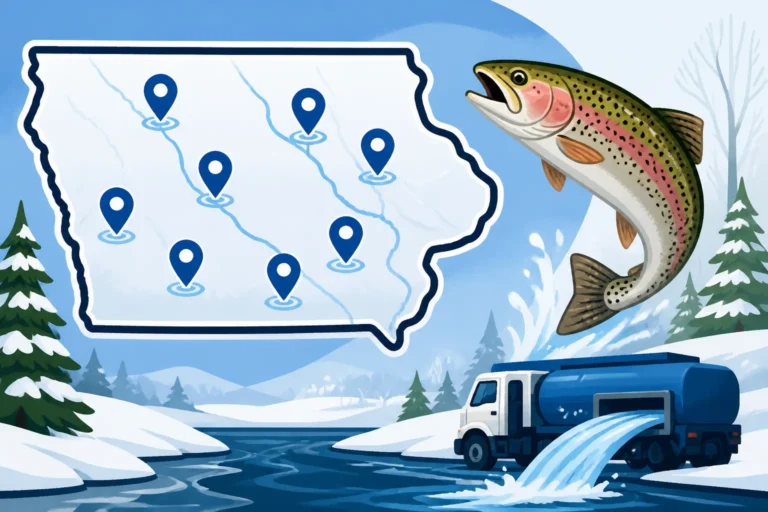
Iowa doesn't have a lot of natural cold-water streams that can support self-sustaining trout populations outside of its northeastern region. That's where the Iowa Department of Natural Resources (DNR) stocking program comes in. They raise thousands of rainbow trout at state hatcheries and then release them into designated community ponds and urban lakes, particularly during the cooler months of fall, winter, and spring. These are known as "put-and-take" fisheries, meaning the fish are stocked primarily for anglers to catch and keep. The DNR carefully plans these stockings, often scheduling them multiple times throughout the season to ensure a fresh supply of fish and plenty of opportunities for anglers. It's a testament to their commitment to providing diverse fishing experiences for Iowans, transforming otherwise conventional ponds into exciting trout hotspots.
Key Community Trout Ponds Within Reach of Des Moines
When you're looking for community trout ponds near Des Moines, there are a few standout locations that the Iowa DNR regularly stocks. These spots offer easy access and good chances of success, making them ideal for both seasoned anglers and newcomers alike.
Banner Lakes at Summerset State Park
Just a short drive south of Des Moines, near Carlisle, you'll find Banner Lakes at Summerset State Park. This is a multi-purpose area with several ponds, and it's a fantastic spot that the DNR often utilizes for its community trout program. The park itself is beautiful, offering a serene backdrop for your fishing adventure. When trout are stocked here, they typically go into designated ponds within the complex, which are clearly marked. Anglers appreciate the well-maintained access, often including fishing jetties or ample shoreline to spread out.
The trout stocked at Banner Lakes are usually catchable-size rainbows, providing immediate action. Because it's a state park, you'll find amenities like restrooms and picnic areas, which are a big plus, especially when you're bringing the family along. It's a place where you can spend a few hours chasing trout, then perhaps enjoy a picnic lunch, making it a perfect quick escape from the city hustle. Keep an eye on the DNR's stocking schedule because when Banner Lakes gets a fresh delivery, the fishing can be absolutely phenomenal.
Big Creek Lake's Designated Trout Area
North of Des Moines, near Polk City, Big Creek Lake is a massive recreational hub that also features a specific area designated for trout fishing during the stocking season. While Big Creek Lake is widely known for its excellent walleye, bass, and panfish populations, the DNR periodically stocks trout into a specific, more accessible section of the lake or a connected pond. This provides a great opportunity to target trout in a larger body of water, albeit in a confined section, adding a bit of variety to your fishing experience.
The benefit of Big Creek is its extensive infrastructure. You’ll find plenty of parking, easy bank access, and often more space than some smaller urban ponds. While the entire lake isn't managed for trout, the dedicated area ensures that the stocked fish are concentrated and readily available for anglers. It's a popular spot for many reasons, so don't be surprised to see other anglers, especially right after a stocking event. Being part of a larger lake system, it can sometimes offer a slightly different fishing dynamic than a standalone small pond.
Terra Lake in Johnston
For those living right in the heart of the metro, Terra Lake in Johnston is an absolute gem. This urban lake is meticulously maintained and offers incredibly easy access, making it a top choice for quick fishing trips. The Iowa DNR regularly includes Terra Lake in its community trout stocking program, recognizing its importance as an accessible urban fishery. The lake itself is a centerpiece of the Johnston community, surrounded by walking trails and green spaces.
Terra Lake's relatively smaller size means the stocked trout are often quite concentrated, leading to exciting fishing, especially shortly after a stocking. Its urban location means it’s perfect for a lunch break fishing excursion or an after-school adventure with the kids. Despite being in a developed area, the lake offers a pleasant and peaceful environment to enjoy the outdoors. Anglers often find success fishing from the various docks and shoreline access points available around the lake. It truly brings the trout fishing experience directly to the doorstep of many Des Moines area residents.
Overview of Des Moines Area Community Trout Ponds
To give you a quick reference for these fantastic local spots, here's a handy table:
| Pond Name | Location | Typical Stocking Season | Primary Access Points | Amenities | Notes |
|---|---|---|---|---|---|
| Banner Lakes (Summerset SP) | Carlisle (South DM) | Fall, Winter, Spring | Bank access, fishing jetties | Restrooms, picnic areas, trails | Part of a state park, serene setting |
| Big Creek Lake | Polk City (North DM) | Fall, Winter, Spring | Designated shore access | Restrooms, parking, trails, boat ramps | Larger lake with specific trout area |
| Terra Lake | Johnston (West DM) | Fall, Winter, Spring | Docks, ample shoreline | Restrooms, walking trails, parking | Urban pond, highly accessible |
Essential Gear and Techniques for Pond Trout
Fishing for stocked trout in community ponds is a wonderful experience, and you don't need a boatload of specialized equipment to get started. In fact, keeping it simple is often the best approach. The key is to have tackle that allows for delicate presentations while still having enough backbone to handle a feisty rainbow.
Simple Setups for Success
For these community trout ponds, a light spinning rod and reel combo is your best friend. Think about something in the 5-foot to 6-foot 6-inch range, with a light to medium-light action. This sensitivity allows you to feel even the most subtle bites, which trout can often deliver. Pair it with a small spinning reel, perhaps a 1000 or 2000 size, spooled with 4 to 6-pound test monofilament or fluorocarbon line. Monofilament is usually sufficient for its stretch and forgiveness, especially for beginners. Fluorocarbon offers more sensitivity and is nearly invisible underwater, which can be an advantage in clear pond conditions.
A basic setup might involve a small slip bobber, a couple of split shots, and a small, sharp hook (size 8 to 12). Slip bobbers are great because they allow you to fish at various depths without having to constantly re-tie your rig. You can also go with a bottom rig: simply use a small egg sinker or split shot above a swivel, then a short leader (12-18 inches) to your hook. This keeps your bait directly on the bottom, where trout often cruise. Simplicity is key to getting bites from newly stocked fish, as they haven't yet learned to be overly cautious.
Best Baits and Lures for Stocked Trout
Stocked rainbow trout, especially when they're fresh from the hatchery, often have a strong appetite and aren't overly picky. This is fantastic news for anglers! For bait, one of the most consistently effective options is Berkley PowerBait Trout Bait, especially in brighter colors like chartreuse, orange, or rainbow. Mold it onto a small treble or single hook, making sure it floats just off the bottom if using a weight. Another classic and highly effective bait is a simple kernel of corn or a small piece of nightcrawler. These natural offerings are very appealing to trout and are always worth having in your tackle box.
When it comes to lures, small inline spinners like a #0 or #1 Mepps Aglia or Panther Martin are absolute trout magnets. Their flash and vibration can trigger aggressive strikes. Small spoons, such as the Kastmaster or Little Cleo, also work wonderfully, especially when retrieved with an erratic stop-and-go motion. Don't forget tiny jigs, perhaps 1/32 or 1/16 ounce, tipped with a small plastic grub or even just a piece of PowerBait. These can be deadly when trout are a bit more finicky or holding deeper. Experimentation is always the key; if one bait isn't working, try another!
Reading the Water and Targeting Trout
Even in a pond setting, understanding how trout behave and where they might be holding can dramatically increase your success. After a fresh stocking, trout are often disoriented and will cruise along the banks, making them accessible from shore. Look for areas with slight depth changes, submerged cover like fallen branches (if present), or even just deeper sections of the pond. Trout are cold-water fish, so they'll often gravitate to the coolest water available. In warmer weather, this might mean deeper sections; in colder weather, they might be more active closer to the surface.
Pay attention to any signs of fish activity – splashes, ripples, or even seeing a trout jump. If you see activity in a particular area, focus your efforts there. Try casting your bait or lure and allowing it to settle, then slowly retrieve or let it drift naturally. If you're using PowerBait, fish it on the bottom with a small floating hook rig to keep it suspended just above the muck. For spinners and spoons, a slow, steady retrieve with occasional twitches is often effective. Remember, patience is a virtue, but so is knowing when to move and try a new spot if you're not getting any bites.
Planning Your Des Moines Area Trout Fishing Trip
A successful trout outing in the Des Moines area doesn't just happen; it takes a little planning. Knowing the regulations, securing the right licenses, and checking stocking schedules are all crucial steps to ensure a fun and legal day on the water.
Checking Stocking Schedules and Regulations
The Iowa DNR is incredibly transparent about its trout stocking schedule, which is a huge advantage for anglers. Before you head out, always check the official Iowa DNR website for the latest updates on community trout pond stockings. They usually publish a detailed schedule, often listing the specific dates and locations where trout will be released. Timing your trip shortly after a stocking can significantly increase your chances of success, as the fish are fresh and often quite active. This information is vital, as stocking dates can vary year to year based on fish availability and weather conditions.
Beyond stocking dates, it’s imperative to be familiar with the Iowa Fishing Regulations Explained. Each pond may have specific rules, such as daily bag limits or gear restrictions. For community trout ponds, there's typically a daily bag limit of five trout per licensed angler. These regulations are in place to manage the fishery sustainably and ensure everyone has a fair chance at catching fish. Don't just assume the rules; take a moment to confirm them, especially if you're visiting a new spot.
Required Licenses and Fees
This is one of the most critical aspects of trout fishing in Iowa. Anyone aged 16 or older needs a valid Iowa fishing license to legally fish in public waters. You can easily purchase your Iowa Fishing License Guide online through the Iowa DNR website, at a local vendor, or through the GoOutdoors Iowa app. For a casual trip, an Iowa One-Day Fishing License might be suitable, but if you plan on fishing multiple times throughout the year, an Iowa Resident Annual Fishing License is usually more cost-effective.
In addition to your general fishing license, if you plan to fish for trout, you absolutely need to purchase an Iowa Trout Fee. This is a special stamp or endorsement that funds the state's trout program, including the stocking of these community ponds. Without it, even with a valid fishing license, you are not legally allowed to possess trout. The Iowa Trout Fishing Fee and Stamp Guide provides all the details you need. This fee helps ensure these fantastic trout fishing opportunities continue for years to come, so think of it as a direct contribution to your future fishing enjoyment. You'll find that for many of these easily accessible shore fishing spots, a general license and trout fee are all you need, meaning you don't even need to worry about the complexities of boat registration.
Family-Friendly Considerations
One of the greatest joys of community trout ponds near Des Moines is how family-friendly they are. If you're planning a trip with kids or new anglers, consider these tips to make it a memorable outing. Choose ponds with easy, flat bank access and nearby amenities like restrooms and picnic tables. Terra Lake, for example, is excellent for this with its paved trails and convenient facilities. Keep the fishing gear simple for children – a basic spincast rod and reel with a bobber rig is often best, allowing them to focus on the thrill of the bite rather than complicated casting techniques.
Pack plenty of snacks and drinks, and don't forget sun protection, even on cooler days. It's often helpful to bring a small cooler with ice to keep any legal-sized trout you catch fresh. Encourage catch-and-release for any fish you don't plan to keep, teaching good conservation practices from a young age. And remember, the goal isn't just catching fish; it's about enjoying time outdoors together. Even if the fish aren't biting, the experience of being by the water is valuable. If you're keen to explore more options or even consider a guided experience to maximize your family's chances of success, you can often find local experts on platforms like FishingBooker who cater to family trips.
Beyond the Ponds: Expanding Your Central Iowa Trout Horizons
While community trout ponds are fantastic for quick, accessible trout fishing, it's worth understanding the broader context of trout fishing in Iowa and how these local gems fit in. Iowa’s trout program is diverse, and while the majority of natural trout streams are far to the northeast, there are still ways to expand your horizons.
Exploring More Iowa Trout Opportunities
Once you've honed your skills at the Des Moines area community ponds, you might find yourself itching for more. While central Iowa doesn't have the cold-water streams for wild trout like those in Decorah or Manchester, the DNR occasionally stocks other, slightly less urban ponds or even specific river stretches during cooler months as part of its Iowa Spring Trout Stocking Strategy or Iowa Fall Trout Stocking Strategy. Keeping an eye on the DNR's statewide stocking reports can reveal these seasonal opportunities. These might require a slightly longer drive, but still be within a reasonable distance for a day trip.
For a true change of pace, and if you're up for the drive, consider a trip to Northeast Iowa's designated trout streams. This is where you'll find the picturesque, cold-water spring-fed streams that support both stocked and, in some cases, wild trout. The techniques there are often different, sometimes involving fly fishing or more specialized gear for river currents, but the experience is unparalleled. Think of the community ponds as your convenient training ground for potentially tackling the more challenging and rewarding stream environments.
Resources for Local Anglers
Being an informed angler is always an advantage, especially when it comes to chasing stocked trout. The Iowa DNR website is your absolute best friend for everything from stocking schedules to regulation updates. They also provide comprehensive maps and information on different water bodies, helping you discover new fishing spots beyond the immediate Des Moines area, perhaps even some of the Best Fishing Spots in Iowa that aren't trout-focused. Additionally, local bait and tackle shops in the Des Moines metro area are invaluable resources. Shop owners and employees are often passionate anglers themselves and can provide up-to-the-minute reports on what's biting, what baits are working best, and any local nuances you should know. They are also excellent places Where to Buy a Fishing License in Iowa.
For those who want to deepen their knowledge or explore guided fishing experiences, online platforms can be very helpful. If you’re interested in trying new techniques or visiting a new body of water, you might consider booking a trip with a local guide. Services like FishingBooker can connect you with experienced fishing guides in Iowa who can provide insights into local conditions, specialized techniques like Trout Fishing Techniques for Iowa Streams, and ensure you have a productive and enjoyable outing. These guides often know the ins and outs of both stocked ponds and other nearby fisheries, helping you maximize your time on the water.
Disclaimer
Please remember that fishing regulations, stocking schedules, and local conditions can change. Always consult the official Iowa Department of Natural Resources (DNR) website for the most current information before planning your fishing trip. This guide is for informational purposes only and does not constitute legal advice. Adherence to all state and local laws and regulations is the responsibility of the angler.