Fishing License Requirements for Guided Trips
Heading out for a guided fishing trip in Iowa is an incredible experience, promising unforgettable memories and, hopefully, a cooler full of fish. But here's the thing that often catches even seasoned anglers off guard: paying a guide doesn't automatically mean all the pesky legal stuff is handled. Many folks mistakenly believe their guide's license covers them, only to find themselves in a sticky situation with conservation officers. This comprehensive guide will clear up all the confusion around fishing license requirements for guided trips in Iowa, making sure your focus stays on the bite, not the fines.
The Core Truth About Angler Licenses on Guided Trips
Let's get straight to the point because this is where most of the confusion lies. When you book a fishing guide in Iowa, you, as the angler, are still individually responsible for holding a valid Iowa fishing license. Your guide is there to put you on fish, teach you techniques, and enhance your experience, but they are not a magical shield against fishing regulations.
Your Personal Responsibility: Why a Guide's License Isn't Enough
Imagine this: you've planned a fantastic day on Rathbun Lake with a highly recommended guide. You've got all your gear, your snacks are packed, and you're ready to reel in some crappie. As you're launching the boat, a conservation officer checks your credentials. If you haven't personally purchased an Iowa fishing license, even if your guide has all their paperwork in order, you're in violation. The guide's license is for them to operate a commercial fishing service; it does not extend to covering their clients' individual angling privileges. Think of it like a taxi driver: they need a special license to drive people for money, but you still need your driver's license to operate your own car. It's the same principle on the water. Every person actively engaged in fishing, or possessing fishing equipment on the water, must comply with the state's licensing laws, unless specifically exempted. To get a complete picture, you can always refer to the general Iowa Fishing License Guide.
Resident vs. Non-Resident Licenses for Guided Adventures
Another crucial detail often overlooked, especially by folks traveling to Iowa for a fishing vacation, is the distinction between resident and non-resident licenses. If you're coming from out of state to enjoy the fantastic fishing Iowa has to offer, you'll need to purchase an Iowa Nonresident Annual Fishing License or one of the shorter-term nonresident options like the Iowa One-Day Fishing License or the Iowa Three-Day Nonresident Fishing License. The pricing structures are different, and Iowa has specific criteria for what constitutes a "resident." Don't try to bend the rules here; conservation officers are very good at identifying discrepancies. Proving residency often requires things like an Iowa driver's license or state ID, and if you can't provide that, you'll need the nonresident option. Make sure you understand the nuances by checking out Iowa Fishing Rules for Out-of-State Anglers.
Special Tags and Fees to Consider Beyond the Basic License
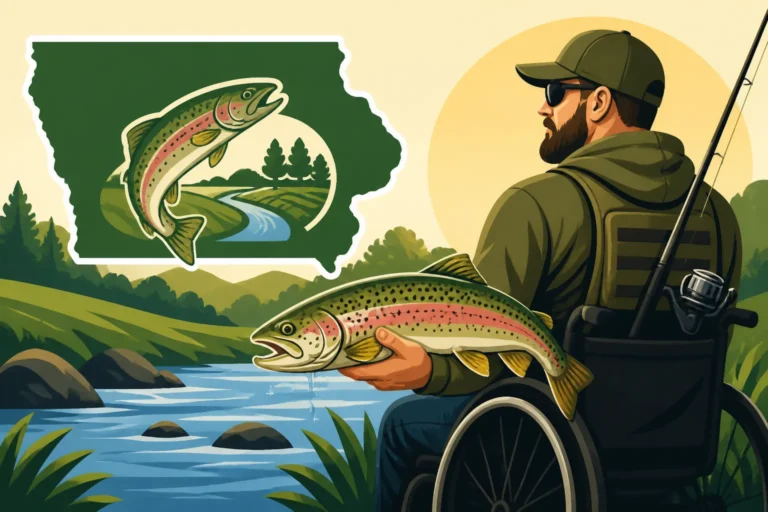
Beyond your standard annual or short-term fishing license, Iowa sometimes requires additional fees or stamps for specific types of fishing, particularly for trout. If your guided trip is taking you to one of the beautiful trout streams in Northeast Iowa, you will almost certainly need to purchase an Iowa Trout Fishing Fee and Stamp Guide in addition to your regular fishing license. This isn't optional; it's a separate requirement that funds Iowa's fantastic trout stocking programs. These special stamps are just like your regular license in that they need to be purchased by each individual angler. You'll find that these requirements are clearly laid out in the official Iowa Fishing Regulations Explained, which is always worth a read before your trip. Always double-check with your guide too – they'll know the specific requirements for the waters you'll be fishing.
Understanding Your Fishing Guide's Role and Their Licenses
While you, the angler, are responsible for your fishing license, your guide also has a host of responsibilities and licensing requirements they must meet. It's a professional service, and reputable guides operate within the legal framework to ensure a safe and legitimate experience for their clients.
What Licenses and Permits Your Guide Does Need
A professional fishing guide in Iowa needs more than just a regular fishing license. They are running a commercial business and must comply with specific state and potentially federal regulations, depending on the waters they operate on. This often includes:
- Commercial Guide License/Permit: The Iowa Department of Natural Resources (DNR) requires guides to possess specific commercial licenses. These aren't universal across all states, so what works elsewhere won't necessarily apply here.
- Boating Licenses and Certifications: If your guide operates a motorized vessel, they likely need various U.S. Coast Guard (USCG) certifications, such as an OUPV (Operator of Uninspected Passenger Vessels), often called a "Six-Pack" license. This ensures they've passed tests on navigation, safety, and first aid. They'll also need to comply with Iowa Boat Registration Requirements for their vessel.
- Insurance: Responsible guides carry liability insurance to protect themselves and their clients in case of an unforeseen accident.
- First Aid/CPR Certification: Many guide certifications include, or highly recommend, up-to-date first aid and CPR training for client safety.
These licenses and certifications are a big part of what you're paying for – peace of mind that you're with a professional who prioritizes safety and legal operation. It's never a bad idea to ask your guide about their credentials; reputable guides are usually proud to share them.
Beyond the Paperwork: How Guides Support Compliance
A good fishing guide does more than just drive the boat and point out where the fish are hiding. They are also a valuable resource for understanding and complying with local fishing regulations. They often act as educators, ensuring their clients are aware of crucial rules.
- Pre-Trip Briefings: Many guides will brief you before the trip on bag limits, size restrictions, and catch-and-release practices for the specific species you're targeting. They'll inform you about things like Walleye Season and Size Limits or Bass Season and Size Limits, ensuring you don't accidentally exceed daily bag limits or keep undersized fish.
- On-the-Water Guidance: During the trip, they'll often measure fish, clarify rules, and even help you release fish properly if you're practicing catch-and-release.
- License Reminders: Reputable guides will often remind their clients before the trip to obtain their necessary fishing licenses, sometimes even providing links to the Iowa DNR website for easy purchase. They know that a client getting a ticket reflects poorly on their business, even if it's the client's responsibility.
While a guide is an excellent resource, remember that ultimately, compliance with the law falls on your shoulders. You can find many fishing essentials, from fishing line to new lures, on sites like Amazon, which might be useful for stocking up before your trip.
The Ethical and Legal Boundaries of a Guided Trip
It's vital to understand that while a guide offers expertise and a service, they cannot legally or ethically circumvent fishing regulations for their clients. No guide can tell you it's okay to fish without a license, keep an undersized fish, or exceed a bag limit.
If a guide ever suggests bending the rules, that should be a major red flag. Engaging in illegal activity, even under the instruction of a guide, can result in penalties for both you and the guide. Penalties for Exceeding the Daily Bag Limit or Fishing Without a License in Iowa can be severe, including hefty fines and even suspension of fishing privileges. A truly professional guide will prioritize conservation and legal adherence above all else, not just because it's the law, but because it protects the resource for everyone.
Practical Steps to Ensure You're Legally Prepared for Your Iowa Guided Trip
So, you've got a guided trip booked, and you understand your responsibilities. Now, let's talk about the practical steps you can take to make sure you're fully prepared and can enjoy your time on the water without any worries about legal hassles.
Where and When to Purchase Your Iowa Fishing License
Getting your fishing license in Iowa is thankfully pretty straightforward, but timing can be key. Don't wait until the morning of your trip!
- Online: The easiest and most convenient way to purchase your Iowa fishing license is online through the Iowa DNR's Go Outdoors Iowa system. You can purchase it from the comfort of your home, print it out immediately, or keep a digital copy on your phone. Many anglers use the Go Outdoors Iowa app, which makes purchasing and carrying your license simple. For a full rundown, check out Buying an Iowa Fishing License on the GoOutdoors App.
- In-Person: If you prefer a tangible license or need to pick up a last-minute one, you can purchase licenses at authorized retailers across the state. These often include bait shops, sporting goods stores like Scheels or Bass Pro Shops, and some county recorder offices. A quick search for "Where to Buy a Fishing License in Iowa" will show you plenty of local options.
- Timing: Licenses are valid for a full year from the date of purchase (unless it's a specific short-term license), generally running from January 1st to December 31st. However, if you're buying a license mid-year, it's good for 365 days from that purchase date. Just make sure it's valid for the dates of your trip. The Iowa Angler's Special Three-Year License is a great option if you plan to fish Iowa frequently, as it locks in your license for an extended period.
Remember that licenses are usually available for purchase for the upcoming year starting around mid-December, so you can often buy your 2026 license well in advance.
What to Do If You're an Out-of-State Angler
If you're visiting Iowa specifically for a guided fishing trip, it's super important to understand the specific rules for non-residents. Don't assume your home state's license is reciprocal; it almost never is, except for very specific border water agreements, which usually involve a different set of considerations.
- Nonresident Options: As mentioned, you'll need an Iowa Nonresident Annual Fishing License or a shorter-term option. Choose the one that best fits the length of your stay and how many times you plan to fish Iowa in a year.
- Proof of Identity: When purchasing, especially online or through the app, be prepared to provide proof of identity and residency. While non-residents don't need to prove Iowa residency, having your driver's license or state ID handy is standard practice.
- Youth Anglers: If you're bringing kids along on the guided trip, remember that while Iowa Fishing License Rules for Kids Under 16 generally state that those under 16 don't need a license, they do need the trout fee if they're fishing for trout in designated trout waters and plan to keep them. Always clarify the exact age cutoff and requirements for youth, especially when crossing state lines. It's often safer to assume they need something rather than be caught off guard.
Keeping Your License Accessible and Valid
Once you have your license, the job isn't quite done. You need to ensure it's on you and easily verifiable throughout your fishing trip.
- Physical Copy: While many states accept digital copies, having a physical copy, whether printed at home or on durable, waterproof paper (which you can find kits for on Amazon), is highly recommended. Phones run out of battery, screens crack, and signals can be spotty on the water.
- Digital Copy: If you prefer digital, ensure your phone is charged and the Go Outdoors Iowa app or a photo of your license is readily accessible.
- Visibility: Some anglers like to keep their license in a clear, waterproof holder around their neck or attached to their vest. This makes it easy for a conservation officer to check without rummaging through your tackle box.
- Validity: Always double-check the expiration date of your license before heading out. An expired license is just as bad as no license at all! Information on how long a fishing license stays valid is key. If you are ever unsure, contacting the Iowa DNR directly is the best course of action.
By taking these few simple steps, you can ensure your guided fishing trip is not only successful in terms of fish caught but also completely worry-free regarding legal compliance.
Here's a quick summary table of common angler and guide responsibilities:
| Aspect | Angler Responsibility | Guide Responsibility (Typically) |
|---|---|---|
| Fishing License | REQUIRED (personal purchase for all fishing individuals) | Not required to cover clients; required for commercial operation |
| Special Stamps/Fees | REQUIRED (e.g., trout fee for trout fishing) | Not required to cover clients |
| Boating Safety Gear | Personal flotation device (PFD) if in separate craft | Provide and ensure access to required safety equipment on their vessel |
| Bag/Size Limits | Adhere to all rules for fish caught | Educate clients, assist with measuring/identifying fish, promote compliance |
| Boat Registration | Not applicable (unless operating own boat) | Ensure their guide boat is properly registered and equipped |
| Commercial Permits | Not applicable | Possess all necessary commercial fishing guide permits/licenses |
| Insurance | Not typically for the angler | Carry adequate liability insurance |
| Ethical Conduct | Practice responsible angling, respect regulations | Lead by example, ensure conservation, operate legally and ethically |
Disclaimer
The information provided in this guide is intended for general informational purposes only and does not constitute legal advice. While we strive to provide accurate and up-to-date information, fishing regulations can change. It is always the angler's responsibility to consult the official Iowa Department of Natural Resources (DNR) regulations booklet or website for the most current and specific rules and requirements before engaging in any fishing activity. Non-compliance with fishing regulations can result in fines and penalties.