Where to Catch Smallmouth Bass on the Mississippi River
Many anglers dream of battling the powerful, acrobatic smallmouth bass, but finding these elusive fighters on the vast and ever-changing Mississippi River in Iowa can feel like searching for a needle in a haystack. The river's immense size and complex currents often leave even seasoned anglers scratching their heads, leading to frustrating days without so much as a nibble. This comprehensive guide aims to eliminate that guesswork, providing you with detailed insights into the specific locations, ideal conditions, and proven techniques to successfully target smallmouth bass along the Iowa stretch of the mighty Mississippi, turning your fishing trips into memorable adventures.
Understanding Smallmouth Bass Habitat on the Mississippi River
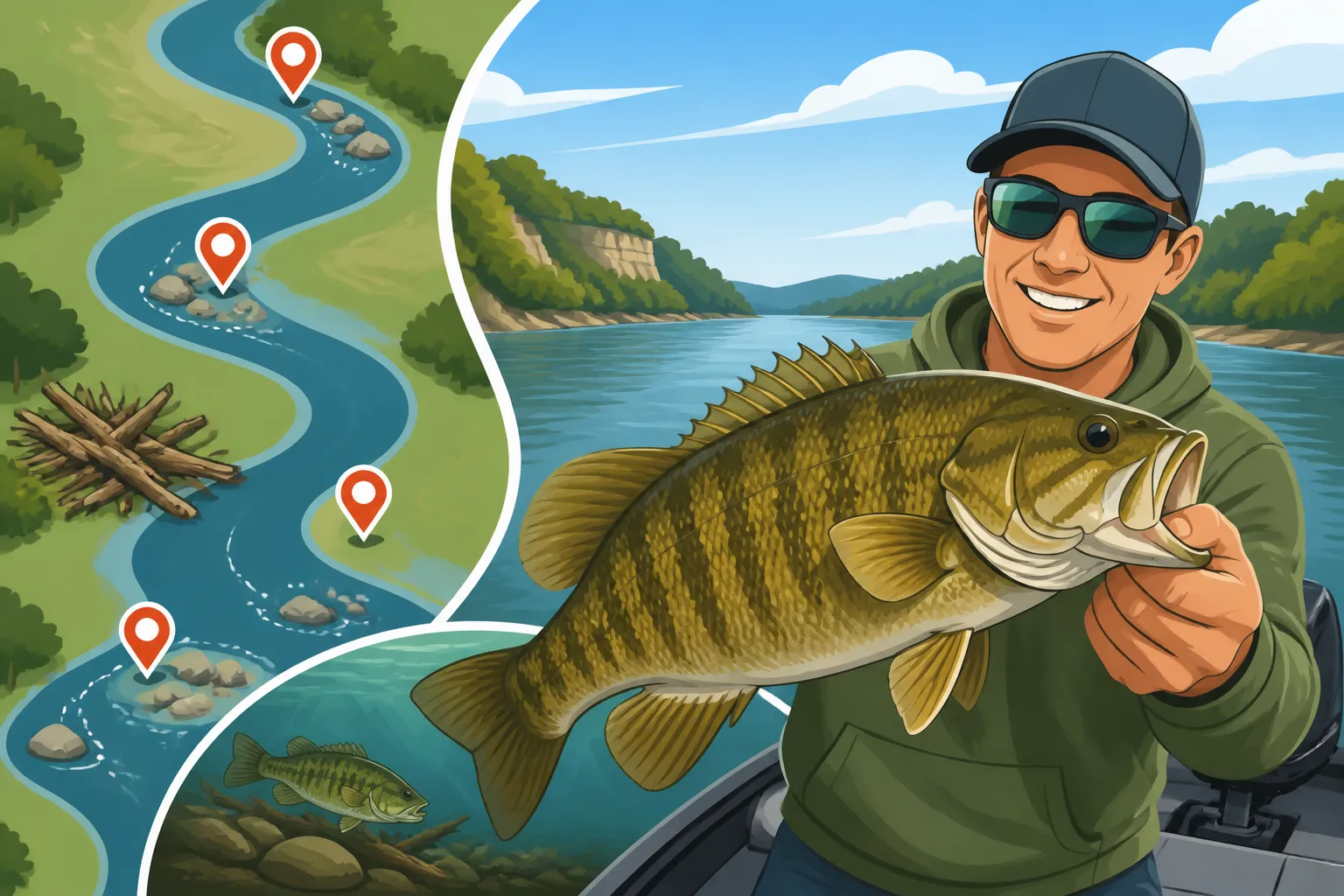
Smallmouth bass are truly kings of the current, unlike their largemouth cousins who prefer calmer, vegetated waters. On the Mississippi River, finding smallmouth is all about understanding structure and current breaks. They thrive in areas with moving water, preferring clean, oxygen-rich environments where they can ambush prey. Think of them as opportunistic predators that use the river's natural features to their advantage.
These bronze bombers love hard bottom. You'll rarely find them over soft, silty flats. Instead, they seek out rocky formations, gravel beds, clam beds, and submerged timber that provide both shelter from the strongest currents and prime ambush points. The Mississippi River, particularly its upper pools that border Iowa, is a mosaic of such features, making it a fantastic smallmouth fishery if you know where to look. Understanding the nuances of the river's diverse environments is key to consistently locating these prized game fish.
The Importance of Current Breaks and Edges
Smallmouth bass aren't going to sit in the full force of the main channel current all day; that's too much work. Instead, they position themselves on current breaks or seams where they can expend minimal energy while waiting for baitfish, crayfish, or insects to be swept past them. These current breaks are crucial. Look for eddy lines created by points, wing dams, bridge pilings, or even large submerged logs. The "break" where fast water meets slower water is a high-percentage zone.
Imagine a fast-food drive-thru: the smallmouth are positioned where they don't have to swim hard but where all the "food" comes directly to them. This often means the downstream side of any obstruction, or the slower water immediately adjacent to a swift current. Even subtle changes in current speed can hold fish. Paying attention to these subtle differences in water flow can often lead you right to a school of hungry smallmouth.
Rocky Structure and Riprap
If you're looking for smallmouth, you absolutely need to be looking for rocks. The Mississippi River in Iowa is lined with riprap along many shorelines, bridges, and lock and dam systems, especially in the northern reaches. This man-made rock armor provides incredible habitat. The crevices offer hiding spots for crayfish and baitfish, while the rocks themselves absorb sunlight, slightly warming the water and attracting more forage.
Natural rock outcroppings, rocky points, and submerged rock piles are equally productive. These areas often feature significant depth changes, offering smallmouth a range of comfort zones depending on the water temperature and time of day. When scouting a new area, always consult your maps for areas marked with rock or "riprap," and don't hesitate to cast your lure tight to these formations. Smallmouth will often hug the rocks, darting out to strike at anything that looks like an easy meal. For deeper dives into their preferred homes, check out our guide on Smallmouth Bass Habitat on the Mississippi River.
Key Mississippi River Stretches for Smallmouth Bass in Iowa
The Mississippi River is a series of navigational pools, each with its own characteristics and prime smallmouth areas along the Iowa border. While smallmouth can be found throughout, some pools consistently offer better opportunities due to the prevalence of their preferred habitat. Knowing these hotspots can save you valuable fishing time.
It's a huge river, and tackling it without some local knowledge can be daunting. Many anglers, even those familiar with other parts of Iowa, often feel overwhelmed by the sheer scale of the Mississippi. But with a bit of guidance, you'll start to see patterns and understand where these hard-fighting fish like to hang out. For those looking for local expertise, a quick search on FishingBooker for Mississippi River guides can connect you with seasoned pros who spend their lives on these waters.
Pool 9: Lansing to Lynxville
Often considered one of the premier smallmouth fisheries on the entire Upper Mississippi, Pool 9, stretching from Lansing, Iowa, north towards Lynxville, Wisconsin, is a smallmouth paradise. The river here is narrower, with stronger currents, numerous wing dams, rocky islands, and extensive riprap shorelines. The diverse structure, combined with relatively clear water, makes it ideal.
- Wing Dams: These rock structures extending out into the river are magnets for smallmouth. Fish the current seams on the upstream and downstream sides, as well as the slack water behind them.
- Rocky Islands and Shorelines: Areas like the Lansing area, with its bluffs and rocky banks, provide excellent bank fishing opportunities for smallmouth.
- Backwaters and Sloughs: While smallmouth primarily prefer main channel current, don't overlook the mouths of larger backwaters where current funnels create seams and eddies.
- More detailed information on this area can be found in our Mississippi River Pool 9 Fishing guide.
Pool 10: Guttenberg to Clayton
South of Pool 9, Pool 10, from Guttenberg to Clayton, continues the tradition of excellent smallmouth habitat. This pool is characterized by more rocky shorelines, bluffs, and numerous islands, many of which are ringed with riprap. The towns of Guttenberg and McGregor offer great access points and local knowledge.
- Below Guttenberg Lock and Dam: The tailwaters below Lock and Dam #10 are always a high-percentage area, though be mindful of safety and restricted zones. The turbulent water often disorients baitfish, creating easy targets for smallmouth.
- Rocky Points and Islands: Focus your efforts around any visible rock formations or islands, particularly those with noticeable current swirling around them.
- Bridge Pilings: Bridge structures, especially the large ones at McGregor, disrupt current and create prime ambush spots.
- For a deeper dive into this section, explore our Mississippi River Pool 10 Fishing article.
Pool 12: Dubuque Area
Further south, the area around Dubuque, specifically Pool 12, also boasts strong smallmouth populations. This stretch features prominent bluffs, rocky banks, and numerous man-made structures that create excellent fishing conditions. Dubuque offers extensive access, including boat ramps and public fishing piers, making it a convenient spot for anglers.
- Dubuque Frontage: The riprap-lined banks along the city of Dubuque, particularly near the Ice Harbor and Shot Tower, can hold surprisingly good numbers of smallmouth.
- Below Lock and Dam 11: Similar to Guttenberg, the turbulent waters below the lock and dam offer consistent action. Always prioritize safety near these structures.
- Islands and Submerged Rock Piles: Use your electronics to locate hidden rock piles and humps, which act as underwater magnets for smallmouth.
- To plan your trip, check out our insights on Mississippi River Pool 12 Fishing.
Wing Dams: The Ultimate Smallmouth Magnets
Across all these pools, wing dams are arguably the most consistent producers of smallmouth bass. These rock structures, built to maintain the river's navigation channel, create dramatic current changes that smallmouth adore. There are countless wing dams up and down the Iowa stretch of the Mississippi.
- Upstream Face: Smallmouth will often sit right on the upstream face of the wing dam, in the current, waiting for food.
- Downstream Eddy: The slack water and eddy lines immediately downstream of the wing dam are classic ambush points.
- Washouts: Strong currents can carve out deep holes on the downstream side, especially at the tip of the wing dam, offering deeper holding water.
- Depth and Current: Experiment with different depths and current speeds around each wing dam. Some days fish will be tight to the rocks, other days a bit further off in the current seam.
- Learning how to fish these structures effectively is covered in our Wing Dam Fishing on the Mississippi River guide.
Here's a quick reference table for some prime smallmouth stretches:
| Mississippi River Pool | Key Iowa Access Points | Primary Smallmouth Habitat | Best Techniques |
|---|---|---|---|
| Pool 9 | Lansing, Harpers Ferry | Numerous Wing Dams, Rocky Islands, Riprap Shorelines | Jigs, Crankbaits, Topwater |
| Pool 10 | Guttenberg, McGregor | Bluff-lined Rocky Banks, Below Lock & Dam 10, Islands | Tubes, Spinnerbaits, Jigs |
| Pool 12 | Dubuque, Bellevue | City Riprap, Bridge Pilings, Below Lock & Dam 11, Submerged Structure | Crankbaits, Jigs, Jerkbaits |
Effective Techniques and Times for River Smallmouth
Catching smallmouth bass on the Mississippi River isn't just about finding them; it's about presenting your lures in a way that triggers their aggressive strikes. These fish are known for their feisty nature, so be prepared for a fight! The techniques often involve casting and retrieving, mimicking their natural prey.
Many anglers find themselves using the same old techniques they use in lakes, only to be frustrated by the river's dynamic environment. The strong currents and varied structure demand a more specific approach. This is where researching local conditions or even booking a trip with a guide through FishingBooker can make a huge difference in your success rate.
Lure Selection: Matching the Hatch and Mood
Smallmouth bass are opportunistic predators, and their diet primarily consists of crayfish, baitfish (like shiners and shad), and various insects. Your lure selection should reflect these food sources.
- Jigs and Soft Plastics: These are arguably the most versatile and effective lures.
- Tube Jigs: Imitate crayfish perfectly. Rig them weedless or with an exposed jig head and drag, hop, or swim them near rocky bottoms. Colors like green pumpkin, brown, and watermelon red flake are staples.
- Grubs and Swimbaits: Small swimbaits on a jig head can mimic baitfish. Pearl, white, and chartreuse patterns work well, especially in stained water.
- Ned Rigs: A finesse option that can be incredibly effective when fish are pressured or less active. Small mushroom-head jigs with a Z-Man TRD are deadly.
- Crankbaits: Great for covering water and triggering reaction strikes.
- Shallow Divers: For fishing over wing dams or riprap. Colors mimicking crawfish (reds, oranges) or baitfish (silver, perch patterns) are excellent.
- Deep Divers: For working drop-offs or deeper current seams.
- Crankbait fishing for smallmouth in rivers can be highly productive, especially when targeting specific structures. Learn more with our guide on Crankbait Fishing for Iowa Smallmouth Bass.
- Spinnerbaits and Chatterbaits: Offer flash and vibration, excellent for searching or in slightly stained water. White, chartreuse, or combinations of both are go-to choices.
- Topwater Lures: When conditions are right (calm mornings, evenings, or overcast days), topwater poppers, walk-the-dog lures, and prop baits can provide explosive strikes. Target these around shallow riprap or the edges of current seams.
- For beginners, a good starting point for lure selection can be found in our Best Lures for a Starter Tackle Box guide.
Timing Your Trip: Seasons and Daily Patterns
River smallmouth fishing has its peak seasons, but successful angling can happen throughout the open water months if you understand their behavior.
- Spring (Post-Spawn): Once water temperatures climb into the 50s and 60s Fahrenheit (10-15°C), smallmouth become highly active and aggressive. They'll be recovering from the spawn and feeding heavily. This is a prime time for jigs, spinnerbaits, and crankbaits.
- Summer: Smallmouth will relate to current breaks and deeper oxygenated water during the heat of summer. Early mornings and late evenings are often the most productive. Night fishing can also be surprisingly good for larger fish. Look for shade and current.
- Fall: As water temperatures drop, smallmouth feed intensely in preparation for winter. This pre-winter bite can be phenomenal, with fish aggressively hitting crankbaits, jerkbaits, and jigs. They'll often group up in deeper holes or along deeper rock ledges.
Always check the Iowa Fishing Season Dates and Limits for specific regulations on bass before heading out. Generally, bass season is open year-round in Iowa, but specific length and bag limits apply.
Essential Gear for Mississippi River Smallmouth Fishing
Having the right gear makes a huge difference when battling strong river currents and hard-fighting smallmouth. You need equipment that can handle the abuse and provide the sensitivity to detect subtle bites. Don't skimp on quality, as a snapped rod or stripped reel can quickly ruin a fantastic day on the water.
Fishing the Mississippi isn't like casting in a calm farm pond; the current alone can put serious strain on your tackle. You'll want gear that's up to the task.
Rods, Reels, and Line
- Rods:
- Spinning Rods: A 6'6" to 7' medium-light to medium power, fast action spinning rod is incredibly versatile. It offers the sensitivity for detecting subtle bites with jigs and soft plastics, yet enough backbone to fight powerful fish.
- Baitcasting Rods: For throwing heavier crankbaits, spinnerbaits, or fishing in heavier cover, a 6'8" to 7'2" medium to medium-heavy power, fast action baitcasting rod is ideal.
- Reels:
- Spinning Reels: A 2500 or 3000 series spinning reel provides a good balance of line capacity and drag power.
- Baitcasting Reels: A low-profile baitcasting reel with a decent gear ratio (7.1:1 or higher for quick retrieves) is perfect for repetitive casting.
- Line:
- Braided Line: Highly recommended for its sensitivity and strength. Spool your reel with 10-20 lb braided line.
- Fluorocarbon Leader: Tie on a 6-10 lb fluorocarbon leader (2-4 feet long) to your braided main line. Fluorocarbon is nearly invisible in water and abrasion-resistant, which is crucial around rocks and timber.
- If you're unsure about choosing a setup, our Fishing Rod and Reel Guide for Iowa Anglers can offer more general advice, but tailor it to the river's demands.
Boat or Kayak Access
While shore fishing is possible in many riprap areas, a boat or kayak significantly opens up your options for chasing smallmouth on the Mississippi.
- Boats: A jon boat, bass boat, or even a deep-V aluminum boat can get you to those crucial wing dams, island points, and deeper current breaks. A reliable trolling motor and a quality depth finder are invaluable for navigating the river and locating structure. Our Best Boats for the Mississippi River guide offers more specific recommendations.
- Kayaks: Kayak fishing is becoming incredibly popular on the Mississippi. A stable, fishing-specific kayak allows you to silently sneak into shallower areas, along shorelines, and even some backwater current seams that larger boats can't access. Just remember safety first, especially with the Mississippi's powerful current and commercial traffic. If you're new to it, consider exploring guides on FishingBooker who specialize in kayak smallmouth trips.
Other Essential Gear
- Life Jacket: Always wear a life jacket, especially on a powerful river like the Mississippi. It's not just a recommendation; it's often a legal requirement.
- Anchor: A good anchor is critical for holding position in current, whether you're in a boat or kayak.
- Polarized Sunglasses: These cut glare, allowing you to see submerged rocks, wing dams, and even cruising smallmouth more clearly.
- Pliers/Hook Remover: Smallmouth have tough mouths, and you'll often be using lures with treble hooks. A good pair of pliers makes hook removal safer and easier for both you and the fish.
- Net: A landing net with a rubberized mesh protects the fish and prevents hooks from tangling.
- First-Aid Kit: Always a good idea to have on hand for any minor cuts or scrapes.
Remember, fishing on the Mississippi River can be an incredibly rewarding experience, but it demands respect for its power and a strategic approach to finding its prized smallmouth bass. With the right knowledge and gear, you'll be well on your way to experiencing the thrill of these fantastic fish.
Disclaimer
Fishing regulations can change, and it's always your responsibility to be aware of the most current rules. Before heading out, please consult the official Iowa Department of Natural Resources (DNR) website or their latest fishing regulation booklet for up-to-date information on licenses, seasons, bag limits, and any specific rules pertaining to the Mississippi River. Safe boating practices are also paramount on this busy waterway.