Spirit Lake Fishing Guide
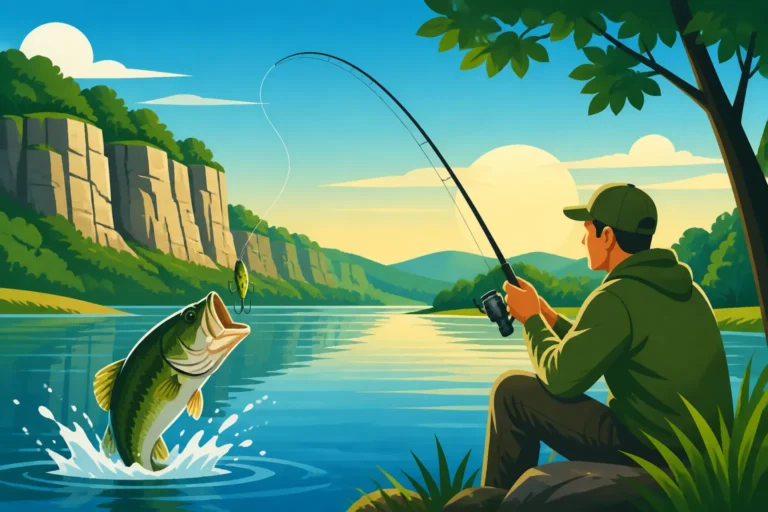
There's nothing quite like the anticipation of a fishing trip to one of Iowa's most legendary lakes, but let's be honest, Spirit Lake can sometimes feel like it's holding all its secrets tight. Many anglers, even seasoned ones, find themselves frustrated by unpredictable bites or not knowing where to start on such a vast and dynamic body of water. This comprehensive guide is here to unravel those mysteries, helping you understand Spirit Lake's unique character, pinpoint prime fishing locations, master effective techniques, and ultimately, elevate your success on the water.
Unveiling Spirit Lake's Fishing Potential
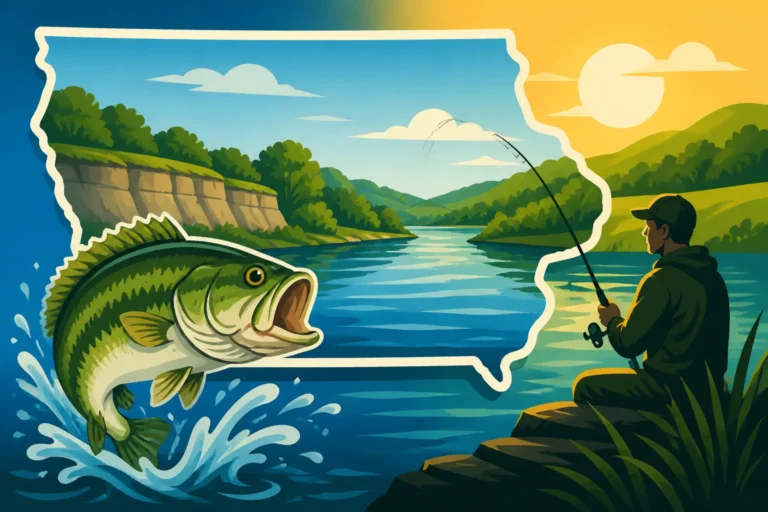
Spirit Lake, the largest natural lake in Iowa, isn't just a picturesque vacation spot; it's a phenomenal fishery that offers diverse opportunities for anglers of all skill levels. But its size and complexity can be daunting. Understanding its depths, structure, and the nuances of its ecosystem is the first step to truly unlocking its potential.
A Deep Dive into Spirit Lake's Unique Characteristics
Spirit Lake is a part of the Iowa Great Lakes chain, known for its clear, deep waters compared to many other Iowa lakes. It spans over 5,600 acres and boasts an average depth of 13 feet, but it plunges to over 24 feet in some areas, providing critical deep-water sanctuaries for fish, especially during the warmer months. Unlike many man-made reservoirs, Spirit Lake’s natural formation has endowed it with varying bottom compositions, from rocky reefs and gravel points to sandy flats and areas of submerged vegetation. These diverse habitats are crucial to understanding where different species might hold at various times of the year. The lake also has a significant amount of boat traffic during peak season, which can influence fish behavior and necessitate fishing during quieter times or in less trafficked areas.
Common Fishing Frustrations and How to Overcome Them
Many anglers visiting Spirit Lake often express frustration with finding fish consistently, especially if they’re used to smaller, less complex bodies of water. One common complaint is the sheer size of the lake, making it feel like finding a needle in a haystack. This can be overcome by focusing on specific types of structure or depth contours where fish are likely to aggregate. For instance, walleyes often relate to rocky points or deep breaks, while panfish might be found near weed lines or brush piles. Another frustration is the ever-changing bite; fish can be here today and gone tomorrow. This usually points to environmental factors like sudden weather shifts, changes in water temperature, or simply fish moving through their seasonal patterns. Keeping an eye on weather forecasts and water conditions is key, as is being adaptable with your techniques, ready to switch from jigging to trolling or live bait presentations at a moment's notice. Don't be afraid to experiment!
Understanding the Ecological Balance
Spirit Lake's ecosystem is a delicate balance that directly impacts fishing success. The lake supports a rich forage base, including yellow perch, minnows, and shiners, which in turn fuel its impressive populations of predator fish like walleye, northern pike, and muskie. However, like any natural system, it faces challenges. Invasive species, water quality fluctuations, and intense fishing pressure can all affect fish populations and behavior. The Iowa Department of Natural Resources (DNR) actively monitors and manages these factors, regularly stocking certain species and implementing regulations to maintain healthy fish stocks. Understanding these efforts can give you insight into why certain species might be more abundant or why specific regulations, like those outlined in the Iowa Fishing Regulations Explained, are in place. Being aware of the lake's overall health and the food chain dynamics helps you anticipate fish movements and feeding behaviors, making you a more informed and successful angler.
Top Fish Species to Target in Spirit Lake
Spirit Lake is celebrated for its incredible diversity, offering a wide array of species for anglers to pursue. From the highly sought-after walleye to abundant panfish and formidable toothy critters, there's always something biting if you know where to look.
Walleye: The Prized Catch of Spirit Lake
Ah, walleye – the undisputed king of Spirit Lake for many anglers. These delicious and notoriously elusive fish draw crowds, especially during prime seasons. Walleyes in Spirit Lake thrive on its abundant forage and diverse structure. You'll typically find them relating to rocky reefs, gravel humps, and the deeper edges of weed lines, particularly where there are sharp breaks in depth. Early mornings and evenings are often the most productive times, as walleyes are light-sensitive and use low-light conditions to their advantage when ambushing prey. During the day, they often retreat to deeper, darker water or thick cover. Understanding their preferred habitat and feeding patterns, which is a major part of successful Walleye Fishing in Iowa, is crucial for consistent success.
Spirit Lake is particularly famous for its strong walleye fishery, with many anglers reporting catches of fish over 20 inches, and even trophy-sized walleyes making appearances annually. These fish can be found throughout the lake, but key areas include the rocky structures off Pillsbury Point, the reefs near the middle of the lake, and the deeper channels leading into the bays. Timing is also critical; the spring and fall offer some of the best opportunities when walleyes are most active.
Perch: A Panfish Powerhouse
Yellow perch are a true gem in Spirit Lake, offering consistent action and a fantastic meal. These striped beauties are incredibly popular, especially for ice fishing, but they provide great angling fun year-round. Perch are schooling fish, so when you find one, you've often found a whole group! They tend to hang out near submerged vegetation, docks, and drop-offs. Their diet mainly consists of small invertebrates and minnows, making them susceptible to small jigs tipped with bait or tiny spoons. You can learn more about their movements and habits in our guide on Perch Populations at the Iowa Great Lakes.
Spirit Lake has a robust perch population, and you’ll often find them congregating in specific areas, especially around the weed lines in Big Spirit Lake or near the many docks and structures closer to the main lake’s shoreline. Anglers consistently report good numbers of keeper-sized perch, providing plenty of fillets for a fish fry. Some of the best spots for these fish are often shallow flats adjacent to deeper water, particularly during spring and fall when they’re actively feeding. If you're looking for specific spots, check out our insights on the Best Spots for Perch at Spirit Lake.
Crappie and Bluegill: Abundant Panfish Opportunities
Beyond perch, Spirit Lake offers fantastic fishing for other beloved panfish: crappie and bluegill. These species are perfect for family outings or for anglers looking for consistent action. Crappie, both black and white, are known for their paper-thin mouths and schooling behavior. They typically relate to submerged timber, brush piles, and weed edges, moving into shallower water during their spring spawn. For more detailed strategies on targeting them, see our comprehensive Crappie Fishing in Iowa guide.
Bluegill, on the other hand, are aggressive little fighters known for their vibrant colors. They can be found in similar habitats to crappie but often prefer slightly shallower, weedy areas. They are highly responsive to small baits and lures, making them an excellent target for beginners. Our Bluegill Fishing in Iowa article offers even more tips for these feisty fish. In Spirit Lake, crappies can be found in the many bays and along sheltered shorelines with good structure. Bluegill are similarly widespread, often found in almost any area with adequate cover and food sources.
Muskie and Northern Pike: Thrills for the Toothier Species Angler
For those seeking a serious adrenaline rush, Spirit Lake delivers with healthy populations of muskie and northern pike. These apex predators are the ultimate challenge, known for their aggressive strikes and powerful fights. Muskie, often called the "fish of 10,000 casts," are a true trophy species. They prefer large structures, deep weed lines, and open water near baitfish schools. Targeting them requires heavy tackle and specialized techniques.
Northern pike, while still formidable, are generally more common and less elusive than muskie. They prefer weedy bays and cooler waters, often lurking in ambush points along weed edges. Both species are excellent fighters and provide an unforgettable experience for those willing to put in the effort. Always remember to handle these fish with extreme care, especially muskie, if you plan to release them, as their conservation is paramount. Large lures, robust lines, and strong rods are essential when pursuing these toothy giants.
Effective Techniques for Spirit Lake Success
Fishing Spirit Lake, like any large body of water, requires a blend of proven techniques and a willingness to adapt. The tactics that work best often depend on the target species, the time of year, and the prevailing conditions.
Mastering Walleye Techniques: Trolling, Jigging, and Live Bait
Catching walleye on Spirit Lake often involves a mix of active and passive approaches.
- Trolling: This is a highly effective method, especially for covering large areas and locating schools of fish. Anglers often use crankbaits, spinner rigs (like a crawler harness), or stickbaits. Adjusting your speed, lure depth, and color based on water clarity and fish activity is crucial. For instance, in clearer water, natural baitfish patterns might excel, while in stained conditions, brighter colors like chartreuse or firetiger could be more productive. Many anglers will troll along breaklines, over humps, or across flats, keeping an eye on their fish finder for schools or individual marks.
- Jigging: When walleyes are holding tight to structure like rock piles or weed edges, vertical jigging can be deadly. Using jigs tipped with minnows, plastics, or even nightcrawlers allows you to precisely target fish. A slow, methodical lift-and-drop presentation often triggers strikes. This technique is particularly effective during cooler water periods or when fish are less active. Pay close attention to your electronics to locate fish and adjust your presentation depth accordingly.
- Live Bait: Simple yet incredibly effective, live bait is a walleye favorite. Minnows, leeches, and nightcrawlers fished under a slip bobber or on a bottom bouncer rig are perennial producers. A slip bobber allows you to present bait at a precise depth, which is fantastic when fish are suspended over structure or weed beds. Bottom bouncers, on the other hand, keep your bait near the bottom while slowly drifting or trolling, ideal for covering ground on flats or along contours. Remember to check local regulations concerning live bait use, as specified in the Iowa Fishing Regulations Explained.
Simple Strategies for Catching Perch and Panfish
Panfish like perch, crappie, and bluegill are generally less finicky than walleye, making them great targets for all skill levels.
- Small Jigs and Live Bait: The go-to for panfish is almost always a small jig, typically 1/32 to 1/16 ounce, tipped with a small minnow, piece of nightcrawler, wax worm, or a small soft plastic grub. Work these jigs slowly around cover such as weed edges, brush piles, or docks. For crappie, focus on submerged timber or brush. For bluegill, target dense weed beds or shallow flats.
- Bobber Fishing: A classic and effective method, especially for bluegill and crappie. Use a small bobber (slip or fixed) to suspend a small hook baited with a worm, wax worm, or minnow just above or within the cover. This is a very visual way to fish and incredibly rewarding when that bobber goes down!
- Casting Small Lures: Tiny spinnerbaits, Beetle Spins, or micro crankbaits can also be very effective, especially for more aggressive panfish or for covering slightly more water. Retrieve them slowly near cover, pausing occasionally to entice a strike. Spirit Lake's clear waters mean you might want to use lighter line, like 4-6 pound test, to avoid spooking these smaller fish.
Targeting Muskie and Pike with Specialized Gear
Pursuing muskie and northern pike is a commitment, requiring specific gear and an understanding of their hunting behaviors.
- Heavy Tackle: You'll need stout baitcasting rods (7-9 feet, heavy action), robust reels capable of handling heavy line (50-100 lb braided), and strong leaders (fluorocarbon or steel) to withstand their razor-sharp teeth.
- Large Lures: Muskie and pike respond to big baits. This includes large crankbaits, bucktail spinners, jerkbaits, glide baits, and soft plastics ranging from 6 to 14 inches or more. These lures mimic the larger forage fish these predators consume.
- Figure Eight: A crucial technique for muskie is the "figure eight" at the side of the boat. After your retrieve, before lifting your lure out of the water, plunge your rod tip into the water and trace a large figure-eight pattern with your lure. Many times, a muskie will follow a lure all the way to the boat and strike during this maneuver.
- Targeting Structure: Both muskie and pike love cover. Focus your efforts around deep weed edges, rocky points, submerged timber, and drop-offs. Pike are often found in shallower, weedy bays, while muskie might patrol deeper breaks or open water near schools of baitfish. Knowing these hunting grounds can significantly increase your chances of a hookup.
Navigating Spirit Lake's Seasons and Conditions
Spirit Lake offers year-round fishing opportunities, but the best techniques and target species shift dramatically with the seasons. Understanding these patterns is critical for consistent success and for maximizing your time on the water. Check the Iowa Fishing Season Dates and Limits for specific regulations that change with the calendar.
Spring's Awakening: Post-Ice Fishing to Spawning Runs
Spring on Spirit Lake is a time of transition and renewed activity, starting right after the ice melts, usually in late March or early April.
- Early Spring (Post-Ice Out): As the ice recedes, the water is still cold, and fish are often sluggish but hungry. Walleyes will be migrating towards shallower spawning areas. Concentrate on sun-warmed north-facing bays and shallow flats with jigs tipped with minnows or slow-trolled crankbaits. Perch and crappie also become more active, often found near emerging weed beds or the mouths of shallow bays.
- Mid-Spring (Spawn): Walleye spawn typically occurs when water temperatures hit the mid-40s to low 50s Fahrenheit. During this period, fishing for them can be challenging and often regulated with specific catch-and-release rules or temporary closures in certain areas. Crappies and bluegills, however, move into very shallow, weedy areas and are easier to target around docks, emergent weeds, and brush piles with small jigs and bobbers. The Iowa Fishing Season Dates and Limits will have all the necessary information.
- Late Spring (Post-Spawn): After spawning, walleyes will be hungry and recovering. They often move to slightly deeper structure adjacent to spawning areas. Trolling crankbaits or presenting live bait on slip bobbers can be very effective as they spread out to feed. Panfish remain active in the shallows as they finish their spawning rituals and begin their summer feeding patterns.
Summer's Bounty: Deep Water and Early Morning Bites
Summer fishing on Spirit Lake is synonymous with warm water, abundant sunshine, and often, more challenging conditions during midday.
- Warm Water Retreat: As surface water temperatures rise, many fish, especially walleyes, retreat to deeper, cooler waters. Look for them on deep breaks, main lake points, and submerged humps using bottom bouncers with crawler harnesses or deep-diving crankbaits. The thermocline (if present) can be a key depth to target.
- Low-Light Feeding: Walleyes are particularly active during low-light conditions – dawn, dusk, and even at night. Consider night fishing for walleye and catfish, especially around lighted docks or using glow-in-the-dark lures. Our guide Is Night Fishing Good at the Iowa Great Lakes? has more tips.
- Panfish in Cover: Crappies and bluegills will often be found in the dense weed beds, around docks, or near brush piles, seeking shade and ambush points. They are still susceptible to small jigs, worms, and crickets. Targeting them early in the morning or late in the evening can yield the best results.
Fall's Frenzy: Feeding Windows Before Winter
Fall on Spirit Lake is a favorite for many anglers, marked by cooling water temperatures and aggressive feeding as fish bulk up for winter.
- The Fall Turnover: As water temperatures drop, the lake undergoes a "turnover," where surface and deeper waters mix. This can temporarily disrupt fishing, but once it stabilizes, fishing can be phenomenal.
- Walleye Aggression: Walleyes become incredibly active, often moving into shallower water during cloudy days or low-light conditions to feed heavily. Trolling large crankbaits or casting jerkbaits along rocky shorelines and main lake points can be highly effective. The Best Time to Fish the Iowa Great Lakes for Walleye is often cited as late fall.
- Panfish Piling Up: Crappies and perch will start to school up in larger numbers, moving to deeper pockets, brush piles, or main lake structure. Finding these schools can lead to fast and furious action. Vertical jigging with minnows or small spoons works wonders. Northern pike and muskie are also in full feeding mode, making fall a prime time for trophy hunting.
Ice Fishing Adventures: Safety and Strategies
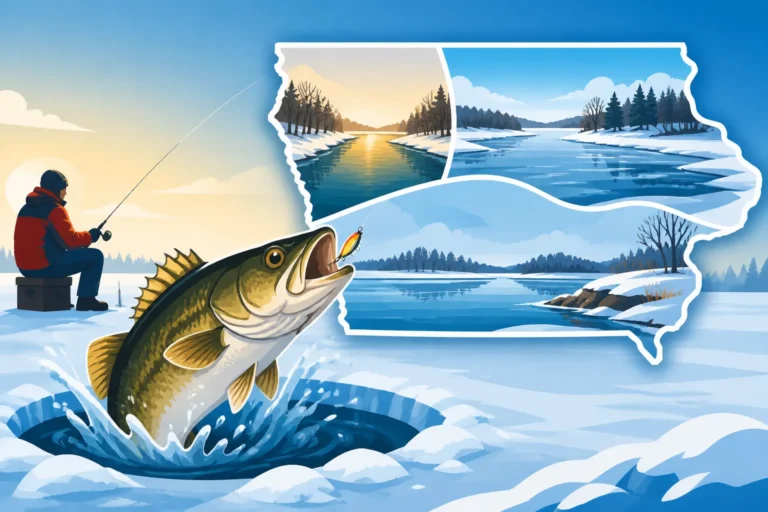
Spirit Lake is a premier destination for Ice Fishing in Iowa, drawing thousands of anglers when the lake freezes over.
- Early Ice Excitement: The first safe ice, typically 4 inches or more, often provides some of the best fishing of the season. Fish are still active from the fall feeding frenzy and can be found in relatively shallower water before retreating to deeper areas.
- Mid-Winter Patterns: As winter progresses and ice thickens, fish tend to move to deeper structures, humps, and the edges of expansive flats. Walleye often congregate on main lake structure. Perch and crappie can be found in deeper weed lines or brush piles. Essential gear includes a good auger, portable shelter, and electronics like a flasher or fish finder to locate fish and monitor depth.
- Late Ice Opportunities: Just before spring thaw, late ice can offer another surge of activity as fish begin their pre-spawn movements. Walleyes move shallower, and panfish become incredibly aggressive. Always prioritize ice safety; conditions can change rapidly. Check local reports and never venture out alone.
| Species | Best Spring Technique | Best Summer Technique | Best Fall Technique | Best Winter (Ice) Technique | Typical Spirit Lake Location |
|---|---|---|---|---|---|
| Walleye | Jigging minnows, slow trolling | Deep trolling crankbaits, night fishing | Trolling large cranks, jerkbaits | Jigging spoons/minnows (deeper) | Rocky reefs, deep breaks, humps |
| Yellow Perch | Small jigs, live worms/minnows | Small jigs, dropshot rigs | Jigging spoons/minnows (schooling) | Small jigs, wax worms (weed lines/bays) | Weed lines, docks, main lake structure |
| Crappie | Bobber & minnow/jig (shallow) | Small jigs, trolling (brush piles) | Vertical jigging (deep schools) | Small jigs, minnows (brush piles/bays) | Submerged timber, brush, weed edges |
| Bluegill | Worms under bobber (weed lines) | Small jigs, worms (docks/weeds) | Small jigs, worms (transition areas) | Ice jigs, wax worms (shallow weeds) | Weedy bays, shallow flats, docks |
| Muskie/Pike | Large jerkbaits/spoons (weeds) | Large bucktails/crankbaits (open water) | Large baits (feeding aggressively) | Tip-ups with large minnows (weeds) | Deep weed lines, main lake structure |
Essential Access, Amenities, and Practical Advice
Getting to Spirit Lake and making the most of your trip involves knowing where to launch, where to find supplies, and perhaps even where to find a seasoned pro to guide you.
Public Access Points and Boat Ramps
Spirit Lake offers several excellent public access points and boat ramps, making it easy for anglers with boats to get on the water.
- Spirit Lake Public Access: Located at the north end of the lake, this ramp provides ample parking and easy access to the main body of Spirit Lake. It’s a popular spot and can get busy on weekends.
- Marble Beach State Park: On the western shore, Marble Beach offers a well-maintained ramp and facilities, providing access to a different section of the lake. This can be a good option when other ramps are crowded.
- Templar Park: Situated on the eastern side, Templar Park provides another convenient boat launch, offering good access to the lake's eastern features and nearby bays.
- Other Smaller Ramps: Throughout the lake, there are smaller, often less-used ramps that can provide quicker access to specific fishing grounds, especially for smaller boats or kayaks. It's always a good idea to scout these out beforehand, as detailed in our guide on Best Public Access on Spirit Lake. Always check for local rules regarding parking and ramp usage, especially during peak season.
Local Fishing Resources and Bait Shops
No fishing trip is complete without the right bait and tackle, and Spirit Lake has several great options.
- Okoboji Bait & Tackle: A staple in the Lakes Area, Okoboji Bait & Tackle offers a wide selection of live bait, lures, fishing rods, and local knowledge. Their staff can provide up-to-date fishing reports and point you in the right direction.
- Cabin Fever Sporting Goods: Another excellent local resource, Cabin Fever provides everything from fishing gear to hunting supplies, ensuring you have what you need for a successful trip. They often have specific recommendations for Spirit Lake fishing, which can be invaluable.
- Local Convenience Stores: Many smaller convenience stores around Spirit Lake also carry basic fishing supplies, especially live bait like minnows and worms, which can be a lifesaesaver if you forget something or need to restock quickly. Always buy fresh bait from reputable local dealers to ensure quality and prevent the spread of invasive species.
Guide Services for a Spirit Lake Advantage
Sometimes, the best way to crack the code on a new or challenging lake is to hire a local expert. Spirit Lake boasts several highly experienced fishing guides who can put you on fish, teach you techniques, and share invaluable local knowledge.
- Benefits of a Guide: A professional guide knows the lake's hot spots, seasonal patterns, and current bite. They provide all the necessary gear, expertise, and a comfortable boat, allowing you to focus purely on fishing. This can be especially beneficial if you're new to the area or targeting a specific, elusive species like muskie.
- Booking a Guide: Websites like FishingBooker are excellent platforms for finding and booking reputable fishing guides on Spirit Lake. You can browse various charters, compare prices, read reviews from other anglers, and find a guide specializing in the species you want to target, whether it's walleye, muskie, or panfish. Booking through a service like FishingBooker also provides a layer of security and convenience, streamlining the process of finding the right expert for your trip. Many guides on FishingBooker offer half-day or full-day trips tailored to your preferences, ensuring you get the most out of your Spirit Lake adventure.
Spirit Lake Regulations and Conservation Efforts
Fishing is a privilege, and with it comes the responsibility to adhere to regulations and practice conservation. Understanding and following these rules ensures Spirit Lake remains a vibrant fishery for future generations.
Key Regulations to Keep You Compliant
Iowa has specific rules governing fishing, and Spirit Lake, being a major fishery, has its own set of nuances.
- Fishing Licenses: Every angler aged 16 or older needs a valid Iowa fishing license. Non-residents also need a license, and the costs can vary. You can easily purchase these online, at bait shops, or through the Go Outdoors Iowa app. Our detailed Iowa Fishing License Guide covers all the essentials you need to know about obtaining yours.
- Length and Bag Limits: Specific species like walleye, crappie, and bass often have minimum length limits and daily bag limits. These are put in place by the Iowa DNR to manage fish populations and ensure sustainable harvesting. For instance, walleye in Spirit Lake typically have a 17-22 inch protected slot, meaning fish within that size range must be released, with exceptions for one fish over 22 inches. Always consult the current Iowa Fishing Regulations booklet or the DNR website before you head out, as these rules can change annually.
- Gear Restrictions: Certain types of gear, such as trotlines or certain baitfish, may have specific restrictions or be prohibited in some waters. Always double-check what is allowed to avoid any violations. Understanding regulations is key to avoiding penalties, which can be significant if you're caught breaking the rules. For a deeper dive into the broader regulatory landscape, our Iowa Fishing Regulations Explained article offers comprehensive insights.
Practicing Responsible Angling
Beyond just following the rules, responsible angling is about preserving the resource.
- Catch and Release: For many species, especially muskie and trophy-sized walleye, practicing catch and release is highly encouraged. If you plan to release a fish, handle it carefully, minimize its time out of water, and use proper release techniques (e.g., using a dehooker, supporting the fish horizontally).
- Preventing Invasive Species: Always clean, drain, and dry your boat, trailer, and all fishing gear after each outing. This prevents the spread of invasive species like zebra mussels or Eurasian watermilfoil, which can devastate native ecosystems.
- Leave No Trace: Pack out everything you pack in. Dispose of all trash, including fishing line, in designated receptacles. Leaving the shoreline and water cleaner than you found it helps maintain the natural beauty and health of Spirit Lake.
- Reporting Violations: If you witness any fishing violations, such as someone exceeding bag limits or using illegal methods, report it to the Iowa DNR. Conservation is a community effort, and your vigilance helps protect the fishery for everyone.
Disclaimer
Please remember that fishing regulations, conditions, and fish behavior are subject to change. Always consult the official Iowa Department of Natural Resources (DNR) website or the latest fishing regulations booklet before your trip to ensure you have the most up-to-date information. Stay safe, be respectful of nature and fellow anglers, and enjoy your time on the water.