Safety Gear Required on an Iowa Boat
When you're out on Iowa's beautiful lakes and winding rivers, the excitement of the catch can sometimes overshadow the practicalities of boating. However, a lot of anglers don't realize just how many pieces of safety gear are legally required on their vessel, leading to stressful encounters with DNR officers or, worse, being unprepared in an actual emergency. This comprehensive guide will walk you through all the essential safety equipment you need to have on your Iowa boat, ensuring every trip is both fun and safe.
Why Boat Safety is Non-Negotiable on Iowa Waters
It's easy to think of safety gear as just another checklist item, something the "rules" make you carry. But the truth is, every piece of required equipment is there for a reason, often stemming from real-life incidents or critical needs that arise on the water. Beyond the legalities, understanding why these items are important can shift your perspective from obligation to genuine preparedness.
The Human Element: Protecting Yourself and Your Loved Ones
Picture this: you're out on Clear Lake in Iowa on a perfectly sunny day, a gentle breeze, and the fish are biting. Suddenly, a rogue wave from a passing boat washes over your transom, or maybe you hit a submerged log. In a flash, you're in the water. This isn't just a hypothetical scenario; it happens. When you or a loved one unexpectedly goes overboard, or your boat starts taking on water, quick access to a personal flotation device (PFD) or a way to bail water can literally be the difference between a minor scare and a serious tragedy. It's about having the tools to respond immediately and protect lives, ensuring everyone comes home safe.
Even seemingly minor issues can escalate quickly. A small cut from a fishing hook, a slip on a wet deck, or a sudden change in weather can turn a relaxing outing into a perilous situation if you're not equipped. Thinking about these possibilities isn't about fear-mongering; it's about being a responsible boater who values the safety of themselves, their passengers, and even other people on the water.
Avoiding Fines and Legal Headaches
Let's be honest, nobody wants their fishing trip interrupted by a law enforcement boat pulling alongside. Iowa Department of Natural Resources (DNR) officers routinely patrol our waterways, conducting safety checks to ensure everyone is compliant with state and federal regulations. If you're found to be missing required safety gear, you're looking at a citation, which means a fine and a significant dampener on your day.
These regulations aren't arbitrary; they are the law, and adherence is mandatory for operating a vessel in Iowa. Understanding and preparing for these checks is much simpler and less expensive than facing the consequences of non-compliance. Think of it as part of your pre-trip routine, just like checking your fuel or tying down your gear. It’s a small investment of time and resources that pays off in peace of mind and an uninterrupted day on the water.
Mandatory Safety Equipment for All Iowa Boats
Iowa's boating regulations are designed to keep everyone safe. While specific requirements can vary slightly depending on the size and type of your vessel, there are several foundational pieces of safety equipment that virtually every boat needs. This isn't just a suggestion; it's the law, and having these items in good working order and easily accessible is crucial.
Personal Flotation Devices (PFDs)
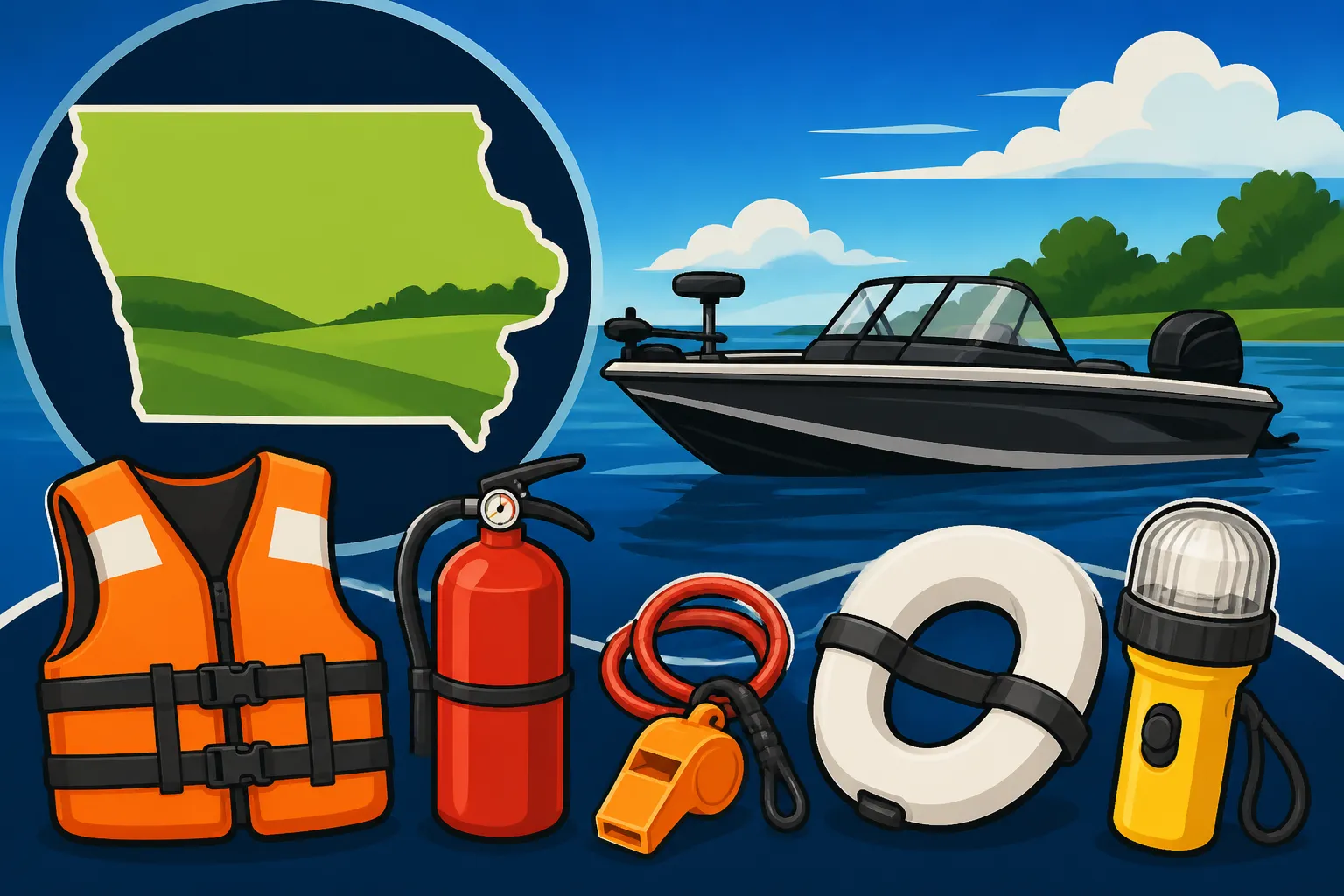
This is perhaps the most critical piece of safety equipment. Every single person on board your boat, regardless of age or swimming ability, must have a U.S. Coast Guard-approved wearable PFD that is readily accessible and in good, serviceable condition. "Readily accessible" means it shouldn't be stowed away in a locked compartment or under a pile of gear; it should be quick to grab and put on. "Serviceable condition" means no rips, tears, broken straps, or signs of deterioration that would affect its performance.
For boats 16 feet or longer (excluding canoes and kayaks), you also need one Type IV throwable PFD, like a ring buoy or a cushion. This is intended to be thrown to someone who has gone overboard, providing them with buoyancy until you can get to them. Remember that children under 13 must wear a PFD at all times while the vessel is underway, unless they are below deck or in an enclosed cabin. This rule is especially important in Iowa, where many families enjoy boating. For more details on who needs one, check out Is a Life Jacket Required by Law on Iowa Boats?.
Visual Distress Signals (VDS)
For boats operating on federally controlled waters (which includes larger navigable rivers like the Mississippi River and some of the larger lakes at times, depending on specific designations), and for all boats when operating between sunset and sunrise, visual distress signals are required. These signals allow you to alert other vessels or rescue personnel to your position in an emergency.
Common types of VDS include pyrotechnic flares (which have expiration dates and must be replaced) and non-pyrotechnic signals like orange flags (for daytime use) or an electric distress light (for nighttime use). The specific type and quantity depend on your boat's size and where you'll be boating. Make sure your VDS are current, stored in a waterproof container, and easily reachable.
Sound-Producing Devices
Every boat needs some way to make an efficient sound signal. For boats less than 39.4 feet (12 meters) in length, this can be as simple as a handheld air horn or a whistle. For larger vessels, a bell is also required. These devices are crucial for communicating with other vessels, especially in conditions of reduced visibility like fog or heavy rain, or for signaling distress. Imagine a sudden fog rolling in on Spirit Lake Fishing Guide – a reliable sound device becomes indispensable.
A single blast from a whistle can warn another boater of your presence, preventing a collision. A continuous blast might signal distress, letting nearby boaters know you need assistance. It's a simple, inexpensive piece of gear that has a vital role in preventing accidents.
Fire Extinguishers
Fire on a boat is a terrifying prospect, especially with fuel, oil, and electrical systems in close proximity. Most boats with enclosed fuel tank compartments, permanently installed fuel tanks, or enclosed living spaces (like a cabin) are required to carry a U.S. Coast Guard-approved marine fire extinguisher. The type and number of extinguishers depend on the length of your boat.
These extinguishers must be readily accessible, in good working condition, and charged. Check the pressure gauge regularly and ensure the seal isn't broken. Knowing where your extinguisher is and how to use it can be a lifesaver. If you're wondering if your smaller boat needs one, you might find answers in Do You Need a Fire Extinguisher on a Small Boat?.
Navigation Lights
If you plan on operating your boat between sunset and sunrise, or during periods of restricted visibility (like fog), navigation lights are mandatory. These lights are critical for preventing collisions at night. Generally, boats need a red light on the port (left) side, a green light on the starboard (right) side, and an all-around white light (or separate masthead and stern lights for larger vessels).
These lights signal your presence and direction to other boaters, ensuring that everyone can see and be seen. Always make sure your navigation lights are functioning correctly before heading out in low light conditions. A quick check of your electrical system and bulbs can prevent a dangerous situation.
Registration and Documentation
While not strictly "safety gear" in the traditional sense, having your boat properly registered and your documentation onboard is a fundamental legal requirement that impacts your ability to safely and legally operate. All motorized vessels and sailboats over a certain length must be registered with the Iowa DNR. Your registration numbers must be properly displayed on both sides of the bow, and the current registration decal affixed correctly.
Always carry your current certificate of registration or title onboard. Law enforcement officers will ask for these documents during routine safety checks. Failure to produce them can lead to delays, fines, and potentially having your boat impounded. For a detailed walkthrough of this process, see Iowa Boat Registration Requirements and How to Register a Boat in Iowa. Knowing what documents to have, as detailed in Documents Needed to Register a Boat, will save you a lot of hassle.
Beyond the Basics: Recommended Additional Safety Gear
While complying with the mandatory safety gear list is essential, smart boaters go a step further. Many seasoned anglers and recreational boaters carry additional items that aren't strictly required by law but can make a huge difference in comfort, convenience, and safety during unexpected situations on Iowa's diverse waterways.
First-Aid Kit
Imagine catching a particularly feisty Channel Catfish Fishing in Iowa and, in the excitement, a hook snags your finger. Or maybe someone scrapes a knee climbing back into the boat. A well-stocked first-aid kit is incredibly valuable for handling minor injuries that are common on the water. Beyond basic cuts and scrapes, consider items for headaches, seasickness, or allergic reactions.
A waterproof and easily accessible kit should contain bandages, antiseptic wipes, pain relievers, gauze, medical tape, sunscreen, insect repellent, and any personal medications. It’s a small, inexpensive addition that offers immense peace of mind. You never know when you'll need a simple band-aid or something more substantial.
Anchor and Rope
An anchor isn't just for holding your position while you're fishing your favorite Mississippi River Pool 9 Fishing spot; it's a vital safety tool. If your engine fails, or you're caught in strong winds or current, an anchor can prevent your boat from drifting into dangerous areas like dams, rapids, or rocky shorelines. It can also help stabilize your boat for emergency repairs.
Ensure you have an anchor that is appropriately sized for your vessel and the types of bottom you'll encounter (sand, mud, rock). Equally important is having enough anchor line – typically 7-10 times the depth of the water you plan to anchor in, plus some extra. To learn more about selecting the right amount of line, you might want to read How Much Anchor Rope You Need.
Bailing Device or Pump
Whether it's an unexpected leak, heavy rain, or a splash from a large wake, water can find its way into your boat. A bailing device, such as a bucket or scoop, or an electric bilge pump, is crucial for removing this water before it becomes a problem. Even small amounts of water can affect your boat's stability and could potentially damage sensitive electronics.
A manual bailer should be on every boat, even those with an electric bilge pump, as pumps can fail. Ensure your bailer is sturdy and has a handle for easy use. For larger boats, a functional electric bilge pump with a float switch is highly recommended to handle water accumulation automatically.
Paddle or Oars
An engine malfunction is frustrating, but it doesn't have to ruin your day or strand you. Even on a boat with a powerful outboard, having a set of sturdy oars or a paddle can provide a way to propel your vessel back to shore or to a safe mooring spot if your engine quits unexpectedly. This is especially true for smaller vessels or when you're navigating tight coves or shallow areas where your motor might be impractical.
This seemingly old-fashioned piece of gear offers a reliable backup plan. Make sure the paddles or oars are long enough to be effective for your boat's size and that you have a secure place to store them where they won't interfere with operation but are still quickly accessible.
Communication Devices
While a cell phone is almost always in your pocket, relying solely on it for emergencies on the water can be risky. Batteries die, signals drop, and phones aren't always waterproof. Carrying a fully charged cell phone in a waterproof case is a good start, but a marine VHF radio provides a more reliable line of communication, especially on larger bodies of water or where cell service is spotty.
A VHF radio allows you to communicate directly with other boaters, marinas, and the Coast Guard on dedicated marine frequencies. This can be invaluable if you need to call for help, report an emergency, or simply get a weather update. Consider also carrying a fully charged portable power bank for your cell phone as an extra measure.
Extra Fuel and Tools
Running out of gas far from the ramp is a common and entirely avoidable mistake. Always carry a reserve supply of fuel, especially if you're exploring new areas or planning a long day on the water. A good rule of thumb is to use one-third of your fuel to get out, one-third to get back, and keep one-third in reserve for emergencies.
Additionally, a basic set of tools – pliers, screwdrivers, a wrench, electrical tape, and spare parts like spark plugs or fuses – can help you address minor mechanical issues that might otherwise leave you stranded. Being able to tighten a loose connection or replace a fuse can get you back on your way quickly.
Weather Radio
Iowa's weather can be unpredictable, with sunny skies quickly giving way to severe thunderstorms. A dedicated weather radio (or an app on your waterproofed phone with weather alerts) can provide crucial real-time updates on changing conditions, allowing you to seek shelter before a storm hits. Many marine VHF radios also have weather alert functions.
Staying informed about impending bad weather isn't just about comfort; it's about safety. High winds, heavy rain, lightning, and large waves can turn a calm lake into a dangerous environment in minutes. Knowing when to head back to shore is a vital part of responsible boating.
Equipping Your Iowa Boat: Where to Find What You Need
Once you understand what safety gear is required and what's highly recommended, the next step is actually acquiring it. Thankfully, there are many convenient options available, whether you prefer to see things in person or have them delivered right to your door.
Local Marine and Outdoor Retailers
For many boaters, there's nothing quite like walking into a dedicated marine or outdoor store. Places like Bass Pro Shops offer a fantastic opportunity to see, touch, and compare different types of PFDs, anchors, and other gear. You can talk to knowledgeable staff, ask questions, and get personalized recommendations based on your specific boat and typical fishing conditions. This hands-on approach can be invaluable, especially for items where fit or specific features matter, like choosing the right life jacket style or a particular type of anchor for Fishing the Des Moines River in Iowa.
Plus, shopping locally supports your community and sometimes means you can get instant gratification, walking out with what you need right away instead of waiting for shipping. They often carry regional-specific gear that might be harder to find online.
Online Shopping for Convenience and Selection
Of course, the convenience of online shopping is hard to beat. Websites like Amazon offer an unparalleled selection of boating safety gear, often with competitive pricing and the ability to read reviews from other boaters. You can easily compare different brands and models from the comfort of your home, and have everything delivered directly to you. This is particularly useful for items that don't require a precise fit or hands-on inspection, such as fire extinguishers, basic first-aid kits, or specific types of visual distress signals.
When buying online, always double-check product specifications to ensure items are U.S. Coast Guard-approved where applicable, and pay close attention to sizing charts for PFDs. It's also a great way to find those less common items that might not be stocked in every local store.
Checking Gear Condition and Expiration Dates
Simply buying the gear isn't enough; you need to maintain it. Regularly inspect all your safety equipment to ensure it's in good working order. PFDs should be checked for tears, fading, or mildew that can compromise their buoyancy. Replace any PFDs that show significant wear and tear. Visual distress signals, especially flares, have expiration dates and must be replaced before they expire. Fire extinguishers need to be checked for pressure and damage.
Make it a habit to do a quick safety check before every outing. This includes testing navigation lights, ensuring your sound-producing device works, and confirming your registration is current. These small, consistent efforts ensure that when an emergency strikes, your gear will be ready to perform its critical function. For a general overview of required equipment, don't miss Required Safety Equipment for Iowa Boats.
Mandatory vs. Recommended Safety Gear Checklist
To help you keep track, here's a quick overview of what's generally mandatory and what's highly recommended for boating on Iowa waters:
| Category | Mandatory (General) | Recommended (Beyond Basics) |
|---|---|---|
| Personal Flotation | 1 USCG-approved PFD per person (wearable) | Extra PFDs, appropriately sized for guests |
| 1 Type IV throwable PFD (boats 16'+) | ||
| Signaling Devices | Visual Distress Signals (VDS) for certain waters/times | Air horn, signal mirror, flashlight, whistle (if not primary) |
| Sound-producing device (whistle/horn) | VHF radio, waterproof phone | |
| Fire Safety | Fire extinguisher (if applicable to boat type) | Multiple extinguishers, fire blanket |
| Navigation | Navigation lights (if operating at night/low visibility) | Spare bulbs/fuses, spotlight |
| Boat Operation | Registration & documentation onboard | Spare engine kill switch lanyard |
| Manual or electric bilge pump (if not primary) | ||
| Emergency Prep. | First-aid kit, anchor & sufficient rope | |
| Paddle/oars, basic tool kit, extra fuel | ||
| Weather radio/app, knife, sun protection |
Disclaimer
This article is for general informational purposes only and does not constitute professional advice. Laws, prices and regulations vary by location and change over time. Consult a qualified professional for guidance on your specific situation.