Best Cold Weather Clothing for Ice Fishing
Stepping out onto the ice in Iowa on a crisp winter morning, the cold can hit you like a freight train if you’re not prepared. It’s not just about staying warm; it’s about staying safe and comfortable enough to actually enjoy your time out there chasing those elusive walleye or feisty panfish. This guide is all about equipping you with the knowledge to pick out the best cold weather clothing for ice fishing, ensuring you're warm, dry, and ready for whatever Mother Nature throws your way.
The Foundational Layering System for Ice Fishing
When it comes to battling the biting Iowa winter winds and sub-zero temperatures out on the ice, simply throwing on your heaviest winter coat isn't going to cut it. The secret sauce, my friends, is all in the layers. Think of it like building a house – you need a solid foundation, sturdy walls, and a weather-tight roof to keep everything comfortable inside. Your ice fishing attire is no different. A well-chosen layering system allows you to adapt to changing conditions, whether the sun pops out, a cloud rolls in, or you're hiking a long distance across the ice to your favorite spot.
The beauty of layering is its versatility. You might start your day bundled up, but as you drill holes, set tip-ups, or the temperature unexpectedly rises a few degrees, you can shed a layer or two to avoid overheating. Overheating, ironically, is a huge risk factor for getting cold, as sweat can quickly turn icy against your skin, chilling you to the bone. This strategic approach to dressing is what separates a truly enjoyable day on the ice from a miserable one. It's about being proactive, not reactive, to the weather's whims.
Understanding the "Base, Mid, Outer" Principle
At its core, a successful cold weather clothing system for ice fishing revolves around three distinct layers, each with a specific job: the base layer, the mid-layer, and the outer layer. Each layer works in harmony to keep you warm, dry, and protected. It’s not just about piling on clothes, but about selecting the right materials and fit for each purpose.
The base layer is your first line of defense, sitting directly against your skin. Its primary mission is to wick moisture away from your body, keeping you dry even when you're exerting yourself. A dry body is a warm body, plain and simple. Next comes the mid-layer, which is all about insulation. This layer traps warm air close to your body, providing the bulk of your warmth. Finally, the outer layer is your protective shell. It needs to be windproof, waterproof, or at least highly water-resistant, to shield you from the elements while allowing moisture vapor to escape from the inner layers. Skipping or mismanaging any of these layers can compromise the entire system, leaving you vulnerable to the cold.
Key Benefits of Layering for Iowa Ice Anglers
For those of us who brave the frozen lakes and rivers of Iowa, the benefits of a proper layering system are immense. First and foremost, it offers unparalleled temperature regulation. You can easily add or remove layers to match your activity level and the ambient temperature, preventing both overheating and chilling. Imagine drilling a dozen holes in quick succession – you'll be working up a sweat! Being able to shed a mid-layer for a few minutes can make all the difference.
Secondly, layering provides superior moisture management. As we discussed, a good base layer pulls sweat away, and the breathable mid and outer layers allow it to evaporate, keeping you dry. This is especially crucial for ice fishing, where you're often exposed to freezing temperatures for extended periods. Lastly, a well-designed layering system offers flexibility and protection. The outer shell, in particular, guards against wind, snow, and slush, while the inner layers ensure you remain warm. This comprehensive approach means you can focus on fishing, not fighting the cold. If you want to dive deeper into the basics of what you need to start, check out our guide on Ice Fishing Gear Basics for Beginners.
The Critical Base Layer: Wicking Away the Chill
Your base layer is arguably the most important piece of your ice fishing wardrobe. It's the unsung hero, the quiet workhorse that keeps you feeling comfortable and dry from the moment you step onto the ice until you pack up your gear. Many beginners underestimate its importance, thinking any old long johns will do. However, a poor base layer choice can quickly turn a fun day into a miserable, damp, and dangerously cold experience. The goal is not just to add warmth, but to manage the moisture your body naturally produces.
Even when it's freezing outside, your body is constantly generating heat and, inevitably, sweat, especially when you're active – whether that's hauling your auger, setting up a shelter, or reeling in a big one. If that sweat stays trapped against your skin, it cools down rapidly, drawing heat away from your body. This can lead to hypothermia in extreme cases, but more commonly, it just leaves you feeling clammy and cold. A good base layer actively moves that moisture away from your skin and out to the next layer, allowing it to evaporate or be further wicked away.
Choosing the Right Base Layer Material
When it comes to base layer materials, you essentially have two main champions: synthetics and merino wool. Each has its own strengths and weaknesses, making the choice dependent on your personal preferences and the specific conditions you anticipate.
Synthetics, like polyester, are fantastic at wicking moisture. They dry incredibly fast, which is a huge plus when you're active. Many synthetic base layers also come with antimicrobial treatments to combat odor, a welcome feature after a long day of fishing. They tend to be durable and often more affordable than merino wool, making them a popular choice. Brands like Under Armour or other athletic wear companies found on platforms like Amazon often offer excellent synthetic options. However, they can sometimes feel a bit less soft against the skin compared to wool and, despite treatments, can still hold onto smells more than natural fibers over extended use.
Merino wool, on the other hand, is nature's marvel. It's exceptionally warm for its weight, incredibly soft, and boasts amazing odor resistance – you can wear it for days without it smelling! Crucially, merino wool can also insulate even when wet, a significant advantage if you happen to get a little damp. It naturally wicks moisture, though perhaps not as aggressively fast as some synthetics. The main downsides are usually the cost, which tends to be higher, and it can be a bit less durable, especially if not cared for properly. For those who prioritize natural fibers and superior comfort, merino is often the top pick, and reputable outdoor retailers often stock great merino options from brands like Smartwool or Icebreaker.
Fit and Functionality of Base Layers
The fit of your base layer is just as crucial as the material. For optimal performance, a base layer should fit snugly against your skin, like a second skin, but without being constrictive. This close contact is essential for the fabric to effectively wick moisture away from your body. If it's too loose, there will be air gaps between the fabric and your skin, reducing its ability to pull sweat outward. Think of it like a sponge – it needs to be directly touching the liquid to absorb it.
Beyond fit, consider the weight of the base layer. Base layers come in lightweight, midweight, and heavy/expedition weight options. For typical Iowa ice fishing, a midweight base layer is often a great all-around choice, offering a good balance of warmth and wicking capability. If you run particularly cold or plan to be out in extreme conditions, a heavy weight might be better. Conversely, if you're very active or anticipating slightly milder winter days, a lightweight option could suffice. Remember, the goal is to feel comfortably dry and warm, not suffocated or overheated, as How Warm to Dress for Iowa Ice Fishing details further.
Insulating Mid-Layers: Trapping the Warmth
Once your base layer is handling moisture, your mid-layer steps up to the plate with one mission: to keep you warm. This is the thermal core of your ice fishing ensemble, designed to trap pockets of warm air close to your body, acting as a buffer against the penetrating cold. Without a good mid-layer, even the best base and outer layers will struggle to keep you comfortable when the temperatures drop. This is where you really build your warmth, and having versatile options can make a huge difference in adapting to conditions.
The beauty of mid-layers is their ability to be added or subtracted as needed. On a moderately cold day, one good mid-layer might be enough. On those brutally cold Iowa days when the wind whips across the open ice, you might find yourself needing two mid-layers to create enough insulation. This flexibility is a cornerstone of effective cold weather dressing.
Fleece and Down: Your Mid-Layer Options
When selecting mid-layers, you'll primarily be looking at two popular and effective materials: fleece and down (or synthetic alternatives). Each has distinct characteristics that make them suitable for different situations.
Fleece is a synthetic fabric that excels at trapping air and providing warmth, even when damp. It's generally breathable, durable, and relatively inexpensive, making it a go-to choice for many ice anglers. Fleece jackets and pants come in various thicknesses (100-weight, 200-weight, 300-weight), allowing you to customize your warmth level. A 200-weight fleece jacket or vest is often a perfect mid-layer for many ice fishing scenarios. The main drawback of fleece is that it can be bulky compared to down for the same warmth, and it doesn't pack down as small. You can find excellent fleece options at any outdoor store, and browsing online at Bass Pro Shops or Amazon will yield countless choices.
Down insulation, typically from ducks or geese, offers superior warmth-to-weight ratio and compressibility. A thin down vest or jacket can provide an incredible amount of warmth without adding much bulk, making it easy to layer. However, down loses its insulating properties significantly when wet, which can be a major concern on the ice if you take a tumble or get splashed. This is why many prefer synthetic insulation (like PrimaLoft or Thinsulate) as a down alternative. Synthetic insulation performs better when wet, dries faster, and is often more affordable, though it typically doesn't offer the same warmth-to-weight ratio or compressibility as high-quality down. Consider what kind of conditions you most often face and how likely you are to get wet when making this choice.
Strategic Placement for Maximum Warmth
It's not just about what you wear, but how you wear it. Strategic placement of your mid-layers can significantly enhance your overall warmth and comfort. For instance, a fleece vest is an excellent first mid-layer over your base layer, as it keeps your core warm without restricting arm movement – perfect for drilling holes or setting lines. You can then add a fuller fleece jacket or a synthetic insulated jacket over that if more warmth is needed.
Don't forget your lower half! A good pair of fleece pants or insulated synthetic pants beneath your outer bibs can make a world of difference. Many anglers often focus solely on their upper body, neglecting their legs, which can quickly get cold sitting on a bucket or in an ice shelter. Having a Best Base Layer for Ice Fishing paired with a comfortable mid-layer pant will keep your entire body in balance, ensuring no cold spots ruin your day. Remember, the goal is to create layers of trapped air, so avoid overly tight mid-layers that compress the insulation and reduce its effectiveness.
The Ultimate Outer Shell: Protection from Iowa's Elements
Your outer layer is your shield against the harsh realities of Iowa ice fishing. This isn't just a regular winter coat; it's a specialized piece of equipment designed to fend off wind, snow, freezing rain, and slush, while still allowing the moisture from your inner layers to escape. Getting this layer right is paramount, as a failure here means cold, wet misery, no matter how good your base and mid-layers are. You need something rugged, reliable, and purpose-built for the extreme environment of a frozen lake.
Think about what this layer has to endure: sharp ice, abrasive slush, the occasional unexpected splash, and constant exposure to biting winds. It also needs to be flexible enough for you to move freely, handle your gear, and, most importantly, set the hook! This is typically where you'll find the most specialized ice fishing gear, often with features you won't see in everyday winter wear.
Insulated Ice Fishing Suits vs. Separates
When it comes to your outer shell, the big decision often boils down to a full ice fishing suit (a jacket and bibs designed to work together) or separate insulated jacket and pants/bibs. Both have their merits, and the "best" choice often comes down to personal preference, budget, and how often you fish.
A dedicated ice fishing suit, like those from Eskimo or Striker, is often the gold standard. These suits are typically heavily insulated, completely waterproof, windproof, and packed with ice-specific features. Many even include flotation assistance, which is a massive safety benefit for Ice Fishing Safety on Iowa Lakes. The jacket and bibs integrate seamlessly, preventing cold spots and providing maximum coverage. Bibs, in particular, keep snow and wind from going up your back when bending over, and offer extra insulation for your core and legs. They also often feature reinforced knees and seats, critical for kneeling on the ice or sitting on a cold bucket.
Choosing separates gives you more flexibility. You can mix and match brands, insulation levels, and styles. Perhaps you prefer a lighter jacket for milder days but still want heavy-duty bibs. This can also be a more budget-friendly approach initially. However, separates might not offer the same integrated feel or comprehensive protection as a full suit. There's always a slight risk of gaps where the jacket meets the pants, which can allow cold air or snow to sneak in. If you opt for separates, make sure your insulated pants or bibs rise high enough to overlap significantly with your jacket to prevent cold drafts. Look for options from well-known outdoor brands at retailers like Bass Pro Shops.
Essential Features for Your Outerwear
Beyond insulation and waterproof/windproof capabilities, there are several key features to look for in your ice fishing outerwear that will enhance your comfort and functionality on the ice.
- Pockets, Pockets, Pockets! You'll want plenty of easily accessible, preferably zippered and insulated pockets for gear, electronics, hand warmers, and snacks. Some bibs even have knee pads built in, which is a lifesaver for long hours kneeling over holes.
- Reinforced Areas: Look for tough, abrasion-resistant fabric on the knees, seat, and cuffs of bibs and jackets. The ice can be brutal on fabric.
- Adjustable Cuffs and Hems: Being able to cinch down cuffs around your gloves and hems around your boots helps seal out wind and snow.
- Hood: A good, adjustable, insulated hood is crucial for protecting your head and neck from wind and snow. Some even have wire brims to hold their shape in heavy winds.
- Ventilation Zippers: Believe it or not, even in freezing temperatures, you can get too warm. Pit zips on jackets and thigh zips on bibs allow you to dump excess heat without removing the entire garment.
- Reflective Strips: For safety, especially if you're out late or early in low light conditions, reflective elements are a smart addition.
- Flotation Assistance: As mentioned, this is a game-changer for safety. Many premium ice fishing suits are "flotation-assist" capable, meaning they are designed to help keep you afloat if you accidentally go through the ice. This is an invaluable feature, especially when considering Best Ice Thickness for Safe Ice Fishing and the inherent risks.
Protecting Your Extremities: Head, Hands, and Feet
While your core is crucial for survival, your head, hands, and feet are often the first to get cold, and miserably so. These extremities have a high surface area-to-volume ratio, meaning they lose heat rapidly. Plus, your body will prioritize sending warm blood to your vital organs, often at the expense of your fingers and toes. Neglecting these areas is a common mistake that can lead to frostnip or even frostbite, and at the very least, make your day on the ice utterly unpleasant.
A common phrase among seasoned ice anglers is, "If your feet are cold, you're cold all over." The same goes for your hands and head. Keeping these areas warm and dry is just as important as your body layers. It's about maintaining overall thermal balance and preventing discomfort that forces you to cut your fishing trip short.
Headwear: Hats, Balaclavas, and Neck Gaiters
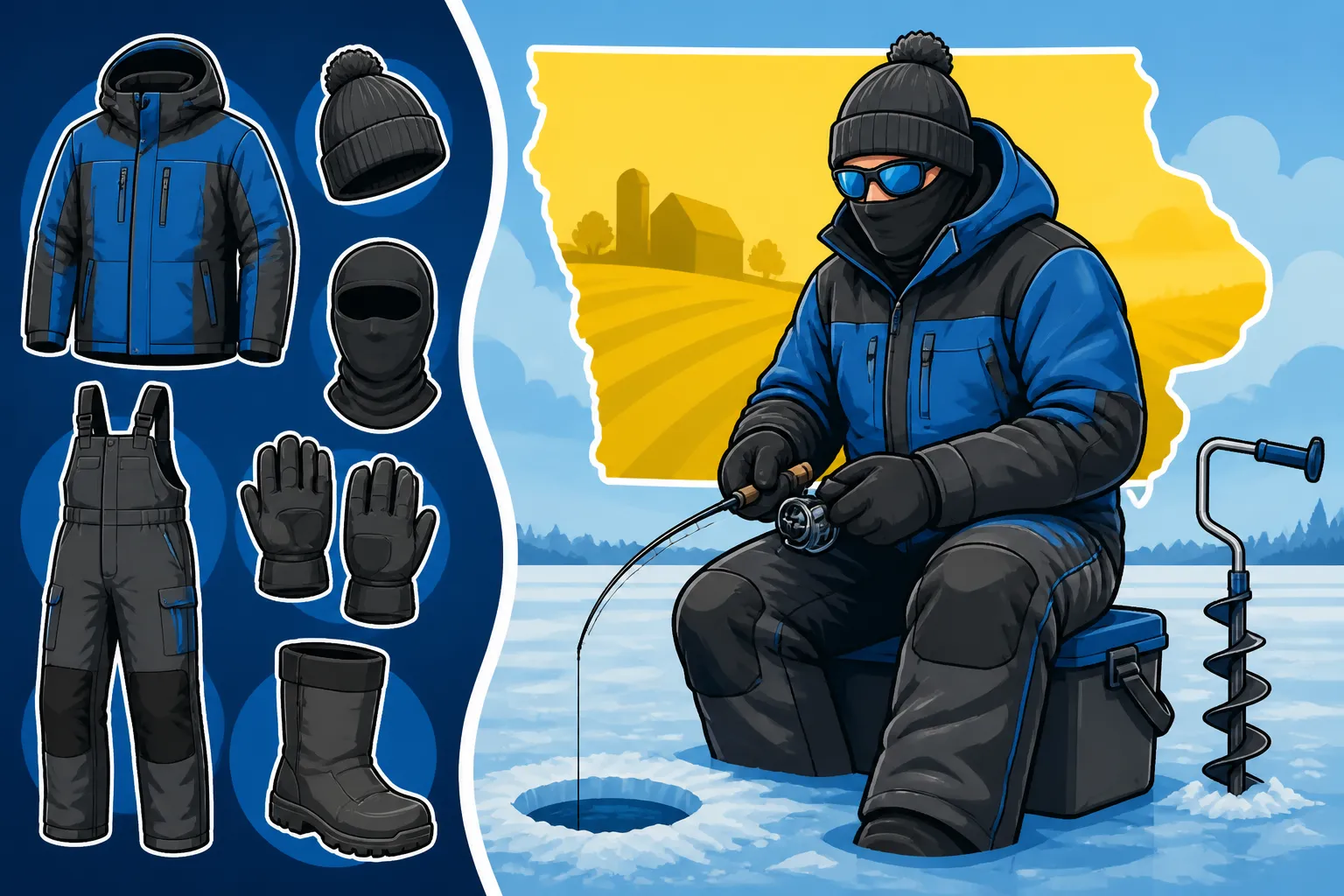
Your head is a major source of heat loss, which is why a good hat is non-negotiable for ice fishing. A warm knit beanie made of wool or fleece is a classic for a reason – it's simple, effective, and relatively inexpensive. Look for one that covers your ears completely.
For more extreme cold, or when the wind is really howling across an open Iowa lake, a balaclava or a combination of a hat and neck gaiter is essential. A balaclava covers your entire head, neck, and often part of your face, leaving just your eyes exposed. This provides crucial protection for sensitive areas like your nose, cheeks, and chin. A neck gaiter, on the other hand, provides excellent neck protection and can be pulled up over your mouth and nose when needed. You can layer a neck gaiter under a hat for maximum versatility, pulling it down when you're in the shelter and pulling it up when you're outside battling the elements. Many anglers also appreciate hoods on their outer jackets, which provide another layer of defense against wind and snow, especially important when considering the exposed conditions on the Fishing the Iowa Great Lakes.
Gloves and Mittens: Finding the Right Balance
This is perhaps one of the trickiest areas of ice fishing clothing, as you need both warmth and dexterity. Fumbling with knots, baits, or electronics with frozen fingers is not only frustrating but can lead to dropping valuable gear.
Many ice anglers employ a multi-glove system. This often involves a thin, nimble liner glove (like a wool or synthetic glove) for dexterity when handling small items. Over this, they'll wear a pair of warmer, waterproof mittens or ice fishing specific gloves. Mittens generally offer superior warmth because your fingers share body heat, but they sacrifice dexterity. Ice fishing gloves often feature a waterproof outer shell, good insulation, and sometimes even flip-back finger and thumb covers (often called "shooter's gloves" or "glomitts") to allow for quick access to your bare fingers when needed, without having to remove the entire glove. Look for waterproof and windproof materials to keep your hands dry. When shopping for these, you'll find a wide variety on Bass Pro Shops or even general outdoor sections of Amazon.
It's also a great idea to have an extra pair of gloves or mittens in your gear bag. If one pair gets wet (which it almost inevitably will, thanks to fish, slush, or just condensation), having a dry backup can save your day.
Footwear: Boots, Socks, and Warmth Strategies
Cold feet are a deal-breaker for ice fishing. Your feet are constantly in contact with the cold ice, and blood flow can be restricted by tight boots or socks. The key here is proper insulation and moisture management.
Start with your socks. Avoid cotton at all costs; it absorbs moisture and stays wet, leading to cold feet. Instead, opt for wool (especially merino wool) or synthetic socks designed for cold weather. A common strategy is to wear a thin wicking liner sock to pull moisture away, followed by a thick, insulated wool or synthetic sock. Don't double up on thick socks if it makes your boots too tight – that restricts circulation and will make your feet colder.
For boots, you need heavily insulated, waterproof models. Look for boots rated for extreme cold (e.g., -40°F or colder), even if Iowa winters don't always hit those lows. That extra insulation is a buffer against constant cold contact. Brands like Baffin, Kamik, or Muck Boot are popular choices. Ensure the boots fit well, with enough room for your thicker socks, but not so loose that your foot slides around. Again, make sure there's enough room for a good, thick sock without compressing it too much, which reduces its insulating power. Check out our Best Boots for Ice Fishing guide for more specific recommendations.
Finally, consider boot warmers or toe warmers for those extra frigid days. These adhesive packets can provide hours of supplemental heat and can make a huge difference in comfort. They are readily available online.
Beyond the Layers: Essential Cold Weather Accessories
While the core layering system of base, mid, and outer layers, combined with proper extremity protection, forms the backbone of your cold weather clothing strategy, there are additional accessories that can significantly enhance your comfort, safety, and overall enjoyment on the ice. These might seem like small details, but they can be game-changers when you’re facing a long day in the biting cold.
From keeping your hands toasty to ensuring you don't slip on treacherous ice, these extra bits of gear round out a truly prepared ice angler's kit. Don't underestimate their importance; often, it's the little things that make the biggest difference between a tolerable day and a truly pleasant one.
Hand Warmers, Toe Warmers, and Heated Gear
Let's be honest, sometimes even the best gloves and boots aren't enough when Mother Nature unleashes her full fury. That's where supplemental heat sources come in. Disposable air-activated hand and toe warmers are incredibly popular for a reason. These small packets provide hours of consistent, gentle heat and can be slipped into gloves, pockets, or specific boot pockets. They are relatively inexpensive and can be bought in bulk on Amazon, making them a staple for many ice anglers.
For those who really struggle with the cold, or who spend a lot of time out on the ice, rechargeable heated gear is becoming increasingly popular. This includes heated gloves, heated socks, and even heated vests or seat cushions. While a larger upfront investment, these can provide customizable, sustained warmth throughout your trip. Just remember to keep them charged, and perhaps bring a portable power bank for extended use! These are fantastic for anglers dealing with Raynaud's phenomenon or simply those who run very cold.
Ice Safety and Mobility Gear Integration
Being properly dressed for the cold is also about safety, and some clothing-integrated features or accessories are crucial for peace of mind on the ice. We already touched on flotation assistance in insulated ice fishing suits, but it bears repeating – this is a critical safety feature. Knowing that your outerwear could help you stay afloat if you were to fall through thin ice provides an invaluable layer of security.
Another often-overlooked accessory is a good pair of ice cleats or ice grips for your boots. The surface of a frozen lake can be incredibly slick, with patches of clear ice, wet slush, or uneven frozen ruts. Slipping and falling is not just embarrassing; it can lead to serious injuries, especially when carrying heavy gear like an auger or an Best Ice Fishing Auger Types. Ice cleats provide much-needed traction, allowing you to walk confidently and safely across the ice. They easily strap onto most winter boots and are a relatively small investment for a huge safety return. Our guide Do You Need Ice Cleats for Ice Fishing? offers more details on these essential items.
Consider also wearing ice picks around your neck or easily accessible on your jacket. In the very unlikely (and hopefully never experienced) event of going through the ice, these sharp picks can help you claw your way back onto solid ice. While not clothing per se, they are a safety accessory that integrates with your clothing choices.
Building Your Optimal Ice Fishing Wardrobe: A Summary
Putting together the best cold weather clothing for ice fishing in Iowa is truly an art form, but one that’s easily mastered with a little knowledge and planning. It’s not just about warmth, it’s about a comprehensive system that tackles moisture, insulation, and protection from the elements, all while allowing you the flexibility to move and fish effectively.
Remember the foundational principle: layer, layer, layer. Start with a moisture-wicking base, add insulating mid-layers, and top it off with a waterproof, windproof outer shell designed for ice fishing. Don't forget your extremities – a warm head, nimble hands, and toasty feet are non-negotiable for a comfortable day. Integrating crucial safety gear like flotation-assist outerwear and ice cleats further elevates your readiness.
By investing in quality gear and understanding how each piece contributes to your overall comfort and safety, you’re not just buying clothes; you’re investing in more enjoyable, longer, and safer days on the ice. Now that you're geared up, make sure you know When Ice Fishing Season Typically Starts in Iowa so you can put your new knowledge to good use!
| Layer Type | Primary Function | Recommended Materials | Key Considerations |
|---|---|---|---|
| Base Layer | Wicks moisture | Merino Wool, Synthetic (Polyester) | Snug fit, lightweight to heavy-weight, avoid cotton |
| Mid-Layer | Insulates, traps heat | Fleece, Down, Synthetic Fill | Breathability, compressibility, warmth-to-weight |
| Outer Layer | Protects from elements | Waterproof/Windproof fabrics, Insulated | Flotation assist, durable, pockets, hood, vents |
| Headwear | Prevents heat loss | Wool, Fleece | Covers ears, balaclava/neck gaiter for face protection |
| Handwear | Warmth & dexterity | Waterproof/Insulated Mittens, Glomitts, Liner Gloves | Dexterity vs. warmth, waterproof membranes |
| Footwear | Insulation & traction | Insulated, Waterproof Boots, Wool/Synthetic Socks | Extreme cold ratings, proper fit for circulation, ice cleats |
Disclaimer
This article is for general informational purposes only and does not constitute professional advice. Laws, prices and regulations vary by location and change over time. Consult a qualified professional for guidance on your specific situation.