Fly Fishing for Trout in Iowa Streams
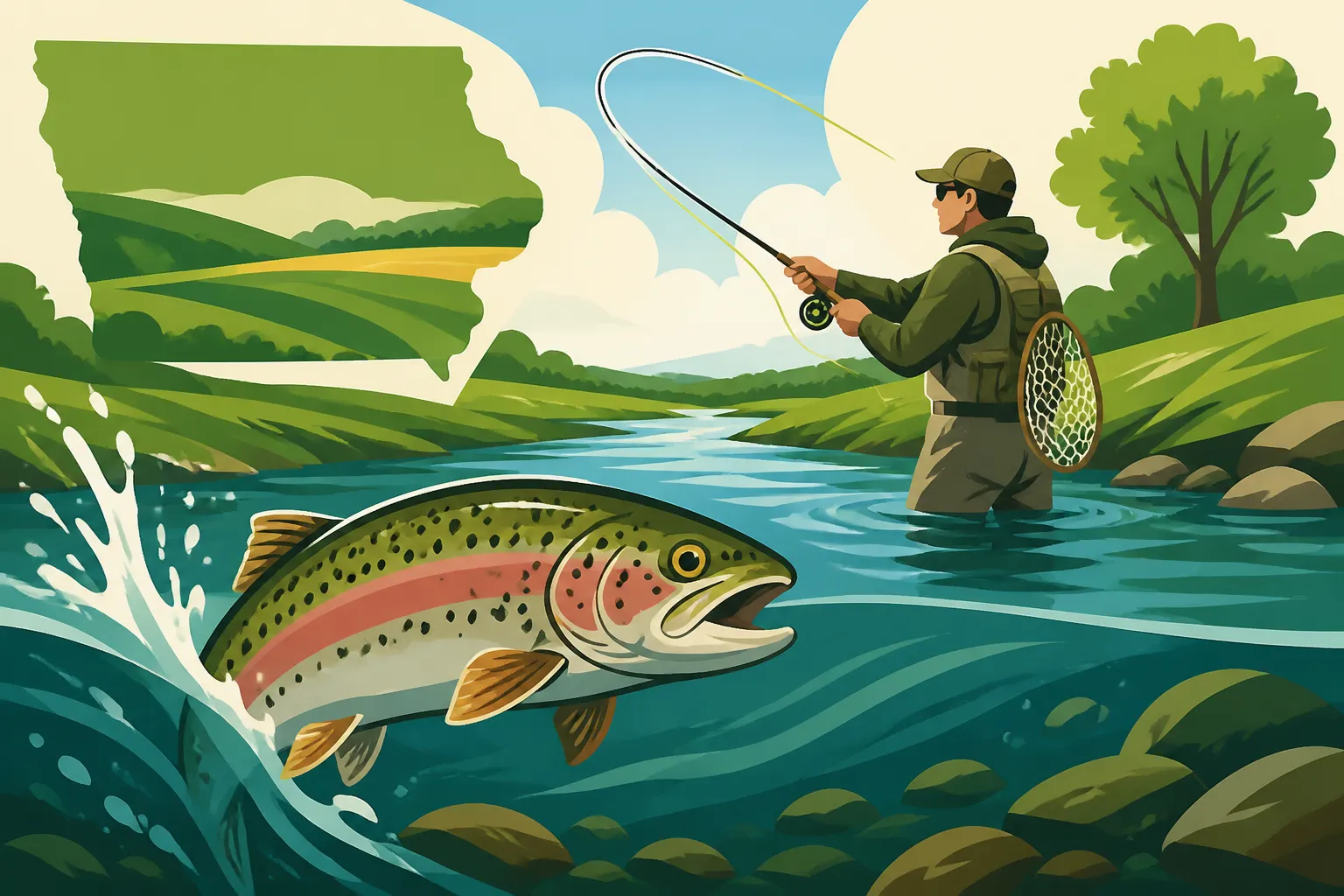
There's a common misconception out there that Iowa is just rolling plains and cornfields, not exactly a fly-fishing paradise. But for those of us in the know, the truth is far more exciting: Northeast Iowa harbors some truly exceptional trout streams that offer incredible fly-fishing experiences. If you've ever felt intimidated by the idea of fly fishing or wondered if it's even worth rigging up your fly rod in the Hawkeye State, this comprehensive guide is here to demystify it all and get you casting for trout in our beautiful streams.
The Unique Appeal of Iowa's Trout Streams
Iowa's trout fishery might not be as widely celebrated as those in mountainous regions, but it holds a special, almost secret charm. Nestled primarily in the northeastern corner of the state, these streams offer a surprising diversity of fishing experiences, from wild trout waters to heavily stocked community ponds.
Northeastern Iowa's Hidden Gems
The magic all starts in what's known as the Driftless Area, a geological anomaly that was spared by the last glaciation. This ancient landscape boasts steep, forested bluffs and deep valleys, providing the perfect conditions for cold, oxygen-rich spring-fed streams. These aren't just trickles; many are robust waterways like the Yellow River, Bloody Run Creek, and French Creek, whose consistent cold water temperatures are absolutely vital for trout survival, especially during Iowa's warm summers.
Within these pristine environments, you can find thriving populations of both wild brown trout and, in some rarer instances, even native brook trout, the true jewels of our coldwater fisheries. These wild fish are incredibly wary and challenging to catch, making them a true prize for any fly angler. Beyond the wild populations, the Iowa Department of Natural Resources (IDNR) also actively stocks these streams with rainbow trout, offering more consistent action and making fly fishing accessible to anglers of all skill levels. It's this unique blend of wild beauty and dedicated conservation that makes Iowa's trout streams so special.
Seasonal Stocking and Public Access
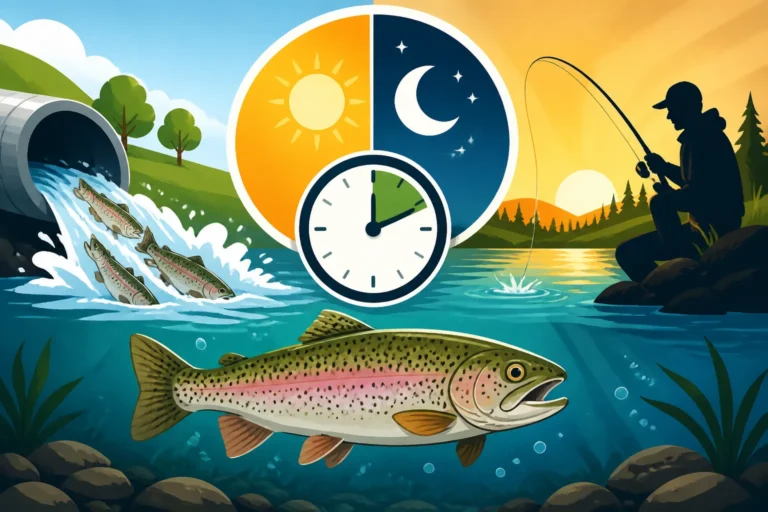
The IDNR plays a crucial role in maintaining and enhancing Iowa's trout fishing opportunities through its robust stocking program. Each year, thousands of rainbow trout, and sometimes brown trout, are raised in state hatcheries and released into designated trout streams and community ponds across the state. This means that even if you're not targeting elusive wild trout, there are plenty of chances to hook up with a fresh stocker. Anglers often eagerly anticipate the Iowa Spring Trout Stocking Strategy and the Iowa Fall Trout Stocking Strategy announcements, as these periods offer some of the most consistent fishing action.
Access to these often secluded streams is another key factor. While many stretches of trout stream flow through private land, the IDNR has secured numerous public fishing easements, allowing anglers to access prime waters without trespassing. These easements are clearly marked, and it's always respectful and important to stay within the designated boundaries. You can easily find these access points and plan your trip by consulting resources like the "Iowa Fishing Atlas Access Points" which provides detailed maps and information on where to legally enter the water. This commitment to public access ensures that these beautiful resources are available for everyone to enjoy responsibly.
Essential Gear for Iowa Fly Fishing
Stepping into the world of fly fishing can feel a bit overwhelming when it comes to gear. There's so much specialized equipment! But don't fret; for Iowa's trout streams, you don't need the most expensive or complicated setup. Focusing on the essentials will get you on the water and catching fish.
Rod, Reel, and Line Selection
For the majority of Iowa's trout streams, which tend to be smaller and more intimate than grand western rivers, a lightweight fly rod is your best friend. A 3-weight or 4-weight rod, typically between 7'6" and 8'6" in length, is ideal. These rods offer the delicate presentation needed for wary trout while still having enough backbone to handle a good-sized fish. A 2-weight might be suitable for truly tiny creeks, and a 5-weight could work for larger streams or if you plan to throw slightly heavier streamers. Popular brands like Orvis, Redington, and Echo offer excellent rods that balance performance and affordability for beginners and experienced anglers alike. You can often find great starter combos, including a rod, reel, and line, on platforms like Amazon.
When choosing a reel, the primary goal is to balance your rod. For trout, the reel mainly holds your fly line and backing; it's less about fighting power, as most fish are fought directly with the rod. A simple, click-and-pawl or disc-drag reel that matches your rod's weight is perfectly adequate. As for line, a weight-forward floating line (WF) is the most versatile choice for Iowa trout. It casts well and allows for a variety of techniques, from dry flies to nymphs. You'll also need a leader (a tapered section of monofilament or fluorocarbon that connects your fly line to your tippet) and tippet, which is the final, thinnest section of line tied directly to your fly. Carrying a few spools of tippet in different diameters (e.g., 4X, 5X, 6X) is crucial for adapting to different fly sizes and water conditions.
Waders, Boots, and Safety Essentials
To truly experience Iowa's trout streams, you'll want to get in the water. That's where waders come in. Breathable chest waders are hands down the most comfortable option, especially for hiking to remote spots or fishing during warmer months, though neoprene waders can be a godsend in colder weather. They allow you to stand in the stream, giving you better casting angles and access to prime fish-holding lies. For specific recommendations, check out a guide on the Best Waders for Cold Water Trout Fishing. Paired with your waders, a good pair of wading boots is essential. Look for boots with sturdy ankle support and excellent grip. Felt soles used to be standard, but many anglers now opt for rubber soles with studs for better traction on slippery rocks, as detailed in articles like Best Wading Boots for Rocky Streams.
Beyond staying dry and comfortable, safety is paramount. A wading staff can be an invaluable tool for maintaining balance in swift currents or on uneven streambeds, preventing slips and falls. Polarized sunglasses aren't just for comfort; they cut glare on the water's surface, allowing you to spot fish, submerged structure, and navigate treacherous footing much more easily. While generally not required for wading, if you plan on using a float tube or kayak to access parts of larger streams, always wear a personal flotation device (PFD). Other small but critical accessories include a fishing net (preferably one with a rubber mesh to protect fish), nippers for cutting line, forceps for removing hooks, and a small fly box or two stocked with your chosen patterns.
Understanding Iowa's Trout Stream Regulations
Before you even think about hitting the water, understanding and adhering to Iowa's fishing regulations is not just a recommendation—it's a legal requirement. These rules are in place to protect our precious fishery resources and ensure sustainable angling for generations to come.
License and Trout Fee Requirements
First and foremost, any resident or nonresident angler 16 years of age or older needs a valid Iowa fishing license. This is your basic entry ticket to all of Iowa's waters. However, if you plan to fish for trout in Iowa, you'll need an additional stamp: the Iowa Trout Fishing Fee. This fee is crucial, as the funds directly support the IDNR's trout stocking and stream habitat improvement programs, which are vital for maintaining our productive trout waters. Even if you hold a lifetime fishing license, the trout fee is typically an annual add-on.
There are some important exceptions to note. Anglers under the age of 16 are generally exempt from needing a fishing license and the trout fee. This is a fantastic initiative to encourage youth participation in the sport. However, if an adult who is required to have a trout fee takes a child fishing and helps them bait, cast, or retrieve, the adult must possess the fee. You can easily purchase your license and trout fee online through the Go Outdoors Iowa system, from a licensed vendor, or even via the mobile app. For a detailed breakdown of costs, check out How Much the Iowa Trout Fee Costs. Always carry proof of your current license and trout fee with you while fishing.
Daily Limits, Length Limits, and Special Regulations
Iowa's trout regulations can vary quite a bit depending on the specific stream you're fishing, so it's absolutely critical to consult the most current "Iowa Fishing Regulations Explained" booklet or the IDNR website before each trip. Generally, for most stocked streams, the daily bag limit for trout (rainbow, brown, or brook trout combined) is 5 fish per day. However, many of Iowa's designated "trophy trout" streams or "catch-and-release" streams have much stricter regulations.
For example, some streams might have a 14-inch minimum length limit for brown trout or be designated as artificial lure/fly only waters, meaning no live bait is permitted. In some of the truly special wild trout sections, you might encounter catch-and-release only rules or even specific slot limits designed to protect larger breeding fish. The Trout Stream Regulations in Northeast Iowa outlines these nuances. These special regulations are put in place to manage specific populations, enhance the quality of fishing, and protect the fragile ecosystems of these unique streams. Ignorance of the law is no excuse, and violating these regulations can lead to fines and loss of fishing privileges. Always double-check the signs posted at stream access points, as they often contain specific rules for that particular stretch of water.
Effective Fly Fishing Techniques for Iowa Trout
Fly fishing for trout in Iowa is a nuanced art, requiring anglers to adapt their techniques to the specific conditions of our smaller, often heavily pressured streams. Mastering a few key methods will significantly increase your success rate.
Nymphing and Dry Fly Strategies
Nymphing is arguably the most productive technique for catching trout in Iowa's streams, simply because trout spend the vast majority of their lives feeding on aquatic insects beneath the surface. Indicator nymphing, where a small strike indicator (like a bobber) is used to detect subtle bites, is a great starting point. You'll cast upstream and allow your weighted nymph to drift naturally downstream, mimicking a dislodged insect. Tightline nymphing, also known as Euro Nymphing, is another highly effective method that eliminates the indicator, relying on a colored leader and direct line contact to feel bites. Common Iowa nymph patterns that consistently produce include Pheasant Tail Nymphs, Hare's Ear Nymphs, various scud patterns, and caddis larvae imitations. Understanding Nymphing Techniques for Iowa Trout Streams will significantly boost your catch rates.
Dry fly fishing, while perhaps less consistently productive than nymphing, is incredibly exciting and visually rewarding. This technique involves presenting a fly that floats on the surface, imitating an adult insect. Success hinges on "matching the hatch"—identifying what insects are emerging and using a fly that closely resembles them in size, shape, and color. Iowa's streams experience various hatches throughout the year, from midges and caddisflies in early spring to mayflies and terrestrials (like grasshoppers and ants) in summer and fall. Your cast needs to be delicate, and your drift natural, minimizing drag so the fly looks like a real insect floating on the current. Classic dry fly patterns like Adams, Elk Hair Caddis, and various stimulators are often effective. A perfectly presented dry fly to a rising trout is a moment every angler lives for.
Streamer Fishing and European Nymphing
Beyond nymphs and dry flies, streamer fishing can be incredibly effective, particularly for targeting larger, more aggressive brown trout. Streamers are flies designed to imitate baitfish, leeches, or larger aquatic insects. You cast them across or downstream and then strip them back in erratic movements, making them dart and swim like prey. This often provokes a predatory strike. Streamer fishing is often best when water levels are a bit higher or slightly off-color after a rain, or during periods when trout are actively feeding on larger prey, such as during the cooler months. Popular patterns include the Woolly Bugger, Sculpzilla, and various minnow imitations. It's a more active and aggressive style of fly fishing that can yield some impressive results.
European Nymphing, as mentioned earlier, is gaining significant popularity among Iowa fly anglers, and for good reason. This technique utilizes longer, more sensitive rods, specialized leaders, and precisely weighted nymphs. The goal is to maintain direct contact with your flies, allowing you to detect the most subtle takes that an indicator might miss. It's incredibly effective in the tighter confines of many Iowa streams, allowing you to systematically fish pockets, riffles, and seams with exceptional precision. The direct feedback loop means you're almost always in touch with your flies, making it a highly efficient way to cover water. For an in-depth dive into the setup, consider researching the Best Fly Rod Setup for Trout for European Nymphing specifically. Regardless of the technique, reading the water to identify fish-holding lies—like current seams, eddies behind rocks, deep pools, and undercut banks—and practicing stealthy approaches are fundamental to success on any Iowa trout stream.
Prime Iowa Trout Fishing Streams and Seasons
Knowing where and when to go can make all the difference in your Iowa fly fishing adventure. While trout are primarily found in the northeastern part of the state, the specific characteristics of each stream and the time of year dictate the best approach.
Top Streams for Different Experiences
Iowa's Driftless Area offers a wealth of streams, each with its own character. For anglers seeking the challenge of wild brown trout, streams like the Yellow River, Little Turkey River, and the upper reaches of Bloody Run Creek are excellent choices. These streams often require more hiking and careful wading, rewarding the patient angler with truly native fish. For those new to fly fishing or looking for more consistent action, the IDNR's frequently stocked streams are ideal. Examples include North Bear Creek, South Bear Creek, Waterloo Creek, and French Creek, all of which receive regular stockings of rainbow trout. Many of these have convenient public access points and well-maintained fishing easements.
Beyond the natural streams, Iowa also has several community trout ponds, often stocked in the colder months, that provide an easily accessible opportunity, especially for families or those looking for a quick fishing fix. These ponds are less about the "wilderness experience" and more about catching fish. For a comprehensive list and detailed descriptions, you'll want to consult Trout Fishing Streams in Northeast Iowa. Remember, each stream offers a different challenge and reward, so exploring a variety of locations will broaden your skills and appreciation for Iowa's diverse trout fishery.
Best Times of Year to Target Trout
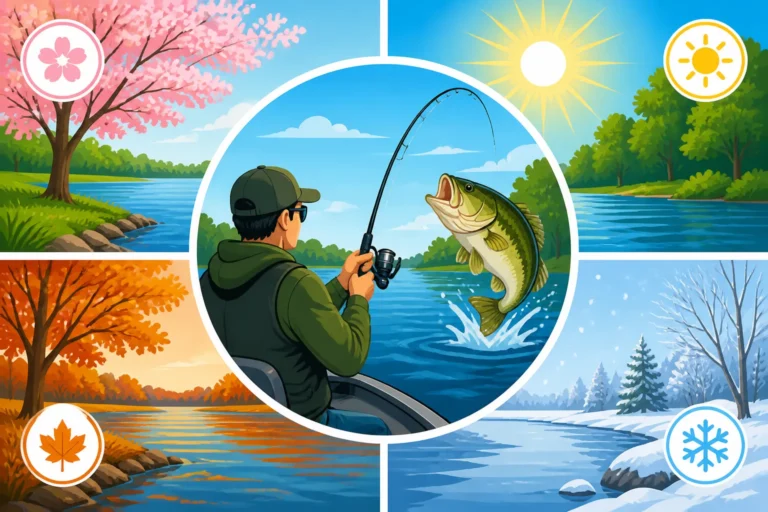
The fishing calendar for Iowa trout is a dynamic one, with each season offering unique opportunities and challenges. Spring is often a favorite, particularly right after the initial stockings. Water temperatures are rising, insects are becoming more active, and the trout are hungry. This is when you can experience some fast and furious action, especially for stocked rainbows. Early spring often involves nymphing, but as things warm up, you'll see more dry fly opportunities.
Summer can be more challenging due to warmer air temperatures, but the spring-fed nature of Iowa's streams means many stretches remain cold enough for trout. Focus on early mornings or late evenings, and target the coldest sections, often near springs or shaded areas. Nymphing remains effective, and terrestrial patterns (like ants and grasshoppers) can be deadly on dry, sunny days. This is when the wild brown trout can be particularly active, though very wary.
Fall is arguably the most beautiful and often one of the most productive times to fly fish in Iowa. The vibrant foliage provides a stunning backdrop, and cooler temperatures invigorate the trout. Brown trout become more aggressive as they prepare for their spawn, and you can often find them chasing streamers. Dry fly fishing with terrestrials can still be good, and various nymph patterns will continue to produce. The Best Time to Fish After Trout Stocking in the fall often refers to this renewed activity.
Even winter offers opportunities for the dedicated angler. While ice fishing is popular on many Iowa lakes, some trout streams remain open and fishable, especially on warmer days. Trout will hold in deeper pools and slower runs, and slow, deliberate nymphing techniques are usually the most effective. It's a peaceful time to be on the water, often with fewer anglers around, providing a serene and challenging experience.
Preserving Iowa's Trout Waters and Ethical Angling
As fly anglers, we have a responsibility to not only enjoy Iowa's trout streams but also to protect them. Ethical angling practices and a commitment to conservation ensure that these special places remain vibrant for future generations.
Catch and Release Best Practices
Many anglers, especially those targeting wild trout or fishing in special regulation areas, practice catch and release. This isn't just about adhering to rules; it's about minimizing harm to the fish to ensure their survival and continued contribution to the fishery. When you catch a fish you intend to release, handle it with extreme care. Always wet your hands before touching a trout, as dry hands can remove the fish's protective slime layer, making it susceptible to disease. Try to keep the fish in the water as much as possible; don't let it flop around on the bank.
Use barbless hooks, or pinch down the barbs on your regular hooks with pliers. This makes hook removal much easier and less damaging. If the hook is deeply set, simply cut the line as close to the hook as possible rather than trying to tear it out. When releasing the fish, gently hold it upright in the current until it regains its strength and can swim away on its own. Avoid squeezing or rough handling. Practicing these simple steps significantly increases a fish's chances of survival and contributes directly to the health of our wild trout populations.
Stream Etiquette and Conservation Efforts
Beyond responsible fish handling, general stream etiquette and conservation-mindedness are crucial. Many of Iowa's trout streams flow through private land, even with public easements. Always be respectful of landowners and their property; stay within designated access areas and close any gates you open. Pack out everything you pack in, and if you see litter, consider picking it up. Leave no trace of your visit. This "leave no trace" philosophy helps preserve the natural beauty of these sensitive ecosystems.
The funds generated from fishing licenses and the Iowa Trout Fishing Fee are directly invested by the IDNR into conservation efforts, including stocking programs, habitat restoration projects, and stream access development. By purchasing your license and fee, you are directly contributing to the future of Iowa's trout fishing. Additionally, if you ever witness suspicious activity or potential fishing violations, don't hesitate to report it to the IDNR. Knowing Where to Report a Fishing Violation in Iowa is a simple but important way to help protect our resources. Being a responsible angler means being an active steward of our natural waters, ensuring that the privilege of fly fishing for trout in Iowa streams remains for everyone.
| Stream Type | Typical Trout Species | Access | Skill Level | Key Features |
|---|---|---|---|---|
| Wild Trout Stream | Brown Trout, Brook Trout | Often limited/remote, public easements | Intermediate to Advanced | Natural beauty, challenging fish, C&R often encouraged |
| Stocked Stream | Rainbow Trout, Brown Trout | Good public access, well-marked | Beginner to Intermediate | Consistent action, higher catch rates, frequent stocking |
| Community Trout Pond | Rainbow Trout | Easy, family-friendly | Beginner | Very accessible, good for kids, seasonal stocking |
Disclaimer
Please note that fishing regulations, stocking schedules, and local conditions can change. Always consult the official Iowa Department of Natural Resources (IDNR) website or the current Iowa Fishing Regulations booklet before heading out on any fishing trip to ensure you have the most up-to-date information. This guide is for informational purposes only.