Best Time of Day to Fish Clear Lake
It's a common struggle, isn't it? You get all your gear ready, make the drive to a beautiful spot like Clear Lake, full of anticipation, only to wonder if you've missed the "magic hour." Figuring out the absolute best time of day to cast your line on a dynamic body of water like Clear Lake can feel like cracking a secret code, and trust me, it's a question every angler asks themselves. This guide is here to break down those daily rhythms, help you understand the subtle nudges that dictate fish activity, and equip you with the knowledge to maximize your chances, no matter when you hit the water.
Understanding Clear Lake's Daily Rhythms
Clear Lake is a fantastic fishery, known for its walleye, yellow bass, muskie, and panfish. But like any living ecosystem, its inhabitants operate on a schedule influenced by light, temperature, and food availability. What works at noon on one lake might be a bust at Clear Lake, and what's hot in spring might be ice-cold in summer. It's about tuning into the lake's unique heartbeat.
Dawn's Early Bite
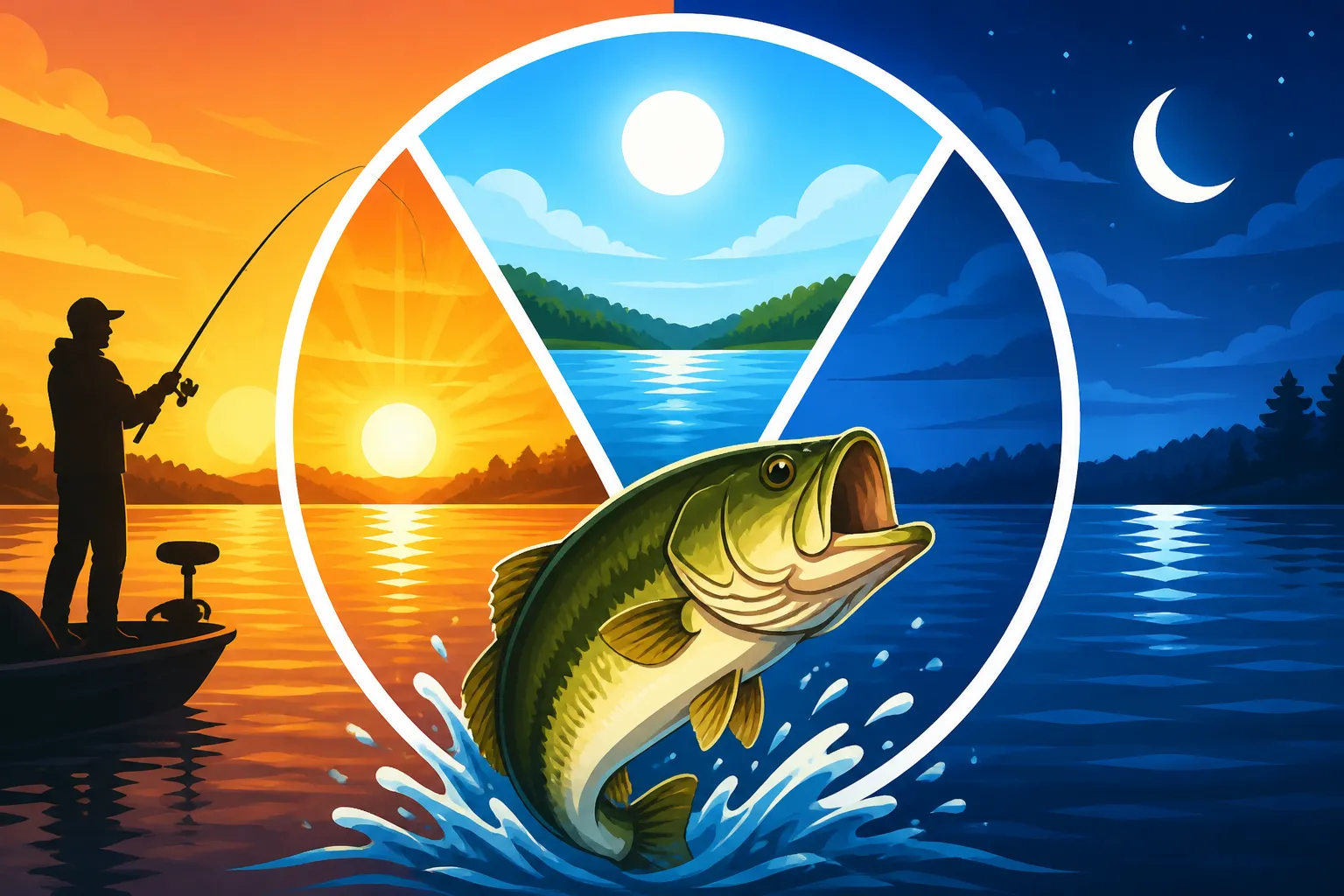
Ah, dawn. There's a reason so many anglers are willing to set their alarms before the chickens even think about clucking. As the first rays of light begin to paint the horizon over Clear Lake, a noticeable shift happens in the underwater world. This period, often from just before sunrise until about an hour or two after, is prime time for many predator species.
Fish like walleye and largemouth bass, which often rely on low light conditions to ambush their prey, become significantly more active. The cooler water temperatures after a long night, combined with the dim light, give them a distinct advantage over baitfish. You'll often find these fish moving from deeper holding areas to shallower flats, weed edges, or structural elements where baitfish are congregating. Think about casting crankbaits or jigs along the weed lines near the shore, or drifting live bait over the shallower humps. It's a peaceful time on the lake, too, with less boat traffic, allowing you to focus purely on the bite. For specific insights into targeting these species, you might find our guide on How to Catch Walleye in Iowa or Largemouth Bass Fishing in Iowa helpful.
Midday Lulls and Opportunities
When the sun climbs high and casts its bright, intense light onto Clear Lake, many anglers experience what feels like a "shut down." It's true, the bite can slow considerably for those low-light predators. The water warms up, and fish might retreat to deeper, cooler waters or seek refuge in dense cover. If you're out there between, say, 10 AM and 3 PM, and your usual spots aren't producing, don't despair—it just means you need to adjust your strategy.
This midday period isn't necessarily a write-off. It can be a fantastic time for species that are less light-sensitive or that prefer to feed when others are taking a break. Catfish, for instance, might be more active in deeper channels or along ledges during the bright part of the day, especially if you're using stink baits or cut bait. Panfish like crappie and bluegill might suspend over deeper structure or hover around submerged brush piles, making them accessible to vertical jigging techniques if you have good electronics to locate them. It’s also a good time to explore different areas, scout new spots, or even try some relaxed trolling with deep-diving crankbaits if the boat traffic isn't too heavy.
The Evening Feed
Just as the day begins to wind down, and the sun starts its descent, the energy on Clear Lake picks up once more. The evening bite, from late afternoon until just after sunset, often mirrors the productivity of the morning. Water temperatures begin to cool again, and the diminishing light once more favors predator species.
Walleye and bass will often move back into those shallower feeding grounds they visited at dawn, becoming aggressive as they try to get one last meal before nightfall. This is an excellent time for throwing topwater lures for bass, especially around emergent vegetation or docks, or working spinnerbaits and swimbaits for walleye. Crappie and bluegill will also often move shallower, particularly near piers, docks, and weed edges, making them excellent targets for small jigs or live minnows under a bobber. The golden hour light reflecting off the water, coupled with the renewed activity of the fish, makes this a truly magical time to be on Clear Lake.
Seasonal Influences on Daily Patterns
While the general dawn and dusk patterns hold true, Clear Lake's daily rhythms are heavily dictated by the turning of the seasons. What works in April might get you skunked in August, and vice-versa. Understanding these seasonal shifts is crucial for truly mastering the "best time" question.
Spring's Shifting Schedules
Spring on Clear Lake is a time of awakening, both for nature and for the fish. As the ice recedes and water temperatures begin their slow climb, fish move shallower for their spawning rituals. This often means that the "prime" daily windows for fishing become a bit more extended.
In early spring, when the water is still chilly, fish activity can be slower overall, but the warmer part of the day—late morning to late afternoon—can often be surprisingly productive as the sun warms the shallow waters. However, as the water warms closer to spawning temperatures, particularly for walleye and bass, the traditional dawn and dusk bites become absolutely explosive. Fish are concentrated in shallower areas to spawn, and they're often aggressive before and after the spawn as they recover and feed heavily. During the pre-spawn, fish might be found staging in slightly deeper water near spawning grounds, making midday a decent time to target them with slow presentations. If you're interested in strategies for this exciting period, our article on Spring Walleye Run Techniques in Iowa has some great tips.
Summer's Strict Timelines
Summer at Clear Lake is glorious, but it often brings the most challenging daily fishing conditions. The relentless sun, warmer water temperatures, and increased recreational boat traffic can push fish deep or into dense cover during the brightest parts of the day.
During the peak summer months, the early morning bite, from pre-dawn until the sun is high, and the late evening bite, from dusk into twilight, become even more critical. Walleye will often be deep during the day, relating to main lake points or humps, and only moving shallower to feed under the cover of darkness or low light. Bass will seek dense weed beds, submerged timber, or shaded docks, making them tough to entice midday. Panfish might suspend offshore or burrow into thick weeds. This is when patience and precision become your best friends. For specific tactics, consider checking out information on Best Time of Day to Catch Bass in Summer. Finding a reputable guide through a service like FishingBooker can also be a game-changer during the tougher summer months, as they have up-to-the-minute knowledge of where fish are holding.
Fall's Feeding Frenzy
Fall is arguably one of the most exciting times to fish Clear Lake, and the daily patterns reflect that. As water temperatures begin to cool, fish enter a "feeding frenzy" mode, trying to bulk up for the lean winter months ahead. This often translates to more consistent fishing throughout the day.
While dawn and dusk remain prime times, you'll often find that fish are active for much longer periods during the day in the fall. The cooler water allows them to stay in shallower feeding areas without the stress of high temperatures. Walleye might be found on flats throughout the day, chasing baitfish, and bass can be incredibly aggressive on secondary points or around remaining weed growth. Crappie and bluegill will often form large schools and feed heavily as they migrate towards their wintering areas. Don't be afraid to fish through the midday in fall; sometimes the action can be steady, especially on cloudy days or during a warm front.
Winter's Icy Patience
When Clear Lake freezes over, a whole new world of fishing opens up: ice fishing. The daily patterns under the ice are quite different from open water. While you might think early morning would be best, often, the midday hours (from late morning to mid-afternoon) can be the most productive.
Under the ice, sunlight actually penetrates deeper and can stimulate fish activity. The slight warming effect from the sun can also be more tolerable for anglers! Fish metabolism slows in the cold water, so they often don't expend as much energy feeding in short bursts as they do in warmer months. Instead, they might feed more consistently during the middle of the day. This is also when you'll find more anglers out on the ice, creating more "fishing pressure" but also perhaps stirring up baitfish. For those venturing onto the frozen surface, our comprehensive guide on Ice Fishing in Iowa offers essential tips for safety and success.
Factors Beyond the Clock
While the time of day and season are huge indicators, they're not the only pieces of the puzzle when it comes to Clear Lake fishing. So many other elements can influence whether the fish are biting, sometimes even overriding the "perfect" time.
Weather and Water Conditions
Imagine it's prime dawn bite, but a huge cold front just rolled through, dropping the air temperature by 20 degrees overnight. Or perhaps a strong wind has muddied up the shallower areas. These weather and water conditions can dramatically alter fish behavior.
- Cloud Cover: Cloudy or overcast days can often extend those productive low-light bites. Walleye and bass might remain active in shallower water for longer into the morning or start feeding earlier in the afternoon. A completely overcast midday in summer can fish more like dawn.
- Wind: A steady breeze can be your friend, especially on Clear Lake. It creates a "chop" on the surface, breaking up light penetration and often pushing baitfish into specific areas. Walleye, in particular, love a good walleye chop. However, too much wind can make boat control difficult and muddy up the water, turning fish off.
- Temperature Swings: Rapid drops in air or water temperature (like after a cold front) can put fish in a funk, making them less active. Conversely, a warming trend can really get them going.
- Water Clarity: Clear Lake is generally a pretty clear body of water, but heavy rains can temporarily reduce visibility. In muddy conditions, fish often rely more on scent and vibration, so louder baits or those with strong scents might be more effective, and the time of day might matter less than simply getting your offering in front of them.
Prey Availability and Forage
Fish don't just eat because the clock says so; they eat when the opportunity arises. The movement and abundance of Clear Lake's forage base—things like yellow bass, shiners, shad, and other small baitfish—can directly influence when predator species choose to feed.
If a large school of yellow bass moves onto a shallow flat in the middle of the day, you can bet that walleye and muskie will follow, creating an opportunistic feeding window regardless of the sun's position. Pay attention to signs of baitfish, like surface disturbances or birds diving, as these can point you to active predators. Knowing where your target species' food source hangs out can help you decide when and where to focus your efforts. Many guides listed on FishingBooker will have real-time intel on current forage patterns.
Solunar Theory and Apps
For some anglers, the moon and sun's gravitational pull play a significant role in predicting fish activity. Solunar tables, which predict periods of increased activity based on moon phases and its position relative to the earth, have been around for a long time.
While not universally accepted by all anglers, many swear by the idea that major and minor feeding times occur daily, often aligning with moonrises, moonsets, and overhead/underfoot moon positions. There are numerous apps and websites that provide solunar predictions. While they might not be the absolute gospel, they can offer another layer of insight when you're trying to decide the "best time" to be on Clear Lake, especially on those days when the weather patterns seem to be against you.
Tailoring Your Approach to Target Species
Clear Lake is a multi-species paradise, but each fish has its preferred schedule. To truly maximize your daily efforts, it pays to think about what you're hoping to catch.
Walleye Wisdom
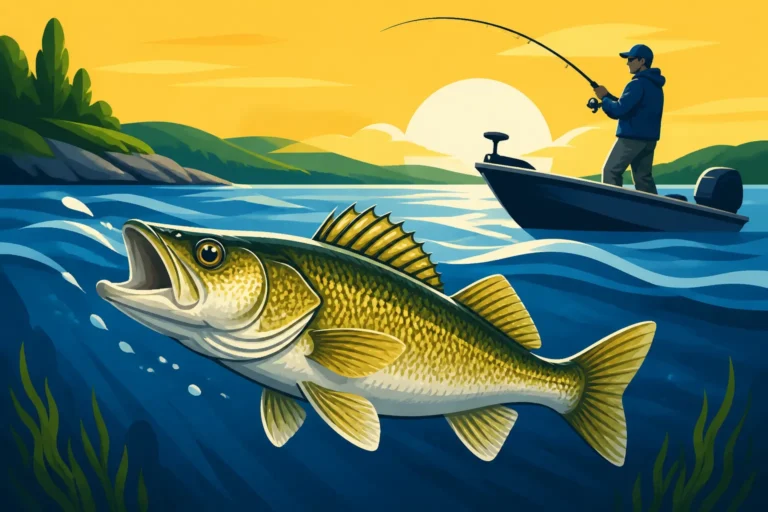
Clear Lake is renowned for its walleye fishing. Generally, walleye are classic low-light feeders. This means dawn and dusk are almost always your best bets. They use their superior eyesight in dim conditions to ambush baitfish.
However, during overcast days, or in deeper sections of the lake (especially in summer), walleye can be caught throughout the day. Trolling deep-diving crankbaits or jigging spoons on main lake points or humps can be effective midday. During the spawn in spring, they'll be shallower, sometimes extending their feeding into the afternoon. If you're keen on landing these delicious fish, you'll want to review Clear Lake Walleye Fishing for more specific techniques and spots.
Bass Bites
Both largemouth and smallmouth bass call Clear Lake home. Their daily patterns often align with light conditions, much like walleye, but with some key differences based on their habitat preferences.
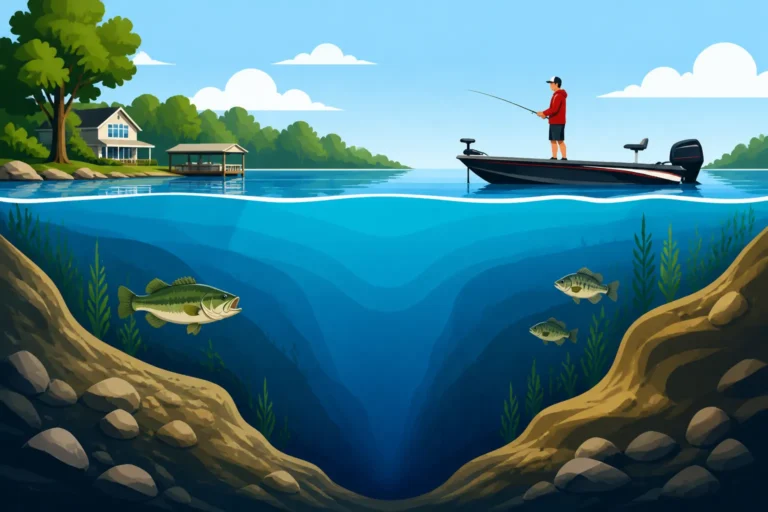
- Largemouth Bass: These fish love cover – weeds, docks, fallen timber. They'll often feed aggressively in these shallower, darker areas during dawn and dusk. In bright midday sun, they'll burrow deep into the thickest cover, becoming harder to entice. Topwater action is phenomenal early and late.
- Smallmouth Bass: Often found around rocky structures, points, and humps. They can be a bit more tolerant of brighter light than largemouths, especially if they are in deeper water. Still, early morning and late evening are generally prime, but a good bite can occur midday on wind-blown points or when they're actively chasing schools of bait in open water.
Panfish Pointers
Clear Lake offers excellent panfishing for crappie, bluegill, and especially the famous yellow bass. Their daily patterns are often quite consistent, but there are seasonal nuances.
- Crappie and Bluegill: These species are often active during dawn and dusk in shallower areas, especially around docks, brush piles, and weed edges. They'll move deeper or suspend offshore during the brighter, warmer midday hours. In summer, finding deep crappie in suspended schools can lead to a fantastic midday bite if you have the right electronics. Check out Clear Lake Panfish and Crappie Spots for more details on locations.
- Yellow Bass: Clear Lake is famous for its yellow bass, and these schooling fish can often be caught throughout the day, especially if you find an active school. They tend to be less light-sensitive than walleye or crappie. While early morning and late evening can still be productive, finding a school actively feeding on a hump or flat can lead to continuous action no matter the time of day. Our article on Yellow Bass at Clear Lake goes into greater detail about finding these fun fish.
Here’s a quick overview of generalized prime times for some key Clear Lake species:
| Species | Spring (Open Water) | Summer (Open Water) | Fall (Open Water) | Winter (Ice Fishing) |
|---|---|---|---|---|
| Walleye | Dawn, Dusk, Early Aftern. | Early/Late Low Light | Dawn, Dusk, Overcast Day | Midday, Late Aftern. |
| Largemouth | Dawn, Dusk, Midday (Cover) | Early/Late Low Light | Dawn, Dusk, Overcast Day | Midday (near structure) |
| Smallmouth | Dawn, Dusk, Midday (Windy) | Early/Late Low Light | Dawn, Dusk, Overcast Day | Midday (rocky areas) |
| Crappie | Dawn, Dusk, Midday (Deep) | Early/Late Low Light | Dawn, Dusk, Midday (Deep) | Midday, Late Aftern. |
| Bluegill | Dawn, Dusk, Midday (Cover) | Early/Late Low Light | Dawn, Dusk, Midday (Cover) | Midday, Late Aftern. |
| Yellow Bass | Consistent throughout Day | Early/Late Low Light, Schools | Consistent throughout Day | Consistent throughout Day |
| Catfish | Dusk, Night, Midday (Deep) | Night, Midday (Deep) | Dusk, Night, Midday (Deep) | Seldom Targeted |
Ultimately, the "best time" to fish Clear Lake isn't a single answer etched in stone. It's a dynamic interplay of daily light cycles, seasonal shifts, weather conditions, and the specific fish you're targeting. The most successful anglers are those who pay attention to these variables, remain flexible, and are willing to adjust their strategies. Sometimes, simply being on the water is the best strategy of all. If you're looking to plan a trip and want to connect with local expertise, platforms like FishingBooker can help you find guides who know Clear Lake's daily rhythms inside and out. Remember, every cast is a lesson, and Clear Lake is always ready to teach.
Disclaimer
Fishing regulations and conditions can change rapidly. Always consult the official Iowa Department of Natural Resources (DNR) website or the most current fishing regulations booklet before heading out on Clear Lake. This information is for general guidance only and should not be considered legal advice. Stay safe and fish responsibly.