Is Backbone State Park Good for Trout Fishing?
Many Iowa anglers dream of casting a line in clear, cold water, hoping to hook a beautiful trout, and often wonder if the state's iconic parks deliver on that promise. If you've ever considered Backbone State Park for a trout fishing adventure, you're in the right place. This comprehensive guide will explore exactly what makes Backbone a premier destination for trout enthusiasts, from its pristine streams to its abundant fish populations, helping you plan a successful and memorable trip.
Backbone State Park as a Premier Trout Fishing Destination
Backbone State Park isn't just Iowa's very first state park; it's a genuine gem for trout fishing, offering a unique cold-water fishery within the state. Nestled in Delaware County, this park is renowned for its rugged limestone bluffs, deep valleys, and, crucially, its cold, spring-fed streams. These unique geological features create the perfect conditions for trout, providing consistently cold water year-round, which is absolutely vital for these sensitive fish. The winding trails and towering "Devil's Backbone" ridge provide breathtaking backdrops for a day on the water, making it an experience that's as much about the scenery as it is about the catch.
The park is primarily home to tributaries of the Maquoketa River system, with some of its most famous trout waters being the cold stretches of Richmond Springs. This area is consistently stocked and managed by the Iowa Department of Natural Resources (DNR) to ensure a healthy and vibrant trout population. Anglers often find success fishing in and around the spring outflow, where the water is coldest and oxygen levels are highest, attracting hungry trout. It’s a fantastic feeling to cast into such clear, vibrant water, knowing a beautiful fish is likely lurking below.
What truly sets Backbone apart is the combination of accessible fishing spots and streams that still feel wild and untamed. While it's a popular park, you can still find secluded spots if you're willing to hike a bit further away from the main access points. The clear waters often allow for sight fishing, adding an extra layer of excitement as you watch a trout dart out from under a log or rock to strike your lure or fly. It's a truly immersive experience that can sometimes feel more like a mountain stream adventure than one found in the heart of Iowa.
Iconic Streams and Natural Beauty
The beauty of Backbone State Park's streams is undeniable, with their clear, cold waters tumbling over rocky beds, carving through ancient limestone. These aren't your typical meandering Iowa waterways; they have a more dynamic, almost mountainous character that instantly transports you. The "backbone" of the park itself, a narrow ridge, creates dramatic topography, with deep valleys and steep slopes sheltering the delicate stream ecosystems from excessive sun exposure, further contributing to the cold water necessary for trout.
The primary trout streams within the park, particularly the spring-fed sections, benefit immensely from the consistent flow of cold groundwater. This natural refrigeration keeps water temperatures stable, even during scorching summer heatwaves, which would otherwise be detrimental to trout. This resilience makes Backbone a reliable destination for trout anglers when other, less protected streams might be too warm to fish responsibly. It’s a comforting thought to know that even when the Iowa heat is on, you can still find a viable trout fishery here.
Beyond the main fishing areas, numerous smaller trickles and feeder streams contribute to the overall health of the system. While not always fishable themselves, these smaller waterways maintain the critical ecological balance, providing spawning grounds for insects and helping to oxygenate the larger flows. Exploring the park's network of trails can often lead you to picturesque, lesser-known bends and pools that might hold a surprise catch, making every trip an opportunity for discovery.
Understanding the Habitat and Water Conditions
Trout need very specific conditions to thrive, and Backbone State Park delivers exactly what they require. The park's streams are fed by numerous coldwater springs, maintaining water temperatures that rarely exceed 65 degrees Fahrenheit, even during the warmest summer months. This consistent chill is paramount for trout survival, growth, and overall well-being. The rocky bottom and varied streambed structure—with riffles, runs, and deeper pools—provide ample hiding spots and feeding lanes for trout. Submerged logs, undercut banks, and overhanging vegetation all contribute to a complex habitat that supports a robust ecosystem.
The water quality here is generally excellent, a direct result of careful land management and the natural filtration provided by the limestone geology. Clear water is not just aesthetically pleasing; it's also a strong indicator of a healthy environment for aquatic insects, which form a major part of a trout's diet. Anglers who prefer to "match the hatch" will appreciate the diverse insect life, from caddisflies to mayflies, that are often present. You’ll frequently see evidence of this vibrant insect life, whether it’s a flurry of caddis in the evening or stonefly casings on the rocks.
However, it's always a good idea to check local conditions before heading out. Heavy rains can sometimes temporarily muddy the water, and fishing might be slower immediately after. The Iowa DNR website often provides stream reports, giving anglers a heads-up on current water levels and clarity, which can be invaluable for planning a successful trip to one of the premier Trout Fishing Streams in Northeast Iowa. If you're planning a guided trip, a service like FishingBooker can help connect you with local experts who know the nuances of these ever-changing conditions, ensuring you get the most up-to-date information for your outing.
Trout Species and Stocking Programs at Backbone
When you fish Backbone State Park, you're primarily targeting two species: rainbow trout and brown trout. These two species form the backbone (pun intended!) of Iowa's put-and-take trout fishery, and for good reason. They are hardy, grow to a respectable size, and provide excellent sport for anglers of all skill levels. Understanding the characteristics of each species can help you tailor your approach and increase your chances of success on the water.
The abundance of trout in Backbone's streams is largely due to the diligent efforts of the Iowa DNR's extensive trout stocking program. Without these regular infusions of fish, the angling opportunities would be far more limited. The DNR's commitment to maintaining a robust trout fishery means that anglers can consistently find fish, making Backbone a reliable destination for those seeking the thrill of trout fishing in Iowa.
Rainbow and Brown Trout Dominance
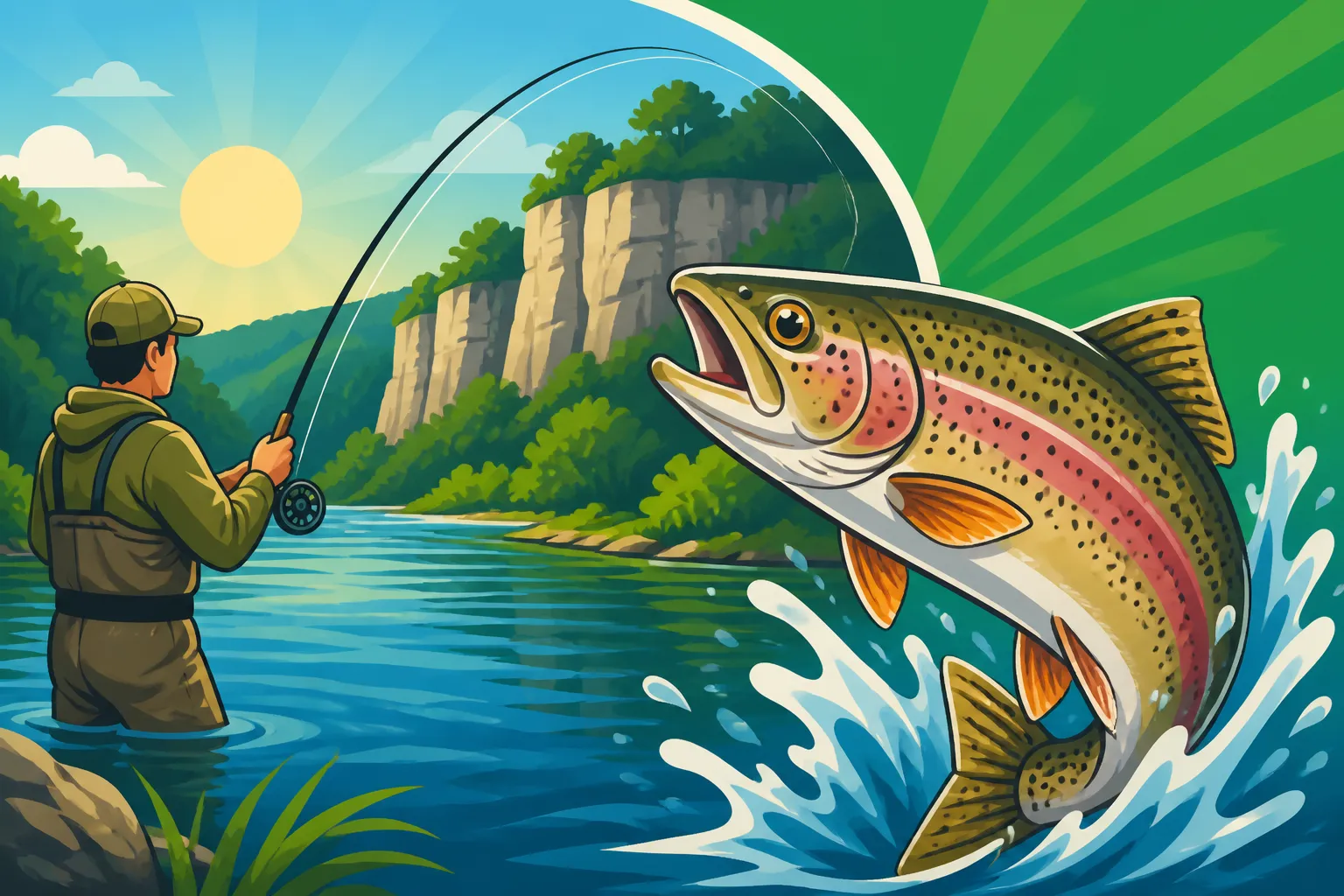
Rainbow trout are the bread and butter of Iowa's stocking program, known for their vibrant colors, often featuring a distinctive red stripe along their lateral line, and their acrobatic fights when hooked. They are generally more aggressive and readily take a variety of baits and lures, making them a popular choice for anglers of all skill levels, especially beginners. They're often stocked in catchable sizes, providing immediate opportunities for success and a higher likelihood of bringing a fish to hand. It’s hard to beat the excitement of a rainbow trout leaping out of the water! You can learn more about specific characteristics in our guide to Rainbow Trout Fishing in Iowa.
Brown trout, on the other hand, are a bit more elusive and prized for their cunning nature. While fewer in number compared to rainbows in many stocked sections, they often grow larger and are more wary, requiring a more stealthy approach and presentation. These fish are more likely to hold in deeper, more secluded pockets, and can be a real challenge to land, testing the skills of even experienced anglers. Many consider a large brown trout from an Iowa stream to be a true trophy, especially with their beautiful dark spots and often yellowish flanks.
While brook trout are native to some parts of the Appalachian region and other coldwater systems, they are generally not found in the naturally reproducing populations in Iowa streams like those at Backbone State Park. Iowa's trout program focuses mainly on rainbows and browns, which thrive in the managed conditions of the state's coldwater fisheries. Occasionally, a wild brown trout might be found, indicating successful natural reproduction, but these are more common in less-pressured, unstocked wild streams.
The Iowa DNR Stocking Strategy
The consistent trout fishing experience at Backbone is largely due to the diligent efforts of the Iowa DNR's trout stocking program. Trout are regularly stocked into the designated coldwater streams within the park, especially during the spring, summer, and fall months. This ensures a fresh supply of fish for anglers. You'll want to keep an eye on the DNR's stocking schedule, which is usually posted online, to know exactly when and where new fish are being introduced. Fishing right after a stocking can dramatically increase your chances of a successful outing, especially if you're looking for consistent action.
The DNR employs both catchable-size stocking and fingerling stocking, though the latter is more common in streams with suitable habitat for natural growth. For anglers at Backbone, it's usually the catchable-size fish that provide the immediate action, ensuring that there are always fish available for recreational angling. Understanding the DNR's Iowa Spring Trout Stocking Strategy, and later their Iowa Fall Trout Stocking Strategy, can significantly improve your planning. These stockings often draw a crowd, so if you prefer solitude, consider fishing a day or two after a stocking event or exploring less accessible areas of the park.
It's important to remember that these are put-and-take fisheries for the most part, meaning the fish are stocked to be caught. While some natural reproduction might occur in certain areas, the bulk of the fishing opportunity comes from these regular stockings. This management strategy makes trout fishing accessible and enjoyable for a wide range of anglers across the state, even those without extensive wild trout streams nearby, offering a unique opportunity to experience quality cold-water fishing.
Essential Techniques and Local Regulations for Backbone
Trout fishing, especially in a dynamic environment like Backbone State Park, requires a blend of skill, patience, and adherence to local regulations. Whether you're a seasoned fly-fisher or a casual bait angler, having the right techniques in your arsenal and a clear understanding of the rules will greatly enhance your success and enjoyment. Iowa's trout streams, while beautiful, demand respect for both the fish and the environment.
Navigating the unique terrain of Backbone's streams is also part of the adventure. The rocky bottoms, steep banks, and sometimes swift currents require appropriate gear and a careful approach. Being prepared for these conditions, both in terms of equipment and knowledge of regulations, will ensure a safe and productive day on the water.
Best Baits, Lures, and Flies
Trout at Backbone State Park respond well to a variety of presentations, so don't be afraid to experiment! For bait anglers, classic choices like corn (often brightly colored), salmon eggs, PowerBait (especially the bright colors like chartreuse, orange, or rainbow), and small worms are incredibly effective, particularly right after a stocking. These familiar scents and colors often entice newly released trout that are still adjusting to their new environment. Using a small hook (size 10-14) with minimal weight, or a light bobber setup, can present these baits naturally in the current, allowing them to drift enticingly.
Lure fishing can be highly productive, especially for more active and aggressive trout. Small spinners, like Mepps Aglia or Rooster Tail in sizes 0 or 1, with silver, gold, or black blades, are perennial favorites and often irresistible to hungry trout. Micro jigs, often tipped with a piece of PowerBait or a small plastic grub, can also work wonders, especially when fished slowly through deeper pools or behind rocks where trout might be holding. For those seeking to explore more options, you can consult a comprehensive Trout Fishing Techniques for Iowa Streams.
Fly fishing is also incredibly popular in Backbone's clear streams and offers a more artistic approach to trout angling. Matching the hatch with dry flies like Adams, Elk Hair Caddis, or Parachute Adams patterns can be thrilling, especially during peak insect activity when trout are actively feeding on the surface. Nymphing, using sub-surface patterns like Hare's Ear, Pheasant Tail, or San Juan Worms, is often effective year-round, as trout primarily feed on aquatic insects below the surface. Streamer patterns, mimicking baitfish, can also entice larger, more aggressive brown trout, especially when stripped erratically through deeper runs. For specific approaches, explore our guide on Nymphing Techniques for Iowa Trout Streams.
Navigating the Terrain and Understanding Regulations
Fishing the streams at Backbone State Park requires a bit of agility and respect for the environment. Waders are highly recommended, especially if you plan to move around in the stream itself to access different fishing spots. Felt-soled or rubber-soled wading boots with studs provide excellent grip on slippery, algae-covered rocks, minimizing your risk of slips and falls. Be mindful of steep banks, uneven terrain, and swift currents, especially when moving between fishing spots. A sturdy wading staff can be a real game-changer for stability, making your experience safer and more enjoyable.
Beyond gear, it's crucial to be aware of Iowa's fishing regulations. All anglers aged 16 and older need an Iowa fishing license. Additionally, if you're targeting trout, you must possess a valid Iowa Trout Fishing Fee and Stamp Guide, often referred to as a trout stamp. These fees directly support the state's trout program, ensuring continued stocking and habitat management, so your purchase directly contributes to the resource you enjoy. Always check the current Iowa Fishing Regulations Explained booklet or the DNR website before you go, as rules and limits can change annually.
Specific zones within the park might have special regulations, such as catch-and-release only sections or restrictions on bait types. Always pay attention to signage at access points; ignorance of the law is not an excuse. It’s also wise to check the daily bag limits for trout; generally, the limit is 5 trout per day, but this can vary depending on specific stream regulations. Respect private property boundaries and, perhaps most importantly, pack out everything you pack in, helping preserve the pristine beauty of Backbone State Park for everyone. For detailed guidance on license requirements, refer to the Iowa Fishing License Guide.
Planning Your Trout Fishing Adventure to Backbone State Park
A successful fishing trip to Backbone State Park goes beyond just knowing where the fish are; it involves careful planning to maximize your enjoyment and ensure you're prepared for all aspects of the adventure. From selecting the best time of year to visit to understanding available amenities, a little foresight can make a big difference in your overall experience.
Backbone is more than just a fishing hole; it's a destination. Taking advantage of the park's diverse offerings and surrounding resources can transform a simple fishing outing into a memorable getaway, whether it's a solo quest for solitude or a family adventure combining angling with other outdoor activities.
Best Times to Visit for Trout Fishing
Backbone State Park offers trout fishing opportunities throughout the year, but some seasons are undeniably better than others. Spring, especially from April through June, is often considered prime time. The weather is generally pleasant, water levels are good (not too high or low), and the DNR's stocking efforts are in full swing. Trout are typically more active and less pressured during this period, making for excellent fishing. Early mornings and late evenings tend to be most productive, as trout feed more aggressively during the cooler parts of the day.
Fall, from September through November, is another fantastic window for trout fishing at Backbone. The foliage turns brilliant colors, adding to the scenic beauty of the park, and the trout are often feeding heavily in preparation for winter, making them more receptive to your offerings. The crowds tend to thin out significantly after the summer rush, offering a more tranquil and solitary experience. Even winter can offer unique opportunities for hardy anglers, particularly during warmer spells when ice isn't covering the entire stream, with fish often holding in deeper, slower pools.
However, summer fishing can be tougher, as higher air temperatures mean trout might seek refuge in deeper, colder pockets near springs, becoming less active and more lethargic. You’ll have to work harder and often target early mornings or late evenings for success. Regardless of the season, checking the weather forecast is essential. Rapid temperature drops, significant rainfall, or prolonged drought can all impact stream conditions and trout behavior. It’s always best to have a backup plan or adjust your expectations if conditions are less than ideal.
Accommodation, Amenities, and Local Resources
Backbone State Park isn't just a fishing destination; it's a full-service park with amenities that can make your trip comfortable and enjoyable. The park offers a range of lodging options, including rustic cabins, modern cabins, campsites (both electric and non-electric), and even a historic lodge, providing various choices for overnight stays. Booking well in advance, especially during peak season, is highly recommended as the park is very popular. You can find detailed information and make reservations on the Iowa DNR Parks website, which is user-friendly and provides all the necessary details.
Beyond lodging, the park features numerous well-maintained hiking trails that wind through its picturesque bluffs and valleys, picnic areas with grills, and scenic overlooks that offer stunning panoramic views. This means non-fishing members of your group will have plenty to do and explore while you’re out on the water. There are also clean restrooms and potable water available throughout the park, ensuring basic comforts are met. Nearby towns like Strawberry Point or Manchester offer additional dining options, local bait shops (crucial for live bait and local intel!), and general stores where you can pick up any last-minute supplies or forgotten items.
For those new to the area or wanting to maximize their chances, consider hiring a local fishing guide. They can provide invaluable insight into the best spots, current conditions, and effective techniques specific to Backbone's unique waters, saving you time and increasing your catch rate. Websites like FishingBooker can be a great resource for finding experienced guides specializing in Iowa trout streams who can tailor a trip to your skill level and preferences. Exploring the broader region for other fantastic options, such as those covered in our guide to Best Fishing Spots in Iowa or Trout Streams Near Decorah, can also enhance your trip, turning it into a multi-day fishing adventure across Northeast Iowa.
Common Trout Baits & Lures for Backbone State Park
| Category | Examples | Best Conditions / Notes |
|---|---|---|
| Natural Baits | Worms (Nightcrawlers, Red Wigglers), Corn, Salmon Eggs, Wax Worms | Excellent for recently stocked trout, especially in slower pools and eddies. Present naturally with light line and minimal weight for a gentle drift. |
| Scented Baits | PowerBait (various colors like chartreuse, orange, rainbow), Trout Magnets | Highly effective for stocked rainbow trout. Mold onto a small hook, allowing it to float just off the bottom or drift with a split shot. |
| Spinners | Mepps Aglia, Rooster Tail, Panther Martin (sizes 0-1) | Great for active trout in riffles and runs. Cast upstream and retrieve with the current, maintaining a steady spin. Silver and gold blades are popular. |
| Small Jigs | Micro Jigs (1/32 oz), Marabou Jigs, Rubber Leg Jigs | Fish slowly through deeper pools or near submerged structure like logs and rocks. Tip with PowerBait or a small plastic grub for added attraction. |
| Dry Flies | Adams, Elk Hair Caddis, Parachute Adams, Light Cahill | Best during active insect hatches on clear, calm water. Requires delicate presentation to avoid spooking fish. Observe what insects are present! |
| Nymphs | Pheasant Tail, Hare's Ear, San Juan Worm, Prince Nymph | Effective year-round, representing sub-surface insects and larvae, which make up the bulk of a trout's diet. Fish with a strike indicator and dead drift. |
| Streamers | Woolly Bugger (black, olive, brown), Sculpzilla | Good for enticing larger, more aggressive brown trout, especially in deeper, faster water. Strip erratically to mimic baitfish. |
Disclaimer
Fishing conditions and regulations in Iowa can change. Always consult the official Iowa Department of Natural Resources (DNR) website or their latest fishing regulations booklet before heading out. This guide is for informational purposes only and does not supersede state or local laws. Always prioritize safety and practice ethical angling.