How Many Acres Clear Lake Covers
Planning a fishing trip to a new lake can feel like a shot in the dark if you don't have a good grasp of its size and what that truly means for your angling strategy. It's tough to envision how to tackle a body of water, from finding access points to locating fish, without knowing just how much ground (or water!) you'll need to cover. This comprehensive guide is here to shed light on Clear Lake's impressive acreage and break down precisely what its size implies for anyone looking to cast a line there.
Clear Lake's Expansive Waters: The Official Acreage
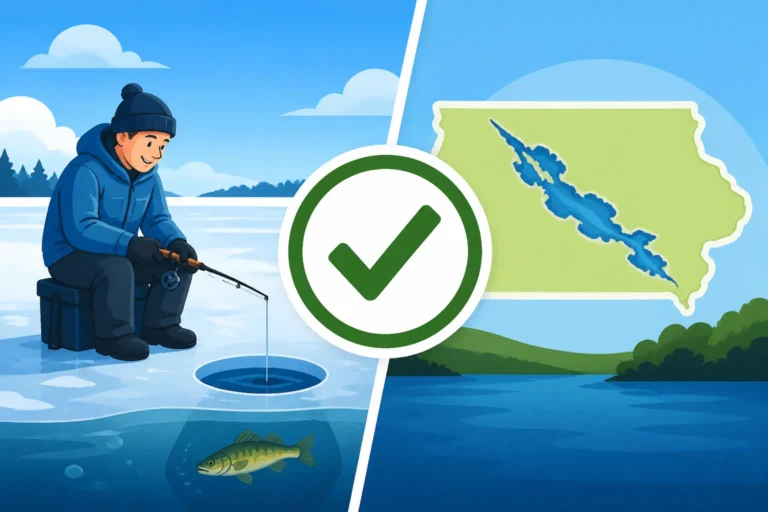
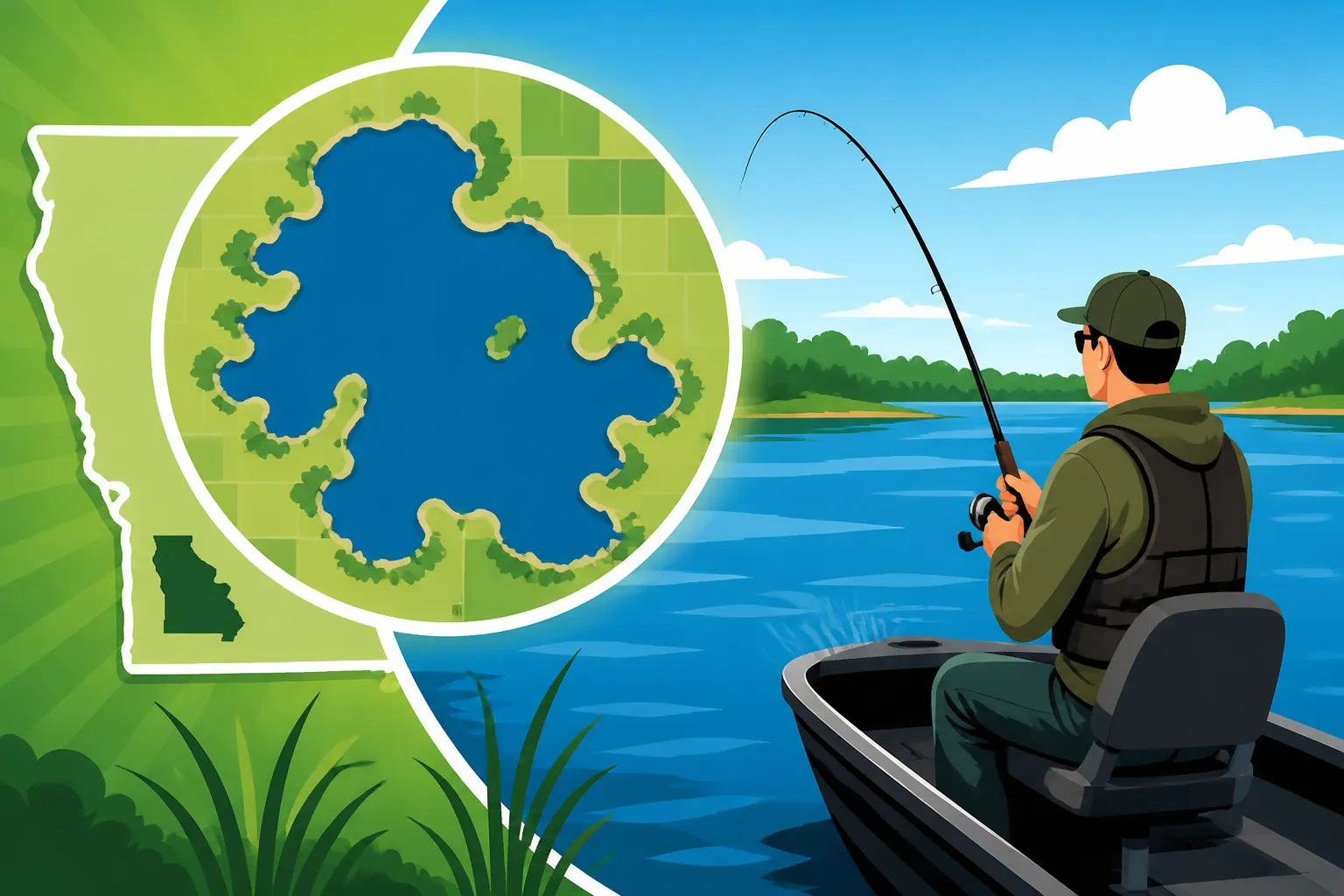
Let's get straight to the heart of the matter: Clear Lake, Iowa, boasts a surface area of approximately 3,600 acres. This isn't just a random number; it's a key piece of information that dictates a lot about your potential fishing experience, from the types of fish you might encounter to the techniques you'll want to employ. Situated in Cerro Gordo County, this natural lake is a jewel in North Central Iowa's crown, renowned for its excellent fishing opportunities and vibrant lakeside community.
More Than Just a Number: What 3,600 Acres Really Means
Thinking about 3,600 acres can be a bit abstract, can't it? To put it into perspective, that's roughly equivalent to about 2,700 football fields lined up side by side. It means Clear Lake is large enough to offer diverse fishing environments without being so overwhelmingly massive that it feels impossible to navigate. You'll find plenty of room to spread out, whether you're targeting specific species or just enjoying a peaceful day on the water. This size strikes a fantastic balance, providing enough space for a healthy ecosystem while remaining accessible and enjoyable for a wide range of anglers. It’s certainly big enough that you won’t feel like you’re constantly bumping into other boats, especially during peak seasons.
Historical Context and Lake Evolution
Clear Lake isn't just a body of water; it has a rich history tied to its geological formation and ongoing conservation efforts. As one of Iowa's few natural glacial lakes, its size has remained relatively stable over centuries, shaped by the retreating ice sheets. Over the years, local and state agencies, like the Iowa Department of Natural Resources (DNR) and organizations such as the Clear Lake Association, have invested heavily in maintaining its water quality and fish habitat. This means that while the acreage itself is a constant, the health and vibrancy of the lake's fishing spots are a direct result of continuous efforts to protect and enhance this valuable resource. Understanding this context helps you appreciate that the fishing experience you enjoy today is built on a foundation of natural heritage and dedicated stewardship.
Navigating Clear Lake's Diverse Ecosystem for Anglers
An acreage of 3,600 means Clear Lake isn't just a big bowl of water; it's a complex ecosystem with varied depths, structures, and habitats. This diversity is precisely what makes it such a productive fishing destination, supporting a wide array of popular fish species. If you're wondering how to leverage this size, it really comes down to understanding the different areas within the lake.
Strategic Fishing Zones: From Shallow Reefs to Deep Basins
Clear Lake's considerable size allows for a remarkable range of underwater features. On one end, you'll find expansive shallow bays, often less than 10 feet deep, rich with aquatic vegetation. These areas are goldmines for species like panfish, particularly bluegill and crappie, especially during their spawning seasons in spring and early summer. If you're searching for specific spots, our guide on "Clear Lake Panfish and Crappie Spots" can give you some excellent starting points. These shallow zones also serve as crucial nurseries for juvenile fish.
As you move towards the center of the lake, depths gradually increase, reaching up to about 20-22 feet in some of the deeper basins. These deeper areas are critical for walleye and yellow bass, especially during warmer months or when they're retreating from bright sunlight. Submerged rock reefs, ledges, and transition areas between hard and soft bottom are prime targets. For those chasing the elusive walleye, knowing "Where to Catch Walleye at Clear Lake" will be invaluable, as these fish often relate to specific contours and structures found in the lake’s deeper sections. The expansive nature of Clear Lake means these different zones aren't crowded together; there's ample space between them, allowing fish to move and forage freely.
Understanding Fishing Pressure and Solitude
With 3,600 acres, Clear Lake offers a surprising amount of room to find your own fishing sanctuary, even on busy weekends. While the popular boat ramps and public access points might see a flurry of activity, the sheer size of the lake allows anglers to disperse. If you're looking for solitude, you can often find it by exploring less obvious coves, focusing on mid-lake structure, or venturing out during off-peak hours. This isn't always the case with smaller, more confined lakes where you can feel like you're fishing elbow-to-elbow with others.
The flip side, of course, is that the fish also have more room to roam. This means that while you might find a quiet spot, you'll still need to put in the effort to locate active fish. However, the advantage is that fish aren't constantly being hammered by anglers in the same tiny spots, which can lead to more consistent bites if you put in the time to understand their patterns. Many local anglers even hire guides through services like FishingBooker to help them quickly pinpoint productive areas, especially when they're short on time or new to the lake.
Prime Habitats for Key Species
Clear Lake's diverse habitat, directly influenced by its size and structure, supports a fantastic mixed bag of species.
- Walleye: These highly sought-after fish thrive in Clear Lake. They often relate to the deeper basins, rock reefs, and transitions where they can ambush baitfish. The vastness provides ample foraging grounds.
- Largemouth Bass: You'll find largemouth bass lurking in the weed lines, submerged timber, and around docks in the shallower, protected bays. The lake's varied shoreline offers excellent cover.
- Smallmouth Bass: While less common than largemouth, smallmouth bass can be found around rocky points and rip-rap areas, particularly on the deeper, clearer sections of the lake.
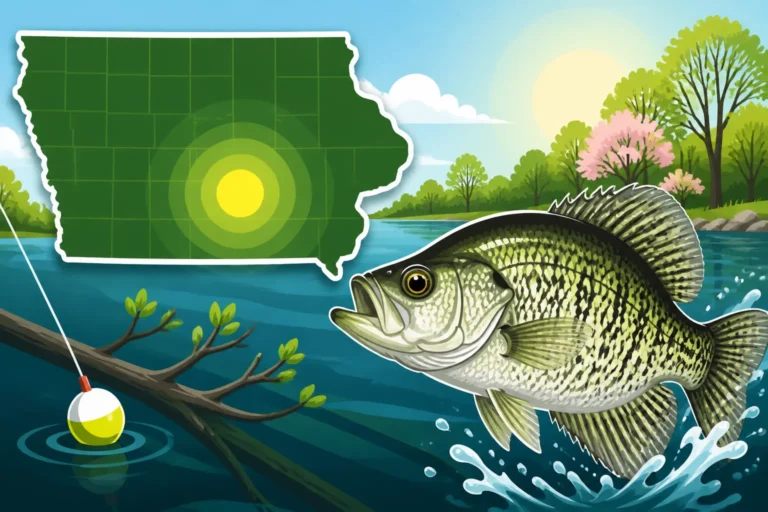
- Crappie and Bluegill: These panfish are abundant, especially in areas with submerged brush, weed beds, and around piers. Their populations benefit from the extensive shallow water habitats available. For targeted crappie and sunfish angling, check out our guide on "Clear Lake Panfish and Crappie Spots."
- Yellow Bass: Clear Lake is famous for its robust yellow bass population. These aggressive little fighters often school up in large numbers, roaming both shallow and mid-depth areas, offering fast and furious action, particularly for anglers looking for steady bites. Our article on "Yellow Bass at Clear Lake" provides more details on targeting these fun fish.
- Muskie: Yes, Clear Lake is even home to muskie! While a trophy species, the lake’s size and forage base support these apex predators. If you're intrigued by the challenge, our piece on "Is Clear Lake Good for Muskie Fishing?" dives deeper into what you can expect.
The significant acreage provides enough space and varied forage to sustain healthy populations of all these species, ensuring a well-rounded fishing experience for anglers of all preferences.
Comparing Clear Lake: Size in the Iowa Landscape
Understanding Clear Lake's 3,600 acres is best achieved by placing it in context with other prominent fishing lakes across Iowa. This comparison highlights its unique position, offering a balance of size and accessibility that many anglers appreciate.
Side-by-Side with the Iowa Great Lakes
When we talk about major Iowa fishing destinations, the Iowa Great Lakes often come to mind first. These are some of the state's largest natural lakes, and Clear Lake holds its own among them:
| Lake Name | Approximate Acreage | Key Features |
|---|---|---|
| Clear Lake | 3,600 acres | Mixed depths, excellent walleye, yellow bass, panfish. Popular for recreation and fishing. |
| Spirit Lake | 5,660 acres | Iowa's largest natural lake. Diverse species, trophy walleye and muskie. |
| West Okoboji Lake | 3,847 acres | Iowa's deepest lake (136 ft). Crystal clear water, deep structure fishing. |
| East Okoboji Lake | 1,835 acres | Shallower than West Okoboji, great panfish and bass. |
As you can see, Clear Lake is quite comparable in size to West Okoboji Lake and certainly larger than East Okoboji. While it doesn't quite match Spirit Lake's expanse, it’s still among the largest natural lakes in the state. This means it offers a similar big-water feel and diverse fishing opportunities that anglers seek in the Great Lakes region, but often with slightly less boat traffic than some of the heavily developed Great Lakes. Its size allows for excellent recreational boating alongside serious angling.
How Clear Lake Stacks Up Against Iowa's Major Reservoirs
Iowa is also home to several large man-made reservoirs, which offer a different kind of fishing experience. Comparing Clear Lake to these highlights their distinct characteristics:
- Rathbun Lake: Located in Southern Iowa, Rathbun Lake is one of Iowa's largest artificial lakes, sprawling over 11,000 acres. It's famous for its crappie and catfish fishing. Clearly, Rathbun is significantly larger than Clear Lake, offering even more expansive waters, but also a different feel due to its reservoir nature.
- Saylorville Reservoir: Situated north of Des Moines, Saylorville spans approximately 6,000 acres at conservation pool level, though its size fluctuates. It's known for its catfish, walleye, and white bass. Again, Saylorville is notably larger than Clear Lake, reflecting the scale of flood control reservoirs.
- Coralville Reservoir: Near Iowa City, Coralville is another massive flood control reservoir, around 5,000 acres at conservation pool. It's popular for crappie, catfish, and white bass.
While Clear Lake's 3,600 acres is substantial, it's dwarfed by these larger reservoirs. The key difference isn't just acreage, but also the lake type. Clear Lake, being a natural lake, generally has more stable water levels, clearer water, and a more developed, consistent shoreline compared to reservoirs, which can have fluctuating levels and often feature more standing timber and submerged creek channels. Both offer fantastic fishing, but the experience and the types of structures you'll find will differ. Our guide on "Best Fishing Spots in Iowa" often highlights both natural lakes and reservoirs for their unique angling benefits.
Maximizing Your Fishing Adventure on Clear Lake's Vastness
Given Clear Lake's significant size, approaching your fishing trip with a bit of strategy will drastically improve your chances of success. It’s not a small pond where you can just cast anywhere and expect results.
Access Points and Boating Considerations
With 3,600 acres, Clear Lake offers ample opportunities for boaters, but knowing your access points is crucial. The city of Clear Lake, Iowa, provides several well-maintained public boat ramps, such as those at the Clear Lake State Park or the McIntosh Woods State Park. These facilities can handle everything from small fishing boats to larger pleasure craft. Because of the lake's size, boaters should always be mindful of weather conditions, as high winds can quickly churn up rough waters, especially on the main body of the lake. Ensuring your boat is properly registered and equipped with all required safety equipment, as outlined in "Iowa Boat Registration Requirements," is always a smart move. Kayak anglers also find plenty of water to explore, particularly in the calmer bays and along the extensive shorelines.
Leveraging Technology for the Best Bites
Trying to cover 3,600 acres by just guessing isn't the most effective strategy. This is where modern fishing technology truly shines. A good fish finder is an invaluable tool for locating schools of fish, identifying structure like submerged reefs or weed beds, and determining depth changes. Using your electronics, you can effectively scout large areas, saving you precious fishing time. GPS mapping systems are also incredibly helpful for marking productive spots, navigating safely, and returning to your favorite fishing holes. Our guide on "Fish Finders and Electronics for Iowa Anglers" offers a deeper dive into how these tools can transform your fishing.
Furthermore, if you're unfamiliar with Clear Lake and want to quickly get on the fish, consider booking a local fishing guide. Platforms like FishingBooker connect you with experienced Clear Lake guides who know the lake's vastness intimately. They can take you directly to the productive spots, teach you effective techniques for the current conditions, and help you understand the nuances of fishing such a large body of water. This can be a fantastic way to cut down the learning curve and maximize your time on the water, whether you're targeting walleye, crappie, or yellow bass.
Seasonal Strategies for Success
The size of Clear Lake means that fish behavior can change dramatically with the seasons, and adapting your approach is key.
- Spring: As the ice melts and water temperatures rise, fish become active. Walleye will move to shallower areas for their spawn, and panfish will start to congregate in bays and near structure. The overall warming of the massive water body takes time, so understanding the current water temperatures across different sections of the lake can give you an edge.
- Summer: In the warmth of summer, fish often move to deeper, cooler waters or seek cover in weed beds during the day. Early morning and late evening bites can be fantastic, especially for bass and walleye. Trolling can be an effective way to cover large areas and locate active fish in the main lake basins. "Best Time of Day to Fish Clear Lake" offers more insights into daily patterns.
- Fall: As temperatures drop, many species go on a feeding frenzy to prepare for winter. Walleye and yellow bass will often school up, providing excellent action. This is a prime time for covering water, as fish can be found in a variety of depths.
- Winter (Ice Fishing): Clear Lake is also a popular ice fishing destination. Its 3,600 acres provide ample ice-covered territory, with anglers targeting walleye, crappie, bluegill, and yellow bass. Safety is paramount when ice fishing such a large lake, always verify ice thickness. The sheer size means you can drill plenty of holes and move around to find the active schools.
Each season presents unique challenges and rewards, and the expansive nature of Clear Lake means there's always an adventure to be had. Understanding "Iowa Fishing Regulations Explained" is also crucial, as seasons and limits can vary. For those looking for local expertise, a quick search on FishingBooker can help you find a guide specialized in Clear Lake’s seasonal patterns, ensuring you’re on the right track no matter when you visit.
Disclaimer
The information provided in this guide is for general informational purposes only. Fishing regulations, conditions, and fish populations can change. Always consult the latest Iowa Department of Natural Resources (DNR) regulations and local advisories before planning any fishing trip. Fishing involves inherent risks, and safety precautions should always be observed.