Best Shore Fishing at Red Rock Reservoir
Finding those perfect spots to cast your line from shore at a massive place like Red Rock Reservoir can feel like searching for a needle in a haystack. The constantly changing water levels can be incredibly frustrating, making yesterday's hot spot a dry, muddy bank today. But don't despair! This guide is designed to cut through that confusion, helping you discover the most productive and accessible shore fishing locations at Red Rock, along with the techniques that will put fish on your line.
Understanding the Unique Challenges and Rewards of Red Rock Reservoir Shore Fishing
Red Rock Reservoir, Iowa's largest lake, is a true gem, but it presents some distinct characteristics that shore anglers need to understand. Unlike smaller, more stable lakes, Red Rock's water levels are managed by the U.S. Army Corps of Engineers, primarily for flood control and downstream navigation on the Des Moines River. This means the shoreline you fish today might look completely different next week.
The Fluctuating Nature of Red Rock
It's a common complaint among local anglers – you find a fantastic rocky point or a submerged timber structure that's just perfect for catching bass or walleye, only to return a few days later to find it high and dry, or submerged under many feet of water. This ebb and flow is a reality of Red Rock and can be incredibly disheartening when you're trying to establish consistent fishing patterns. The key to success here is adaptability and a bit of scouting. High water can sometimes bring fish closer to newly flooded cover, while lower water might expose prime structure that was previously too deep to effectively target from shore. Always check the current lake levels before you head out, and be prepared to explore a bit to find the fish.
Why Red Rock Still Shines for Bank Anglers
Despite the challenges of fluctuating water, Red Rock Reservoir remains an outstanding destination for shore fishing, offering diverse opportunities and a real chance at catching a variety of species. Its vast 15,250-acre surface area at normal pool, coupled with miles of accessible shoreline, ensures there's always somewhere new to explore. You're not just limited to a few overcrowded piers; instead, you have numerous parks, recreation areas, and public access points that allow you to spread out and enjoy the peace and quiet. Plus, the sheer variety of fish available, from hard-fighting catfish and chunky crappie to elusive walleye and aggressive bass, makes every outing an adventure. The scenic beauty, especially during sunrise or sunset over the expansive water, is just the icing on the cake.
Prime Shore Fishing Access Points at Red Rock Reservoir
When you're looking for the best places to fish from the bank at Red Rock, it's all about access and understanding what kind of structure each area offers. While the entire perimeter has potential, some spots consistently offer better opportunities due to their unique characteristics and accessibility.
Elk Rock State Park
Elk Rock State Park is a fantastic starting point for any shore angler at Red Rock. Located on the southwest side of the reservoir, it offers a variety of terrain perfect for bank fishing. You'll find several designated fishing jetties that extend into the water, providing deeper access without needing a boat. These jetties are often constructed with rip-rap, which attracts baitfish and, consequently, predatory species like walleye and bass. The park also features numerous rocky points and coves that can be explored on foot. During spring and fall, these shallower coves can be excellent for targeting crappie as they move closer to shore. Keep an eye out for submerged brush piles near the jetties; these are prime crappie and bluegill hangouts. Accessibility is generally good, with paved roads leading to parking areas and well-maintained trails down to the water's edge.
Howell Station Recreation Area and Lake Red Rock Dam
The area around Howell Station Recreation Area and, specifically, the Lake Red Rock Dam offers a unique two-for-one fishing experience. Above the dam, you're fishing the main reservoir body, often finding excellent action near the rip-rap that protects the dam structure. This rock provides shelter and ambush points for walleye and channel catfish. The currents created by the dam's operation, even when water isn't actively being released, can create subtle eddies and current breaks that hold fish. Below the dam, you're transitioning into the Des Moines River, which offers phenomenal river fishing opportunities. The strong currents and deeper holes below the spillway are renowned for their channel catfish and robust white bass populations, especially during their spring runs. Anglers often line the banks here, casting heavy jigs or bottom rigs with cut bait. Just be mindful of safety and signage, as certain areas near the immediate dam structure might have restricted access.
North Overlook and Robert's Creek Recreation Area
On the northern side of Red Rock, the North Overlook and Robert's Creek Recreation Area provide extensive shore fishing options. The North Overlook area features long, tapering points and varied shoreline, including some areas with natural timber that has been submerged by the lake's creation. These areas are excellent for casting crankbaits or spinnerbaits for largemouth and smallmouth bass. Robert's Creek, meanwhile, offers more protected coves and a large tributary arm, providing excellent habitat for panfish like bluegill and crappie. Look for standing timber or brush in these calmer waters. Anglers here often have success with simple bobber-and-bait setups. Both areas boast good parking, picnic facilities, and often less crowded shorelines than some of the more popular spots, allowing for a more relaxed fishing experience. These spots are also great for family outings, with plenty of room for kids to explore while you cast.
Essential Techniques and Tackle for Red Rock Shore Anglers
Mastering shore fishing at Red Rock Reservoir requires more than just showing up with a rod and reel. You need to adapt your techniques and tackle to the specific challenges and opportunities this large, dynamic waterway presents.
Adapting Your Approach for Reservoir Shorelines
First off, think about distance. Unlike a small pond, many of the productive spots at Red Rock are a good cast away from the bank. A medium-heavy spinning rod, around 7 to 8 feet long, paired with a reliable reel spooled with 10-15 lb test monofilament or braided line, will help you reach those deeper ledges or submerged structures. Fan casting – making casts to different points of the compass from one spot – is crucial to cover more water and locate active fish. Don't just cast straight out; try parallel to the bank, or at sharp angles to explore different depths and structures.
Because of the rocky and often snag-filled bottom, using durable baits and lures is key. You'll lose tackle, it's just a fact of life fishing Red Rock from shore. Consider using weedless setups for soft plastics when targeting bass, and be prepared to sacrifice a few jigs to the rock gods when pursuing walleye or crappie. Patience is a virtue, but so is mobility. If a spot isn't producing after 20-30 minutes, don't be afraid to pack up and move to another point or cove. The fish could be just a short walk away. For those looking for a different kind of angling experience on Iowa's waters, services like FishingBooker offer guided trips on many lakes, which can sometimes provide insights into local techniques you can adapt for your shore fishing.
Top Baits and Lures for Red Rock Species
Matching your bait to your target species is paramount. Here's a quick rundown of what works best:
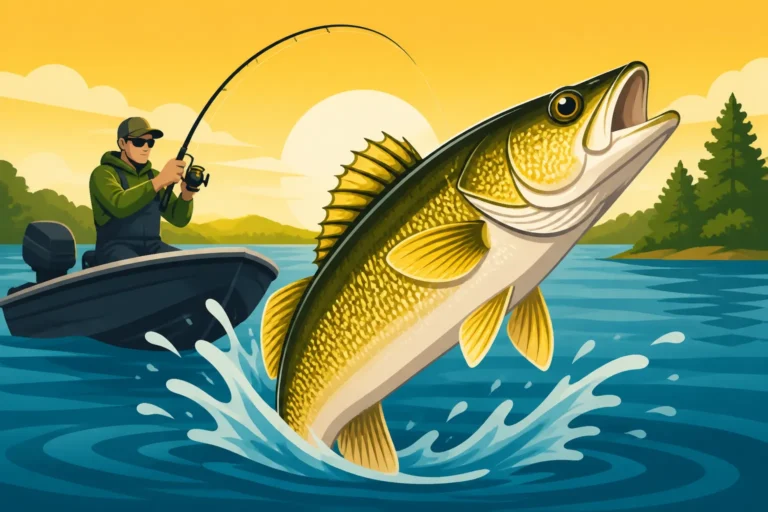
- Walleye: These elusive fish often hug the bottom or relate to structure. From shore, a 1/8 to 1/4 oz jig tipped with a live minnow or a soft plastic swimbait can be incredibly effective, especially around rocky points and near the dam. Trolling isn't an option from shore, but casting lipless crankbaits or shallow-diving crankbaits like a Berkley Flicker Shad and retrieving them steadily can imitate baitfish and provoke a strike. Check the Walleye Season and Size Limits before you head out.
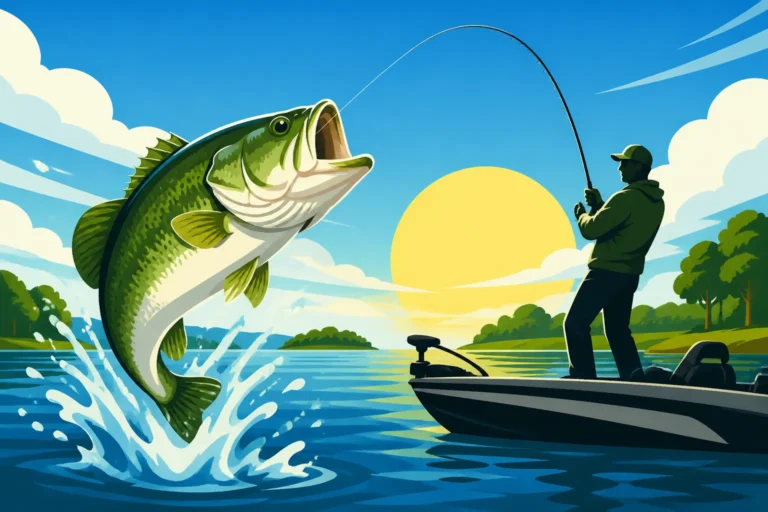
- Bass (Largemouth & Smallmouth): Both species thrive at Red Rock. For largemouth, target visible cover like flooded timber, brush, or lily pads with Texas-rigged worms, spinnerbaits, or topwater frogs during low light. Smallmouth bass often prefer rocky areas, so crankbaits, jigs, and small tubes worked along the bottom near rip-rap or rocky points can be deadly.
- Catfish (Channel & Flathead): Red Rock is a catfish haven. For channel cats, cut bait (shad is a local favorite), chicken livers, and various stink baits fished on a simple bottom rig with an egg sinker are highly effective. Flatheads prefer live bait like bluegills or large minnows, fished near logs or deeper holes. The areas below the dam are particularly productive. Remember to understand the Catfish Possession Limits before keeping your catch.
- Crappie & Panfish: These are often found in schools around submerged brush, standing timber, or calmer coves. Small jigs (1/32 to 1/16 oz) tipped with a minnow or a small plastic grub under a bobber are classic and highly effective. You can also try casting small beetle spins. For more detailed insights, consider looking into Crappie Jig Fishing Techniques.
Reading the Water from the Bank
Learning to "read the water" is a skill that greatly improves your shore fishing success. From the bank, look for visual cues that indicate fish-holding structure. Rocky points that extend into the water, old road beds, or sudden depth changes (often visible by water color or current speed) are prime spots. Submerged timber or brush piles, especially in calmer coves, will attract crappie and bluegill. Near the dam, identify current breaks and eddies where fish can rest out of the main flow while waiting for food to drift by. Wind-blown banks can also be productive, as the wind pushes baitfish and plankton towards shore, attracting larger predators. Understanding the general Iowa Fishing Techniques Guide can also provide a solid foundation for your Red Rock adventures.
Seasonal Strategies for Maximizing Your Red Rock Shore Success
Just like the water levels, the best fishing spots and techniques at Red Rock change with the seasons. Being aware of these seasonal patterns can dramatically increase your chances of success from shore. This means understanding the Iowa Fishing Seasons Explained throughout the year.
Spring Fishing Success
Spring is arguably one of the best times to hit the Red Rock shorelines. As water temperatures begin to rise, fish become incredibly active. This is when crappie, walleye, and bass move into shallower waters for their pre-spawn and spawning activities. Look for sunny, protected coves and points that warm up faster. For crappie, focus on any visible structure like submerged brush or standing timber in 3-10 feet of water. Small jigs and minnows fished under a bobber are deadly. Walleye will be congregating on rocky points and flats as they prepare to spawn, making these areas ideal for jigging with minnows or casting shallow crankbaits. Bass will also be cruising the shallows, often near new weed growth or flooded vegetation. Early mornings and late evenings are typically prime times, but overcast days can extend the bite into the afternoon.
Summer and Fall Tactics
Summer fishing from shore at Red Rock can be challenging due to high temperatures and boat traffic, but it's still productive if you adjust your tactics. Target low-light periods – early morning, late evening, or even night fishing – when fish move shallower to feed. During the day, fish tend to retreat to deeper, cooler waters, making them harder to reach from shore. However, channel catfish are a fantastic summer target and can be caught throughout the day using cut bait or stink bait on bottom rigs, especially in deeper holes or near the dam. For bass and walleye, focus on shaded areas, points with access to deeper water, or below the dam where currents provide cooler, oxygenated water.
As fall approaches, Red Rock comes alive again. The cooler water temperatures signal fish to feed heavily in preparation for winter. Walleye and bass will move shallower once more, aggressively chasing baitfish. This is a great time to cast crankbaits, spinnerbaits, and jigs around rocky points and channel edges. Crappie will also school up and can be found in predictable locations. The scenery is also breathtaking with the changing leaves, making for a truly enjoyable outing. Before you go, it's always wise to check the Bass Season and Size Limits to ensure you're compliant.
Winter (Open Water Opportunities)
True ice fishing on Red Rock Reservoir is generally limited and extremely risky due to its size, depth, and the constant flow of the Des Moines River, which prevents consistent, safe ice formation across large areas. While parts of smaller bays might freeze, strong currents and varying depths mean ice conditions can be highly unpredictable. Therefore, for most shore anglers, winter at Red Rock means a very slow period for open-water fishing. If you do venture out, focus on areas near the dam, where open water might persist, and fish for hardy species like catfish or even an occasional walleye that might be holding in deeper, slower current breaks. Extreme caution is paramount, and it's generally recommended to explore other smaller, safer Iowa lakes for dedicated ice fishing experiences.
Recommended Shore Fishing Gear for Red Rock Reservoir
Having the right gear makes all the difference when tackling a reservoir like Red Rock. You don't need a boat to fish well here, but a few key items will enhance your experience. For general guidance, check out an Iowa Fishing Gear Guide.
| Gear Item | Recommended Specs / Type | Why It's Essential for Red Rock Shore Fishing |
|---|---|---|
| Rod & Reel Combo | 7-8 foot Medium-Heavy spinning rod, 3000-4000 size spinning reel | Longer rods provide better casting distance needed to reach distant structures, while a medium-heavy action handles heavier lures and larger fish. A robust reel ensures smooth casting and retrieval. |
| Fishing Line | 10-15 lb braided line with a fluorocarbon leader (10-12 lb) or 12-17 lb monofilament | Braided line offers superior casting distance, sensitivity, and strength for pulling fish out of cover. A fluorocarbon leader adds invisibility. Monofilament is a good all-around choice for shock absorption and abrasion resistance around rocks. |
| Tackle Bag/Backpack | Durable, water-resistant, comfortable to carry | You'll be doing some walking! A comfortable bag allows you to carry multiple tackle boxes, water, snacks, and other essentials, keeping your hands free for your rod. |
| Lure Assortment | Variety of jigs (1/8 – 1/2 oz), crankbaits (shallow to medium divers), soft plastics | Cover all your bases for walleye, bass, and crappie. Include different colors for varying water clarity (e.g., bright colors for muddy water, natural for clear). |
| Bait | Live minnows, nightcrawlers, cut bait (shad or chicken liver), stink baits | Live bait is often irresistible, especially for walleye and crappie. Cut bait and stink bait are champions for channel catfish. |
| Pliers/Forceps | Long-nose pliers or hook removers | Essential for safely removing hooks from fish, especially those with sharp teeth or deeply swallowed hooks. Also useful for cutting line and crimping weights. |
| Landing Net | Telescoping, rubberized net | A net helps land larger fish safely, preventing lost fish at the bank and making release easier. Rubberized nets are gentler on fish and prevent hooks from getting tangled. |
| Sun Protection | Hat, polarized sunglasses, sunscreen | Polarized sunglasses help cut glare on the water, allowing you to see submerged structure and potentially even fish. Sunscreen and a hat protect against sunburn during long days on the water. |
| Wading Boots/Shoes | Comfortable, water-resistant, good grip | You might want to wade into shallow water to cast further or retrieve a snagged lure. Good footwear is crucial for navigating potentially slippery, uneven shorelines. |
| Portable Chair | Lightweight, foldable | For those longer sessions targeting catfish or just relaxing between bites, a comfortable chair can make a world of difference. |
| Headlamp | With red light option | If you plan to fish during low light or at night, a headlamp is indispensable for tying knots, rigging bait, and navigating safely. The red light preserves your night vision. |
| Map/GPS App | Physical map or fishing app (e.g., Google Maps, Navionics) | Red Rock is huge. A map helps you understand the topography, locate access points, and identify potential fish-holding structures, even if you’re exploring beyond the most popular spots. Many anglers even use services found on FishingBooker to learn about productive areas from local guides when fishing larger bodies of water. |
Beyond these essentials, consider a cooler for drinks and keeping your catch fresh, and perhaps a small first-aid kit. While you don't need a boat, understanding Best Boats for Iowa Fishing can still give you perspective on how those on the water might be targeting certain areas, which can help inform your shore fishing approach.
Disclaimer
Fishing regulations can change, and it's your responsibility to stay informed. Always consult the latest Iowa Department of Natural Resources (DNR) fishing regulations booklet or their official website before heading out. This article is for informational purposes only and does not constitute legal advice regarding fishing regulations.