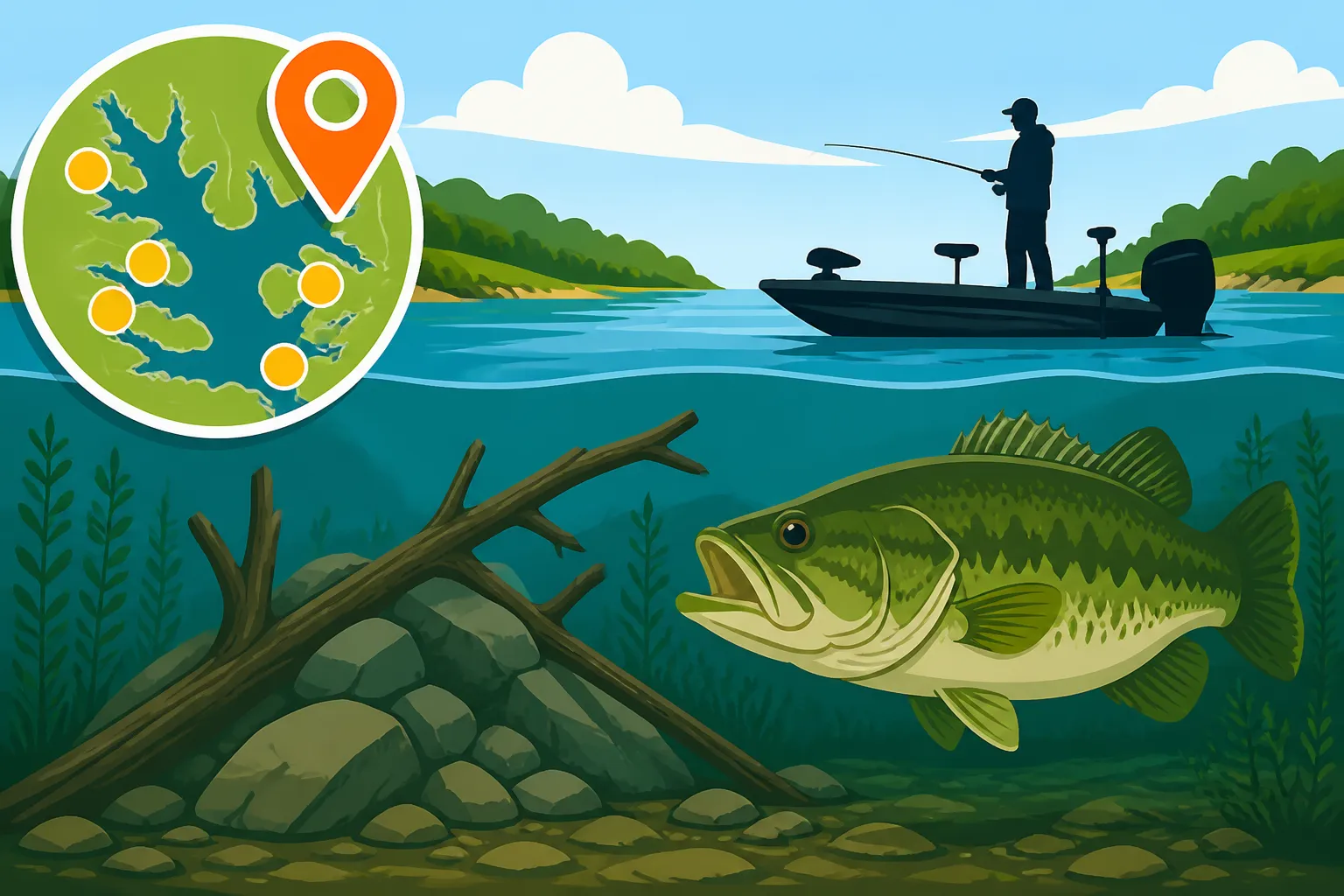
Where to Find Structure for Bass on Rathbun Lake
Anyone who's spent time trying to track down largemouth bass on a vast reservoir like Rathbun Lake knows the struggle. It can feel like looking for a needle in a haystack, especially when you're not sure where these elusive fish prefer to hide. Finding the right structure is absolutely key to consistent success, and this guide is here to break down exactly where and how to locate those prime bass hangouts on Iowa's "Southfork" giant.
Understanding Rathbun Lake's Unique Structure for Bass
Rathbun Lake, often called Iowa's "great lake," is a sprawling body of water in south-central Iowa. Its sheer size, over 11,000 acres, can be intimidating for bass anglers. Unlike smaller, more predictable ponds, Rathbun offers a complex underwater topography that demands a strategic approach to finding largemouth. But don't let its size deter you; those same complexities are what make it such an incredible fishery, holding some truly impressive bass.
The Expansive Nature of Rathbun and its Challenges
One of the biggest frustrations for anglers on a lake like Rathbun is the feeling of endless, featureless water. You can spend hours just cruising, casting blindly, and coming up empty. This isn't because there aren't bass; it's because they are almost always associated with some form of structure or cover. The challenge lies in identifying those subtle changes in depth, those submerged secrets, and those hidden ambush points that largemouth gravitate towards. Wind and weather patterns can also make vast open water difficult to fish, pushing bass into more sheltered, structured areas. It really highlights why understanding the lake's unique underwater landscape is so crucial, rather than just driving around hoping for a bite. If you're struggling to locate fish, consider booking a trip through a service like FishingBooker to tap into local guide knowledge, which can drastically cut down your learning curve on a big lake like this.
Key Underwater Features that Hold Bass
When we talk about "structure" for bass, we're referring to any change in the lake bottom or submerged physical objects that provide cover, ambush points, or pathways for fish. On Rathbun Lake, you'll encounter a variety of these features. Think about creek channels that wind across the lakebed, old roadbeds from before the lake was flooded, subtle humps or rises on otherwise flat bottoms, and points that extend out from the shoreline into deeper water. Beyond natural geological features, man-made structures are also vital. These include submerged timber, brush piles placed by anglers or the DNR, rock piles, and even old foundations or culverts. Each of these offers a distinct advantage to bass, whether it's shade from the sun, protection from predators, or a prime spot to ambush baitfish. Understanding the different types of structure is the first step in unlocking Rathbun's bass potential. You might find a detailed guide on Iowa Fishing Techniques Guide helpful for understanding how to approach various structures.
Prime Locations for Largemouth Bass Structure on Rathbun
Rathbun Lake's varied shoreline and basin offer distinct areas where bass tend to congregate around specific types of structure. Knowing these general regions can help you narrow down your search and focus your efforts more effectively. Each part of the lake has its own character and hidden gems.
Northeast Coves and Submerged Timber
The northeast arm of Rathbun Lake, particularly areas fed by smaller creeks and tributaries, is a fantastic place to start looking for bass. These coves often feature shallower water, which warms up faster in the spring, making them ideal for prespawn bass. The primary structure here is often submerged timber. When Rathbun Lake was impounded, numerous trees were left standing or fell into the water, creating vast underwater forests. These trees, both standing and fallen, offer incredible cover, shade, and ambush points for largemouth bass. Look for areas where these trees meet a creek channel or a depth change. Bass will hold tight to the trunks and limbs, especially during bright sunny days or when seeking refuge from boat traffic. Many anglers specifically target these areas with weedless jigs or Texas-rigged plastics, carefully working their way through the snags. The timber also holds a lot of baitfish, which is a big draw for hungry bass.
Southern Rocky Points and Deep Water Access
Moving towards the southern and western portions of Rathbun Lake, the landscape changes, and with it, the preferred bass structure. Here, you'll find more pronounced rocky points and bluffs that extend out into deeper water. These rocky features are often formed by geological contours and offer excellent hard-bottom structure. Bass relate to these points for several reasons: they provide easy access to both shallow feeding flats and deeper, cooler water, making them ideal transition areas. During the summer, bass might hold on the deeper sides of these points, moving up shallow to feed during low light conditions. The rocks themselves create current breaks and attract crawfish, a favorite bass meal. Consider throwing crankbaits or football jigs around these points, feeling for subtle changes in rock size or depth. These spots can be particularly productive during the post-spawn and early fall periods. For specific depth maps, check out resources like the Iowa Fishing Atlas Access Points to pinpoint these features more easily.
Central Lake Humps and Offshore Brush Piles
While many anglers focus on the shoreline, some of Rathbun Lake's most productive bass structure is found offshore, in the main body of the lake. These are often subtle humps, ridges, or elevated areas on the lakebed that rise above the surrounding bottom. These mid-lake structures act like magnets for bass, especially once the fish move away from the shallower spawning areas. They provide a high point for bass to ambush passing baitfish schools and often hold larger, more mature fish that prefer deeper water.
In addition to natural humps, you'll also find numerous man-made brush piles scattered throughout Rathbun. These are often deliberately placed by the Iowa Department of Natural Resources (DNR) or local angling clubs to enhance fish habitat. These brush piles, typically bundles of submerged trees or cedars, provide intricate cover that bass absolutely love. They offer shade, protection, and a perfect hiding spot for ambushing prey. Locating these can be tricky, but they are well worth the effort. Once you find one, mark it on your GPS! These offshore structures are particularly effective when targeting bass during the summer heat or in the deeper sections of the lake during the colder months. You'll want to use your electronics extensively here to scout for these hidden gems, and often, a local guide found on FishingBooker will have these spots meticulously mapped out.
Advanced Techniques for Locating and Fishing Rathbun's Bass Structure
Simply knowing what structure bass like isn't enough; you also need to know how to find it efficiently and how to present your baits effectively once you've located it. Modern technology and a keen understanding of bass behavior are your best friends on a vast fishery like Rathbun.
Using Electronics to Pinpoint Key Holding Areas
This is where your investment in quality electronics truly pays off on Rathbun Lake. A good fish finder with side imaging and down imaging capabilities is invaluable for finding submerged structure. Forget just relying on a traditional 2D sonar; side imaging allows you to scan wide swaths of water on either side of your boat, revealing brush piles, humps, and even individual submerged trees that you might otherwise run right over. Down imaging provides a clearer, photographic-like view directly below your boat, making it easier to discern the type of structure and even see fish holding tight to it. When idling through potential areas, keep an eye on your depth contours and any sudden changes. Mark waypoints when you see something interesting. Don't be afraid to slow down and really "read" your electronics; it's like having X-ray vision into the underwater world. Many anglers also use lake mapping chips, like those from Navionics or Lowrance, which provide detailed contours, old creek beds, and sometimes even marked brush piles. This kind of tech is essential for Fish Finders and Electronics for Iowa Anglers.
Seasonal Strategies for Targeting Bass on Structure
Bass behavior changes dramatically with the seasons, and so should your approach to fishing structure.
- Spring: As the water warms, bass move from deep wintering holes to shallower structured areas for spawning. Look for points, creek channels, and submerged timber in the northern coves and bays where the water is likely to warm first. These areas will hold Pre-Spawn Bass Patterns in Iowa before they move to actual spawning beds. Shallow-running crankbaits, jigs, and slow-rolled spinnerbaits are effective.
- Summer: During the hot summer months, bass often retreat to deeper, cooler water. This is when offshore humps, deep rocky points, and brush piles become prime targets. They'll also hold tight to the shadiest, densest parts of submerged timber. Vertical jigging, deep-diving crankbaits, Texas-rigged worms, and even topwater lures during low-light conditions can be deadly.
- Fall: As water temperatures drop, bass become more active and feed aggressively, often following baitfish schools. They'll relate to points, channel swings, and brush piles near deeper water. This is a fantastic time for power fishing with crankbaits, spinnerbaits, and jerkbaits, as bass are often very willing to chase. This period can overlap with Post-Spawn Crappie Patterns in Iowa making it a great time for multiple species.
- Winter: During the coldest months, bass become lethargic and typically suspend in deep water, often near significant offshore structure or deep channel swings. Vertical jigging with spoons or blade baits can entice a bite, but the action is generally slower.
Understanding these seasonal movements is critical to successfully finding bass on Rathbun's diverse structures.
Lure and Presentation Choices for Structured Water
Matching your lure and presentation to the specific type of structure and the bass's mood is paramount.
- Submerged Timber: For dense timber, weedless presentations are a must. Heavy-gauge Texas-rigged soft plastics (worms, creature baits) with stout hooks and strong line (like braided line for digging fish out) are perfect. Flipping and pitching jigs into tight pockets within the timber can also be highly effective. The goal is to get your bait into the strike zone without getting hopelessly snagged.
- Rocky Points & Humps: These areas are excellent for lures that imitate crawfish or baitfish. Football jigs, especially those with rattles, are fantastic for crawling over rocks. Deep-diving crankbaits that deflect off the rocks can trigger reaction strikes. Spinnerbaits and chatterbaits can also be productive, especially on the edges where rock meets a softer bottom.
- Brush Piles: Similar to timber, brush piles demand weedless offerings. Drop shots, shaky head jigs, and weightless wacky-rigged worms can be incredibly effective when fished slowly and meticulously around the branches. Sometimes, a slow-moving jig or a Senko-style bait allowed to fall naturally through the brush will get a bite. Experiment with colors that mimic bluegill or shad, depending on the prevalent baitfish. Selecting the right Best Baitcasting Reels for Bass Fishing can give you the control needed for precise presentations in these tricky spots.
Here's a quick reference table for structure and common lure choices:
| Structure Type | Common Location | Seasonal Best | Recommended Lures & Techniques |
|---|---|---|---|
| Submerged Timber | Northeast Coves, old creek beds | Spring (pre-spawn), Summer (shade) | Texas-rigged Plastics, Jigs (flipping/pitching), Spinnerbaits |
| Rocky Points & Bluffs | Southern, Western Shores | Summer (deep access), Fall (feeding lanes) | Deep Crankbaits, Football Jigs, Swimbaits |
| Central Lake Humps | Mid-lake Basin | Summer (offshore), Fall (baitfish migration) | Deep Crankbaits, Jigging Spoons, Carolina Rigs |
| Man-Made Brush Piles | Scattered, often near channels | Year-round (especially hot/cold periods) | Drop Shots, Shaky Heads, Wacky-rigged Worms, Jigs |
| Old Roadbeds/Foundations | Varied, sometimes subtle | Spring (travel lanes), Fall (ambush points) | Spinnerbaits, Lipless Crankbaits, Jig & Pig |
Navigating and Planning Your Rathbun Lake Bass Hunt
Tackling a large lake like Rathbun requires more than just knowing where the fish hide; it involves practical considerations for access, safety, and making the most of your time on the water. A well-planned trip enhances your chances of success and ensures a safe, enjoyable experience.
Public Access Points and Launch Ramps
Rathbun Lake is well-equipped with public access points and boat ramps, making it relatively easy to get your boat in the water. Some of the most popular and well-maintained ramps include Honey Creek State Park, Island View, and the Rathbun Lake Dam Site. Each of these offers ample parking and good access to different parts of the lake. It's always a good idea to check the water levels before heading out, especially during dry spells or heavy rain, as ramp conditions can change. If you're planning to stay for a few days, Honey Creek State Park also offers camping and lodging, making it a convenient base for a multi-day bass fishing adventure. Whether you're launching a large bass boat or a smaller craft, familiarizing yourself with the various ramp options can save you time and hassle. You'll want to ensure your vessel meets Iowa Boat Registration Requirements.
Safety Considerations and Local Knowledge
Safety on a large body of water like Rathbun Lake should always be your top priority. Sudden changes in weather, especially strong winds, can turn the lake choppy very quickly, making navigation challenging for smaller boats. Always check the marine forecast before heading out and keep an eye on the sky. Make sure you have all the required safety equipment on board, including life jackets for everyone, a whistle or horn, and a fire extinguisher. Furthermore, never underestimate the value of local knowledge. Talking to bait shop owners, other anglers at the ramp, or even hiring a guide for a day can provide invaluable insights into current fishing conditions, recent patterns, and even specific brush pile locations that are hard to find otherwise. Services like FishingBooker can connect you with experienced local guides who can teach you the nuances of Rathbun Lake, greatly enhancing your chances of finding those trophy bass. Plus, guides are a wealth of information on Iowa Fishing Regulations Explained, keeping you on the right side of the rules.
Disclaimer
The information provided in this guide is for general informational purposes only and is subject to change. Always consult the official Iowa Department of Natural Resources (DNR) regulations booklet or website for the most current rules and guidelines before fishing. Fishing conditions and fish behavior can vary greatly, and past success does not guarantee future results.