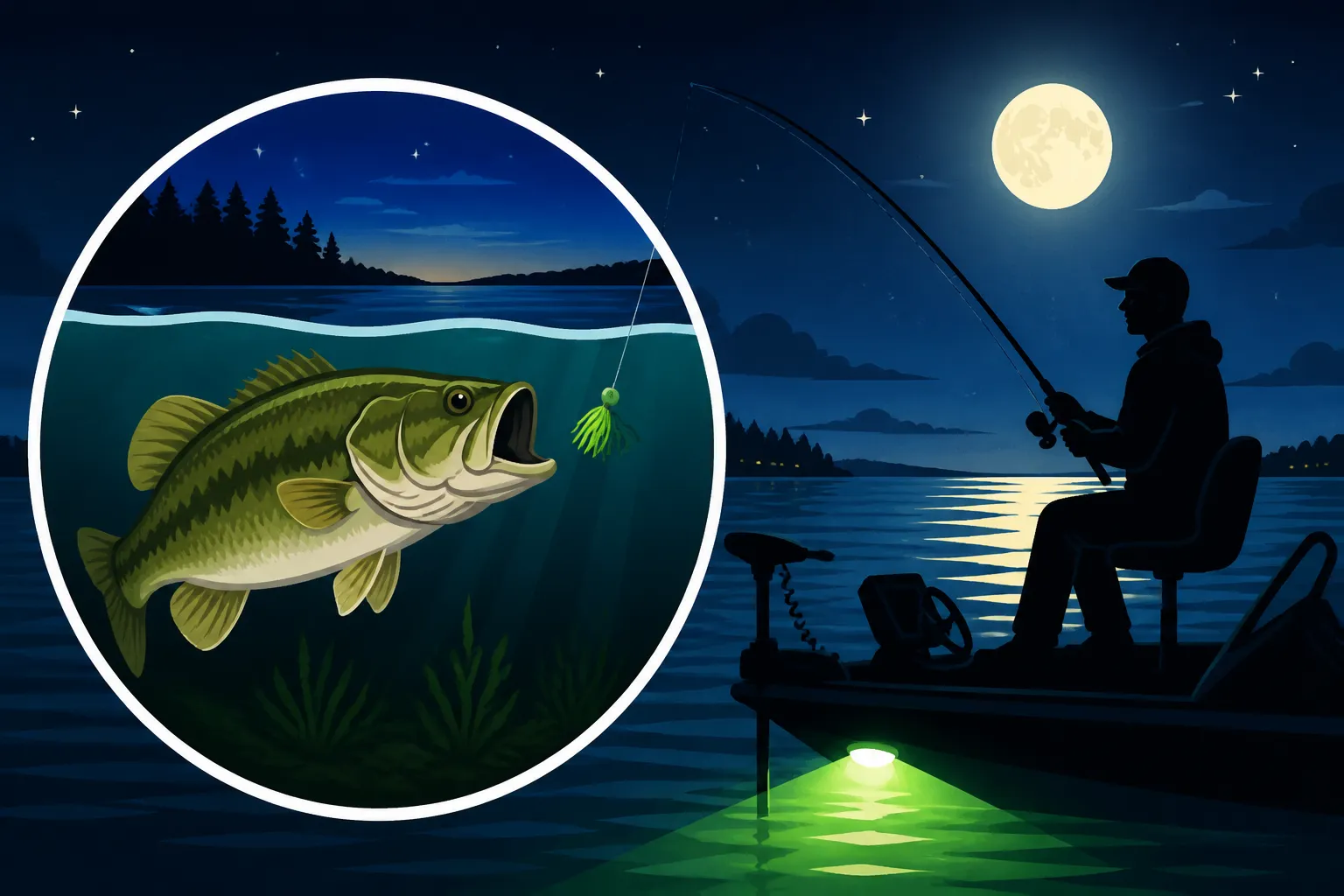
Is Night Fishing Good at the Iowa Great Lakes?
The sun dips below the horizon, painting the Iowa Great Lakes in hues of orange and purple, and for many anglers, this is the signal to pack up and call it a day. But for others, the fading light is an invitation, a secret handshake with the lake that unlocks a whole new world of fishing possibilities. If you've ever wondered if staying out after dark at places like West Okoboji Lake or Spirit Lake is worth the effort, you're not alone. This guide will dive deep into the real advantages and unique challenges of night fishing in Iowa's famous Great Lakes region, helping you decide if the nocturnal bite is for you and how to make the most of it.
The Unique Appeal and Realities of Night Fishing in Iowa
There’s a certain magic that descends upon the water once the boat traffic dwindles, the jet skis are put away, and the lake settles into a profound quiet. This peaceful transformation is one of the biggest draws of night fishing, offering a solitude that’s hard to find during the bustling daylight hours. But it's not just about the ambiance; fish behavior fundamentally changes under the cover of darkness, presenting opportunities you simply won't encounter during the day. However, it’s not all moonlight and trophy catches; there are practical considerations and safety challenges that every angler needs to address before venturing out.
Why Anglers Embrace the Darkness
For many, the primary reason to hit the water after sunset is the promise of bigger, more active fish. Species like walleye, notorious for their light-sensitive eyes, often move from deeper, cooler water into shallower feeding grounds once the sun is gone. This shift can make them more accessible and aggressive, leading to some truly memorable catches. The reduced boat traffic also means less disturbance, allowing fish to settle into more natural patterns and giving you a quieter, more intimate experience on the water. It’s a chance to escape the summer heat, too, which can be a huge relief on those sweltering Iowa evenings, making the experience more comfortable for both you and the fish. Imagine casting your line under a canopy of stars on West Okoboji, feeling a powerful tug, with nothing but the sounds of nature surrounding you – it's a feeling that daylight fishing rarely delivers.
Overcoming the Inherent Challenges
Let’s be honest, fishing in the dark comes with its own set of hurdles. Visibility, or the lack thereof, is the most obvious one. Navigating the Iowa Great Lakes in daylight is one thing, but doing it at night, with hidden hazards like buoys, submerged structures, or even other unlit boats, can be downright dangerous. Tying knots, baiting hooks, and even landing a fish become significantly more challenging when you can’t see clearly. You’ll also need to contend with temperature drops, which might be welcome relief from the day's heat but can quickly become uncomfortable without proper clothing. And, of course, there’s the increased risk of encountering unwanted wildlife, from curious raccoons on shore to night-flying insects that seem to find every light source. These aren't insurmountable obstacles, but they do require preparation and a heightened sense of awareness.
Targeting Nocturnal Hunters: The Best Fish Species After Dark
When the lights go out, a new cast of characters often takes center stage in the underwater world. While almost any fish can be caught at night, some species become particularly active and are therefore the prime targets for anglers embracing the darkness. Understanding their nocturnal habits is key to successful night fishing at the Iowa Great Lakes.
Walleye: The King of the Night Bite
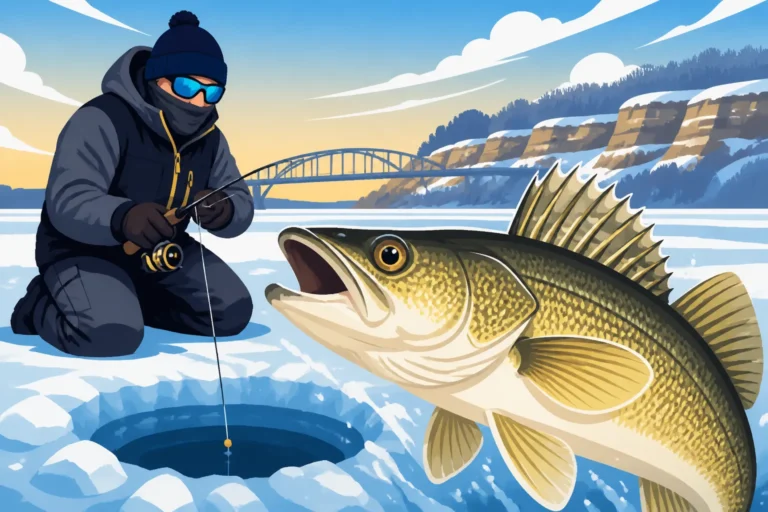
Without a doubt, walleye are the number one reason many anglers head out after sunset on the Iowa Great Lakes. These cunning predators are famously light-sensitive, and as soon as the sun’s glare is gone, they often migrate from their deeper daytime haunts to shallower points, reefs, and weed lines to feed. On lakes like Spirit Lake or East Okoboji Lake, this means you might find them cruising flats in just 5-10 feet of water, areas they wouldn't dare approach in bright daylight. The low light gives them an advantage over their prey, making them more aggressive and less wary of presentations. This nocturnal movement is a critical aspect of Iowa Fishing Techniques Guide.
Anglers often find success trolling shallow-running crankbaits in dark colors or those with rattles that create vibration, mimicking fleeing baitfish. Casting stickbaits or jigs with plastic tails parallel to weed edges or over rocky structure can also be incredibly effective. The trick is often a slower presentation than what you might use during the day, giving these light-sensitive fish time to track and commit. Many serious walleye anglers will tell you that their biggest fish of the season often come after dark, making the effort entirely worthwhile. If you're looking for that trophy, you should definitely check out tips on How to Catch Walleye at Night.
Catfish: Always Ready for a Late-Night Snack
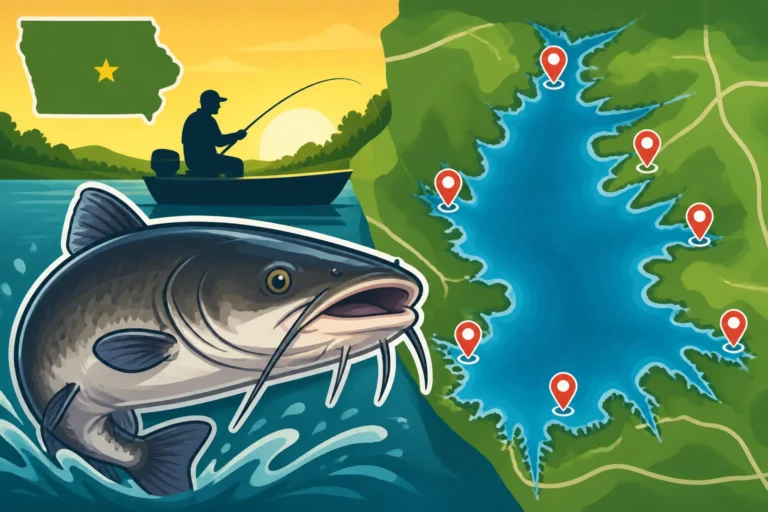
While walleye might be the glamour species for night fishing, channel catfish and flathead catfish are the reliable workhorses of the dark. They are truly built for the night, with their keen sense of smell and touch allowing them to navigate and feed effectively in absolute darkness. On the deeper Iowa Great Lakes, especially in areas with incoming tributaries or subtle current, catfish will be on the prowl for an easy meal.
For channel catfish, a simple bottom rig with a weight and a circle hook baited with cut bait, stink bait, or even a classic nightcrawler can be incredibly effective. Look for them in deeper holes, near channel edges, or along breaks where they can ambush prey. Flathead catfish, the true giants, prefer live bait like bluegills or bullheads and tend to hide in logjams, undercut banks, or other heavy cover during the day, emerging at night to hunt. Fishing for them often requires heavier gear and a lot of patience, but the reward of battling a monster flathead under the stars is unmatched. Night Fishing Techniques for Catfish are distinct and highly effective.
Panfish and Others: A Bonus Under the Lights
While not typically the primary target, crappie, bluegill, and even yellow bass can offer fantastic night fishing opportunities, especially if you employ tactics that attract them. The most common method involves using submersible fishing lights. These lights, often green or white, are lowered into the water, attracting plankton, which in turn draws in small baitfish like minnows or shad. Soon enough, crappie and bluegill will move in to feast on the concentrated baitfish.
This method is particularly effective around docks or boat lifts on lakes like Clear Lake or West Okoboji, where panfish often congregate. Light jigging with tiny jigs tipped with wax worms, minnows, or small plastic baits directly under the lights can lead to non-stop action. While you might not land the biggest fish of your life, the sheer numbers and consistent bites can make for a super fun and relaxing evening, especially for families or those new to night fishing. Don't forget, understanding Crappie and Sunfish Limits in Iowa is still crucial, even at night!
Here's a quick overview of some prime night-fishing targets:
| Species | Preferred Night Habitat | Recommended Baits/Lures | Key Night Fishing Technique | Notes |
|---|---|---|---|---|
| Walleye | Shallow reefs, points, weed lines | Crankbaits, stickbaits, jigs | Trolling, Casting, Slow Jigging | Light-sensitive, move shallow to feed, often bigger fish caught at night. |
| Catfish | Deep holes, channel edges, snags | Cut bait, stink bait, live bait | Bottom Rigs, Slip Bobbers | Excellent sense of smell, active hunters in darkness, fight hard. |
| Crappie | Around submerged lights, docks | Small jigs, minnows, wax worms | Vertical Jigging | Attracted by lights concentrating baitfish, often found in schools. |
| Bluegill | Around submerged lights, weed beds | Worms, small jigs, crickets | Bobber Fishing, Vertical Jigging | Good for family outings, also attracted by lights. |
| Northern Pike | Shallow weed edges, ambush points | Large crankbaits, spoons, live bait | Casting, Trolling | Opportunistic predators, can be caught on larger presentations, especially at dusk/dawn. |
Essential Gear and Critical Safety for Your Night Excursion
Venturing onto the Iowa Great Lakes after dark isn't something to take lightly. While the fishing can be exceptional, your safety and preparedness are paramount. Having the right gear isn't just about catching fish; it's about navigating safely and comfortably, ensuring your night on the water is memorable for all the right reasons.
Navigational and Personal Lighting
Your most crucial piece of gear, besides your fishing rod, is reliable lighting. This isn't just about seeing what you're doing; it's about being seen and navigating safely. Every boat, regardless of size, needs proper navigation lights. Make sure your bow (red and green) and stern (white) lights are fully functional before you even consider launching. Beyond boat lights, you'll want personal lighting. A good headlamp is indispensable, freeing up both hands for tying knots, unhooking fish, or handling your gear. Carry spare batteries or even a backup light source. A powerful spotlight can also be invaluable for spotting buoys, landmarks, or potential hazards at a distance, particularly on larger bodies like West Okoboji Lake or Spirit Lake. You might also consider a portable lantern for ambient light in the boat, which can be less harsh than a direct headlamp beam.
Fishing Tackle and Electronics
Your fishing rods, reels, and tackle don't necessarily need to be special "night fishing" specific gear, but some considerations can make a big difference. For instance, spools with braided line can be easier to feel in the dark, as they offer more sensitivity. Darker colored lures or those with rattles are often preferred for walleye, as vibration and silhouette are more important than visual appeal in low light. For catfish, robust hooks and strong lines are a must to handle those powerful late-night bites.
Electronics like your fish finder and GPS become even more critical at night. While you won't be "seeing" fish in the traditional sense, your sonar will still show you structure, depth changes, and schools of baitfish – all vital information for locating productive areas. Your GPS is your best friend for navigation, allowing you to mark waypoints for hazards or hot spots, and ensuring you can return safely to the boat ramp. Ensure these devices are fully charged or have a reliable power source. Many anglers use services like FishingBooker to research specific spots and structure maps beforehand, which can be invaluable when vision is limited.
Safety First: Non-Negotiables for Night Fishing
Safety should always be your top priority, especially when operating on water after dark.
- Life Jackets: This isn't optional. Everyone on board should wear a U.S. Coast Guard-approved life jacket, even if they are strong swimmers. The risk of falling overboard in the dark and becoming disoriented is significantly higher. Knowing about Best Life Jackets for Iowa Boaters is vital.
- Buddy System: Never fish alone at night. Having at least one other person with you ensures that if an emergency arises, someone is there to help or call for assistance.
- Tell Someone Your Plan: Before you leave, inform a friend or family member of your exact plans: where you're going, who you're with, and when you expect to return.
- Weather Check: Pay close attention to the forecast. Weather conditions can change rapidly on the Great Lakes, and unexpected storms or strong winds can be far more dangerous at night.
- First-Aid Kit: Always have a well-stocked first-aid kit readily accessible for minor injuries.
- Communication: Ensure your cell phone is fully charged and stored in a waterproof bag. Consider carrying a marine radio if you're on a larger vessel or plan to be far from shore.
- Required Safety Equipment for Iowa Boats: Besides life jackets and navigation lights, remember essentials like a whistle or horn, a fire extinguisher (if applicable), and throwable flotation devices. These are not just recommendations; they are mandated by law.
By prioritizing safety and outfitting yourself with the right gear, you can turn a potentially risky night venture into a rewarding and secure fishing experience on the Iowa Great Lakes. Always remember that Night Fishing Rules for Anglers do exist, and staying informed keeps everyone safe.
Mastering the Techniques for Iowa Great Lakes Night Fishing
Once you’ve got your gear sorted and your safety plan in place, it’s time to talk strategy. Night fishing at the Iowa Great Lakes isn’t just about turning up after dark; it requires a subtle shift in technique and approach to maximize your chances of success. The fish are there, but how do you entice them when they can barely see your bait?
Walleye Strategies Under the Stars
For many, walleye are the holy grail of night fishing, and for good reason. Their aggressive feeding habits in low light make them vulnerable to specific tactics. One of the most productive methods is trolling shallow-running crankbaits. These lures, especially those with rattles or in dark, silhouetting colors, are incredibly effective. You'll want to target shallow points, long tapering flats, and the outside edges of weed lines in 5-15 feet of water, often areas that see little daytime pressure.
The key is often a slow, methodical troll, just fast enough to get your crankbait working its action. Pay close attention to your electronics for any subtle depth changes or baitfish concentrations. Another highly effective technique is casting stickbaits or jerkbaits from shore or anchored boats onto shallow humps and rock piles. Cast, let it sit for a moment, then retrieve with a series of twitches and pauses. The pause is often when a walleye will strike. Remember that on the Iowa Great Lakes, finding those transitions between deep and shallow water is paramount, as this is where walleye will cruise looking for an easy meal. For deeper insights, "Best Time to Fish the Iowa Great Lakes for Walleye" and "Walleye Fishing in Iowa" are great resources.
Catfish Tactics: Scent is King
Catfish don't rely on sight, so for them, scent and vibration are king. When targeting channel or flathead catfish at night, passive, bait-oriented techniques are usually best. Bottom fishing with a slip-sinker rig is a tried-and-true method. This allows the fish to take the bait without feeling the weight of the sinker, leading to more confident bites. Use fresh cut bait (shad, suckers, or even bluegill), chicken livers, or commercial stink baits for channel cats. For flatheads, live bait is almost always preferred.
Look for areas with current if possible, such as creek channels or subtle flows near points, as these areas concentrate food and help spread the scent of your bait. On lakes like Rathbun Lake or Saylorville Reservoir, even though not part of the Great Lakes, these techniques are universally effective, and the principles apply to the Great Lakes' deeper sections and riverine inputs. Set multiple rods if legal, and be patient. Those big flathead bites can be subtle at first, then incredibly powerful.
Harnessing the Power of Light for Panfish
As mentioned earlier, lights can be a game-changer for crappie and other panfish. Submersible fishing lights are designed to attract zooplankton, which then draws in baitfish, and finally, the crappie and bluegill that feed on them. Drop your light a few feet below the surface near a dock, a brush pile, or suspended over open water. Give it some time – often 30 minutes to an hour – for the food chain to establish itself.
Once the baitfish are schooling around the light, you can use very light tackle with small jigs tipped with minnows or plastics. A sensitive rod and reel combo is crucial for detecting those subtle panfish bites. Vertical jigging directly under the light is often the most effective method, but a small slip bobber rig can also work well, allowing you to present your bait at a precise depth. This technique can lead to incredible numbers, providing fast-paced action throughout the night.
General Tips for Success
- Patience is a Virtue: Night fishing often involves slower action interspersed with bursts of intense bites. Don't get discouraged if things are quiet for a while.
- Stealth: Fish are often less wary at night, but excessive noise, bright lights shining directly on the water, or heavy footsteps can still spook them. Move quietly and use only as much light as necessary.
- Know Your Spot: Familiarity with your chosen fishing spot during the day will greatly aid your night navigation and understanding of structure. The Iowa Fishing Atlas Access Points can be a great resource for scouting.
- Dress in Layers: Even on warm summer days, nights can get chilly on the water. Layers allow you to adjust to changing temperatures.
- Bug Protection: Mosquitoes and other biting insects can be relentless. Bring plenty of insect repellent.
By adapting your techniques and being mindful of the unique nocturnal environment, you'll discover that night fishing at the Iowa Great Lakes can be an incredibly rewarding experience, opening up new opportunities for both numbers and trophy-sized fish.
Disclaimer
The information provided in this guide is for general informational purposes only and does not constitute legal or professional advice. Fishing regulations, safety requirements, and environmental conditions can change. Always consult the latest Iowa Department of Natural Resources (DNR) fishing regulations and local weather forecasts before planning any fishing trip. Adhere to all boating safety guidelines and exercise caution when fishing at night.