Best Time to Fish After Trout Stocking
There's nothing quite like the excitement of a fresh trout stocking in Iowa's beautiful streams. You see the announcements, mark your calendar, and immediately picture those vibrant fish hitting your line. But let's be honest, many of us rush out there, eager to be among the first, only to find the bite surprisingly slow or the crowds overwhelming. It can be frustrating to put in the effort right after a stocking, expecting a feeding frenzy, and come away with little to show for it. This guide is all about helping you understand the nuances of trout behavior post-stocking so you can hit the water at precisely the right moment for a truly rewarding fishing experience.
Understanding Iowa's Trout Stocking Program
Iowa might not be the first state that comes to mind for trout fishing, but our Department of Natural Resources (DNR) does an incredible job maintaining a vibrant trout program, primarily in the coldwater streams of Northeast Iowa. These streams, often spring-fed, provide the cool, oxygen-rich environment trout need to thrive, even if temporarily. The DNR aims to provide diverse angling opportunities, and stocking is a big part of that. Knowing the ins and outs of this program is the first step to timing your fishing trips perfectly.
How Often Iowa Stocks Trout Streams
The Iowa DNR has a comprehensive plan for trout stocking, which varies based on the specific stream, time of year, and even weather conditions. Generally, streams are stocked from April through October, with some winter stockings happening in specific urban or community ponds to provide ice fishing opportunities. Many of the designated trout streams in Northeast Iowa, like those around Decorah or Manchester, receive regular infusions of rainbow and sometimes brown trout. These stockings are often announced on the DNR's website, and anglers can even subscribe to email updates, which is a fantastic resource. However, just because you know when they're stocked doesn't mean you know the best time to fish after trout stocking.
It's crucial to distinguish between put-and-take streams and those with natural reproduction. While some wild trout populations do exist, particularly for brown trout, the majority of Iowa's trout fishing relies heavily on these stocking events. The frequency can be weekly, bi-weekly, or monthly depending on angler pressure and stream accessibility. For instance, highly popular spots might see more frequent stockings to keep up with demand. This consistent effort ensures there's always a good chance to catch a trout, but the timing of your visit relative to these events is paramount.
Species Stocked and Their Behavior
The primary species stocked in Iowa are Rainbow Trout and, to a lesser extent, Brown Trout. Each has slightly different behaviors that can influence your success.
- Rainbow Trout: These are the workhorses of the stocking program. They're typically hatchery-raised and, upon release, are often less wary than their wild counterparts. However, this also means they can be a bit disoriented or stressed initially. They're usually eager to bite, especially if presented with baits or lures that resemble what they were fed in the hatchery. They tend to school up more when first released, which can lead to concentrated fishing in certain pools or runs. They adapt fairly quickly, but their initial behavior can be quite predictable for the first few days.
- Brown Trout: While some streams have naturally reproducing brown trout, stocked browns are also part of the program. Brown trout are generally more elusive and temperamental than rainbows. They tend to seek cover quickly after stocking and can be pickier about what they eat. They often become nocturnal feeders as they acclimate, especially larger individuals. If you're targeting brown trout specifically, you might need to employ different strategies and understand that they might take a bit longer to settle into a new environment.
Understanding these inherent differences is vital. Rainbows, being less cautious, might be more susceptible to capture sooner after stocking, while browns might require more patience and a more strategic approach once they've had a chance to find their comfort zones.
The Immediate Aftermath: The "Stocking Frenzy" and Its Downsides
It's a common scene: the DNR truck pulls away, and within minutes, anglers are lined up, casting into the water. The thought is, "fresh fish, easy catch!" While there can be some truth to that, fishing immediately after a stocking often comes with its own set of challenges and can lead to frustration.
Why Fishing Immediately Can Be Disappointing
Many anglers believe that the moment trout are released, they're in a feeding frenzy. While some might indeed bite immediately, what often happens is a period of stress and disorientation for the fish. Imagine being suddenly dropped into a new environment after living in a controlled hatchery your whole life – you'd probably be more concerned with finding shelter and safety than grabbing a snack.
One of the biggest downsides is the sheer crowd. When the stocking schedule is public, prime spots can quickly fill up. You'll often find anglers practically elbow-to-elbow, casting over each other. This not only makes for a less enjoyable experience but can also spook the fish even further. The constant splashing, noise, and multiple lines in the water can make already disoriented trout even warier, pushing them into deeper cover or causing them to cease feeding altogether. Plus, the fish that do bite are often caught quickly, leading to a rapid decline in immediate catch rates as the most aggressive (or least cautious) fish are removed.
Factors Affecting Trout Behavior Post-Stocking
Several factors influence how trout behave in the hours and first few days after stocking:
- Stress from Transport: The journey from the hatchery to the stream is stressful. Fish are confined, jostled, and experience changes in water temperature and chemistry. This stress can suppress their appetite and make them seek refuge.
- New Environment: Hatchery trout are used to a consistent diet and predictable surroundings. A wild stream is a sensory overload: new currents, different food sources, predators, and unfamiliar cover. They need time to adjust to this new reality.
- Water Temperature and Oxygen Levels: Trout are very sensitive to water conditions. If the stream water is significantly different in temperature from the hatchery water, or if oxygen levels are lower, the fish will be focused on adapting rather than feeding.
- Predator Awareness: In a hatchery, predators aren't a concern. In a stream, herons, eagles, raccoons, and larger fish are very real threats. The trout spend their initial hours trying to find safe hiding spots, like under logs, undercut banks, or in deep pools. This instinct for self-preservation takes precedence over hunger.
Understanding these factors helps manage expectations. While you might catch a few eager fish right away, a truly productive and enjoyable experience often requires a bit of patience and strategic timing. It’s not just about the fish being there; it’s about them being comfortable enough to bite.
Optimal Timing: When to Hit the Water for Best Results
So, if fishing immediately after stocking isn't always ideal, what is the best time to fish after trout stocking? The answer, like most things in fishing, isn't an exact science, but there's a "golden window" that significantly improves your odds.
The Golden Window: A Few Days Later
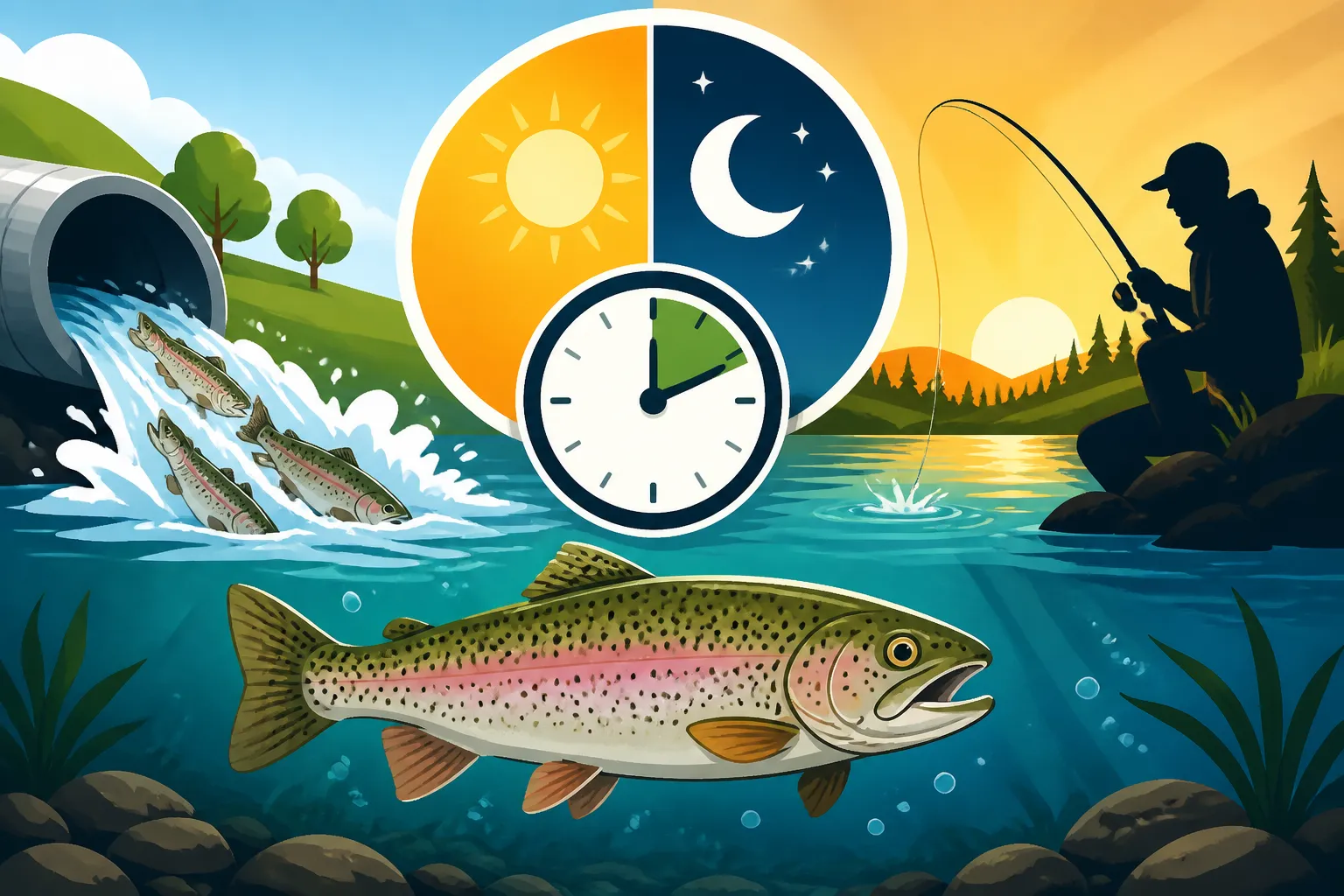
For most Iowa trout streams, the optimal time to fish after a stocking event is typically 24 to 72 hours (1 to 3 days) after the fish have been released. This allows the trout to de-stress, acclimate to their new surroundings, and, most importantly, start feeling hungry as their hatchery-fed reserves begin to deplete.
During this "golden window," several positive changes occur:
- Reduced Crowds: Many of the eager anglers who rushed out immediately after the stocking have moved on, leaving you with more space and less competition.
- Acclimated Fish: The trout have had time to find cover, understand the current, and start to recognize natural food sources. Their stress levels have decreased, and their natural feeding instincts begin to kick in. They'll also be less wary of shadows and disturbances compared to the immediate chaos of stocking day.
- Renewed Appetite: After a day or two without their regular hatchery meals, the trout will be actively looking for food. This makes them more receptive to your offerings, whether it's a worm, a spinner, or a fly. They'll still have some of that hatchery "naivete," making them easier to catch than truly wild trout, but they'll be actively foraging.
Think of it like this: if you visit one of the beautiful trout streams in Northeast Iowa, like those near Backbone State Park, two days after a stocking, you'll likely find fish that are settled, actively feeding, and less pressured. This makes for a more relaxed and successful outing.
Here's a quick comparison of fishing timing:
| Aspect | Immediately After Stocking (0-12 hours) | Optimal Window (24-72 hours) | A Week Later (7+ days) |
|---|---|---|---|
| Crowd Levels | Very High | Moderate to Low | Low |
| Trout Stress | Very High (disoriented, seeking cover) | Low to Moderate (acclimated, seeking food) | Low (fully adapted, more wary) |
| Feeding Activity | Sporadic, reactive bites | High, actively foraging | Moderate, more selective |
| Catch Rate Potential | Moderate (if you hit an early, aggressive bite) | High (fish are hungry and less wary) | Moderate (fish are smarter, fewer left) |
| Enjoyment Level | Potentially stressful (crowds, less fish activity) | High (more solitude, active fish) | High (challenging, rewarding for skilled anglers) |
Factors Influencing the "Best Time"
While 1-3 days is a good rule of thumb, it's not set in stone. Several factors can subtly shift this "golden window":
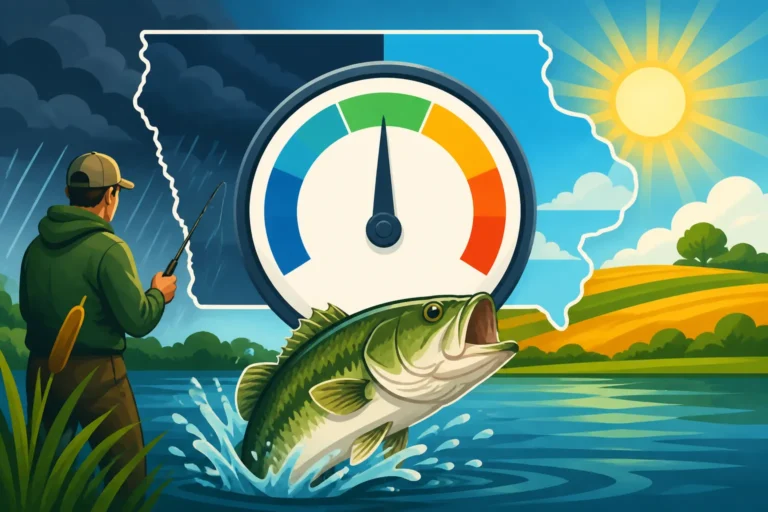
- Weather Conditions: A sudden cold front or heavy rain can put trout off the bite. If the weather is stable or improving after a stocking, the window might open sooner. Conversely, if there's a major weather event, you might need to push your trip back an extra day or two.
- Water Levels and Clarity: High, muddy water from recent rains will make fishing tough, regardless of stocking. Clear, stable water conditions are always preferable. If the stream is blown out right after stocking, you'll need to wait for it to drop and clear.
- Angler Pressure: If a stream is particularly popular and sees constant fishing pressure, the initial burst of fish might be caught out faster. In such cases, the "golden window" might shrink or shift slightly earlier, as the remaining fish become warier quicker. Checking fishing reports for areas like the Big Sioux River or the Mississippi River Border can give you an idea of pressure.
- Stream Characteristics: Smaller, shallower streams might see fish disperse and acclimate faster than larger, deeper rivers. Streams with abundant natural cover will also see fish settle in more quickly. Knowing the specific characteristics of the stream you plan to fish, perhaps by consulting resources like the Iowa Fishing Atlas, can give you an edge.
Considering these variables will help you fine-tune your timing. For instance, if you're planning a trip to one of the beautiful trout streams near Decorah, checking the local weather and water reports a day or two before you head out can make all the difference.
Tactics and Gear for Post-Stocking Success
Once you've nailed the timing, the next step is to ensure you have the right tactics and gear to capitalize on that "golden window." Recently stocked trout, even after a few days, can behave differently than wild trout, and adjusting your approach can lead to much greater success.
Best Baits and Lures for Recently Stocked Trout
Hatchery trout are fed a pellet diet, so their initial instincts might lean towards something similar in appearance or scent. However, as they acclimate, they'll start responding to more natural presentations.
- PowerBait or Trout Dough: This is often the go-to for recently stocked trout. Brands like Berkley PowerBait come in various colors and scents, mimicking their hatchery food. Floating PowerBait, fished off the bottom with a small sinker, is incredibly effective. The scent trail can draw in fish even if they're not actively foraging widely.
- Small Spinners: Classic inline spinners like Mepps Aglia or Rooster Tail are deadly for active trout. Their flash and vibration mimic small baitfish or aquatic insects, triggering an aggressive strike. Gold, silver, and firetiger patterns are often very successful in Iowa's streams. These work well when trout are starting to chase moving prey.
- Worms and Live Bait: There's a reason why worms are a classic trout bait – they work! A small piece of a nightcrawler or a red worm drifted naturally with the current is irresistible to a hungry trout. Wax worms and mealworms can also be very effective, especially for more finicky fish. These natural offerings tap into the trout's innate feeding response once they've settled in.
- Small Jigs and Soft Plastics: Micro jigs tipped with a small plastic grub, tube, or even a piece of PowerBait can be highly effective. A 1/32 or 1/64 ounce jig fished under a small bobber or slowly retrieved along the bottom can entice bites from trout holding near cover. Colors like white, chartreuse, or natural browns and greens often perform well.
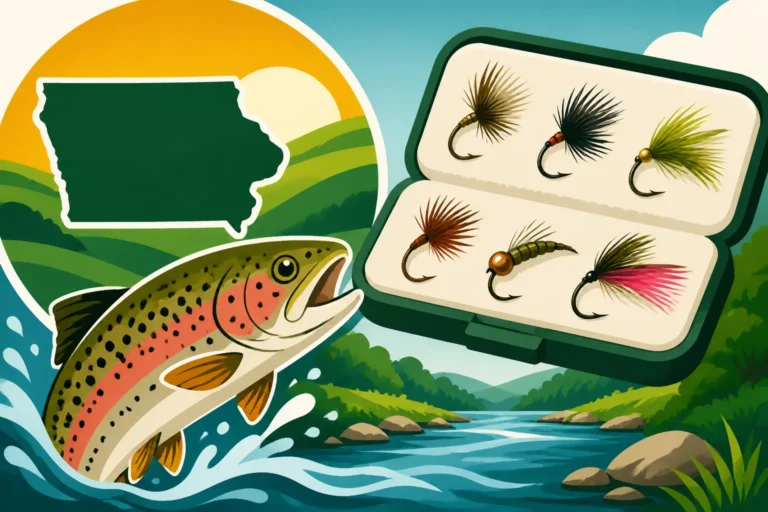
- Flies (Nymphs and Wet Flies): If you're into fly fishing, nymphs resembling caddis larvae, pheasant tails, or sowbugs are excellent choices. Streamers can also work for more aggressive fish. For those just getting into fly fishing, understanding Iowa's trout stocking strategy and perhaps exploring Nymphing Techniques for Iowa Trout Streams can greatly enhance your success.
The key is to start with what they know (PowerBait) and then transition to more natural presentations as they acclimate. Don't be afraid to experiment with different baits and lures until you find what the trout are hitting on that specific day.
Essential Gear for Iowa Trout Streams
Having the right gear makes your trip more comfortable and increases your chances of success. You don't need a massive setup for Iowa's typically smaller trout streams, but a few key items are crucial.
- Light Rod and Reel Setup: A 5' to 7' light or ultralight spinning rod paired with a small spinning reel (size 1000-2000) is perfect. This setup allows for accurate casting of light lures and provides excellent sensitivity for feeling subtle bites. Spool your reel with 4-6 lb test monofilament or fluorocarbon line, which is strong enough for trout but invisible enough not to spook them.
- Waders and Boots: Many of Iowa's trout streams are best fished by wading. A good pair of breathable waders and sturdy wading boots are essential, especially in colder months. They allow you to access prime spots, maintain a low profile, and stay comfortable. For more information on staying dry and warm, you might want to read Do You Need Waders for Iowa Trout Streams? or Best Waders for Cold Water Trout Fishing.
- Tackle Box or Vest: Keep your tackle organized and easily accessible. A small, compact tackle box or a fishing vest with plenty of pockets for your lures, hooks, weights, and extra line is invaluable. You can find many great options on Amazon, from simple plastic boxes to more elaborate vests with integrated hydration packs.
- Net and Pliers: A small, soft-mesh landing net helps protect the fish if you plan to release them. Forceps or needle-nose pliers are crucial for safely removing hooks, especially if a fish swallows the bait.
- Polarized Sunglasses and Hat: These are often overlooked but incredibly important. Polarized sunglasses cut glare, allowing you to see deeper into the water to spot fish or submerged structure. A hat provides sun protection and helps reduce glare from above.
Remember, the goal is to be prepared without being overburdened. You'll often be walking along stream banks or through brush, so lightweight and functional gear is key. Combining the right timing with appropriate tactics and gear will set you up for a fantastic day of trout fishing in Iowa.
Disclaimer
Fishing regulations, stocking schedules, and best practices can change. Always consult the latest Iowa DNR regulations before heading out to fish. This guide provides general information and recommendations for the best time to fish after trout stocking, but individual experiences may vary.