Best Season to Catch Trophy Bass in Iowa
Every angler who's spent time on Iowa's lakes and rivers knows the feeling: you're casting, patiently waiting, hoping for that tell-tale tug of a truly monster bass. It's frustrating when you put in the hours but only seem to catch smaller fish, or worse, nothing at all. Landing a true trophy bass in Iowa isn't just luck; it's about understanding their seasonal patterns and behaviors. This comprehensive guide will walk you through the prime times of year, key locations, and proven techniques to increase your chances of hooking that bucket-list largemouth.
Understanding Trophy Bass Potential in Iowa
Before we dive into the best seasons, let's chat a bit about what we mean by a "trophy" bass here in Iowa, and why our state actually has some incredible potential for big fish. Many anglers might think of southern states for giant bass, but Iowa has a thriving bass population, and with the right approach, you can certainly land a lunker.
What Defines a "Trophy" Bass in Iowa?
For most Iowa anglers, a "trophy" largemouth bass is generally considered to be anything over five pounds, and truly exceptional fish can push past seven or even eight pounds. While a 10-pound bass is rare, it's not unheard of in certain well-managed waters. The excitement of catching a five-pounder in Iowa is palpable, and for many, that's the benchmark for a truly successful day on the water. It's important to set realistic expectations – these fish didn't get big by being easy to catch, but knowing where and when to look drastically improves your odds.
Factors Influencing Bass Size
Several key factors contribute to a bass's ability to grow to trophy size in Iowa. First and foremost is genetics; some bass simply have the genetic predisposition to grow larger. Then there's the food supply. Waters rich in forage like shad, bluegill, and smaller panfish provide the abundant calories needed for bass to pack on the pounds. A consistent and varied diet is crucial.
Another critical element is habitat. Big bass need places to live, ambush prey, and escape pressure. This means plenty of submerged structure like old timber, rock piles, weed beds, and even man-made fish attractors. Finally, angling pressure plays a role; lakes with strong catch-and-release ethics often produce more large, older fish, as they are allowed to grow and reproduce for longer. Many of our state's lakes are managed with this in mind, helping sustain quality fisheries.
Why Iowa's Waters Can Produce Big Bass
Iowa might not have a year-round warm climate like Florida, but our waters have a fantastic balance for bass growth. We have nutrient-rich lakes and ponds, excellent aquatic vegetation in many areas, and a good mix of forage species. Our distinct four seasons also play a role, creating predictable patterns that, once understood, can be exploited by anglers. The seasonal temperature changes drive bass into specific patterns of feeding, spawning, and resting, which are key to locating them. Places like our larger reservoirs, certain river backwaters, and even well-managed private ponds consistently kick out impressive bass. For a deeper dive into bass populations, check out our Largemouth Bass Fishing in Iowa guide.
The Prime Seasons for Trophy Bass
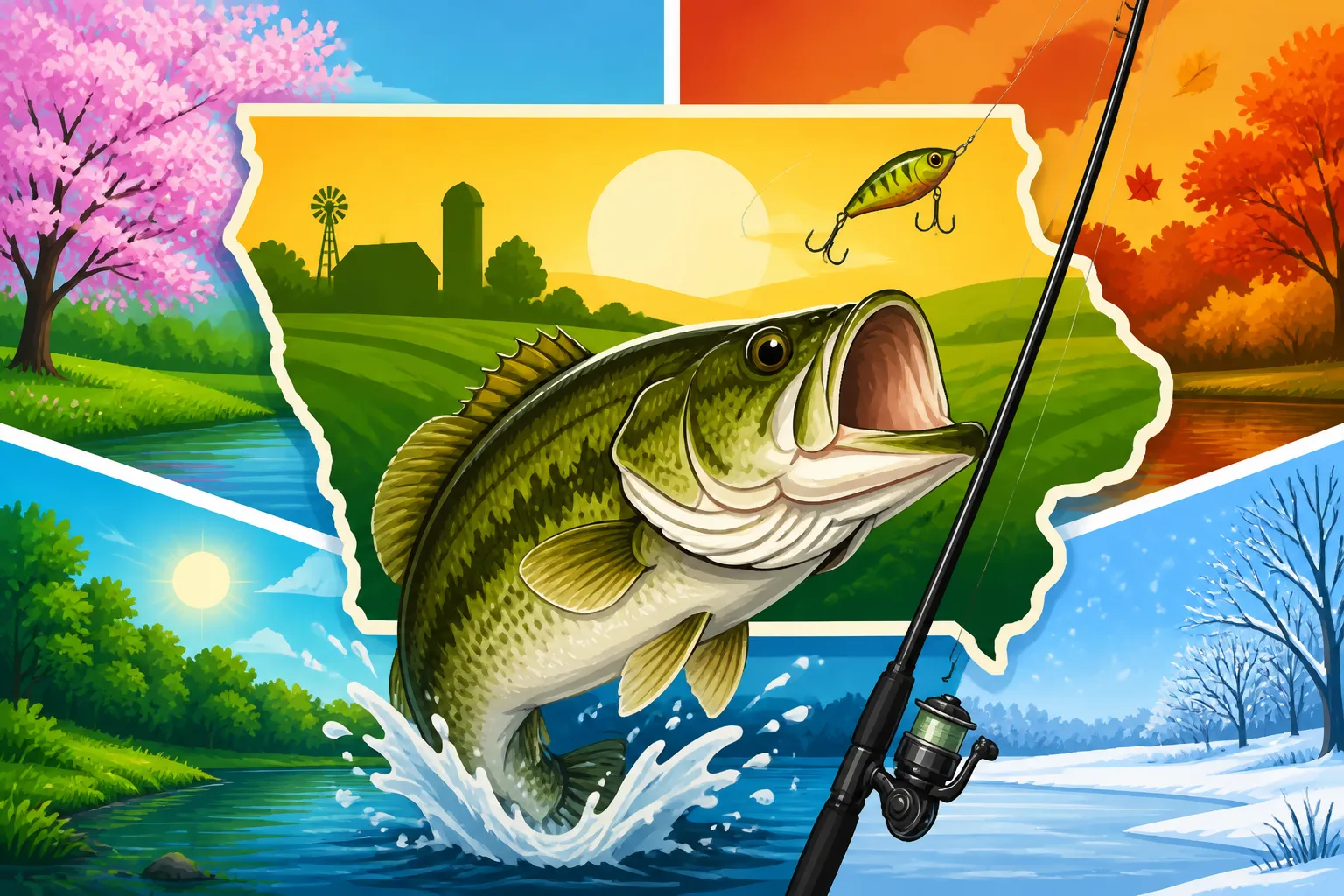
If you're chasing that elusive trophy largemouth, timing is everything. While you can catch bass year-round, certain seasons offer distinct advantages for targeting the biggest fish. These windows align with crucial biological phases in the bass's life cycle, making them more predictable and aggressive.
Spring: Pre-Spawn Powerhouse
Spring is arguably the most anticipated time for trophy bass anglers in Iowa, and for good reason. As the ice melts and water temperatures begin to climb, largemouth bass shake off their winter lethargy and begin to feed heavily in preparation for the spawn. This pre-spawn period is a powerhouse time because bass are putting on weight, becoming highly aggressive, and are often concentrated in specific areas.
The key to understanding the spring bite is water temperature. Generally, when the water temperature in shallower areas hits the low to mid-50s (Fahrenheit), bass activity dramatically increases. They start moving from deeper wintering holes to shallower staging areas, often congregating on points, humps, and the edges of flats near their eventual spawning grounds. This is when they're bulking up, and they're looking for substantial meals. Missing this crucial window can be a real frustration, especially if an unexpected cold front pushes them back to deeper water.
During this time, slower, more methodical presentations often shine. Jigs with bulky trailers, slow-rolled spinnerbaits, and medium-diving crankbaits are excellent choices. Bass are often still a bit sluggish in the cooler water, so a lure that they don't have to chase too far, but looks like a big meal, can be irresistible. Consider throwing a darker jig with a creature bait trailer right along breaklines or into submerged wood. For a more detailed look at this exciting time, our Spring Fishing in Iowa article offers additional insights, and you'll find even more specific tactics in our guide on Pre-Spawn Bass Patterns in Iowa.
Early Summer: Post-Spawn Recovery and Feeding Frenzy
Just after the spawn, usually when water temperatures are in the mid-60s to low 70s, bass enter a period of recovery. For a short time, they might be a bit lethargic. However, quickly following this recovery, many bass, especially the females, go on another feeding binge to regain lost energy. This early summer period, often stretching from late May through June, can be fantastic for trophy bass.
During this phase, bass might be found guarding fry (tiny baby fish), making them territorial and aggressive towards anything that comes near their young. Other bass will disperse from the spawning flats and begin to set up on deeper structure near points, humps, and submerged cover like brush piles and rock reefs. The biggest challenge here can be that bass are now more dispersed than in the pre-spawn, making them harder to locate. However, once you find them, they are often willing to bite.
Topwater lures become incredibly effective as water warms and bass look upwards for prey. Poppers, walking baits, and even frogs over lily pads or thick vegetation can entice explosive strikes. Soft plastics, such as Texas-rigged worms or creature baits, become go-to choices for pitching into heavy cover or working along ledges. Carolina rigs can also be excellent for covering deeper flats. To truly maximize your chances, understanding Topwater Bass Fishing Tips can be a game-changer, and our guide on How to Read Water for Structure Fishing will help you identify those key deep-water hiding spots.
Fall: The Second Feeding Binge
As summer gives way to fall, and water temperatures begin to drop again, trophy bass enter another crucial feeding period. Similar to spring, they know winter is coming, and they need to pack on calories. This makes fall a phenomenal, albeit sometimes unpredictable, time to chase big bass in Iowa. The cooler water also means bass are often more active throughout the day, not just at dawn and dusk.
The fall bite can be similar to spring, with bass moving into shallower areas during sunny periods but often holding closer to deeper water access. They'll follow baitfish, which are also grouping up in anticipation of winter. This can mean explosive fishing if you find the schools of bait and the bass feeding on them. However, fall can also bring challenges like "fall turnover," where the water column mixes, sometimes making fish harder to locate and less active. This is a common frustration, but knowing it's coming allows you to adjust your strategy.
Crankbaits, especially those that mimic shad or panfish, are extremely effective in fall. Spinnerbaits, particularly those with larger blades, can draw aggressive strikes from hungry bass. Jigs fished slowly along deeper breaks or around cover continue to be consistent producers. Don't be afraid to experiment with different presentations until you find what the bass are keying in on. Our Fall Fishing in Iowa guide provides a broader overview of this season, and for specific challenges, read up on Fall Turnover and How It Affects Fishing.
Key Factors Beyond Season for Trophy Bass
While hitting the prime seasons drastically improves your odds, there are other crucial elements that separate those who consistently catch trophy bass from those who occasionally stumble upon them. These factors involve knowing where to go, what to throw, and how to adapt to changing conditions.
Location, Location, Location
Even in the best season, you won't catch trophy bass if you're not fishing the right spots. Iowa boasts a diverse range of water bodies, each with its own potential for producing big fish. Private farm ponds, often overlooked, can be absolute goldmines for trophy largemouth bass due to less pressure and often excellent forage. These ponds, if well-managed, allow bass to grow unmolested for years. Many of Iowa's public lakes and reservoirs also hold incredible potential, especially those with plenty of varied cover.
When you're looking for these fish, focus on areas with significant cover and structure. This includes dense weed beds, submerged timber (like fallen trees or stump fields), rock piles, creek channels, and even man-made fish habitats. These features provide ambush points for bass to hide and launch attacks on unsuspecting prey, as well as sanctuary from predators and harsh weather. Identifying these key locations is paramount. For those exploring smaller waters, our Bass Fishing Tips for Iowa Farm Ponds offers excellent advice, and understanding Largemouth Bass Habitat in Iowa Ponds can give you an edge in these quieter fisheries. Public fishing atlases and online maps can often reveal contours and potential structure, giving you a starting point.
Baits and Techniques That Fool Big Fish
Trophy bass didn't get big by being foolish. They've seen a lot of lures and learned to be wary. This often means you need to present something a bit different, larger, or more patiently than what the average angler is throwing. Don't be afraid to size up your baits. A bigger meal often attracts a bigger fish. Large jigs, bigger swimbaits, substantial crankbaits, and full-sized soft plastic worms or creature baits are excellent choices. When shopping for these, reputable brands available on platforms like Amazon often provide a wide selection of quality lures designed for bigger fish.
Sometimes, it's not just the size, but the presentation. Slower, more deliberate retrieves can often entice a wary trophy bass that might ignore a faster, more erratic bait. Pitching a jig into heavy cover and letting it sit for a few moments, or slowly dragging a Carolina rig along a deep ledge, can be incredibly effective. Patience and persistence are key. You might not get as many bites, but the bites you do get are more likely to be from the bigger fish you're targeting. To help you choose the right gear, consider our guide on the Best Lure Color for Muddy Water which can be very useful after heavy rains.
Weather and Water Conditions
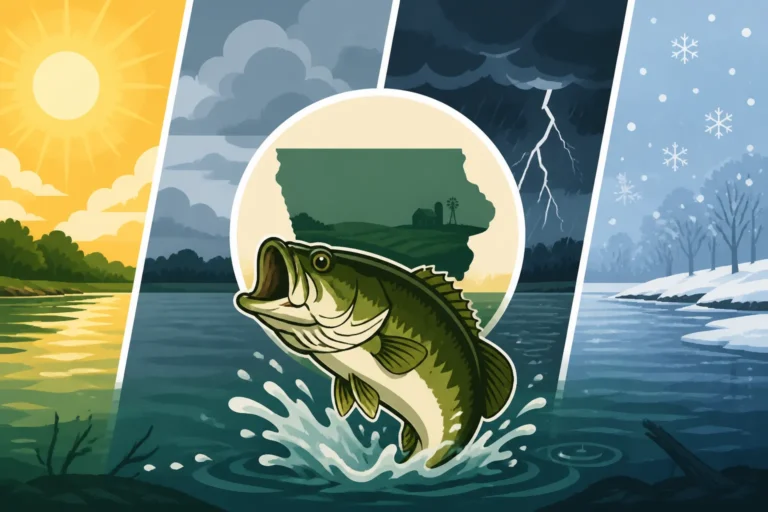
Never underestimate the impact of weather and water conditions on bass behavior. Barometric pressure, for instance, can significantly influence how active bass are. A stable or slowly falling barometer often signals good fishing, while a rapidly dropping or rising barometer can shut fish down. Cold fronts, especially in spring and fall, can be a real killer, pushing bass into deeper water and making them less aggressive. Pay attention to sudden temperature drops or strong winds that might stir up the water.
Water temperature is, of course, critical, as discussed with seasonal patterns, but dissolved oxygen levels also play a role, particularly in warmer summer months. High oxygen levels, often found near fresh inflows or areas with healthy vegetation, will concentrate baitfish and, consequently, bass. Understanding how these factors interact and adapting your approach accordingly will give you a significant edge. Our article on How Weather Affects Bass Fishing is a must-read for anyone serious about improving their success rate.
Here's a quick overview of the prime seasons for trophy bass in Iowa:
| Season | Water Temperature (Approx.) | Bass Behavior | Key Techniques & Baits | Pros | Cons |
|---|---|---|---|---|---|
| Spring | 50-60°F | Pre-spawn feeding, staging, aggressive | Jigs, slow-rolled spinnerbaits, crankbaits | Bass are concentrated and hungry | Cold fronts can push them back, short window |
| Early Summer | 65-75°F | Post-spawn recovery, fry guarding, re-feeding | Topwater, soft plastics (Texas/Carolina rigs) | Post-spawn feeding frenzy, territorial bass | Bass can be dispersed, deep water transition |
| Fall | 60-50°F | Pre-winter feeding, chasing baitfish | Crankbaits, spinnerbaits, jigs | Bass are actively bulking up, less boat traffic | Fall turnover can make fishing challenging |
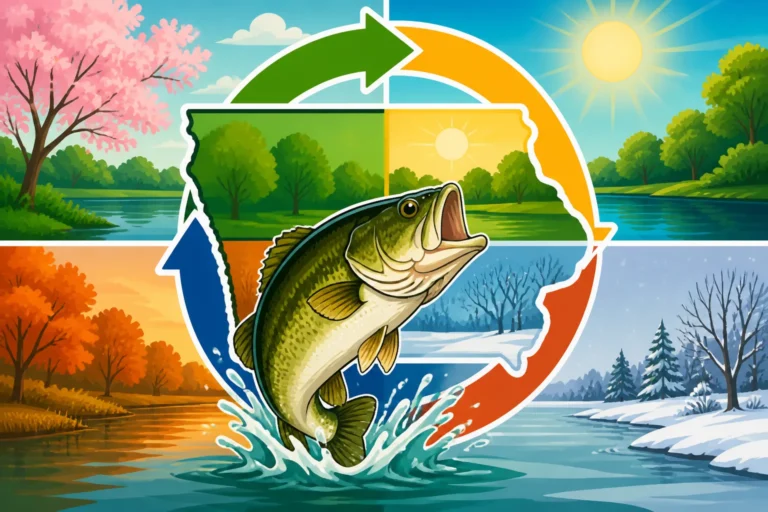
To consistently catch trophy bass in Iowa, it's not about just one "best" season, but rather a strategic understanding of all three prime periods: spring, early summer, and fall. Each offers unique opportunities driven by the bass's biological needs to feed heavily. The common thread is that during these times, bass are most actively hunting, making them more susceptible to your presentations.
Ultimately, persistence, meticulous observation of conditions, and a willingness to adapt your techniques will be your greatest assets. Knowing when to go, where to look, and what to throw will turn those frustrating days into memorable encounters with Iowa's magnificent trophy largemouth bass. So, get out there, pay attention to the details, and good luck landing that fish of a lifetime!
Disclaimer
This article is for general informational purposes only and does not constitute professional advice. Laws, prices and regulations vary by location and change over time. Consult a qualified professional for guidance on your specific situation.