Best Time to Fish a Farm Pond
There's nothing quite like the dream of pulling a monster bass or a stringer of plump crappie from a quiet Iowa farm pond, is there? Many anglers head out with high hopes, only to find the fish are just not biting, leaving them wondering if they just picked the absolute worst time to be there. This guide is all about peeling back the layers of when and why fish in farm ponds behave the way they do, helping you pinpoint the absolute best times to cast your line for a rewarding experience.
Understanding Seasonal Patterns in Iowa Ponds
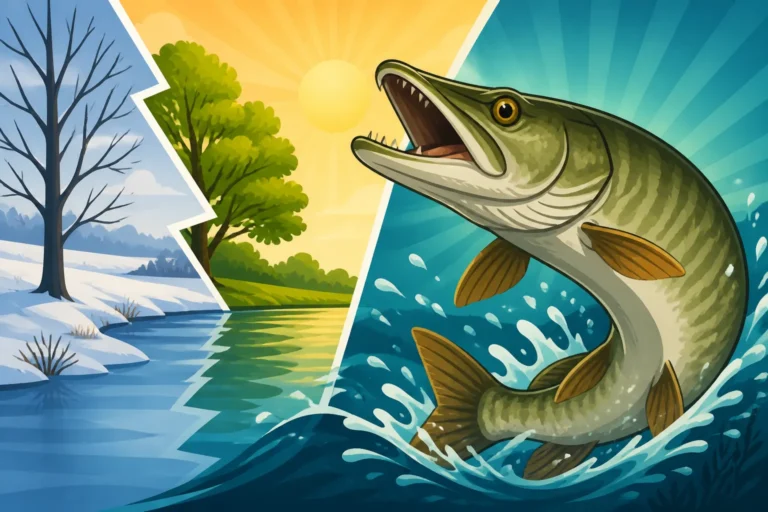
Iowa's seasons dramatically dictate how active fish in farm ponds will be. It's not just about the air temperature; it's about what's happening under the surface. Knowing these patterns is your first major step toward consistently finding fish.
Spring: The Time of Renewal and Spawning
Ah, spring! After a long, cold Iowa winter, the warming temperatures bring life back to our farm ponds. This is often heralded as one of the best times to fish, but it’s not a uniform experience from March to May.
As the ice finally melts and water temperatures start to climb into the 40s and 50s Fahrenheit, fish like crappie and bluegill begin to move from their deeper winter haunts into shallower, warmer water. This is a critical period often called the "pre-spawn." They're hungry and actively feeding to build energy for the upcoming spawning season. You'll often find them congregating near sun-warmed banks, submerged timber, or old weed lines. The first really warm, sunny days can be incredible, almost like the fish are jumping on anything that moves. For specific advice on panfish, check out our guide on the "Best Bait for Spring Crappie".
Once the water hits the mid-60s to low-70s, the spawn is in full swing. Bass, crappie, and bluegill will be focused on reproduction. You might see bass on visible beds, aggressively defending their territory. While you can catch them, many anglers choose to leave spawning fish undisturbed to ensure healthy populations for the future. Post-spawn, fish can be a bit sluggish as they recover, but they'll soon resume feeding, often in slightly deeper water near cover as the shallows become too warm. Understanding these Pre-Spawn Bass Patterns in Iowa can dramatically improve your early season success.
Summer: The Heat of the Day and Cooler Depths
Summer fishing in Iowa farm ponds can be fantastic, but it requires a shift in strategy compared to spring. As air temperatures soar and the sun bakes the shallow water, fish tend to move to deeper, cooler sections of the pond or seek out dense cover.
During the scorching midday heat, especially on bright, cloudless days, most fish will retreat. Largemouth bass might bury themselves in thick lily pads, submerged brush piles, or hang suspended over deeper water. Panfish will often seek shade under docks, overhanging trees, or in the coolest, deepest parts of the pond. This isn't to say you can't catch them, but the bite will likely be slower and require more patience. Many experienced anglers find that fishing during the cooler parts of the day, specifically early mornings and late evenings, yields much better results. Consider exploring our insights on the "Best Time of Day to Catch Bass in Summer" for more detailed tips.
Night fishing can also be incredibly productive for certain species, especially catfish, when the water has cooled down and they venture out from their daytime hiding spots to feed. Look for drop-offs, creek channels, or areas with submerged structure.
Fall: The Feeding Frenzy Before Winter
Autumn is another prime time for farm pond fishing in Iowa, often rivaling spring in terms of activity. As the days shorten and water temperatures gradually cool, fish sense the approaching winter and embark on a serious feeding spree.
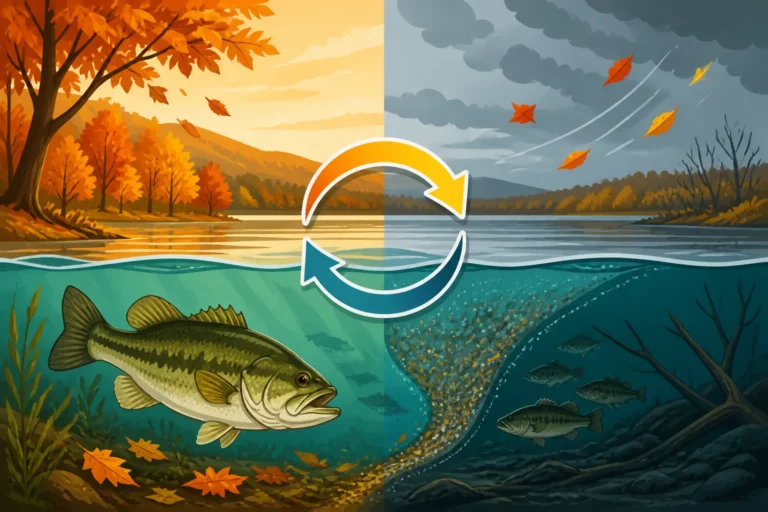
This "fall turnover" period is when the surface water cools, becomes denser, and sinks, mixing with the deeper water. This can temporarily make fishing a bit tougher as fish scatter, but once the water stabilizes, they become very active. Bass, crappie, and bluegill will gorge themselves, trying to pack on as much weight as possible to survive the leaner winter months. They often move shallower again during midday, soaking up the warmth, but remain active throughout the day, often along weed edges, points, and structural elements.
Look for schooling baitfish near the surface, as game fish will be actively herding them. This is a great time to use a variety of lures and baits, as fish are less picky due to their intense hunger. The colors of the changing leaves are just a bonus to the fantastic fishing action you can find.
Winter: The Chill and the Ice
Once true winter sets in and Iowa's farm ponds freeze over, a whole new world of fishing opens up: ice fishing. While not all farm ponds are safe for ice fishing, those with stable, sufficient ice can offer incredible opportunities.
Under the ice, fish metabolism slows down, but they still need to eat. They tend to congregate in specific areas, often holding to deep holes, humps, or structures that provide a bit of warmth or shelter. Finding these congregations is key to success. Panfish like bluegill and crappie are popular targets, often found in large schools. You'll need specialized gear, including an ice auger, warm clothing, and small jigs tipped with live bait like waxworms or minnows. While the bite can be subtle, when you find a school, the action can be fast and furious. Always prioritize safety when ice fishing; never venture onto ice you're unsure about.
Daily Factors Influencing Pond Fish Activity
Beyond the grand seasonal shifts, day-to-day conditions play a huge role in whether fish are biting in your favorite Iowa farm pond. Paying attention to these smaller details can make all the difference.
Time of Day: The Golden Hours
Just like clockwork, certain times of day tend to be more productive than others. This is primarily due to light levels, temperature, and the feeding habits of different species.
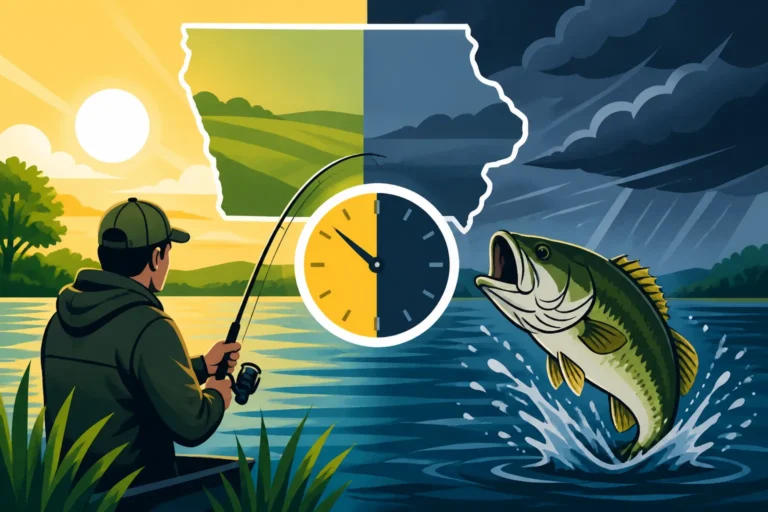
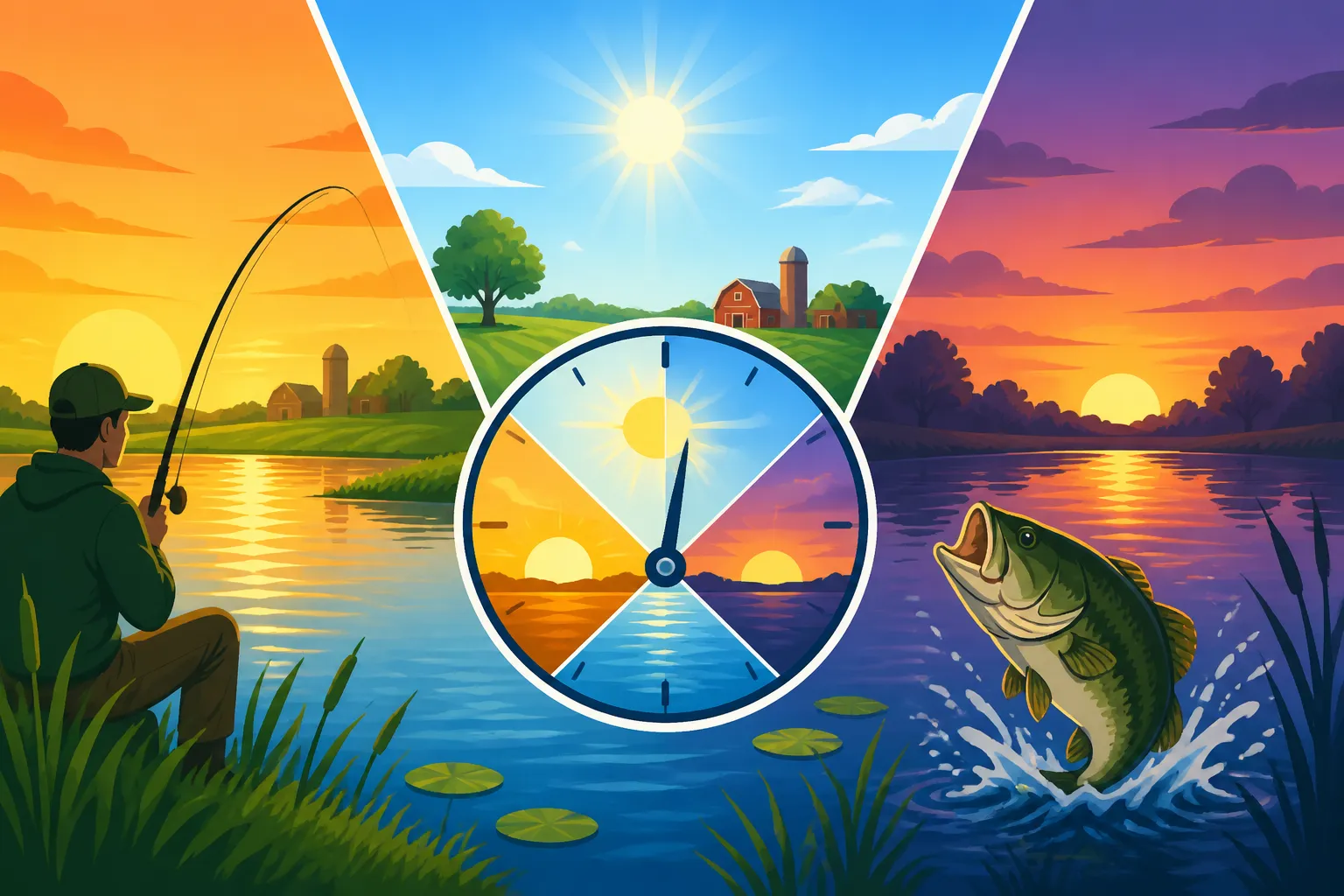
Generally, the "golden hours" for fishing are dawn and dusk. As the sun rises, the water begins to warm, and many species, especially bass and panfish, become active, moving into shallower feeding grounds. The low light conditions also make them less wary and more willing to strike. Similarly, as the sun sets, the water cools, and the predatory fish often move shallow again for a last feeding burst before nightfall. These periods offer fantastic opportunities for topwater lures or targeting fish actively cruising for food. For catfish, however, the twilight hours and throughout the night often produce the best results, as they are primarily nocturnal feeders.
Midday, especially on bright, sunny summer days, tends to be the slowest for many species. The intense sun drives fish deep or into heavy cover. However, even during midday, you can still find success by focusing on shaded areas, deep drop-offs, or by using presentations that tempt sluggish fish. During cooler seasons like spring and fall, midday can actually be quite good, as the sun's warmth can activate fish that were sluggish in the morning chill.
Weather Conditions: Wind, Clouds, and Pressure
Weather isn't just about whether you need a jacket; it profoundly impacts fish behavior and feeding patterns. Anglers often underestimate its influence.
A slight chop on the water, caused by a gentle breeze, can be your best friend. It breaks up the surface, making it harder for fish to see you and your line, and also disperses light, making fish feel more comfortable coming out of cover. Overcast days, especially those with a light drizzle, can also extend the "golden hour" bite throughout the day, as the low light conditions mimic dawn and dusk. This is a great time to throw a spinnerbait or crankbait, especially for bass, as they become more aggressive.
However, extreme weather can be a deterrent. High winds can make boat control difficult and bite detection challenging. Heavy rain can muddy the water, reducing visibility for both fish and anglers. Perhaps the most impactful weather factor is barometric pressure. A falling barometer, often signaling an approaching storm, can trigger a feeding frenzy as fish sense changes and feed heavily before the weather turns. Conversely, a high, stable barometer after a cold front often means tough fishing, as fish can become lethargic and less willing to bite. Many anglers consult weather apps to track pressure changes, knowing it could mean the difference between a full livewell and an empty stringer.
Reading the Water: Key Indicators for Success
You don't need fancy electronics to understand what's happening beneath the surface of a farm pond. Learning to read the water itself and its inhabitants can give you huge clues about the best time and place to cast your line.
Water Temperature: The Master Key
If there's one single factor that dictates fish activity more than any other, it's water temperature. It governs metabolism, spawning cycles, and where fish will be comfortable.
Most farm pond fish have optimal temperature ranges for feeding, growth, and reproduction. For instance, largemouth bass become most active and aggressive when water temperatures are in the 60s Fahrenheit. Crappie and bluegill often spawn when temperatures hit the mid-60s. Knowing these ranges helps you predict when certain species will be most catchable. Early spring, when water is still cold, fish will gravitate to the warmest parts of the pond – often northern banks or shallow coves that get direct sunlight. In summer, they'll seek out the cooler, deeper thermocline (if the pond is deep enough to stratify) or dense shade.
A simple thermometer can be your best friend. Instead of guessing, you can quickly check the surface temperature and get a solid idea of what to expect. Many fishing apps integrate water temperature maps, or you can find a good, reliable fishing thermometer online at places like Amazon. Once you know the temperature, you can cross-reference it with the known preferences of your target species. This empowers you to make informed decisions about where and how deep to fish, rather than just casting randomly.
Visible Activity and Cover: Where the Action Is
Sometimes, the pond itself will tell you exactly when and where to fish. Learning to spot signs of life and identify key habitat features is like getting a secret map.
Keep an eye out for any surface activity: jumping fish, swirling water, or baitfish scattering. These are clear signs that predatory fish are actively feeding. Often, you'll see panfish dimpling the surface as they feed on insects, which in turn attracts larger bass and crappie looking for an easy meal. Herons or other wading birds standing patiently in the shallows can also indicate good fishing spots, as they're usually there because baitfish are present.
Beyond activity, understanding the role of cover is crucial. Every farm pond has structure and cover: downed trees, lily pad fields, weed lines, old tires, submerged rocks, or even an old farm implement resting on the bottom. Fish use these features for ambush points, shelter from predators, and protection from harsh sunlight. If you see a thick patch of lily pads on a sunny day, chances are there's a bass or two lurking underneath. A lone submerged log in an otherwise featureless pond will almost certainly hold fish. Target these areas when the conditions seem right, and your chances of success will skyrocket. For more information, read our guide on How to Find Crappie Brush Piles.
Tactical Approaches for Different Pond Scenarios
Knowing when to fish is only part of the equation; how you approach different pond conditions during those prime times is what puts fish in the net.
Early Morning and Late Evening Strategies
These "golden hours" often present the best opportunities for active fish. Your approach during these times should capitalize on the low light and increasing or decreasing water temperatures.
In the calm, low-light conditions of early morning or late evening, topwater lures can be incredibly effective for bass. Think poppers, walk-the-dog baits, or buzzbaits. The fish are often shallower and more aggressive, willing to strike at something moving across the surface. This is also an excellent time for panfish like bluegill and crappie, which will move to the shallow edges to feed. Small jigs, beetle spins, or live bait like crickets or worms under a bobber can be deadly. Fish these close to shore, around emerging weeds, or near any submerged structure. Remember, during these periods, fish are often less spooky, so you can sometimes get away with a slightly bolder presentation. You might even find some good multi-species action. To learn more about targeting specific species, check out "How to Catch Bass in Farm Ponds" and "Best Lures for Panfish."
Midday and Challenging Conditions Tactics
When the sun is high, the air is hot, or the fish seem shut down, it's time to switch to more subtle and strategic approaches. Don't give up; just adapt!
During bright midday conditions, fish typically retreat to deeper water or heavy cover. This means you need to get your bait down to them. Try Texas-rigged worms or jigs pitched into thick brush piles, under overhanging trees, or into the deepest part of the pond. Slow-moving, bottom-bouncing presentations are often best when fish are sluggish. For crappie and bluegill, a small jig or a minnow fished vertically directly over submerged brush or in deeper channels can work wonders. Often, you'll need to be patient, letting the bait sit for longer periods to entice a strike. Using polarized sunglasses, like those you can find on Amazon, can also help you spot submerged cover or even cruising fish in clearer water, giving you a distinct advantage.
If the water is muddy after a heavy rain, switch to baits with more vibration or strong scent. Chatterbaits, spinnerbaits, or noisy crankbaits can help fish locate your lure by feel rather than sight. Scented soft plastics or live bait like worms and chicken livers for catfish are also excellent choices in murky conditions. The key is persistence and a willingness to experiment with different depths and presentations until you find what the fish are reacting to.
| Season | Optimal Water Temp (F) | Best Time of Day | Target Species & Behavior | Recommended Baits/Lures |
|---|---|---|---|---|
| Spring | 50-65° (rising) | Early Morning, Late Afternoon | Bass, Crappie, Bluegill moving shallow for pre-spawn/spawn, actively feeding. | Jigs, Spinnerbaits, Worms, Minnows, Small Crankbaits |
| Summer | 70-85° | Dawn, Dusk, Night (Catfish) | Bass, Panfish deep or in heavy cover. Catfish active at night. | Deep diving Crankbaits, Soft Plastics (Texas-rig), Live Bait (worms, cut bait), Poppers (early/late) |
| Fall | 55-65° (falling) | All Day (esp. cloudy) | Bass, Crappie, Bluegill feeding heavily for winter. Active schooling. | Spinnerbaits, Crankbaits, Jigs, Jerkbaits, Live Bait |
| Winter | 35-45° (under ice) | Midday (warmer) | Panfish, Bass in deep holes, structure. Slow metabolism. | Small Ice Jigs, Waxworms, Minnows, Spoons |
Ultimately, the "best time to fish a farm pond" isn't a single answer, but a dynamic combination of seasonal timing, daily conditions, and your ability to adapt your tactics. By understanding how Iowa's weather and water temperatures influence fish, and by keenly observing the pond itself, you'll dramatically increase your chances of a successful and enjoyable fishing trip. So grab your gear, maybe a new fishing thermometer from Amazon, and get out there! The fish are waiting.
Disclaimer
This article is for general informational purposes only and does not constitute professional advice. Laws, prices and regulations vary by location and change over time. Consult a qualified professional for guidance on your specific situation.