How to Read Water for Structure Fishing
One of the biggest frustrations in fishing, especially here in Iowa, is staring out at a seemingly endless expanse of water and having no idea where to even start. It feels like you're just randomly tossing a line into the abyss, hoping for a bite. But what if I told you there's a way to unlock the secrets of the water, to read its subtle clues, and to dramatically increase your chances of finding fish? This guide is all about mastering the art of "reading water for structure fishing," giving you the knowledge to pinpoint fish-holding locations across Iowa's diverse lakes, rivers, and ponds.
What Exactly is "Structure" in Fishing?
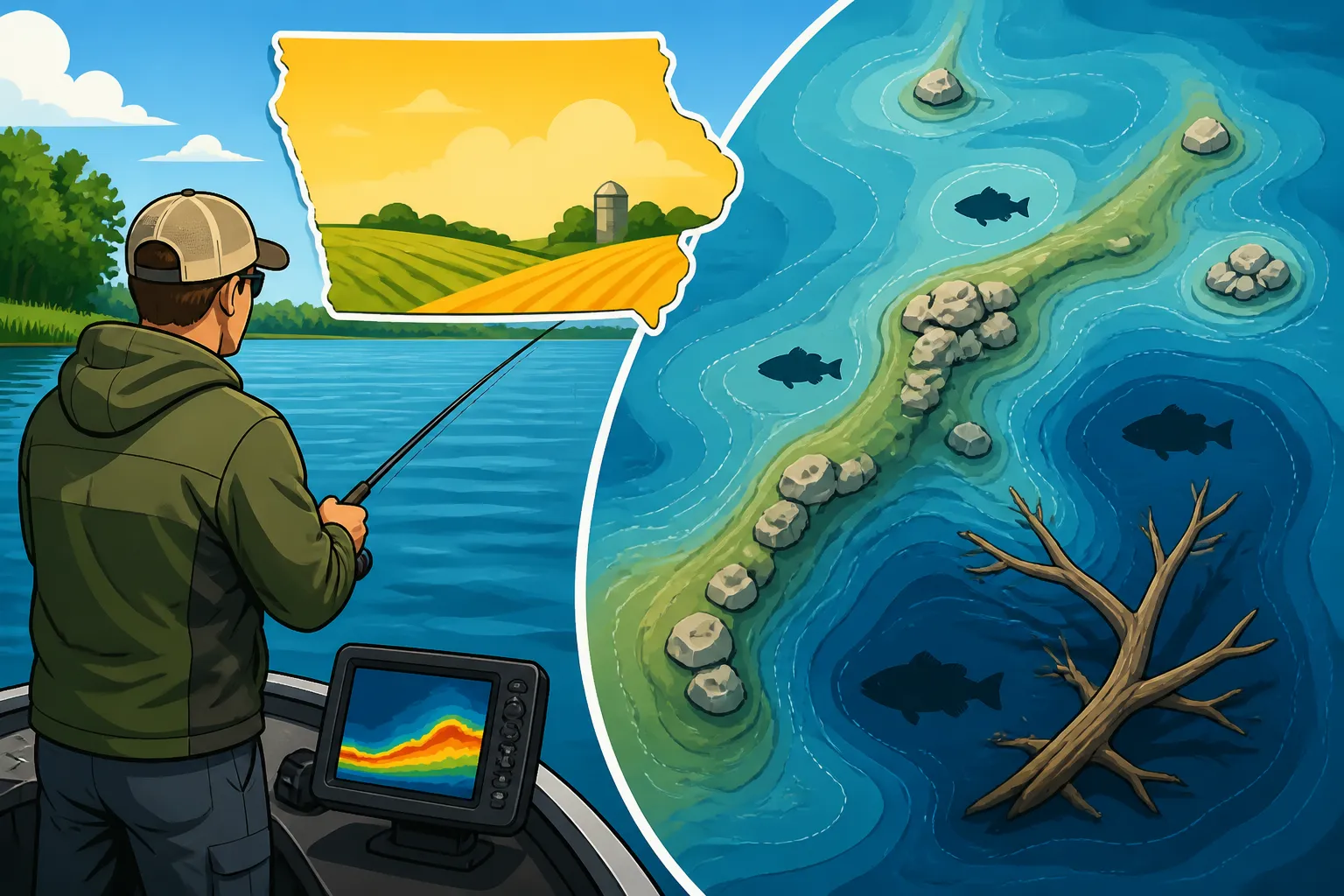
Before we can even begin to "read" the water, we need to understand what we're looking for. In fishing, "structure" isn't just a fancy word; it's the underwater topography that fish relate to, essentially their neighborhood. Think of it as the contours, points, humps, drop-offs, and changes in the bottom of a lake or river. These features are critical because they provide fish with everything they need: ambush points for feeding, shelter from predators, protection from strong currents, and comfortable depths and temperatures. Without understanding structure, you're truly just guessing.
Understanding Natural vs. Man-Made Structure
Iowa's waters offer a fantastic mix of both natural and man-made structures, and understanding the difference can really help you narrow down your search. Natural structures are those formed by geology and erosion over time. This includes things like rock piles, gravel beds, natural humps, creek channels, and gradual drop-offs that transition from shallow flats to deeper water. These are often the most productive, as fish have adapted to using them for millennia. Learning about these natural formations is a key part of our larger Iowa Fishing Techniques Guide.
On the other hand, man-made structures are anything humans have added to the aquatic environment. This can be as simple as a fallen tree from a past storm, or as deliberate as rip-rap shorelines, bridge pilings, old roadbeds, submerged foundations, or even brush piles sunk by local anglers or conservation groups. Many reservoirs, like Saylorville or Rathbun, were created by damming rivers, and they often contain remnants of the original landscape, like old farmsteads or standing timber, which act as prime man-made structures. Both types are important, and a truly skilled angler knows how to spot and fish them both effectively.
The Difference Between Structure and Cover
It's easy to confuse structure with "cover," but there's a subtle yet important distinction. Structure refers to the changes in the bottom contour or composition, like a submerged point or a rock hump. Cover, however, refers to objects on or near the structure that provide immediate concealment or protection for the fish. Examples of cover include fallen trees, weed beds, boat docks, lily pads, or even large boulders sitting on a flat.
Think of it this way: a sharp drop-off (structure) might have a submerged log (cover) at its base. Both are attractive to fish, but for different reasons. The drop-off creates a habitat change, while the log provides a direct hiding spot. Often, the best fishing spots combine both elements – a prominent piece of structure with excellent cover nearby. Understanding this nuance will help you interpret the fishing reports you hear and scout locations more precisely.
Reading the Obvious: Visible Fish-Holding Spots
Sometimes, the best fishing spots are right in front of your nose, if you know what to look for. Visible structures and cover offer immediate clues about where fish might be holding. It's about developing an observant eye and understanding how fish utilize these readily apparent features. This is often the easiest entry point into structure fishing for beginners.
Shoreline Irregularities and Points
Take a good look at the shoreline. Does it run in a straight, monotonous line, or does it feature coves, bends, and points? Any irregularity can be a fish magnet. Points, especially, are like highways for fish. They extend out into the water, creating breaks in current and offering convenient travel lanes and ambush points for predators like walleye and bass. On a larger lake like Rathbun Lake in Iowa, a long, tapering point might hold walleye on one side and crappie on the other, depending on depth and wind.
Similarly, coves and bays offer sheltered areas, especially useful during windy conditions or cold fronts. Fish might move into these calmer, warmer areas to escape harsh conditions. Even subtle changes in the bank, like a small indent or a clay bank giving way to sand, can hold fish. When you see a prominent point, visualize how it extends underwater; that’s where the real magic often happens. You can often see these on satellite maps, which is a great place to start your scouting, perhaps by looking at fishing spots around Clear Lake in Iowa.
Weeds, Docks, and Overhanging Trees
These are classic visible cover elements that every Iowa angler should pay attention to. Weed beds, whether thick coontail or thinner milfoil, provide oxygen, shelter, and a smorgasbord of baitfish and insects. Bass, northern pike, and panfish absolutely love to hang out in the edges and pockets of healthy weed beds. Learning to cast along these edges is a fundamental skill for how to catch bass in Iowa.
Docks and marinas, common on lakes like the Iowa Great Lakes, are man-made fish havens. The pilings themselves provide vertical structure, while the shade they cast offers refuge from bright sun. Crappie, bluegill, and even some larger bass will congregate under docks. Overhanging trees, too, offer shade and protection, but also drop insects and sometimes small critters into the water, creating a natural feeding station. Always approach these spots quietly and cast accurately to avoid spooking the fish. Sometimes you can find great deals on specific lures for these areas on Amazon.
Current Breaks in Rivers
For river anglers on the Mississippi or Des Moines River, understanding current breaks is paramount. Fish in rivers, especially species like walleye and catfish, are energy conservators. They don't want to fight the main current all day long. Instead, they'll position themselves just out of the main flow, in a "current break," waiting for food to be swept past them. These breaks can be created by anything that obstructs the current: a large boulder, a wing dam, a bridge piling, a log jam, or even a deep hole.
Look for seams where fast water meets slower water. Often, you'll see a distinct line on the surface. Fishing just downstream of these obstructions, or in the calmer eddy pockets, is often incredibly productive. These areas funnel baitfish into predictable locations, creating perfect ambush opportunities for predatory fish. If you're targeting catfish, knowing where these current breaks are is essential for effective How to Catch Catfish in Iowa strategies.
Diving Deeper: Uncovering Hidden Structures
While visible structures are great, many of the best fishing spots are completely hidden from sight, lying beneath the surface. This is where the real "reading" of the water comes into play, utilizing maps, electronics, and even your fishing line to paint a picture of the underwater world. This takes practice and a bit of investment, but the rewards are well worth it.
Interpreting Lake and River Maps
Before you even launch your boat, spend time studying detailed contour maps of the water body you plan to fish. These maps, often available online or through fishing apps, depict depth changes, submerged creek channels, humps, points, and old roadbeds. Look for areas where contour lines are tightly packed together; this indicates a sharp drop-off. Widely spaced lines suggest a gradual slope. These are prime areas for fish, especially walleye, which often relate to these changes in depth. You can often find excellent detailed fishing maps, sometimes even specific to Iowa lakes, on Amazon.
When studying a map, visualize the structure. If you see a submerged point, consider how it extends and what depth ranges it covers. Look for intersections of old creek channels, especially in reservoirs, as these act as underwater highways for fish. Many experienced anglers mark potential spots on their maps long before they ever get to the water, giving them a plan of attack. This preparatory step is vital for understanding Iowa Fishing Season Dates and Limits and planning your trips.
The Role of Electronics: Fish Finders and Sonar
In today's fishing world, electronics are an angler's best friend for uncovering hidden structure. A good fish finder, equipped with sonar or even advanced side-imaging and down-imaging technology, can literally show you what's beneath your boat. You can identify humps, ledges, brush piles, rock formations, and even individual fish. Learning How to Read a Fish Finder for Walleye is a game-changer.
When cruising an area, pay attention to depth changes, bottom hardness (a hard bottom like rock or gravel will show a thicker, brighter return than soft mud), and any irregularities that appear. Mark these spots on your GPS. Don't just look for fish arches; look for the structure that attracts those fish. Modern units can store countless waypoints, allowing you to build up a personal database of productive spots over time. While a basic unit can show you depth and fish, more advanced models offer unparalleled detail, helping you understand the exact contours and composition of the bottom.
Feeling the Bottom with Your Lure
Even without fancy electronics, your fishing rod and line can be incredibly effective tools for "feeling" the structure beneath the surface. This technique requires practice and sensitivity but is incredibly rewarding. When you're casting a jig, a crankbait, or even a Texas-rigged worm, pay close attention to what you feel as your lure bumps along the bottom.
- Hard Thumps: Often indicate rock, gravel, or a hard clay bottom. These are prime areas for walleye and smallmouth bass.
- Soft Resistance/Mushy Feel: Suggests a muddy or silty bottom, which can be good for catfish or crappie, especially if there are submerged logs.
- Subtle Ticks: Can mean your lure is scraping over scattered rocks, shell beds, or even a sparse weed line.
- Snags/Hangs: While frustrating, a consistent snag can tell you there's a submerged brush pile or tree limb. Mark it, then try to fish around it.
Using braided line with a fluorocarbon leader can significantly increase your sensitivity, allowing you to feel even the most subtle changes. This skill is critical for effective Iowa Fishing Techniques Guide, especially when targeting fish in deeper water.
Putting It All Together: Applying Structure Fishing Tactics
Now that you have a grasp of what structure is and how to find it, let's talk about how to apply this knowledge. Finding the structure is only half the battle; knowing how to fish it effectively is the other. It's about combining your observations with strategic presentation.
Seasonal Considerations for Structure Fishing
Fish don't stay in the same places all year long. Their preferred structures change with water temperature, spawning cycles, and available forage. Understanding these seasonal shifts is crucial.
- Spring: During the pre-spawn, fish like walleye and bass will often relate to shallow-to-mid depth structures adjacent to spawning areas. Think submerged points, rock reefs, or the edges of flats where they can bask in warmer water. Post-spawn, they might move to slightly deeper, but still accessible, structures to recover. This is when understanding Spring Fishing in Iowa becomes critical.
- Summer: As waters warm, many fish move to deeper structures to find cooler, more oxygenated water. Deep humps, main lake points, thermoclines, and submerged creek channels become highly productive. Crappie might suspend over deep brush piles, and catfish will be active in river bends and deep holes.
- Fall: Fish begin to feed aggressively in preparation for winter, often moving back to shallower structures, particularly those adjacent to deep water. Baitfish congregate, and predatory fish follow. Look for points, rock transitions, and main lake structures. Fall Fishing in Iowa can be some of the best of the year.
- Winter (Ice Fishing): Even under the ice, structure is king. Fish will often hold tight to deep weed lines, rock piles, or channel edges. Understanding the contours of the bottom is just as important, if not more so, for Ice Fishing in Iowa.
Targeting Specific Species on Structure
Different fish species have different preferences for structure, and knowing these can help you refine your approach.
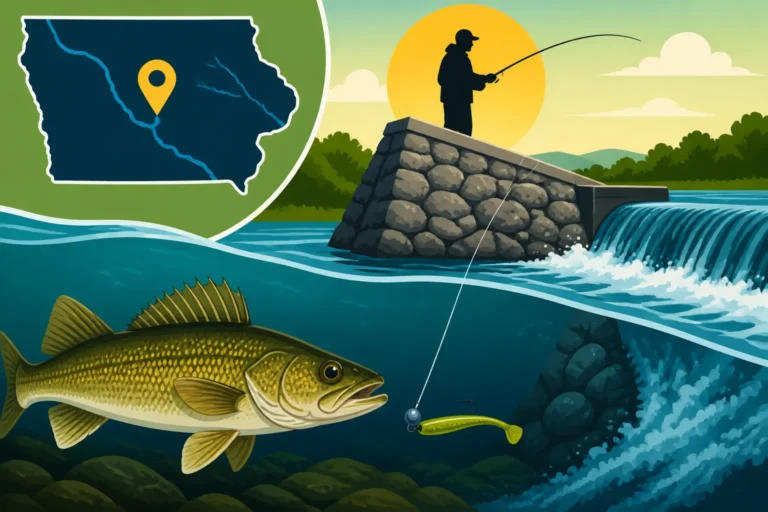
- Walleye: These beloved Iowa fish are notorious for relating to subtle changes. Look for them on main lake points, humps, deep rock reefs, submerged creek channels, and current breaks in rivers. They often hold just off the structure, moving onto it to feed. Knowing the Best Rod Length for Iowa River Walleye Fishing can make a huge difference here.
- Largemouth Bass: They love cover and abrupt changes. Think weed lines, lily pads, fallen trees, boat docks, and brush piles, especially those near a depth change.
- Smallmouth Bass: Often found on rocky structures – rip-rap, gravel beds, rock humps, and current breaks in rivers. They prefer harder bottoms and clearer water.
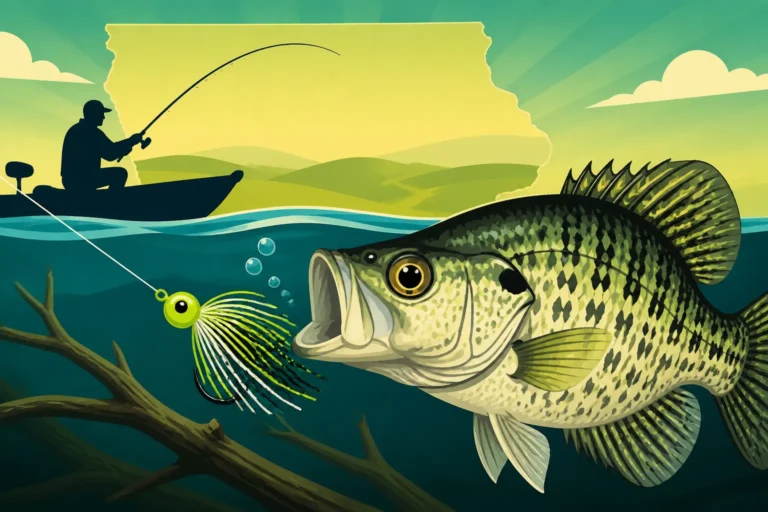
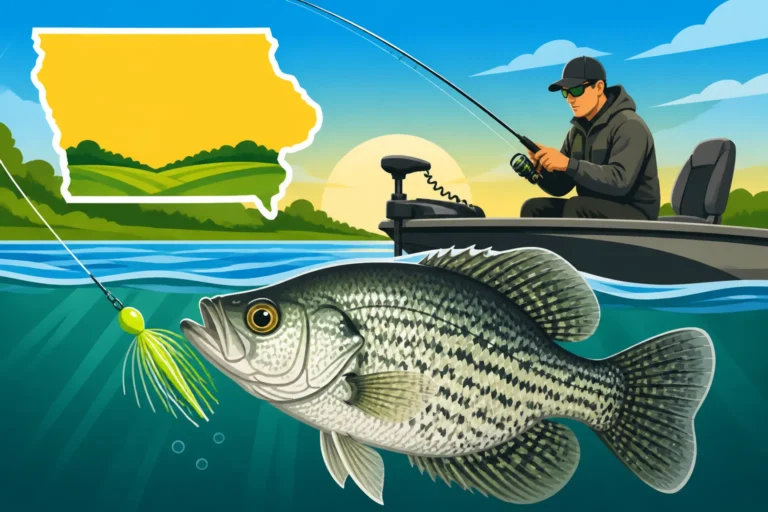
- Crappie: Crappie are masters of relating to vertical structure and suspended cover. Look for them around brush piles, submerged trees, bridge pilings, and even suspended over deep creek channels. They often school tightly, so once you find one, you've likely found more.
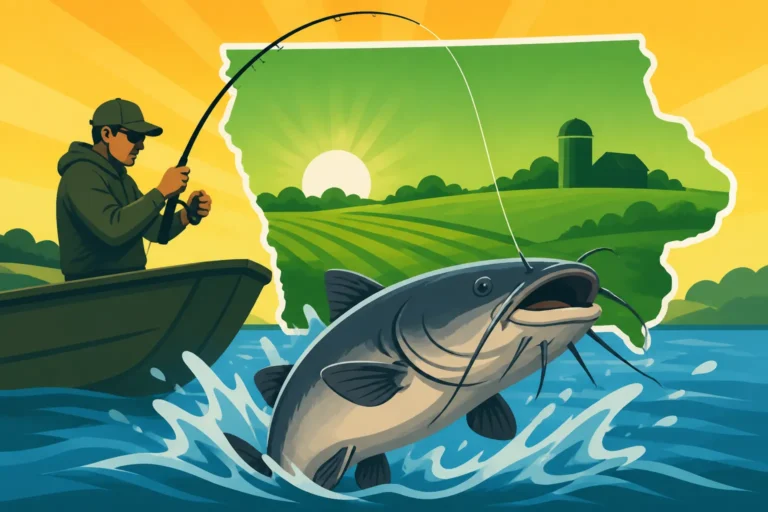
- Catfish: While they'll eat almost anywhere, the biggest catfish often relate to deep holes, log jams, current seams, and sharp bends in rivers. In lakes, look for them around old creek channels or deep, muddy flats with some kind of cover.
To summarize the relationship between common Iowa fish and their preferred structures, here's a quick reference:
| Fish Species | Preferred Structure Types | Example Locations in Iowa | Key Considerations |
|---|---|---|---|
| Walleye | Submerged points, humps, rock reefs, deep channel edges, current breaks (rivers) | Clear Lake, Mississippi River, West Okoboji Lake | Often on or near the bottom; active at low light. |
| Largemouth Bass | Weed lines, lily pads, fallen trees, boat docks, brush piles, shallow cover near drop-offs | Farm Ponds, Lake Macbride, Big Creek Lake | Ambush predators; relate heavily to cover and shade. |
| Smallmouth Bass | Rocky areas, rip-rap, gravel bars, current breaks, bridge pilings (rivers & clear lakes) | Mississippi River, Iowa River, Spirit Lake | Prefer hard bottom and clearer water; often more aggressive strikes. |
| Channel Catfish | Deep holes, log jams, river bends, current seams, old creek channels (lakes) | Saylorville Reservoir, Des Moines River, Rathbun Lake | Bottom feeders; often found in muddier water or near deep cover. |
| Crappie | Brush piles, submerged timber, bridge pilings, deep weed edges, suspended over channels | Rathbun Lake, Saylorville Reservoir, Coralville Reservoir | Schooling fish; often found relating to vertical or suspended cover. |
| Northern Pike | Weedy bays, edges of thick vegetation, fallen timber, shallow flats with cover | West Okoboji Lake, Clear Lake | Aggressive ambush predators; strong preference for heavy cover. |
By diligently studying maps, using your electronics, feeling the bottom, and understanding the seasonal movements and species preferences, you'll go from randomly casting to strategically targeting fish-holding structures. This approach not only makes you a more effective angler but also transforms the way you experience Iowa fishing, turning guesswork into informed decision-making.
Disclaimer
This article is for general informational purposes only and does not constitute professional advice. Laws, prices and regulations vary by location and change over time. Consult a qualified professional for guidance on your specific situation.