Is Bass Season Open Year-Round in Iowa?
It's incredibly frustrating when you're geared up for a day on the water, only to realize you're not entirely sure if you're even allowed to fish for your target species. The world of fishing regulations can feel like a labyrinth, especially when you hear whispers of "year-round" seasons for some fish, but then catch wind of special rules for others. If you've been wondering if bass season is open year-round in Iowa, you've come to the right place. This guide will cut through the confusion, lay out the facts, and help you understand exactly when and where you can chase those elusive Iowa bass.
Clarifying Iowa's Bass Season: The General Rule
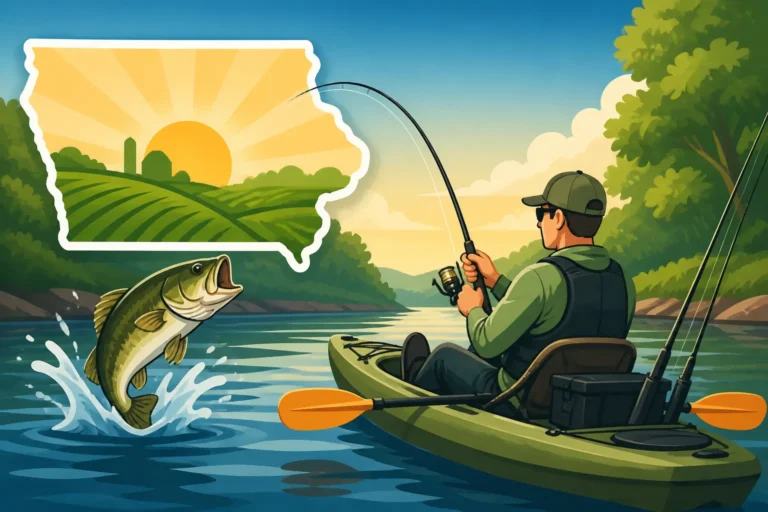
Let's get right to it because I know you want the straightforward answer: For the vast majority of Iowa's public waters, yes, bass season is open year-round. This means you can cast for largemouth and smallmouth bass pretty much any day of the year you choose, provided you adhere to the specific length and bag limits that are in place. This continuity is fantastic for anglers who love the chase and want to pursue bass across all four seasons, adapting their techniques from icy winters to scorching summers.
However, and this is where the nuance comes in, that "majority of public waters" doesn't mean all waters. There are some very important exceptions, primarily on some of Iowa's most popular fishing destinations, where special regulations and even closed seasons apply. Understanding this distinction is key to avoiding an unintentional violation and ensuring you're fishing legally and responsibly. It’s always a good idea to consult the most current Iowa Fishing Regulations Explained before heading out.
Largemouth vs. Smallmouth: Are the Rules Different?
When we talk about "bass" in Iowa, we're primarily referring to largemouth bass and smallmouth bass, often grouped together under the umbrella term "black bass" in the regulations. The good news is that for most of the state, the year-round open season generally applies to both species. You don't usually need to worry about separate seasonal calendars for your greenbacks versus your bronzebacks, which simplifies things a fair bit.
However, their habitats often differ, which might make you think the rules would follow suit. Largemouth bass tend to prefer calmer, weedier waters like farm ponds, slower rivers, and shallow lake coves. Smallmouth bass, on the other hand, are typically found in clearer, cooler water with rocky bottoms and current, such as the Mississippi River or certain natural lakes. While their preferred stomping grounds are different, the statewide general open season remains consistent for both. The real divergences come down to specific water bodies, not typically the species itself.
Why the "Year-Round" Perception Exists
The perception that bass season is open year-round is largely accurate for most of us, especially if you fish local ponds, smaller lakes, or sections of rivers that aren't specifically designated with special rules. For instance, if you're out chasing bass on the Des Moines River or a county conservation board pond, you can generally fish for them any day of the year. This widespread accessibility contributes to the belief that bass fishing is a continuous opportunity.
It also speaks to the resilience and popularity of bass. They are a beloved sportfish across the state, and allowing a continuous season on most waters provides ample opportunity for anglers to enjoy them. This also often comes with strict length and bag limits designed to protect the population, ensuring that even with year-round pressure, these fish can thrive. Think of it as a balance: continuous access for anglers, but with smart management to sustain the fishery.
Understanding Bass Length and Bag Limits in Iowa
Even when bass season is open, it's never a free-for-all. Iowa's DNR carefully manages fish populations through length and bag limits, which are designed to ensure sustainable fishing for years to come. These limits can vary significantly, so understanding them is crucial before you even think about putting a fish in your livewell. Penalties for Exceeding the Daily Bag Limit can be pretty hefty, so it’s always better to be safe than sorry.
Standard Statewide Regulations
For most of Iowa's public waters where bass season is open year-round, there's a pretty standard set of rules for "black bass" (largemouth and smallmouth combined). Typically, this involves:
- Minimum Length Limit: A common statewide minimum length for bass is 15 inches. This means any bass you catch shorter than 15 inches must be immediately released back into the water. This regulation is crucial for allowing younger fish to grow to maturity and reproduce at least once, contributing to future generations of bass. You'll often find that larger, more established fisheries might even have higher minimums to promote trophy potential. Knowing the Minimum Length Limit for Bass in Iowa Public Lakes is a fundamental aspect of legal angling.
- Daily Bag Limit: The statewide daily bag limit for black bass is often 3 fish. This means in any single day, you can only keep a maximum of three bass that meet or exceed the length limit. This helps distribute the harvest among more anglers and prevents overfishing of prime-sized fish.
It's important to remember that these are the general rules, and there's always a possibility of specific changes or localized regulations. Always double-check the current regulations before you go, as they can sometimes change from year to year.
The Importance of the Iowa Fishing Regulations Booklet
I cannot stress this enough: The official Iowa Fishing Regulations booklet is your Bible on the water. While I'm providing general information, these regulations can, and sometimes do, change. The printed booklet, or the digital version available on the Iowa DNR website, will always contain the most up-to-date and legally binding rules. Don't rely solely on what you think you remember or what a buddy told you.
When you're planning a trip, especially to a new lake or river, make it a habit to look up that specific water body in the regulations. Special regulations are always clearly listed. You can pick up a physical copy of the Fishing Regulations Booklet Where to Find It at most places where you purchase your Iowa fishing license, like your local bait shop or a general retailer such as Walmart. It's truly a small investment of time for a lot of peace of mind.
How Bag Limits Work: Daily vs. Possession
Understanding the difference between daily and possession limits is another critical piece of the regulatory puzzle.
- Daily Bag Limit: As mentioned, this is the maximum number of fish of a certain species you can keep in one calendar day. If the daily limit for bass is 3, you can only keep 3 legal-sized bass from midnight to midnight. Once you hit that limit, you must stop fishing for that species or switch to strictly catch-and-release for the rest of the day.
- Possession Limit: This refers to the total number of fish of a certain species you can have in your possession at any given time, whether they're on your person, in your cooler, in your vehicle, at your campsite, or at your home. For most species in Iowa, the possession limit is typically the same as the daily bag limit. This means if you have three bass from today's fishing trip in your cooler, you cannot legally possess any more bass until those three have been consumed or processed. This rule prevents anglers from accumulating large quantities of fish over multiple days.
It’s crucial to abide by both limits. A common scenario might be an angler who fishes for bass on Monday, keeps three, and then goes out again on Tuesday, keeping another three. If they still have Monday's fish in their freezer, they've violated the possession limit. Be mindful, especially if you're on a multi-day fishing vacation.
Key Exceptions: Specific Lakes with Special Bass Regulations
Here's where the "year-round" answer gets a bit more complicated and where you absolutely need to pay attention. While most Iowa waters have a continuous open season for bass, some highly popular and ecologically significant lakes have specific closed seasons or modified length and bag limits to protect bass during vulnerable periods, particularly their spawning season.
Iowa Great Lakes Bass Season Specifics
The Iowa Great Lakes region, including Spirit Lake, East Okoboji, West Okoboji, Upper Gar, Lower Gar, Minnewashta, and Little Spirit Lake, are jewels in Iowa's fishing crown. These lakes are known for their exceptional fishing opportunities, but precisely because they are so popular and important, they have very specific regulations, especially concerning bass.
Typically, the Iowa Great Lakes have a closed season for Largemouth Bass and Smallmouth Bass that runs from early spring through mid-June. For example, it might be closed from March 1st until the third Saturday in June. During this period, you cannot harvest bass from these lakes. Any bass caught must be immediately released. This closed season is specifically designed to protect bass during their crucial spawning period, allowing them to reproduce without disturbance and ensuring the health of future populations. So, if you're planning a trip to the Iowa Great Lakes during spring, check the Iowa Bass Season Closed Dates at the Great Lakes to confirm when you can legally keep bass.
Even outside the closed season, these lakes often have different length limits than the statewide general rules. For example, you might find a 16-inch minimum length limit on bass from the Iowa Great Lakes, or even slot limits that specify a range of sizes you can't keep, promoting the growth of larger fish. Always check the specific regulations for Fishing the Iowa Great Lakes before you cast a line.
Other Protected Waters and Special Rules
It's not just the Iowa Great Lakes that have special rules. Other prominent lakes and reservoirs across the state can also have unique bass regulations. For instance:
- Clear Lake and Big Creek Lake: These are other popular destinations that have historically featured special bass regulations, sometimes including closed seasons similar to the Great Lakes, or specific length and bag limits tailored to their unique ecosystems.
- Special Management Lakes: The Iowa DNR might implement experimental or temporary regulations on certain lakes to address specific population concerns or enhance particular fisheries. These could include slot limits (where you can only keep bass under a certain size or over a certain size, but not in between) or even catch-and-release-only sections.
- Mississippi River Border Waters: While the Mississippi River generally has generous fishing opportunities, regulations can sometimes differ slightly on border waters, especially concerning length and bag limits, due to reciprocal agreements with neighboring states like Wisconsin and Illinois.
The bottom line is: never assume. Before heading to any significant body of water in Iowa for bass fishing, take a few minutes to review the official regulations for that specific location. You can usually find detailed information for specific lakes and rivers within the main regulation booklet or on the Iowa DNR website. A little bit of research can save you a lot of hassle.
Tips for Year-Round Bass Fishing in Iowa
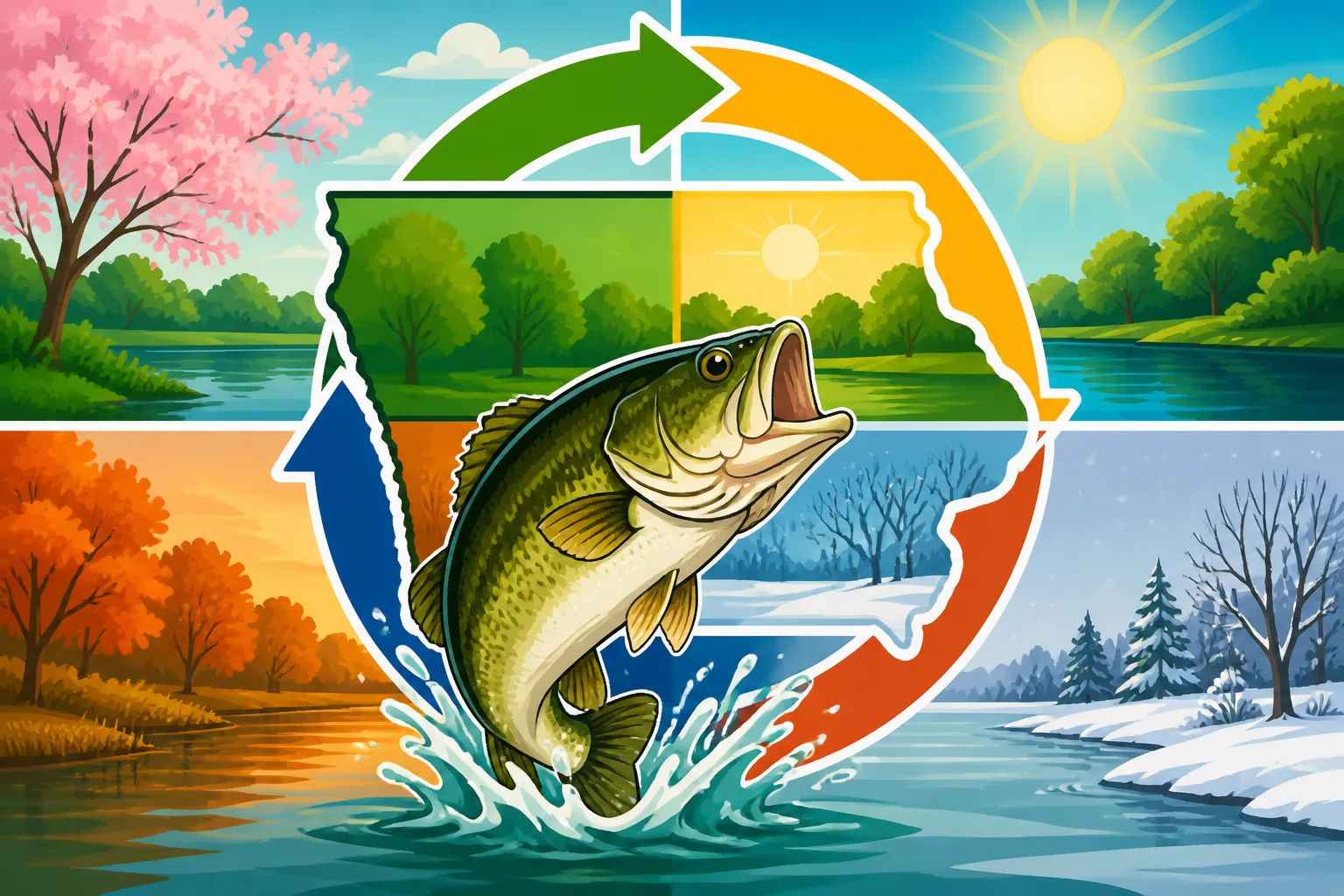
Since bass season is largely open year-round, you have the fantastic opportunity to hone your skills and target these feisty fish through all four seasons. Each season presents its own challenges and rewards, requiring different approaches to be successful.
Seasonal Strategies for Bass Fishing
- Spring: This is prime time as bass move into shallower waters for their spawn. Before the closed seasons on special lakes, or in continuous open waters, look for bass in warming bays, around submerged brush, and along rocky shorelines. Jerkbaits, spinnerbaits, and jigs can be highly effective. The key is to match your retrieve to the water temperature; slower presentations are often best in cooler water. Knowing How to Catch Bass in Iowa during the spring can lead to some truly memorable days.
- Summer: As waters warm up, bass often retreat to deeper, cooler waters or seek shade under docks, lily pads, and thick cover during the day. Early morning and late evening topwater action can be explosive, especially with lures like frogs or poppers. During the heat of the day, flipping and pitching jigs or Texas-rigged worms into heavy cover or fishing deep crankbaits and Carolina rigs off points can be productive.
- Fall: Bass begin to feed aggressively in the fall, bulking up for winter. They often move back shallower as water temperatures cool, chasing baitfish. Crankbaits, lipless crankbaits, and swimbaits that imitate baitfish can be deadly. Look for them around points, channel swings, and anywhere baitfish are congregating. This can be a fantastic time for both numbers and size.
- Winter (Ice Fishing): Yes, you can even target bass through the ice! While not as common as walleye or panfish, bass can be caught on jigs tipped with minnows or small spoons. Look for them relating to structure in deeper basins, especially near drop-offs or submerged timber. They'll be less active, so a subtle presentation is key. Ice Fishing in Iowa offers a unique challenge and can be very rewarding.
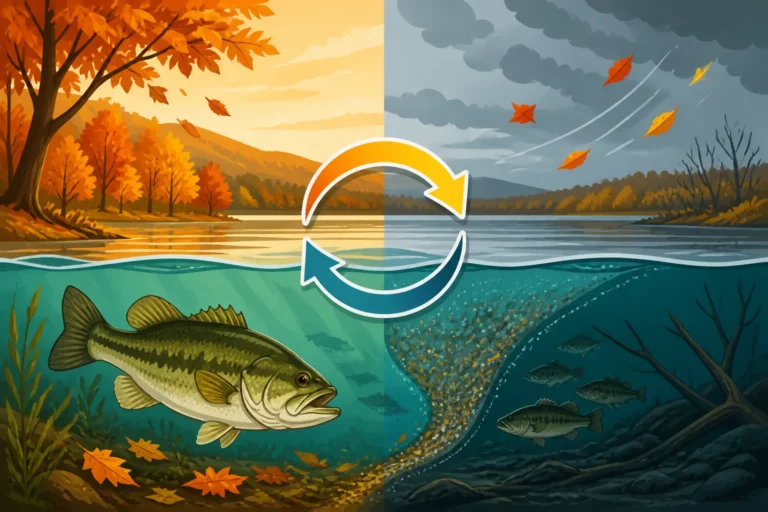
Remember, bass are cold-blooded creatures, so their activity levels are directly tied to water temperature. Understanding the seasonal patterns of fish movement and feeding behavior will make you a much more successful angler, no matter the time of year.
Gear Considerations for All Seasons
Having the right gear makes a huge difference, not just in catching fish, but in making your time on the water more enjoyable. A good starting point is a reliable medium-heavy action rod with a sensitive tip, paired with a versatile spinning or baitcasting reel.
- Rods and Reels: For general bass fishing, a 6'6" to 7' medium-heavy action rod with a fast tip is a great all-around choice. Pair it with a 2500-3000 series spinning reel for finesse techniques or a baitcasting reel with a decent gear ratio for power fishing. You can find excellent options for specific needs, like baitcasting reels for bass fishing, or spinning reels for panfish, on Amazon to suit various budgets.
- Line: For most applications, 10-17 lb monofilament or fluorocarbon is sufficient. Many anglers prefer braided line (20-40 lb) for its strength and sensitivity, often with a fluorocarbon leader for stealth.
- Lures: Your tackle box should have a good mix for different conditions. Spinnerbaits and chatterbaits are great for covering water. Jigs and soft plastics (worms, craws, creature baits) are versatile for pitching into cover or fishing slowly along the bottom. Crankbaits and topwater lures round out a solid selection. If you're just starting, check out the Best Lures for a Starter Tackle Box.
- Electronics: A good fish finder can be invaluable, especially for locating structure and deeper bass in larger lakes and reservoirs. Brands like Humminbird and Lowrance offer a range of units, from basic to highly advanced, and you can often find competitive prices on Amazon.
- Other Essentials: Don't forget a quality pair of polarized sunglasses to cut glare and spot structure, a good pair of pliers for hook removal, and a comfortable tackle bag or box to keep your gear organized.
Best Practices for Responsible Angling
Beyond just knowing the regulations, being a responsible angler is about ensuring the health of our fisheries for future generations.
- Handle Fish with Care: If you're practicing catch and release, especially for bass that are under the length limit or during closed seasons, handle fish as little as possible. Wet your hands before touching them to protect their protective slime coat. Use de-hooking tools if the hook is deep, and get them back in the water quickly.
- Know Your Limits: Always adhere to the Iowa Fishing Daily Bag Limits Guide and possession limits. These aren't suggestions; they're laws designed to protect fish populations.
- Report Violations: If you witness someone violating fishing regulations, whether it's over-the-limit fishing or illegal methods, don't hesitate to report it to the Iowa DNR. You can find information on Reporting a Fishing Violation in Iowa in the regulations booklet or on the DNR website. It's up to all of us to protect our natural resources.
- Leave No Trace: Pack out everything you pack in. Dispose of old line, bait containers, and any other trash properly. Let's keep Iowa's beautiful waters pristine for everyone to enjoy.
By understanding the regulations, adapting your techniques, and practicing responsible angling, you can enjoy fantastic bass fishing in Iowa truly year-round, making the most of every season our beautiful state has to offer.
Disclaimer
Please note that fishing regulations can change. While every effort has been made to provide accurate and up-to-date information, it is always the angler's responsibility to consult the current official Iowa Department of Natural Resources (DNR) fishing regulations before engaging in any fishing activity. This article is intended for informational purposes only and should not be considered a substitute for the official regulations.