Best Fishing at Lake Darling
If you've ever pulled into a new fishing spot, looked out at the water, and wondered where in the world to even start, you're not alone. Lake Darling, tucked away in southeast Iowa, is a fantastic spot, but figuring out its secrets can feel a bit daunting. This guide is all about cutting through that confusion, giving you the insider scoop on the very best fishing opportunities at Lake Darling so you can spend less time guessing and more time reeling in your next big catch.
Understanding Lake Darling's Unique Angling Appeal
Lake Darling State Park is a true gem, offering a serene escape that sometimes gets overlooked by anglers rushing to the bigger, more famous Iowa lakes. But let me tell you, this place has a quiet charm and some really solid fishing if you know where to look. It's not just about the fish; it's about the entire experience of being out on these tranquil waters.
Lake Darling's Geography and Fish Habitat
Lake Darling is a man-made lake, sprawling over 302 acres in Washington County. What makes it special for fishing is its diverse underwater structure and relatively shallow nature, especially compared to some of Iowa's deeper glacial lakes. The average depth is around 10 feet, but you'll find channels that dip down to about 20 feet, especially near the dam. This variation in depth creates excellent foraging and hiding spots for various fish species.
The lake boasts a good mix of natural and man-made habitats. Think about old creek channels, subtle drop-offs, submerged timber, and brush piles that have been intentionally placed by the Iowa Department of Natural Resources (DNR) to enhance fish habitat. These underwater features are absolute magnets for panfish and bass. The shoreline itself is a blend of grassy banks, some rocky stretches, and areas with emergent vegetation, providing ample cover and feeding grounds. You'll often find yourself scanning the shoreline, looking for those tell-tale signs of a good bass hideout or a crappie congregation. Understanding these underwater contours and surface indicators is key to unlocking Lake Darling's potential.
Prime Fishing Seasons at Lake Darling
Like most Iowa lakes, Lake Darling has its peak fishing seasons, largely dictated by water temperature and fish spawning cycles. Knowing when to go can drastically improve your success rate and make your trip more enjoyable.
Spring, particularly from April to early June, is often considered prime time. As the water temperatures rise, species like crappie and bluegill move into shallower waters to spawn, making them more accessible to both boat and shore anglers. This is when you can find them congregating around submerged brush and woody cover in just a few feet of water. Largemouth bass also become incredibly active during their pre-spawn and spawn phases, often holding tight to cover along the banks or in newly emerging weed beds. You might want to brush up on specific tactics for this time of year by checking out our guide on Spring Fishing in Iowa.
Summer fishing, from late June through August, can be excellent, though it often requires a slight change in tactics. As the water heats up, many fish move to deeper, cooler areas or become more active during low-light conditions early mornings and late evenings. This is when catfish really shine, often biting throughout the day and into the night. Look for them in the deeper channels and near areas with current, especially after a rain.
Fall, typically September and October, offers another fantastic window. As water temperatures cool down, many fish, especially bass and crappie, enter a feeding frenzy to bulk up for winter. They'll often move back into shallower areas, especially if there's remaining cover or baitfish activity. This time of year often means fewer crowds and comfortable weather, making for a truly pleasant angling experience. For more in-depth seasonal advice, you might find our overview on Iowa Fishing Season Dates and Limits helpful. Even ice fishing can be productive here during cold winters, targeting panfish and pike through the hard water.
Top Species to Target and How to Catch Them
Lake Darling is known for a healthy population of several popular sport fish, offering something for every angler. Whether you're after a feisty panfish or a hard-fighting bass, the lake delivers.
Crappie and Bluegill: Panfish Paradise
If you love catching panfish, Lake Darling is a fantastic destination. Both crappie and bluegill thrive here, providing consistent action and delicious table fare.
Crappie: The crappie population in Lake Darling is strong, with both black and white crappie present. They tend to school up, so when you find one, you're likely to find more! In spring and fall, look for them around submerged brush piles, fallen trees, and any kind of woody cover in 5-10 feet of water. A popular tactic is to use small jigs (1/32 to 1/16 ounce) tipped with a small plastic body, like a tube jig or a curly-tail grub, or even a live minnow under a bobber. Focus your efforts in coves and along sheltered banks where the water warms up first. During summer, they might move to slightly deeper humps or suspend over the old creek channels. For more detailed strategies, our Crappie Fishing in Iowa guide offers fantastic insights.
A great real-life scenario involves slowly trolling small jigs or minnows with an electric motor along the edges of the main lake channel or near prominent points. You’re looking for those subtle drops in depth where crappie like to ambush baitfish. If you're fishing from the bank, try casting those same small jigs out and slowly retrieving them, letting them fall through the water column near any visible cover. The key is patience and trying different depths until you find where they're holding. Sometimes just a slight change in retrieval speed makes all the difference.
Bluegill: Bluegill are abundant in Lake Darling and are perfect for a fun day of fishing, especially with kids or if you're a beginner. They are less finicky than crappie and can be found almost everywhere there's vegetation or structure. Worms, crickets, and small artificial baits are all effective. Small jigs, similar to those used for crappie, or even a simple hook with a piece of nightcrawler under a bobber, will do the trick. Concentrate on weed lines, lily pads, and shaded areas during warmer months.
Imagine a sunny afternoon, casting a tiny beetle spin or a piece of red worm under a bobber near a bed of lily pads. You watch the bobber intently, and suddenly, it twitches, then rapidly disappears! That's the classic bluegill bite. They're often found shallower than crappie, especially in late spring and early summer when they're on their beds. Our comprehensive Bluegill Fishing in Iowa article has even more tips for landing these feisty panfish. Try finding areas with a mix of shallow grass and slightly deeper water; this transition zone is often a bluegill hotspot.
Largemouth Bass: Hunting the Structure
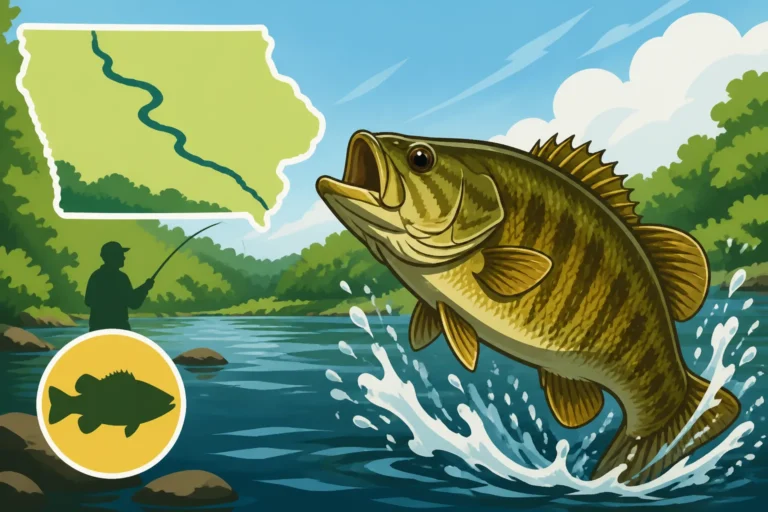
Lake Darling also offers excellent opportunities for largemouth bass, especially for anglers who enjoy dissecting cover and structure. The lake's many submerged features and shoreline vegetation create ideal bass habitat. For a deeper dive into bass behavior and specific techniques, take a look at our Largemouth Bass Fishing in Iowa guide.
Look for largemouth bass in areas with heavy cover: submerged timber, brush piles, rocky points, and thick weed beds. In spring, they'll be shallower, staging for the spawn, often in protected coves or along warming banks. Texas-rigged plastic worms, jigs, and spinnerbaits are incredibly effective during this time. As summer progresses and the water warms, bass often move to deeper structure during the day, coming shallower during low light hours. Topwater lures at dawn and dusk can produce explosive strikes, while crankbaits and deep-diving jigs work well when they're holding deeper.
A classic Lake Darling bass scenario involves pitching a jig-and-trailer combo into a dense brush pile on a warm spring morning. You feel that subtle "thump," set the hook hard, and suddenly your line is screaming as a chunky largemouth tries to bury itself back in the cover. Another effective technique is to slowly work a weightless senko-style worm along the edges of lily pads, letting it sink tantalizingly. The key with Lake Darling bass is to be patient and thoroughly fish the cover. If you're struggling to locate them, remember that platforms like FishingBooker can help you connect with local guides who specialize in bass and know the lake inside out, offering a shortcut to success.
Channel Catfish: Bank and Boat Tactics
Channel catfish are another prominent species in Lake Darling, providing thrilling fights and fantastic eating. They are relatively widespread throughout the lake and can be caught using a variety of methods. You can find more general tips and tricks in our Channel Catfish Fishing in Iowa guide.
Catfish are less reliant on sight and more on their sense of smell, making stink baits, cut bait (like shad or bluegill pieces), and worms particularly effective. They often inhabit the deeper areas of the lake, especially the old creek channels, and areas where there's some flow or current, like near the spillway or where feeder creeks enter the lake after a rain.
For bank anglers, fishing off the main dam or any of the accessible points that drop into deeper water can be very productive. Use a simple bottom rig: a weight (egg sinker or slip sinker) above a swivel, and a leader with a circle hook. Cast it out, let it sink to the bottom, and wait. Night fishing for catfish can be especially rewarding during the summer months when they are most active. Many anglers enjoy setting up multiple rods with different baits to see what the catfish prefer on any given night.
If you're fishing from a boat, you have the advantage of reaching those deeper channels and isolated holes. Drifting baits along the bottom in these deeper areas can be highly effective. Some anglers even use trotlines, where legal, to target catfish more passively. Just be sure to check all local regulations on fishing methods. Imagine casting out a piece of fresh cut bait near the old creek channel, letting your line go slack, and then feeling that unmistakable, slow pull as a solid channel cat takes the bait. It’s a patient game, but the payoff is well worth it.
Essential Gear and Local Tips for Success
Having the right gear and understanding a few local nuances can really elevate your Lake Darling fishing experience from "just another trip" to "an unforgettable adventure."
Recommended Rods, Reels, and Baits
Choosing your tackle doesn't have to be complicated, but matching it to your target species will make a big difference.
For panfish (crappie and bluegill), a light to ultra-light spinning rod, typically 5 to 6 feet long, paired with a small spinning reel spooled with 4-6 pound monofilament line, is ideal. This setup allows for delicate presentations of small jigs and baits. For bass, a medium to medium-heavy spinning or baitcasting rod, 6.5 to 7 feet long, with 8-15 pound fluorocarbon or braided line, will give you the power to cast heavier lures and pull fish out of cover. When targeting catfish, a medium-heavy rod, 7 to 9 feet long, with a strong spinning or baitcasting reel spooled with 15-30 pound monofilament or braided line, is essential for handling larger fish and heavy sinkers. Our general guide on Iowa Fishing Gear Guide provides an excellent overview of essential tackle.
As for baits and lures, keep it versatile. For panfish, small tube jigs, curly-tail grubs in chartreuse, white, or black, small spinnerbaits (like Beetle Spins), and live minnows or worms are staples. For bass, carry a variety: plastic worms (green pumpkin, black/blue), jigs, spinnerbaits, crankbaits (shad or crawfish patterns), and a few topwater frogs or poppers. Catfish anglers should always have plenty of cut bait (chicken liver, shad, bluegill pieces), stink baits, and nightcrawlers on hand. Don't forget a good pair of pliers for hook removal, a landing net, and a cooler to keep your catch fresh!
Navigating Lake Darling: Boats and Shore Access
Lake Darling offers a fantastic mix of accessibility, catering to both boaters and those who prefer to keep their feet on solid ground.
Boating: The lake has a paved boat ramp, making it easy to launch everything from small jon boats to larger fishing rigs. There's a 10 horsepower motor limit on Lake Darling, which helps maintain the peaceful atmosphere and makes it a great spot for electric trolling motors. This limit means you won't have to contend with speed boats or large wakes, creating a safer and calmer environment for fishing, especially if you're kayak fishing. If you don't own a boat, the park often has rentals available, which is a great way to explore the deeper sections and access prime spots that are unreachable from shore. Remember to always have your Iowa Boat Registration Requirements in order and carry all required safety equipment. For specific needs, FishingBooker can sometimes help connect you with local rental options or guides who provide boats as part of their service.
Shore Fishing: Many anglers find success fishing from the bank at Lake Darling. The park offers plenty of accessible shoreline, including several designated fishing jetties and piers. The areas near the boat ramp, the dam, and various points around the lake provide excellent casting opportunities into deeper water or near submerged structure. These spots are particularly good for targeting panfish and catfish, especially during the spring spawn or a good summer bite. For those looking for easy access, the lake's network of trails often runs close to the water, opening up numerous informal bank fishing spots. While not as extensive as some urban options, you can still find good Shore Fishing Access Near Des Moines type of experiences within the park boundaries. Just be mindful of your surroundings and always leave no trace behind.
Planning Your Lake Darling Fishing Adventure
A little planning goes a long way, ensuring your fishing trip to Lake Darling is smooth, enjoyable, and most importantly, successful.
Licenses, Regulations, and Resources
Before you even think about casting a line, make sure you're properly licensed and aware of all local regulations. In Iowa, anyone 16 years or older needs a valid fishing license. You can easily purchase one online through the Iowa DNR website, at many bait and tackle shops, or even at some county recorder offices. If you need more information, our comprehensive Iowa Fishing License Guide is a great resource.
Lake Darling, like all Iowa waters, adheres to statewide fishing regulations, but it's always wise to check for any lake-specific rules regarding length limits or daily bag limits that might be in effect. These can sometimes change, so a quick check of the Iowa DNR's current fishing regulations booklet before your trip is a smart move. Our Iowa Fishing Regulations Explained article provides a detailed look at these rules. Pay close attention to rules regarding live bait, the number of lines you can use, and any special conservation regulations for certain species. For example, while panfish limits are generally generous, specific slot limits might apply to bass to protect breeding populations.
To stay current on fishing conditions and stocking reports for Lake Darling, keep an eye on the Iowa DNR's fishing reports webpage. They often provide valuable insights into what's biting, where, and what techniques are working best. This information, combined with local knowledge, can significantly increase your chances of a successful outing. Don't hesitate to chat with folks at local bait shops in nearby towns like Brighton or Washington; they are often a goldmine of up-to-the-minute information.
Nearby Amenities and Accommodations
A fishing trip to Lake Darling isn't just about the angling; it's also about enjoying the beautiful natural surroundings and making a comfortable experience out of it.
Lake Darling State Park offers excellent amenities for visitors. There are campgrounds available for tents and RVs, complete with modern facilities, making it easy to turn your fishing trip into an overnight or weekend getaway. These campgrounds often fill up quickly, especially during peak season, so booking well in advance is highly recommended. There are also picnic areas, hiking trails, and swimming beaches (though swimming is often less of a priority for dedicated anglers!).
If camping isn't your style, nearby towns like Washington (about 15 miles north) or Brighton (about 5 miles south) offer a range of accommodation options, from motels to local inns. You'll also find convenience stores, gas stations, bait and tackle shops, and restaurants in these towns to stock up on supplies or grab a meal. Having these resources close by means you don't have to haul everything from home and can easily replace any forgotten items. Sometimes, even online platforms like FishingBooker can help you find local services or information about nearby accommodations that cater to anglers.
Here's a quick summary of some of the best fishing opportunities at Lake Darling:
| Species | Prime Location | Best Season | Recommended Bait/Lure | Notes |
|---|---|---|---|---|
| Crappie | Submerged brush piles, fallen trees, old creek channels | Spring, Fall, Early Ice | Small jigs (1/32-1/16 oz), minnows | Look for schools, they move together |
| Bluegill | Weed lines, lily pads, shallow coves | Spring, Summer | Worms, crickets, small jigs | Excellent for beginners and kids |
| Largemouth Bass | Brush piles, rocky points, weed beds, shoreline cover | Spring, Fall | Plastic worms, jigs, spinnerbaits | Focus on working cover thoroughly |
| Channel Catfish | Deeper channels, near dam, feeder creek mouths | Summer, Late Spring | Cut bait, stink baits, nightcrawlers | Best action often during low-light hours or at night |
Remember, fishing is as much about the experience as it is about the catch. Lake Darling offers a fantastic blend of both, so pack your gear, plan your trip, and get ready to enjoy some of the best fishing southeast Iowa has to offer.
Disclaimer
The information provided in this guide is for general informational purposes only. Fishing conditions, regulations, and access can change rapidly. Always consult the official Iowa Department of Natural Resources (DNR) website and local authorities for the most current rules, regulations, and advisories before planning your fishing trip. Adhere to all safety guidelines and practice responsible angling.