Best Fishing Spots on the Missouri River Border
The Missouri River border can feel like a whole different world for anglers, even seasoned ones. Its sheer size, powerful currents, and ever-changing landscape can be intimidating, leaving many wondering where to even begin their search for a good bite. But don't you worry, because this guide is here to demystify fishing Iowa's Missouri River border, pointing you toward prime spots and equipping you with the knowledge to make your next trip a successful, and much less stressful, adventure.
The Missouri River: A Force of Nature and a Fishing Frontier
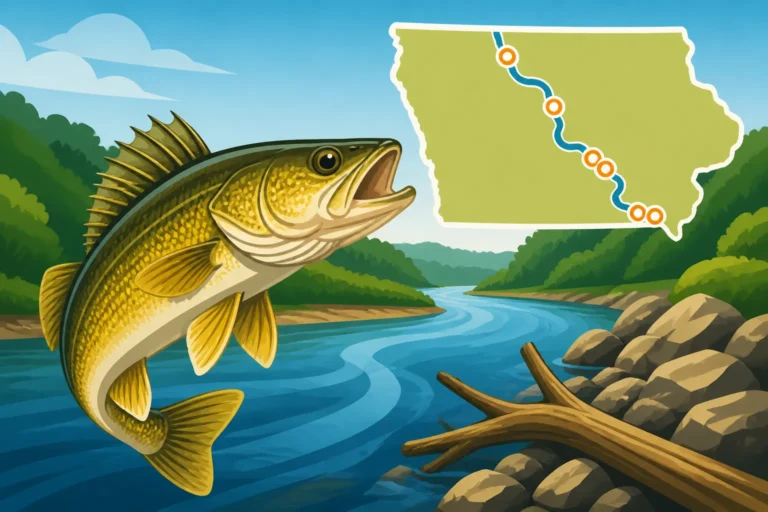
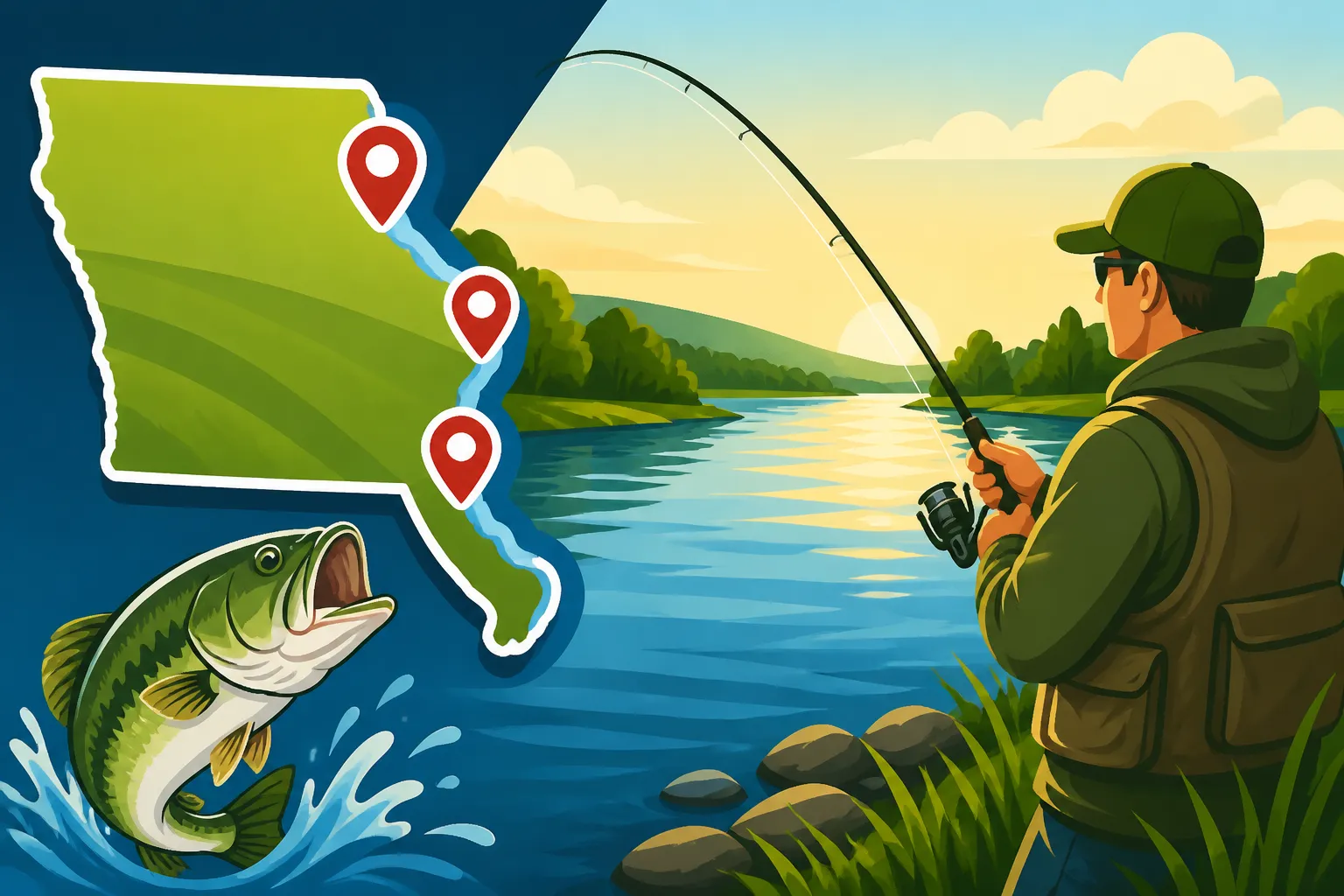
Fishing the "Big Muddy" isn't like casting a line into your local farm pond or even a calmer lake. This river is a beast, constantly shifting and presenting unique challenges that, once understood, become part of its allure. The Missouri River forms Iowa's entire western border, creating a vast and dynamic ecosystem that's home to some incredible fishing opportunities.
Understanding its Unique Challenges and Rewards
The biggest challenge, and perhaps the biggest reward, of the Missouri River is its dynamic nature. The current is strong, the depths can vary dramatically, and water levels can fluctuate based on upstream releases, rainfall, and even the time of year. This means that a spot that was hot last week might be completely different this week. Anglers often get frustrated trying to read the river, feeling like they're guessing rather than strategizing. However, this constant change also means the river is incredibly vibrant, providing an endless supply of structure, forage, and diverse fish species. It's a true test of adaptability, but one that offers incredible catches if you play your cards right. You'll find everything from massive flathead catfish lurking in deep holes to schools of white bass busting on the surface, making every trip an adventure.
Navigating the Nuances of Border Regulations
Another common source of confusion for anglers on the Missouri River border revolves around regulations. Since you're often fishing waters that literally border another state (Nebraska or Missouri, depending on where you are), understanding reciprocal agreements is absolutely crucial. Nobody wants to accidentally break the law! Thankfully, there are generally reciprocal fishing agreements in place between Iowa and its border states on the Missouri River. This usually means that if you have a valid fishing license from either Iowa or the bordering state, you're good to go on the main stem of the river. However, this often doesn't extend to tributary streams or oxbow lakes that are clearly within one state's boundary. For example, if you're fishing on the main Missouri River between Iowa and Nebraska, your Iowa license will likely cover you. But if you venture into a backwater lake that's entirely on the Iowa side, like Browns Lake, you need an Iowa license. It's always, always best to double-check the latest regulations. A quick look at the Iowa Department of Natural Resources (DNR) website will give you the most up-to-date information, specifically concerning the Iowa Fishing Rules for Out-of-State Anglers or the detailed Reciprocal Fishing Rules on the Missouri River Border. Knowing these rules will save you a headache and potential fines, letting you focus on the fish.
Prime Access Points and Hotspots Along Iowa's Missouri River Edge
While the Missouri River is long, certain areas along Iowa's border offer more accessible and productive fishing. These spots often feature public boat ramps, shore access, or specific river structures that congregate fish.
South to North: Key Areas from Council Bluffs to Sioux City
Starting from the southern end of Iowa's Missouri River border, near Council Bluffs, you'll find a mix of developed riverfront access and more natural, secluded spots. While the riverfront in Council Bluffs itself is heavily developed, there are several public access points within a short drive. The Bluffs Run Wildlife Area and Lake Manawa State Park area, while Manawa is a lake, offers nearby river access and is a popular regional hub. For direct river access near Council Bluffs, look for boat ramps like the South Omaha Veterans Memorial Bridge Access which provides a good launch point into the main channel. Moving north, the river becomes a bit wilder, offering more natural bank fishing opportunities. Near Onawa and Preparation Canyon State Park, you can find more secluded areas, though access might require some hiking or a four-wheel-drive vehicle, especially after wet weather.
Further north, as you approach Sioux City, the river again offers more defined access. The Sioux City Riverfront has parks and some shore fishing opportunities, but serious anglers often head to the well-maintained boat ramps for deeper river exploration. The Chris Larsen Park Boat Ramp is a popular choice, providing excellent access to the main river channel and the confluence of the Big Sioux River, which can be a phenomenal spot during certain times of the year. Beyond Sioux City, heading towards the northernmost border, areas around Browns Lake (though an oxbow lake, it's heavily influenced by the Missouri) and Lewis & Clark State Park near Onawa are regional favorites. While Lewis & Clark State Park is primarily a lake, the nearby river access and backwater channels are known hotspots. If you're looking for Best Fishing Spots Near Sioux City, focusing on these river access points can yield great results.
Decoding the River's Structure: Wing Dams, Scour Holes, and Backwaters
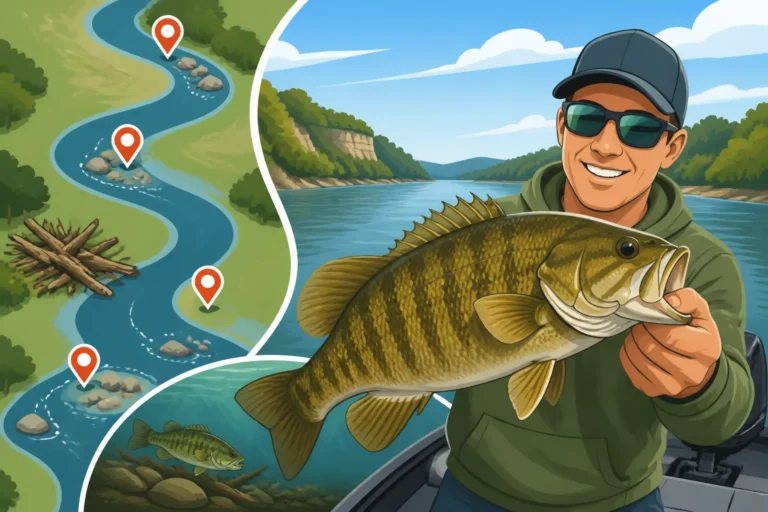
The Missouri River, with its ever-changing bottom and strong currents, forces fish to seek out specific structures for shelter, feeding, and spawning. Understanding these structures is key to locating fish. Wing dams are perhaps the most iconic feature, particularly from Sioux City south. These rock structures extend from the bank into the river channel, designed to narrow the flow and maintain the navigation channel. Fish love the current breaks created by wing dams, especially on the downstream side, where they can rest and ambush prey. Casting jigs, crankbaits, or even live bait along these current seams can be incredibly productive for walleye, sauger, and even catfish.
Scour holes are another critical structure. These are deep depressions carved out by the powerful current, often found on the downstream side of wing dams, bridge pilings, or sharp bends in the river. They provide important deep-water refuges for fish, especially during periods of high current or extreme temperatures. Catfish, especially big flatheads, are notorious for holding in these deep holes. Lastly, backwaters and sloughs, particularly prevalent in areas like Browns Lake or other oxbow lakes connected to the main channel, offer calmer, shallower waters. These areas warm up faster in spring and provide excellent habitat for crappie, bluegill, and even some largemouth bass, especially during flood stages when they might temporarily connect more directly to the main river. Knowing how to identify and fish these different structures will dramatically increase your success rate on the Missouri River.
Targeting the Missouri River's Prized Fish Species
The Missouri River's diverse ecosystem supports a wide array of fish, but certain species truly thrive in its unique environment. Focusing your efforts on these dominant species will lead to more consistent action.
Catfish: The River's Abundant Brawlers
Without a doubt, catfish are the kings of the Missouri River. Both channel catfish and flathead catfish are present in impressive numbers and sizes. Channel cats are plentiful throughout the river, often found in moderately flowing water, around logjams, and in deeper holes. They're opportunistic eaters, making them susceptible to a variety of baits, from stink bait and cut bait to worms and prepared baits. If you're wondering How to Catch Catfish in Iowa, the Missouri River is a fantastic classroom. Flatheads, on the other hand, are true river monsters, preferring live bait like bluegills, sunfish, or large shiners, and they tend to hold in the deepest, snaggiest cover, like massive logjams or undercut banks. Night fishing for flatheads can be particularly productive, as they become more active hunters in the dark. Many anglers even book guided trips, often through services like FishingBooker, to learn the nuances of landing these powerful fish from local experts.
Walleye and Sauger: Mastering the Current
While often associated with clearer lakes, walleye and their close cousin, the sauger, are highly sought-after game fish in the Missouri River. They thrive in the river's turbid waters and strong currents, often congregating around wing dams, rip-rap banks, and rocky points where current breaks provide ambush opportunities. Anglers targeting walleye and sauger often use jigs tipped with minnows or plastics, crankbaits, or bottom bouncers with crawler harnesses. The key is to present your bait near the bottom, where these fish prefer to feed, often directly in or just out of the main current. Understanding the subtle differences in their behavior and preferred holding depths is part of the fun. If you're looking for comprehensive tips on How to Catch Walleye in Iowa, applying river-specific tactics is essential here.
White Bass, Drum, and Other Action Species
Beyond the big three, the Missouri River offers excellent opportunities for other species that provide plenty of action. White bass are schooling fish known for their aggressive strikes, especially during their spring and fall runs. They often feed on schools of baitfish near the surface, making them a blast to catch on small spoons, jigs, or topwater lures when they're actively feeding. You can find detailed information about their movements in articles about White Bass Runs in Iowa Rivers. Freshwater drum, often called "river perch" or "sheepshead," are another abundant species that fight hard and readily take a variety of baits, particularly worms or jigs fished on the bottom. While often overlooked, they can provide consistent bending rods. Other species like northern pike, carp, and various sunfish species can also be found, particularly in calmer backwater areas, adding to the Missouri River's diverse angling appeal.
Essential Tips for a Successful and Safe Missouri River Border Adventure
Fishing the Missouri River requires a bit more preparation and respect for its power than many other waterways. Safety and proper gear are paramount for a successful and enjoyable trip.
Gearing Up for the Big River
When fishing the Missouri River, don't skimp on your gear. The strong currents and powerful fish demand heavier tackle. For catfish, medium-heavy to heavy action rods paired with robust baitcasting or spinning reels spooled with 20-50 lb test monofilament or braided line are a must. For walleye and sauger, medium-heavy spinning setups with 8-15 lb test line will offer enough backbone to handle the current and any fish you hook. You'll also need heavier sinkers (1-4 ounces is common) to keep your bait on the bottom in the swift current.
Boat selection is also important. While smaller boats can be used in calmer backwaters or close to shore, a sturdy jon boat or a V-hull boat with a powerful motor is highly recommended for navigating the main channel. Make sure your boat is equipped with a reliable anchor system, perhaps even two, given the river's strong pull. Consider checking out general advice in a guide like Best Boats for Iowa Fishing for ideas on suitable vessels. Don't forget an adequately sized landing net; those river cats and walleyes can be hefty!
Prioritizing Safety on Powerful Waters
The Missouri River is beautiful but unforgiving. Safety must always be your top priority. Always wear a life jacket, especially if you're in a smaller boat or fishing alone. The strong current can quickly sweep you away if you fall overboard. Carry all required Boat Safety Equipment for Iowa Waters, including throw cushions, sound-producing devices, and navigation lights if you're out before sunrise or after sunset.
Check the weather forecast meticulously before heading out. Sudden storms can whip up dangerous waves on the wide-open river. Also, be aware of commercial barge traffic; these vessels create enormous wakes and have limited maneuverability. Give them a wide berth. If you're bank fishing, be cautious of unstable banks and rapid water level changes. This river demands your respect, and fishing it safely ensures you'll be back for more adventures.
Planning Your Trip with Local Knowledge
One of the best ways to shorten the learning curve on the Missouri River is to tap into local knowledge. Visit a local bait and tackle shop in towns like Council Bluffs, Sioux City, or Onawa. The folks behind the counter often have invaluable, up-to-the-minute information on water levels, what's biting, and what baits are working best. They can also point you to current hotspots or recent stocking information.
Another fantastic option, especially for newcomers to the river, is to hire a fishing guide. A professional guide, many of whom can be found through platforms like FishingBooker, knows the river like the back of their hand. They can teach you the ropes, put you on fish, and ensure a safe and productive day. It's an investment that often pays dividends in knowledge and memories, helping you build confidence for future solo trips. Plus, it's a great way to learn about the often-changing river dynamics and get personalized tips on things like How Many Fishing Poles You Can Use in Iowa or specific rigging setups.
| Fish Species | Preferred Habitat | Common Baits/Lures | Best Season | Size Range (Iowa) |
|---|---|---|---|---|
| Channel Catfish | Deep holes, logjams, current breaks, tributaries | Cut bait, stink bait, worms, chicken liver | Spring, Summer, Fall | 1-20+ lbs |
| Flathead Catfish | Deep, snaggy cover, large logjams, undercut banks | Live bait (sunfish, shiners) | Summer, Early Fall | 10-70+ lbs |
| Walleye | Wing dams, rip-rap, rocky points, current seams | Jigs (minnows/plastics), crankbaits, bottom bouncers | Spring, Fall, Winter | 1-8 lbs |
| Sauger | Deeper channels, wing dams, similar to walleye but often deeper | Jigs (minnows/plastics), small crankbaits | Fall, Winter, Spring | 1-4 lbs |
| White Bass | Open water schools, current breaks, surface activity | Small spoons, jigs, spinnerbaits, topwater | Spring, Summer, Fall | 0.5-2 lbs |
| Freshwater Drum | Deep holes, current breaks, slower eddies | Worms, cut bait, jigs | Spring, Summer, Fall | 1-10 lbs |
Disclaimer
Fishing regulations can change. Always consult the official Iowa Department of Natural Resources (DNR) website or their current fishing regulations booklet before you head out on the water. This article is for informational purposes only and does not supersede state laws or regulations. Stay safe and happy fishing!