Best Fishing Backpack for Hiking to Remote Spots
There’s nothing quite like the dream of finding that untouched fishing spot in Iowa, tucked away from the crowds, where the fish are just waiting. But let's be real, getting to those remote gems often means leaving the car behind and lacing up your hiking boots. The challenge then becomes: how do you carry all your essential fishing gear comfortably and efficiently over uneven terrain? This comprehensive guide will help you navigate the world of fishing backpacks, ensuring you pick the perfect one to make your remote angling adventures a seamless reality.
Why a Specialized Fishing Backpack is Essential for Remote Iowa Spots
You might be thinking, "Can't I just use my old hiking backpack?" And while a regular hiking pack can work in a pinch, a specialized fishing backpack is designed with an angler's unique needs in mind. When you're trekking to a secluded trout stream in Northeast Iowa or a hidden farm pond, you’re not just carrying snacks and a water bottle; you’re hauling delicate rods, bulky tackle boxes, and maybe even a cooler. Trying to cram all that into a standard pack can lead to broken gear, uncomfortable journeys, and a whole lot of frustration.
Imagine a situation where you've hiked a good distance, sweat dripping, only to discover your favorite crankbait has snapped off its hook in a tangled mess at the bottom of your generic pack, or worse, your reel got dinged. It's a real bummer, and it can sour an otherwise perfect day. Fishing backpacks address these pain points with dedicated compartments, robust construction, and ergonomic designs that make the trek almost as enjoyable as the fishing itself. They transform the struggle of transport into a streamlined process, letting you focus on the anticipation of the catch.
The Challenges of Remote Access Fishing
Iowa offers incredible fishing, but some of the most rewarding spots aren't drive-up friendly. Think about the rugged paths leading to some of the smaller, less-frequented lakes or the winding, sometimes slippery trails along the Trout Fishing Streams in Northeast Iowa. These aren't flat, paved sidewalks. You're dealing with overgrown brush, muddy banks, slippery rocks, and potentially steep inclines. Your gear needs to be protected, accessible, and balanced on your back so you don't lose your footing.
A conventional backpack often lacks the organizational features needed for fishing gear. Your tackle might shift, your rod tip could get snagged on branches, and retrieving a specific lure could mean emptying half your bag on the ground. When you're out in the wild, you want to minimize fumbling and maximize your time casting. A good fishing backpack helps you maintain a steady stride and quick access to what you need, when you need it.
Protecting Your Valuable Gear on the Trail
Your fishing rods, reels, and tackle aren't cheap investments. Exposing them to the elements or the rough-and-tumble of a long hike without proper protection is a recipe for disaster. Specialized fishing backpacks often feature hard cases, padded compartments, and secure strapping systems designed to keep your equipment safe from bumps, scratches, and even light rain.
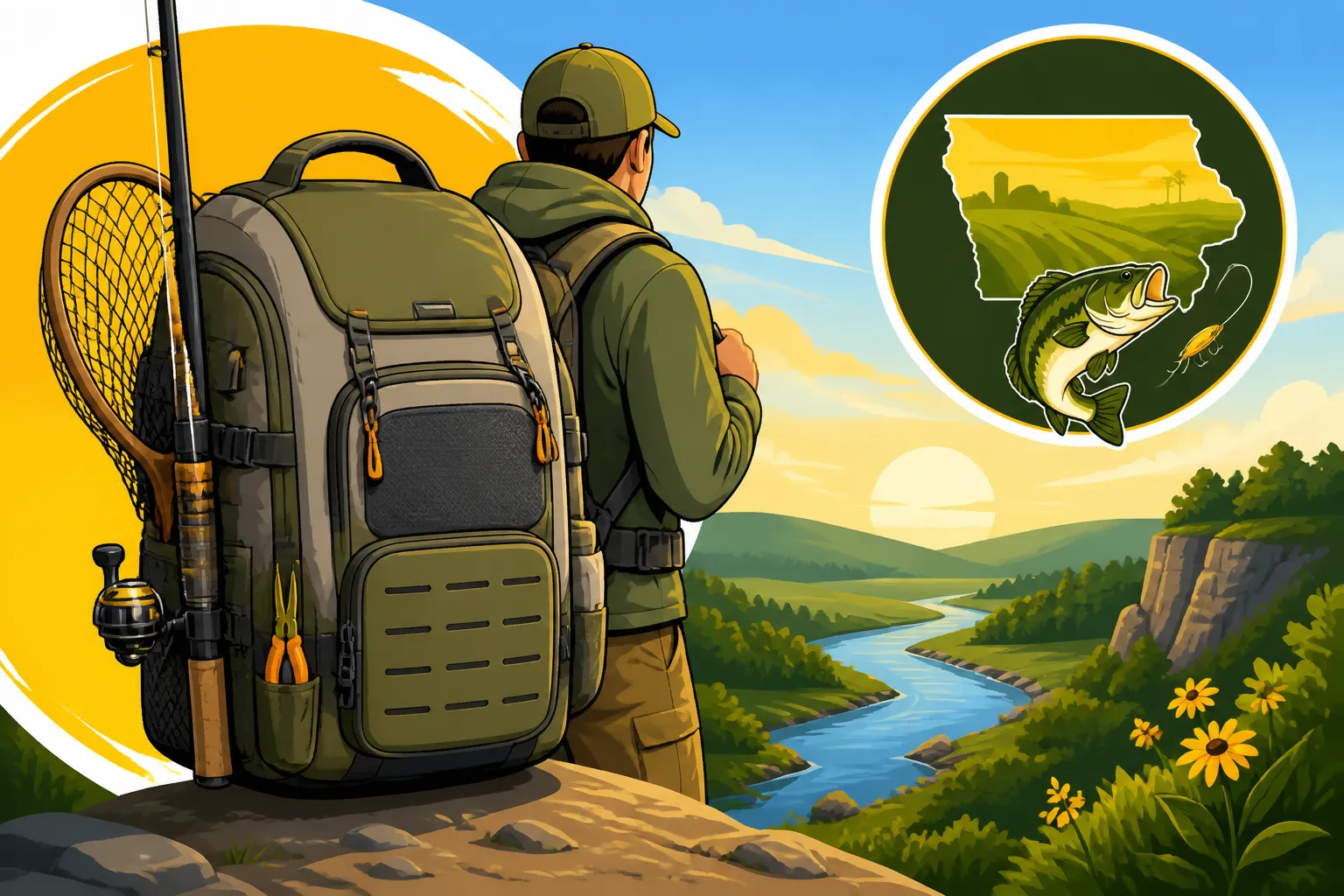
Consider that trek to a remote section of the Des Moines River Fishing in Iowa for smallmouth bass. You'll likely encounter areas where you have to bushwhack a bit. A fishing backpack designed for such conditions will have external rod holders that keep your rod secure and out of the way, preventing snags and breaks. Internal pockets are often sized to fit tackle boxes snugly, preventing them from bouncing around and spilling their contents. This thoughtful design means your gear arrives at your destination in pristine condition, ready for action.
Key Features to Look for in a Fishing Backpack
When you're sifting through options, it can feel overwhelming with all the different bells and whistles. However, focusing on a few core features will help you narrow down the best fishing backpack for your specific adventures in Iowa. Think about durability, capacity, comfort, and specialized fishing compartments.
Durability and Weather Resistance
The Iowa outdoors can be unpredictable. From unexpected rain showers to dusty trails and muddy banks, your backpack will face a variety of conditions. Look for materials like heavy-duty nylon or ripstop fabrics that can withstand abrasions and tears. A waterproof or highly water-resistant exterior is a game-changer. Many quality backpacks feature a DWR (Durable Water Repellent) coating or even an integrated rain cover.
Zippers are another critical component often overlooked. Opt for backpacks with robust, corrosion-resistant zippers, especially if you anticipate getting them wet or muddy. YKK zippers are a common sign of quality. Reinforced stitching at stress points, like shoulder strap attachments and major seams, will ensure your pack stands up to years of heavy use and miles on the trail. You're investing in something that needs to be as tough as your adventures, whether you're navigating the banks of the Mississippi or a small creek.
Capacity and Organization
This is where fishing backpacks truly shine. Unlike generic packs, they are designed with tackle, rods, and other angling essentials in mind.
| Feature | Description | Why it Matters for Remote Fishing |
|---|---|---|
| Main Compartment | Large storage area for bulkier items like extra layers, lunch, or a compact Best Cooler for Keeping Fish Fresh. | Holds essentials for a full day out, protects sensitive items. |
| Tackle Box Slots | Dedicated pockets or slots perfectly sized for standard tackle boxes (e.g., Plano 3600 or 3700 series). | Keeps tackle organized, easily accessible, and prevents crushing. |
| Rod Holders | External straps, sleeves, or loops for securing one or more fishing rods during the hike. | Frees your hands, protects rods from damage, and prevents snags. |
| Accessory Pockets | Smaller pockets for tools, lines, leaders, license, phone, and other small items. | Quick access to frequently used items; avoids rummaging. |
| Plier/Tool Sheath | Dedicated, easy-access sheath for pliers, line cutters, or other essential tools. | Safety and efficiency – no more digging for sharp tools. |
| Hydration Sleeve | Internal sleeve for a water bladder with a port for the drinking tube. | Essential for staying hydrated on long hikes, hands-free drinking. |
Consider how much gear you typically bring. If you're a minimalist, a smaller pack might suffice. If you carry multiple rods, different baits for various species, and a full day's worth of supplies, then a larger capacity with more specialized compartments is essential. Look for adjustable dividers or modular systems within the main compartment, which allow you to customize the space to your specific loadout. Best Tackle for Bank Fishing on Iowa Rivers often requires a good assortment, so ample, smart storage is key.
Comfort and Ergonomics for Hiking
Remember, you're hiking, not just strolling. A comfortable pack makes all the difference, especially when you're covering several miles of rugged terrain. Look for padded shoulder straps that are wide enough to distribute weight evenly and prevent digging into your shoulders. An adjustable sternum strap helps stabilize the load across your chest, while a padded hip belt transfers much of the weight from your shoulders to your hips, significantly reducing fatigue.
Ventilation is another crucial comfort factor, especially during Iowa's warm fishing seasons. A back panel with mesh or channels allows air to circulate between your back and the pack, preventing a sweaty, uncomfortable mess. Adjustable straps and load lifters allow you to fine-tune the fit, ensuring the pack rides snugly against your back without swaying, which can be dangerous on uneven ground. When you're trying to reach those hidden spots described in Best Fishing Spots in Iowa, comfort can make or break your trip.
Types of Fishing Backpacks for Different Needs
Just like there are different types of fishing, there are different types of fishing backpacks. Understanding the main categories will help you choose one that perfectly aligns with your angling style and the kind of remote spots you plan to explore.
Traditional Tackle Backpacks
These are the most common type of fishing backpack, designed primarily to carry a substantial amount of tackle. They typically feature a large main compartment with slots for multiple tackle trays (often included), along with various external pockets for tools, lines, and other accessories. Some even have a hard-molded bottom to keep the pack upright and protect contents from damp ground.
Who it's for: Anglers who carry a lot of lures, baits, and terminal tackle, and who primarily fish from shore or docks after a moderate hike. If your goal is to have every lure imaginable at your fingertips for targeting Walleye Fishing in Iowa or Largemouth Bass Fishing in Iowa, this is a solid choice. Brands like Bass Pro Shops often have a wide selection in this category, offering various sizes and configurations. They are excellent for organized storage but might not always be the most comfortable for extremely long hikes if not properly designed with good suspension.
Sling Packs
Sling packs are a hybrid design, worn over one shoulder and designed to be swung around to the front for quick access without taking the pack off. They are generally smaller than traditional backpacks but offer clever organization for essential items. Many feature multiple pockets, tool attachment points, and sometimes even a small rod holder.
Who it's for: The minimalist angler or those making shorter, quicker hikes. Sling packs are perfect for fly fishing on small streams where you need constant, easy access to flies and tippets, or for a quick bank fishing trip where you only need a few key lures. They keep the weight off both shoulders and allow for greater freedom of movement, which can be great if you're navigating dense brush or performing complex casts. However, their smaller capacity means they're not ideal for carrying multiple large tackle boxes or a full day's worth of supplies.
Backpack-Vest Hybrids
These innovative designs combine the carrying capacity and comfort of a small backpack with the organizational features of a fishing vest. They usually have a compact backpack section on the back for bulkier items, and a vest-like front with numerous pockets, tool attachment points, and often padded surfaces for working with flies or lures.
Who it's for: Anglers who want the best of both worlds – hands-free organization up front and decent carrying capacity in the back. These are particularly popular with fly anglers or those who frequently wade, as they keep essential tools and tackle readily available on the chest while the pack portion carries a water bladder, rain gear, or extra spools of line. This type of pack is excellent for those who are always on the move, fishing different stretches of a river and needing constant access to a variety of items. You might find these listed on sites like Amazon, with various manufacturers offering their take on the design.
Packing Your Fishing Backpack for Success
Once you have your ideal fishing backpack, knowing how to pack it efficiently is just as important as the pack itself. A well-packed bag feels lighter, keeps your gear safer, and makes your time on the water more productive.
Strategic Gear Placement
Think about weight distribution and accessibility. Heavy items should be placed closest to your back, near the middle of the pack, to maintain balance and reduce strain. Lighter, bulkier items (like extra clothing) can go at the top or bottom. Items you'll need frequently – your pliers, line cutters, leader material, and maybe a small box of go-to lures – should be in easily accessible external pockets or a sling pack's front compartment.
For delicate items like a camera or phone, use a dedicated, padded, and waterproof pouch. Many fishing backpacks will have a specific slot for a Best Waterproof Phone Case for Fishing. Rods, if carried externally, should be securely strapped down so they don't shift or get caught on vegetation. If you're bringing a spare reel, consider putting it in a reel cover for added protection within the main compartment.
Essential Items for Remote Fishing in Iowa
Beyond your rods, reels, and tackle, there are a few non-negotiable items you'll want in your fishing backpack when heading to remote Iowa locations:
- Water and Snacks: Hydration is key, especially on long hikes or hot summer days. A hydration bladder in a dedicated sleeve is often more comfortable than carrying multiple water bottles. Non-perishable snacks will keep your energy levels up.
- First-Aid Kit: Accidents happen, especially when navigating uneven terrain or handling sharp hooks. A small, well-stocked kit with bandages, antiseptic wipes, pain relievers, and any personal medications is crucial.
- Navigation Tools: A map, compass, or a fully charged GPS device (or smartphone with downloaded maps) is vital, especially if you're exploring new areas. Cell service can be spotty in some remote parts of Iowa.
- Multi-Tool/Knife: Indispensable for a variety of tasks, from cutting line to minor gear repairs.
- Sun Protection: Sunscreen, a wide-brimmed hat, and polarized sunglasses are essential to protect you from the sun's harsh rays. Do Polarized Sunglasses Really Help You See Fish? Absolutely, they cut glare and can help you spot fish or underwater structure.
- Insect Repellent: Iowa's mosquitoes and ticks can be relentless, especially near water or in wooded areas. Don't leave home without it.
- Rain Gear: Even on a sunny morning, a sudden Iowa thunderstorm can roll in. A lightweight, packable rain jacket and pants are smart to have.
- Headlamp or Flashlight: If you're staying out until dusk, or heading in before dawn, a Best Headlamp for Night Fishing is invaluable for hands-free visibility and safety.
- Fishing License and ID: Always carry your valid Iowa Fishing License Guide and some form of identification.
- Waste Bag: Pack it in, pack it out! A small bag for trash, including old fishing line, ensures you leave no trace.
Making Room for Specialty Gear
Depending on your target species or technique, you might need to make room for additional items. If you're planning on Ice Fishing in Iowa, for instance, your backpack would need to accommodate different gear entirely, likely including an ice auger, warmer clothing, and specific ice fishing tackle. However, even for open water, specialized items like a small camera for trophy shots, a fish gripper, or even a compact net might be part of your loadout.
Think ahead about what you're targeting. For example, if you're heading to a secluded Iowa Trout Fishing Streams in Northeast Iowa, you might want to bring specific fly boxes, waders, and a Best Fly Rod Setup for Trout. If you're targeting Channel Catfish Fishing in Iowa in a quiet river bend, you might need extra large sinkers and a sturdy bait container. A good fishing backpack will have flexible storage options or external attachment points to accommodate these varied needs. Remember, the goal is to carry what you need, not everything you own.
Maintaining Your Fishing Backpack
A good fishing backpack is an investment, and like any good piece of gear, it needs a little care to ensure it lasts for many seasons of adventure. Regular maintenance will keep it functional, extend its lifespan, and ensure it's ready for your next remote excursion.
Cleaning and Storage Tips
After a long day on the water, especially if you've encountered mud, sand, or fish slime, give your backpack a quick clean. Empty all contents, shake out any debris, and wipe down the exterior with a damp cloth. For more stubborn grime, a mild soap and water solution can be used, but avoid harsh chemicals that could damage waterproof coatings or fabric. Make sure to rinse thoroughly. Pay special attention to zippers, cleaning any grit out of the teeth to ensure they operate smoothly.
Always allow your backpack to air dry completely before storing it. Hanging it upside down can help drain any residual water. Storing a damp backpack is a sure way to encourage mold and mildew, which can ruin fabrics and create unpleasant odors. Store your backpack in a cool, dry place away from direct sunlight, which can degrade fabrics over time.
Repairing Minor Wear and Tear
Even the most durable backpacks will eventually show signs of wear. Don't wait for a small tear to become a big problem. Small holes or rips can often be repaired with a fabric repair kit or tenacious tape, which is great for patching up ripstop nylon. Loose threads can be carefully trimmed and, if necessary, dabbed with a bit of fabric glue to prevent further unraveling.
Zipper issues are common, but often fixable. A little silicone spray can help sticky zippers glide better. If a zipper pull breaks, they are usually easy and inexpensive to replace. Taking care of these minor issues promptly will prevent them from escalating and compromising the integrity of your pack, ensuring it remains your trusted companion for all your remote Iowa fishing adventures.
Choosing the right fishing backpack for hiking to those remote, untouched fishing spots in Iowa is about more than just carrying your gear. It's about comfort, protection, efficiency, and ultimately, enhancing your entire outdoor experience. By considering durability, thoughtful organization, and ergonomic design, you'll find a pack that not only carries your essentials but also empowers you to explore more, fish longer, and truly connect with the wild beauty of Iowa's waters.
Disclaimer
This article is for general informational purposes only and does not constitute professional advice. Laws, prices and regulations vary by location and change over time. Consult a qualified professional for guidance on your specific situation.