Best Headlamp for Night Fishing
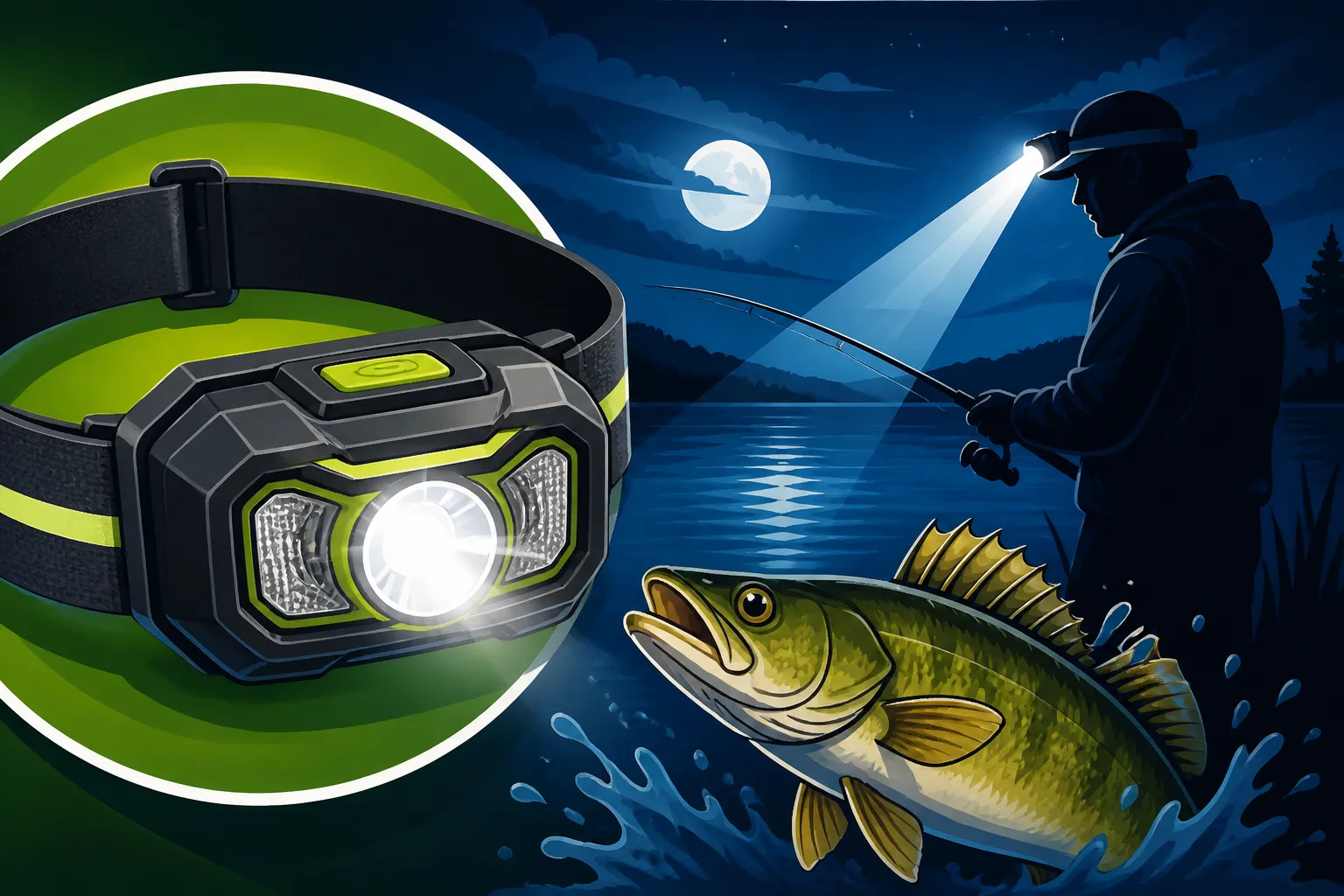
There's nothing quite like the tranquility of night fishing on an Iowa lake or river. The sounds are different, the air is cooler, and often, the fish are biting in a way they wouldn't during the heat of the day. But let's be honest, trying to fish in pitch black can be an absolute nightmare. Fumbling with tackle, tripping over your gear, or struggling to unhook a fish you can barely see can quickly turn a peaceful outing into a frustrating ordeal. That's exactly why having the best headlamp for night fishing isn't just a convenience; it's an absolute necessity for anyone venturing out after dark. This guide will walk you through everything you need to know to choose the perfect headlamp, ensuring your nocturnal angling adventures are safe, successful, and stress-free.
Why a Headlamp is Essential for Iowa Night Fishing
When the sun dips below the horizon, Iowa's beautiful fishing spots transform, and while the quiet can be magical, it also brings significant challenges. Navigating, rigging, and handling fish in low light conditions can be surprisingly difficult and even dangerous without proper illumination. A reliable headlamp becomes your third hand, providing crucial light exactly where you need it, hands-free.
Navigating the Darkness Safely
One of the biggest concerns when fishing at night, especially in unfamiliar territory, is safety. Whether you're carefully walking along a rocky riverbank, making your way down a steep path to a secluded pond, or simply moving around your boat, the risks of slips, trips, and falls are dramatically increased. A good headlamp casts a clear beam, illuminating uneven ground, submerged roots, or slippery mud that would otherwise be hidden in shadow.
Imagine you're trying to launch your boat before dawn at Big Creek Lake, or perhaps finding a prime spot along the Des Moines River. Without adequate light, every step is a gamble. You could easily twist an ankle, drop valuable gear into the water, or even bump into something sharp. A headlamp gives you that critical visual information, allowing you to move with confidence and avoid potential hazards. It's not just about seeing the path right in front of you; it's about being aware of your surroundings, from overhanging branches to the edge of the dock, ensuring you get to and from your fishing spot without incident.
Tying Knots and Rigging Bait
Let's talk about the fiddly bits of fishing. Tying a perfect Palomar knot, threading a lively minnow onto a hook, or changing out a lure requires precision. Trying to do this in the dark, using the weak glow of a phone screen held awkwardly in your mouth or under your chin, is an exercise in frustration that most night anglers know all too well. It's often the quickest way to end up with a tangled mess or a poorly tied knot that will inevitably fail when you hook that trophy fish.
With a headlamp, both your hands are free to work on your tackle. You can clearly see the eye of your hook, the fine strands of your fishing line, and the small details of your bait. This means you can tie stronger knots, rig your bait more effectively, and switch lures quickly without losing precious fishing time. Whether you're fumbling with a delicate Crappie Jig Fishing Techniques or trying to get a big chunk of Catfish Bait Guide for Iowa Anglers on your hook, a headlamp makes the process smooth and efficient, keeping your focus on the fishing, not the fumbling.
Handling Your Catch
The moment you've been waiting for – a fish is on the line! But once you've reeled it in, what happens next? You need to carefully unhook it, measure it (if applicable, based on Iowa Fishing Daily Bag Limits Guide), decide whether to keep it or release it, and then handle it safely. Doing this in the dark is challenging, especially with a lively fish. You risk getting finned, poked by sharp teeth, or losing the fish back into the water before you've had a chance to admire your catch.
A headlamp illuminates your working area, making it easier to see what you're doing. This is particularly important for delicate species like trout, where careful handling is crucial for a successful release. You can quickly locate your pliers, understand how the hook is set, and minimize stress on the fish. For those keeping their catch, a headlamp helps you see if it meets length requirements and allows for proper placement on a stringer or in a cooler, ensuring it stays fresh. Plus, it just makes the whole experience more enjoyable when you can actually see the fish you worked so hard to catch!
Key Features to Look For in a Night Fishing Headlamp
Not all headlamps are created equal, especially when it comes to the demands of night fishing. There are several key features that can make or break your experience on the water. Prioritizing these will ensure you pick a tool that truly enhances your angling, rather than just providing a dim glow.
Brightness and Beam Type
When we talk about brightness, we're talking about lumens. More lumens generally mean a brighter light, but it's not always about cranking it up to the max. Sometimes, too much light can be detrimental, reflecting harshly off the water or spooking fish. A good fishing headlamp will offer multiple brightness settings, allowing you to adjust the output to suit the situation. For navigating to your spot, a higher lumen count (say, 200-500 lumens) might be useful, giving you a broad view of the terrain. For tying knots or re-baiting, a lower setting is usually sufficient.
Beyond pure brightness, consider the beam type. Many headlamps offer a combination of flood and spot beams, or even adjustable focus. A "spot" beam is a concentrated, narrow light that shines a long distance, great for scanning the water's surface for activity or looking across a wide expanse like Fishing the Iowa Great Lakes. A "flood" beam, on the other hand, provides a wider, more diffused light, perfect for illuminating your immediate workspace – your tackle box, your hands, or the area right around your feet. The best headlamps for fishing often allow you to switch between these modes or even use them simultaneously, giving you ultimate versatility in any night fishing scenario.
Red Light Mode
This feature is an absolute game-changer for night anglers and one that you should prioritize. White light, especially bright white light, can decimate your natural night vision, making it hard to see anything once you turn the light off. It also tends to spook fish, as they can perceive it as a threat. Red light, however, has a much lower impact on your eyes' adaptation to darkness.
Using a red light mode allows you to see enough to tie a knot or retrieve an item from your tackle box without compromising your ability to see distant shorelines, observe subtle moonlit ripples on the water, or spot the faint glow of a bobber. Many fish species are also less reactive to red light, meaning you can often use it without sending them scattering. This is especially useful if you're trying to approach a Best Fishing Spots in Iowa quietly or don't want to alert nearby fish to your presence. A dedicated red light mode is a clear sign that a headlamp is designed with serious outdoor enthusiasts in mind.
Water Resistance and Durability
Let's face it, fishing in Iowa often means dealing with unpredictable weather, splash, and the occasional dunk in the drink. Your headlamp needs to be able to handle it. Look for an IPX rating, which indicates its resistance to water and dust. An IPX4 rating means it can withstand splashes from any direction, which is generally good enough for light rain or splashes in a boat. An IPX7 rating means it can be submerged in up to 1 meter of water for 30 minutes, offering peace of mind if it accidentally goes overboard or if you're caught in a downpour.
Beyond water resistance, consider the overall build quality. Fishing gear takes a beating, and a flimsy plastic headlamp isn't going to last through many seasons. Look for robust construction, impact resistance, and quality materials. Adjustable straps should be comfortable and durable, able to hold up to sweat and repeated adjustments. You want a headlamp that feels solid and well-made, ready to endure the knocks and bumps of an active fishing trip, whether you're bank fishing on the Mississippi River or wading a trout stream.
Battery Life and Power Source
Running out of light in the middle of a night fishing session is a truly miserable experience. Pay close attention to the advertised battery life, understanding that these figures are usually based on the lowest brightness settings. Always factor in that you'll be using brighter modes periodically. Many headlamps use standard AAA or AA batteries, which are easy to find and swap out. However, rechargeable lithium-ion batteries are becoming increasingly popular. These often offer better performance in cold weather and can be more economical in the long run.
Some higher-end models feature a separate battery pack, often worn on the back of the head, which can provide extended run times. Look for headlamps with a battery indicator, so you're never caught by surprise. If you opt for rechargeable, consider models that can be charged via USB, as this offers flexibility with power banks or car chargers. For disposable battery users, always pack spare batteries, especially for longer outings or when fishing in colder temperatures, as cold can reduce battery performance. Knowing how long your Best Headlamp Brightness for Night Fishing will last is key to a successful trip.
Types of Headlamps Best Suited for Anglers
Just like there are different rods for different types of fishing, there are different headlamps designed to meet various angling needs and preferences. Understanding these categories can help you narrow down your choices to find the perfect fit for your personal style of night fishing.
Compact, Lightweight Models
For many anglers, especially those who like to keep their gear minimal or embark on long hikes to remote fishing spots, a compact and lightweight headlamp is ideal. These models are designed for comfort during extended wear, often weighing just a few ounces. They might not boast the highest lumen counts or the longest beam distances, but they excel in providing sufficient light for close-up tasks like tying knots, handling fish, or reading a map.
These headlamps typically run on a couple of AAA batteries or a small rechargeable pack, offering a good balance of brightness and respectable battery life on lower settings. They often feature a simple interface, making them easy to operate with cold or wet hands. Anglers who primarily fish from a kayak or canoe, or those who prefer to explore numerous small ponds and streams, will appreciate the unobtrusive nature of these headlamps. They disappear on your head, making you forget you're even wearing them until you need that quick burst of light. Many reliable models can be found from brands on Amazon or even at the more modest end of the spectrum at a local Bass Pro Shops.
High-Power, Feature-Rich Options
If you're a serious night angler who demands maximum visibility, versatility, and durability, then a high-power, feature-rich headlamp is likely what you need. These are the workhorses of the night fishing world, often boasting impressive lumen outputs (500+ lumens), longer beam distances, and a wider array of beam patterns and settings. They might come with more robust construction, higher IPX ratings, and advanced battery management systems.
These headlamps are often equipped with larger, rechargeable battery packs, sometimes even external ones, to support their power hungry LEDs. Features like adjustable focus, multiple color modes (red, green, blue), and even reactive lighting that adjusts brightness automatically based on ambient light can be found in this category. They are perfect for anglers who fish large bodies of water like Fishing Coralville Reservoir in Iowa, need to identify distant landmarks, or frequently operate a boat at night. While heavier and often more expensive, their performance and reliability can be invaluable when conditions are challenging. These are the kind of top-tier gear pieces you might research in depth online before heading to a specialist retailer.
Budget-Friendly Choices
Let's be real, not everyone needs or wants to spend a fortune on a headlamp, especially if night fishing is an occasional hobby. The good news is that advancements in LED technology have made decent, reliable headlamps accessible at very reasonable prices. You can absolutely find a headlamp that meets your basic night fishing needs without breaking the bank. These budget-friendly options will typically offer sufficient brightness for close-up tasks, usually including a red light mode, and decent water resistance (IPX4 is common).
When looking at more affordable options, you might sacrifice a bit on maximum lumen output, the most rugged durability, or the longest battery life compared to premium models. However, for many anglers, these trade-offs are perfectly acceptable. The key is to check reviews and focus on models from reputable brands that still offer essential features. You can often find fantastic deals on Amazon or by checking the sale racks at Bass Pro Shops for entry-level models that are more than capable for most casual night fishing trips. Remember to prioritize the red light function and a reasonable level of water resistance, as these are critical for any night angler.
Practical Tips for Using Your Headlamp on Iowa Waters
Having the best headlamp is only half the battle; knowing how to use it effectively on Iowa's diverse waterways is the other. Strategic use can greatly enhance your night fishing experience, making it safer and more productive, while also showing consideration for other anglers around you.
Maximizing Battery Life
No one wants their light to die midway through a prime night bite. To get the most out of your headlamp's battery, be mindful of your brightness settings. Use the lowest setting that allows you to comfortably see for the task at hand. Often, a dim floodlight or the red light mode is perfectly adequate for tying knots or handling a fish, saving those higher lumen settings for when you truly need to scan the water or navigate rough terrain.
It's also a good practice to carry spare batteries, whether they are fresh disposables or a fully charged power bank for your rechargeable unit. In colder temperatures, batteries drain faster, so keep spare batteries in an inside pocket close to your body heat to preserve their charge. Turning off your headlamp completely when not in use, even for short periods, also helps conserve power. Think of it like conserving fuel in your boat; every bit of careful management extends your time on the water.
Maintaining Night Vision
The red light feature isn't just a nice-to-have; it's fundamental for preserving your natural night vision. White light, especially bright white light, causes your pupils to constrict and your eyes to lose their adaptation to darkness almost instantly. This means that every time you blast a bright white light, it takes several minutes for your eyes to fully readjust, leaving you effectively blind to the subtle details of the night around you.
Whenever possible, use the red light mode for tasks that require close-up illumination. This allows you to work on your tackle, check your phone, or look in your cooler without losing your ability to spot faint shadows on the water or observe the movement of other boats. Save the white light for navigation or when you absolutely need maximum clarity. Practicing this discipline will keep you more attuned to your nocturnal surroundings and give you an edge in spotting those elusive night biters. You can also learn more about Night Fishing Rules for Anglers in Iowa.
Headlamp Etiquette
Fishing can be a solitary pursuit, but often, especially at popular spots like Fishing the Iowa Great Lakes or specific river access points, you'll encounter other anglers. Just as you wouldn't blast loud music at 2 AM, considerate headlamp use is crucial for maintaining a good atmosphere. Blinding another angler with your bright white beam is disruptive and can be frustrating.
Always be mindful of where your light is pointing. If another angler is nearby, try to turn your head away from them when using white light, or better yet, switch to red light. Announcing your presence if you're approaching someone's spot from the dark is also a good practice. A quick "Mind if I walk by?" or "Just getting set up over here!" can prevent misunderstandings. Think of your headlamp as a tool for your visibility, not a beacon to illuminate the entire area or inadvertently disrupt someone else's carefully adapted night vision. Being courteous ensures everyone can enjoy the peace and quiet of night fishing.
Recommended Headlamp Brands and Where to Buy
When you're out there in the dark, you need gear you can trust. Over the years, certain brands have earned a stellar reputation for producing reliable, angler-friendly headlamps. Knowing which ones to look for, and where to find them, can save you a lot of time and potential frustration.
Popular Choices for Anglers
Many brands consistently come up as favorites among the fishing community due to their combination of brightness, battery life, durability, and essential features like red light modes. Brands like Petzl, Black Diamond, Fenix, and Coast are often mentioned for their quality and innovation.
- Petzl: Known for their ergonomic designs and reliable performance, Petzl offers a range of headlamps from lightweight, compact models perfect for minimalist anglers to more powerful, feature-rich options. Their headlamps often boast excellent battery life and user-friendly interfaces, making them a solid choice for any night angler.
- Black Diamond: Another favorite, Black Diamond headlamps are praised for their robust construction, intuitive controls, and impressive brightness-to-weight ratio. They often incorporate features like PowerTap technology for instant brightness adjustments and multiple beam patterns, catering to diverse fishing needs, whether you're fly fishing a trout stream or casting for walleye from shore.
- Fenix: If maximum lumens and extreme durability are your priorities, Fenix headlamps are worth considering. They often offer very high brightness outputs and rugged, waterproof designs, making them ideal for the most demanding night fishing conditions or for those who truly need to pierce the darkness across large areas.
- Coast: Coast headlamps are often favored for their excellent value, focusing on practical features like adjustable beam focus (spot to flood) and solid water resistance. They provide a lot of bang for your buck and are a great option for anglers looking for a reliable, no-frills workhorse.
Shopping for Your Headlamp
Once you have an idea of the features you need and some brands to consider, where should you actually make your purchase? Both online retailers and physical stores offer distinct advantages.
Online platforms like Amazon provide an unparalleled selection, often with competitive pricing and countless customer reviews. You can easily compare specifications, read real-world feedback from other anglers, and have the headlamp delivered right to your door. This is great for research and for finding specific models or hard-to-find features. Just be sure to check the seller's reputation and return policy.
For a more hands-on approach, sporting goods stores like Bass Pro Shops or your local outdoor outfitter are fantastic options. Here, you can actually try on different headlamps, feel their weight, test the straps, and play with the various light modes. A knowledgeable sales associate might also be able to offer personalized recommendations based on your specific fishing habits in Iowa. While prices might be slightly higher than online, the ability to physically inspect the product and get expert advice can be invaluable, ensuring you walk out with the perfect headlamp for your night fishing adventures.
No matter where you choose to buy, remember to prioritize those key features like red light mode, water resistance, appropriate brightness levels, and sufficient battery life to ensure your headlamp truly enhances your time on the water.
Comparing Popular Headlamp Features for Anglers
To help you quickly compare some of the common features we've discussed, here's a handy table that breaks down what to look for when choosing your next headlamp for night fishing in Iowa.
| Feature | Description | Why It Matters for Fishing | Considerations |
|---|---|---|---|
| Brightness (Lumens) | Measures light output. Ranges from ~50 to 1000+ lumens. | Illuminates paths, water, tackle. Higher for navigation, lower for close work. | Adjustable settings are key; avoid over-illumination. |
| Beam Type | Spot (narrow, long-distance) vs. Flood (wide, diffused) | Spot for scanning distant water; Flood for hands-on tasks. | Headlamps with both or adjustable focus offer versatility. |
| Red Light Mode | Emits a red beam instead of white. | Preserves night vision, less likely to spook fish. Critical for stealth. | Essential feature; should be easily accessible without cycling through white light. |
| Water Resistance (IPX) | Ingress Protection rating (e.g., IPX4 = splash-proof, IPX7 = submersible). | Protects against rain, splashes, accidental drops in water. | IPX4 minimum for fishing; IPX7 offers maximum peace of mind. |
| Battery Life | How long the light lasts on various settings. | Ensures light for your entire trip, prevents being stranded in dark. | Check runtimes for actual usable brightness. Carry spares or a power bank. |
| Power Source | Disposable (AAA/AA) vs. Rechargeable (Li-ion). | Affects cost, convenience, cold weather performance. | Rechargeable often better in cold; disposables are easy to swap. |
| Weight | Overall mass of the headlamp. | Comfort during long periods of wear, especially on active trips. | Lighter for extended wear; heavier models might have more features/power. |
| Durability | Materials and construction quality. | Withstands drops, bumps, and rugged outdoor use. | Look for robust plastic or aluminum, impact resistance. |
Disclaimer
This article is for general informational purposes only and does not constitute professional advice. Laws, prices and regulations vary by location and change over time. Consult a qualified professional for guidance on your specific situation.