Does Rain Improve Catfish Fishing?
There’s nothing quite like a good rain to make you question your fishing plans, right? One minute you’re ready to hit the water, the next you’re watching the sky open up and wondering if it’s even worth it. For many Iowa anglers, the age-old question pops up: does rain actually make catfish fishing better, or is it just a soggy myth? This guide will dive deep into how different types of rain affect catfish behavior and give you the real scoop on when to grab your gear and when to perhaps tie new knots on the dry porch.
The Truth About Rain and Catfish Activity
It's a common belief among seasoned anglers that a good rain, or the aftermath of one, can spark an incredible catfish bite. And largely, that belief holds water – pun intended! However, it’s not quite as simple as "rain = more fish." The type, intensity, and duration of the rain, along with the specific body of water you’re fishing, all play a huge role in whether you'll be hauling in whiskered beauties or just getting soaked for nothing.
The Initial Rush: Rain's Immediate Impact
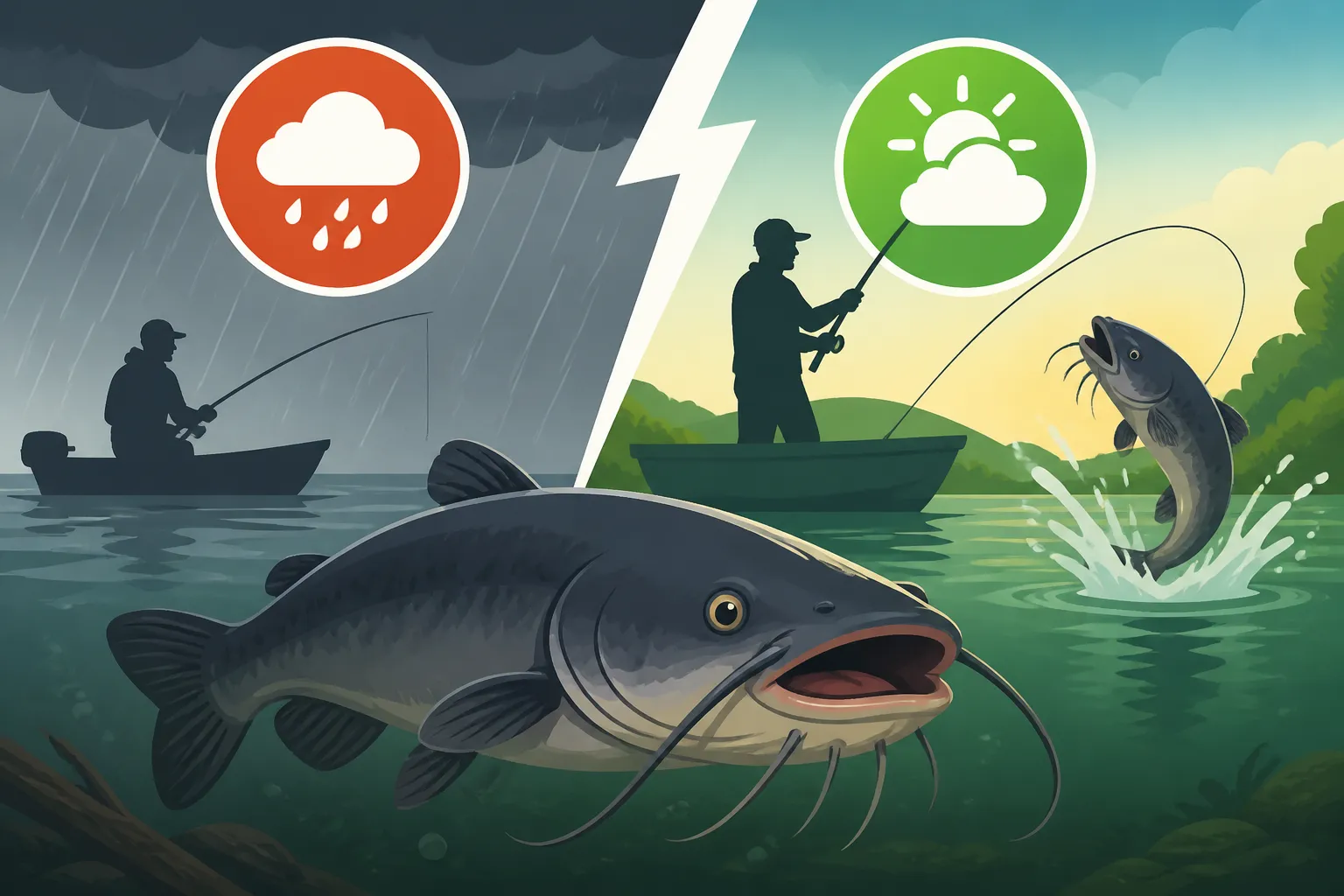
When a gentle, steady rain begins to fall, especially after a period of dry, warm weather, it can indeed kickstart a flurry of catfish activity. Think of it like a subtle alarm clock for the fish. The rain breaks up the surface tension, oxygenates the water, and often cools it down just a touch. These small changes can make sluggish catfish more active and willing to feed. They might move closer to the banks or into shallower areas where baitfish are stirred up.
However, if it’s a sudden, heavy downpour, the initial rush might be a different story. Catfish, being bottom dwellers and generally less sight-dependent than other species, aren't as bothered by surface commotion as, say, a skittish walleye. But a deluge can rapidly muddy up clear waters, reducing visibility to almost zero. While catfish primarily use their incredible sense of smell and touch, extreme turbidity can still make them hunker down and wait for things to settle. So, that first hour of a heavy storm? It might be a bust.
The Post-Rain Bonanza: When the Bite Really Turns On
Often, the real magic happens after the rain. This is when conditions tend to align perfectly for an explosive catfish bite. As the rain subsides and the water levels stabilize, all the good stuff that was washed into the water — worms, insects, organic debris — starts to settle and become accessible. This influx of fresh food creates a buffet for hungry catfish. Moreover, the renewed water flow, especially in rivers and streams, carries scent trails further, making it easier for catfish to locate your bait.
Many anglers swear by fishing creek mouths and feeder streams immediately following a significant rain event. These are prime zones where new nutrients and stirred-up food sources are concentrated. The water might still be a bit cloudy, but the smell factor is through the roof, and that's exactly what a catfish loves. This is also a fantastic time to target areas where runoff enters larger lakes or reservoirs, as these spots will be magnets for hungry fish.
When Rain Doesn't Help: Too Much of a Good Thing
Just like with anything in life, there can be too much of a good thing. While some rain can improve catfish fishing, excessive or prolonged heavy rainfall can actually shut down the bite. If an area gets hit with several days of torrential rain, rivers can swell beyond their banks, creating powerful currents and extreme turbidity. In these conditions, even resilient catfish might find it difficult to hold their position or navigate effectively. The water can become oversaturated with sediment, and oxygen levels can fluctuate wildly, stressing the fish.
Think about a river like the Des Moines River when it’s overflowing its banks. The current is raging, the water looks like chocolate milk, and debris is floating everywhere. Trying to present a bait effectively in these conditions is incredibly challenging, and the fish are often hunkered down, waiting for calmer, more stable environments. So, while a gentle rain can be a boon, a full-blown flood scenario usually means it's time to put the rods away and wait for conditions to improve.
Why Catfish React to Rainy Weather
Understanding why rain affects catfish behavior can give you a significant advantage on the water. It’s not just random; there are several biological and environmental factors at play that make catfish either more or less active depending on the conditions.
Water Flow and Food Availability
One of the biggest reasons rain influences catfish fishing is the change in water flow and the subsequent increase in food availability. When rain washes over the land, it carries all sorts of delectable treats into the water: worms, grubs, insects, and other organic matter from fields and shorelines. Catfish are opportunistic scavengers, and they have an incredible sense of smell, making them perfectly equipped to sniff out this newly introduced food.
In rivers, this means a surge of nutrients along the banks and at the mouths of feeder creeks. In lakes and reservoirs, rain causes runoff that brings food sources into specific areas. This can draw catfish out of deeper holes and into shallower, more accessible feeding grounds. You can find detailed information on Catfish Bait Guide for Iowa Anglers which will help you choose the right offerings for these feeding frenzies. The increased flow also helps disperse the scent of your bait, turning your offering into an irresistible beacon for hungry channel cats or flatheads.
Temperature and Oxygen Levels
Rain, especially summer rain, can significantly impact water temperature and oxygen levels, which are critical for fish metabolism and activity. During hot Iowa summers, shallow waters can become quite warm, leading to lower dissolved oxygen levels. A summer shower can cool the surface water, allowing more oxygen to dissolve and circulate throughout the water column. This infusion of cooler, oxygenated water can invigorate sluggish catfish, making them more active and keen to feed.
Catfish are generally quite tolerant of a range of water conditions, but they thrive when conditions are comfortable. A gentle cool-down and a boost in oxygen often translate to a happier, hungrier fish. However, extremely cold rain falling into already cold water, like in late fall, might have the opposite effect, making fish even more lethargic. Knowing how different seasons impact fish activity is key, and our guide on Iowa Fishing Seasons Explained can offer more insights into this.
Cover and Reduced Light
Catfish, particularly flatheads and larger channel catfish, can be quite wary, especially in clear water during bright daylight. Rain often brings with it cloudy skies, which reduce light penetration into the water. This dimming effect provides a sense of cover and security for catfish, making them more comfortable moving into shallower areas to feed during the day.
The stirred-up, muddy water that often accompanies rain also acts as a natural camouflage. It reduces visibility for predators and makes the catfish themselves feel less exposed. This is why some of the best catfish bites can happen in what looks like "dirty" water to us. It’s an ideal situation for a fish that relies so heavily on its other senses. This can be particularly true on bigger systems like the Mississippi, where Summer Catfish Techniques on the Mississippi River often involve dealing with varying water clarity.
Practical Tips for Fishing in and After the Rain
So, you've checked the forecast, seen some rain, and decided to embrace it. Good for you! Now, let's talk about how to make the most of those wet conditions to put some catfish in your cooler.
Gear Up for Success: Staying Comfortable and Safe
The first rule of fishing in the rain is to stay comfortable and safe. Being soaked to the bone will quickly ruin your enthusiasm, no matter how good the bite is. Invest in quality rain gear: a waterproof jacket and pants are essential. Look for breathable options so you don't sweat too much underneath. A wide-brimmed hat can keep rain off your face, and waterproof boots are a must, especially if you’re bank fishing in muddy conditions. Many excellent options for durable rain suits can be found on Amazon.
Safety is paramount. Wet surfaces can be incredibly slippery, so always watch your footing on docks, boat ramps, and muddy banks. If you're fishing from a boat, ensure all your Required Safety Equipment for Iowa Boats is easily accessible, especially life jackets. Keep an eye on weather radar for lightning, and don't hesitate to seek shelter if a thunderstorm rolls in. No fish is worth risking your safety.
Bait and Presentation Adjustments
When the water is stained or muddy from rain, visibility is low, meaning catfish will rely almost entirely on their sense of smell to find your bait. This is the time to really lean into stink baits, cut bait, and other powerfully scented options.
- Stink Baits: These are classic for a reason. Their strong odor travels far in murky water.
- Cut Bait: Freshly cut pieces of shad, skipjack, or even bluegill bleed scent into the water. The oilier, the better.
- Worms: Earthworms and nightcrawlers, naturally washed into the water by rain, are always a good bet, especially after a storm.
Consider a larger bait offering than usual, too. A bigger piece of cut bait creates a stronger scent trail and presents a more substantial meal for fish moving around actively. When it comes to presentation, keep it simple. A standard Carolina rig or a simple slip-sinker rig with a short leader will keep your bait on the bottom where catfish are likely to be scavenging. The current might be stronger after rain, so you might need heavier Best Sinker Weight for Iowa River Fishing to hold your bait in place.
Prime Locations During and After Rain
Knowing where to cast your line is just as important as what you're casting. Here are some prime spots to target:
- Creek and River Mouths: This is perhaps the most famous post-rain hotspot. As smaller tributaries dump into larger bodies of water, they bring food, turbidity, and often slightly cooler, more oxygenated water. Catfish will congregate here, waiting for an easy meal.
- Runoff Areas on Lakes/Reservoirs: Similar to creek mouths, any area where rainwater is flowing into a lake or reservoir can be a hotspot. Look for ditches, culverts, or even gradual slopes where runoff carries nutrients.
- Shallow Flats and Edges: When the water is murky, catfish often feel safer moving into shallower water to feed. Focus on flats adjacent to deeper channels or ledges, especially those with some cover like submerged timber or brush piles. Our guide on Channel Catfish Habitat in Iowa can give you insights into where these fish like to hide.
- Wing Dams and Current Breaks: In river systems, rain often means increased current. Catfish will tuck into current breaks behind wing dams, submerged logs, or large rocks to conserve energy while still being in a prime position to ambush food washing downstream. Understanding Jigging Techniques for River Walleye can also sometimes translate to catfish holding in similar current breaks.
- Deep Holes and Eddies (after heavy rain): If the rain has been exceptionally heavy and the current is raging, catfish might retreat to the deepest, slowest parts of the river – deep holes or large eddies – to get out of the main flow. You might need to adjust your approach to reach these fish, perhaps by drift fishing or employing heavier weights to get to the bottom.
Different Types of Rain, Different Outcomes
It's crucial to understand that not all rain is created equal in the eyes of a catfish. The type of rainfall can dramatically change how fish react and where you should focus your efforts.
Gentle Drizzles vs. Thunderous Downpours
A gentle, steady drizzle often provides the most consistent boost to catfish activity. This type of rain gently stirs the surface, adding oxygen without causing rapid, disruptive changes to water levels or clarity. It can also dislodge insects from overhead vegetation, creating an easy meal. In these conditions, catfish might become more active in their usual haunts, and you don't necessarily need to drastically change your approach. You might find success fishing for How to Catch Catfish from the Bank in these conditions, even if you’re just wetting a line from shore.
On the other hand, a thunderous downpour is a different beast entirely. The initial shock of heavy rain can scatter fish, and the rapid influx of water can quickly turn clear water into a muddy torrent. While this can lead to a great bite once the storm passes and things settle, fishing during a severe thunderstorm is generally not advised, both for safety reasons and because the fishing itself might be very tough. The fish might be overwhelmed by the rapid changes.
Long, Steady Rains vs. Pop-Up Showers
A long, steady rain event, especially one that lasts for several hours or even a day, can create sustained beneficial conditions for catfish. As the rain continues, more food is washed in, and the entire ecosystem gets a thorough "rinse." This prolonged period of activity means catfish can stay on the feed for an extended time. The water will likely be stained, and currents will be elevated, keeping the catfish well-hidden and feeding aggressively. This is when fishing those creek mouths and runoff points can really pay off for hours.
Pop-up showers, while less dramatic, can still have a positive effect. A quick, intense burst of rain followed by sunshine might only stimulate a short feeding window. However, it’s often enough to wash a fresh batch of food into the water and give the fish a brief burst of energy. If you're out fishing and a quick shower passes, don't pack up immediately. Give it 30 minutes to an hour after the rain stops; you might just hit that sweet spot when the catfish decide it's time to eat.
To summarize the impact of different rain conditions, here's a quick reference:
| Rain Type | Immediate Impact on Catfish | Post-Rain Impact | Recommended Strategy | Essential Gear |
|---|---|---|---|---|
| Light Drizzle | Mildly increased activity | Sustained light feeding | Fish usual spots, focus on scent bait | Light rain jacket, comfortable boots |
| Moderate Shower | Increased activity | Strong feeding surge | Target creek mouths, runoff, current breaks | Full rain suit (jacket & pants), waterproof boots, scent baits like cut shad. Check Amazon for reliable options. |
| Heavy Downpour | Temporary slowdown | Explosive post-rain bite | Wait for rain to subside, then target high-flow areas | Heavy-duty rain gear (for safety), sturdy boots, powerful scent baits (e.g., strong stink baits), heavy weights to combat current. A quality headlamp from Amazon can be useful for low-light fishing after storms. |
| Prolonged Rain | Consistent activity | Sustained strong bite | Focus on consistent food entry points, deep holes | Durable rain gear, layered clothing, plenty of robust, smelly bait, check Best Cooler for Keeping Fish Fresh to keep your catch cool after a long day. |
| Flooding/Extreme | Significant slowdown | Slow recovery | Avoid, wait for conditions to stabilize | Focus on safety first; avoid swift currents. |
Ultimately, whether rain improves catfish fishing isn't a simple yes or no. It's about understanding the nuances of the conditions and adapting your approach. A little rain, or the calm after a storm, often creates the perfect scenario for some truly memorable Iowa catfishing. So, next time the clouds roll in, don't automatically cancel your plans. Just grab your rain gear, adjust your tactics, and get ready for a potential fishing adventure!
Disclaimer
This article is for general informational purposes only and does not constitute professional advice. Laws, prices and regulations vary by location and change over time. Consult a qualified professional for guidance on your specific situation.