How to Jig for Walleye Through the Ice
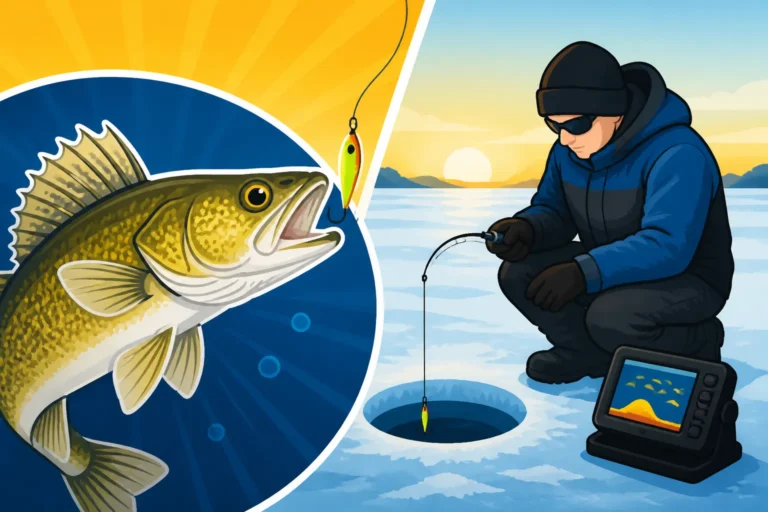
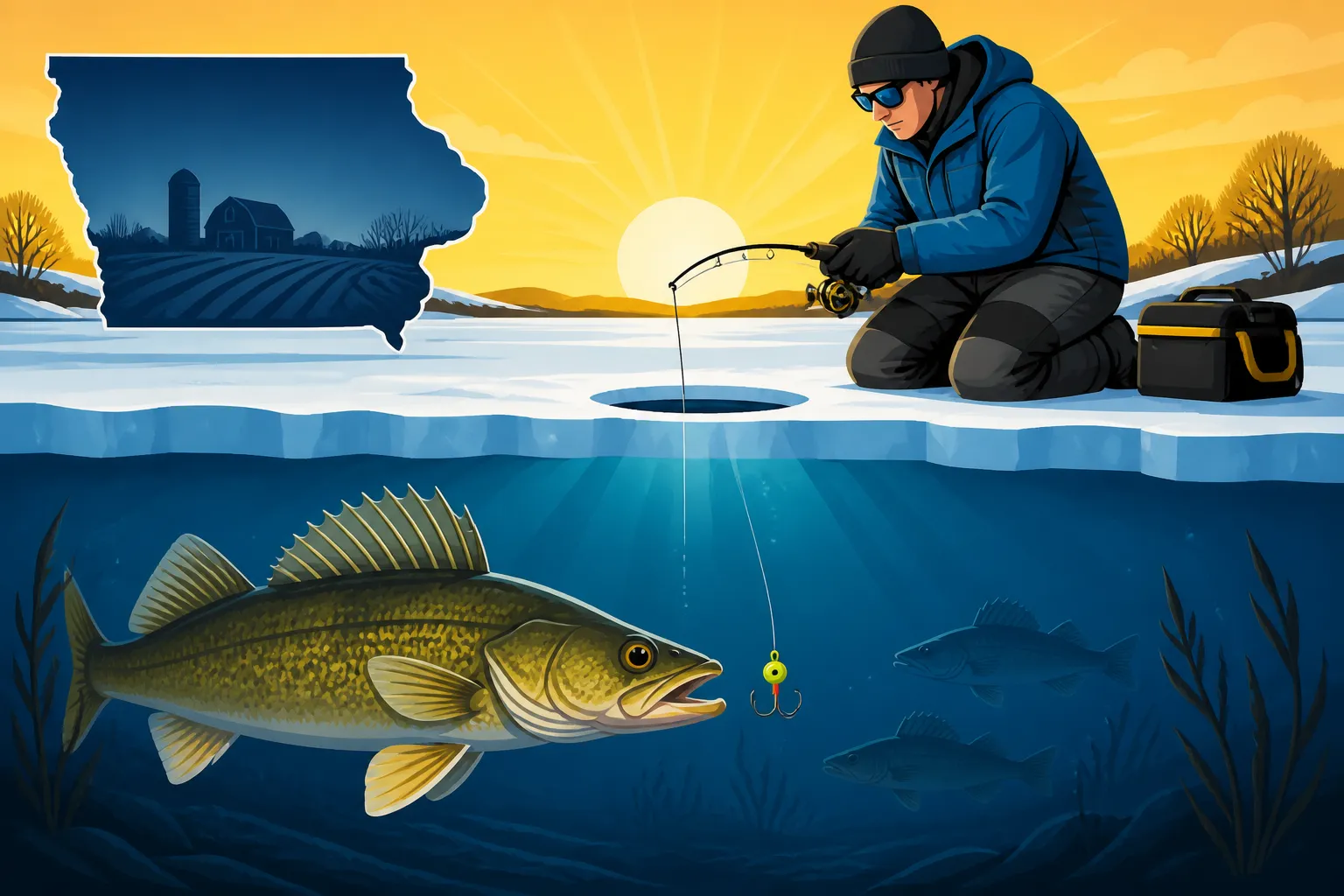
There's nothing quite like the thrill of feeling that subtle thunk on your line when you're perched over a hole in the ice, knowing a hungry Iowa walleye just committed. But let's be honest, finding and coaxing those elusive "eyes" through a foot of ice in the dead of winter can be incredibly frustrating, leaving many anglers wondering if they're even in the right spot or using the right technique. This guide is here to strip away the guesswork, providing you with practical, no-nonsense strategies and tips to effectively jig for walleye through the ice across Iowa's frozen lakes and reservoirs.
Understanding Walleye Behavior Under the Ice
Walleye aren't the same fish in winter as they are during the open-water seasons. Their metabolism slows down, they're often less aggressive, and their preferred habitats shift. Knowing these behaviors is paramount to putting fish on the ice.
Winter Walleye Metabolism and Movement
When the water temperature drops and the ice forms, a walleye's world shrinks. Their metabolism slows considerably, meaning they don't need to feed as frequently or expend as much energy chasing down prey. This is why super aggressive presentations that work in summer often fall flat in winter. They're still eating, but they're more selective, and they're conserving energy. You'll often find them schooling up in specific areas, seeking out stable conditions, often deeper water near structure, or along current breaks in lakes like West Okoboji Lake or Spirit Lake.
Their movement patterns also become more predictable. Instead of roaming wide areas, they tend to hug contours, follow break lines, or relate closely to submerged humps and points. They might make short, decisive feeding forays, often around dawn, dusk, or even into the night, but during the day, they might just hover, waiting for an easy meal to come by. Understanding these nuances is crucial for pinpointing their location. Learning about specific locations can be found in our guide to Best Fishing Spots in Iowa.
Preferred Winter Habitat and Structure
Walleye are structure fanatics year-round, but in winter, that relationship becomes even more critical. Think about what offers them protection, ambush points, and access to food sources. This often means focusing on:
- Deep break lines: The sharp drop-offs from shallow flats to deeper basins are highways for baitfish and walleye. Fish the edges, not necessarily the deepest part.
- Submerged humps and points: These underwater islands or extensions of land provide elevated feeding platforms where walleye can ambush prey moving along the bottom or over the structure.
- Weed edges: Even under the ice, green weeds can hold baitfish and, consequently, walleye. Look for the transition zone where the weeds meet open water or a hard bottom.
- Rock piles and timber: Hard cover provides excellent sanctuary and ambush points. On large lakes like Rathbun Lake or Saylorville Reservoir, identifying these areas with good electronics can be a game-changer.
- Current areas: In river systems or lakes with subtle current, walleye will often position themselves on the downstream side of structure or points, using the current to bring food to them with minimal effort.
Remember, walleye are often belly-to-the-bottom in winter. They're looking down for food. Your presentation needs to be in their strike zone, which is usually within a foot or two of the bottom.
Essential Ice Jigging Gear for Walleye
Having the right tools for the job can make all the difference, especially when you’re dealing with finicky walleye in cold conditions. Don’t skimp on the basics; reliable gear means more time fishing and less time fussing.
Rods, Reels, and Line for Ice Fishing
For ice jigging walleye, you’re not looking for your open-water bass setup. You need specialized gear that’s sensitive enough to detect subtle bites and stout enough to handle a decent fish in a tight space.
- Rods: A good ice fishing rod for walleye typically ranges from 28 to 36 inches in length, with a medium-light to medium power and a fast or extra-fast action. The shorter length gives you better control over your jigging motion, while the sensitive tip helps you feel those faint "takes." Look for a rod with a comfortable handle that remains warm in your hand. Many reputable brands offer excellent walleye-specific ice rods. If you're just starting, you can check out beginner-friendly options on Amazon. More on this topic can be found in our guide to Best Ice Fishing Rod Length.
- Reels: A small spinning reel (size 500-1000) is usually ideal. It should have a smooth drag system, which is critical when a big walleye makes a sudden run under the ice. Ensure it functions well in freezing temperatures; some cheaper reels can seize up.
- Line: This is often overlooked but incredibly important. Many experienced anglers prefer a low-stretch fluorocarbon line in 4-8 pound test for their main line. Fluorocarbon is nearly invisible underwater, has excellent abrasion resistance, and transmits bites well. Some might even spool up with braided line (6-10 lb test) and add a short fluorocarbon leader (2-3 feet) for added sensitivity and knot strength. The low stretch of braid helps detect those subtle bites, while the fluorocarbon leader maintains stealth.
Jigs and Baits That Entice Walleye
The world of ice fishing jigs is vast, but for walleye, certain styles and sizes consistently outperform others.
- Jigging Spoons: These are classics for a reason. Spoons like the Rapala Jigging Rap, Northland Forage Minnow, or Acme Kastmaster imitate injured baitfish. Sizes typically range from 1/8 to 1/2 ounce, depending on depth and current. Colors like silver, gold, perch, and firetiger are consistent producers.
- Lipless Crankbaits: Smaller versions of lipless crankbaits, often referred to as "rip baits" for ice fishing, can be deadly. The Rapala Rippin' Rap or Slab Rap are popular choices. They vibrate and dart erratically, triggering aggressive strikes.
- Blade Baits: These thin, metal lures (e.g., Sebile Vibrato, Johnson ThinFisher) have a unique vibration on the lift and flutter on the fall. They are excellent for attracting fish from a distance and can be fished aggressively or subtle.
- Soft Plastics and Jigs: Small, weighted jig heads tipped with soft plastic tails (like Berkley Gulp! Minnows or Trigger X) can be incredibly effective, especially for finicky walleye. A 1/16 to 1/8 ounce jig head in black, white, or chartreuse can be paired with 2-3 inch minnow or grub profiles.
- Live Bait: Never underestimate the power of live bait for walleye. A lively shiner, fathead minnow, or piece of salted minnow on a plain hook, an ice fishing bobber, or a small jig can be irresistible. Many anglers tip their jigging spoons or blade baits with a minnow head or a full minnow for added scent and appeal. You can find a wide range of live bait options at local bait shops or even order some specialized gear for carrying them from retailers like Amazon.
Essential Ice Fishing Accessories
Beyond the rod and reel, a few key accessories will significantly improve your efficiency and comfort on the ice.
- Ice Auger: You need to get through the ice! A good quality auger is a must. Manual augers are fine for thinner ice (under 10 inches), but a gas, propane, or electric auger will save your arms and cut holes faster, especially when you need to drill multiple holes to find active fish. Check out our guide on the Best Ice Auger for Thick Ice.
- Fish Finder/Flasher: Absolutely essential for walleye. A good flasher (like Vexilar, Marcum, or Humminbird Ice Helix units) allows you to see your lure, detect fish approaching, and observe their reaction to your presentation. This instant feedback is invaluable for adjusting your technique.
- Ice Shanty/Shelter: While not strictly essential for every trip, a portable ice shanty or flip-over shelter makes long days on the ice much more comfortable, protecting you from the brutal Iowa winds and cold. It also keeps your holes from freezing over as quickly.
- Heater: A small, portable propane heater inside your shelter makes a huge difference in comfort, allowing you to fish longer and more effectively. Safety first with these!
- Sled/Pulk: To transport all your gear across the ice, a sturdy sled is invaluable.
- Safety Gear: Ice picks, a throw rope, and knowing Ice Fishing Safety on Iowa Lakes are non-negotiable. Always check ice thickness before venturing out.
Mastering the Jigging Techniques
Getting your jig in front of a walleye is one thing; making it bite is another. Effective jigging isn't just about movement; it's about cadence, pause, and subtle nuances that trigger a strike.
Aggressive vs. Subtle Jigging
Walleye can be incredibly moody under the ice. What works one day might be ignored the next. It’s crucial to be versatile with your jigging style.
- Aggressive Jigging: This involves sharper, longer lifts of the rod (6-12 inches), followed by a controlled fall. The idea is to mimic a fleeing baitfish, creating vibrations and flash that draw attention from a distance. Once you mark a fish on your flasher, you might use a few aggressive lifts to get their attention, then transition to a more subtle approach as they get closer. This technique is often effective during periods of higher fish activity, like early morning or late afternoon, or when covering water to call in fish.
- Subtle Jigging: More often than not, especially during slower periods, subtle is better. This involves short, quivering rod tip movements (1-3 inches), followed by a pause. Sometimes, just holding the jig perfectly still, or giving it the slightest tremble, is what triggers the bite. Think of it as a wounded or dying baitfish. The pause after a subtle lift is often when the strike occurs, as the walleye has a chance to inspect the lure and make its move. Experimentation is key; start aggressive to find fish, then dial it back as they approach.
The Importance of the Pause
If there's one golden rule for ice jigging walleye, it's this: the pause is often more important than the jig. Walleye are ambush predators, and in cold water, they want an easy meal. Many strikes occur when your jig is motionless or just barely moving after a drop or lift.
When you see a walleye approach your lure on the flasher, resist the urge to keep jigging vigorously. Instead, try these tactics:
- The Dead Stick: Often, a second rod rigged with live bait on a dead stick (a rod set in a holder with minimal movement) placed in an adjacent hole will outfish your jigging rod. But you can mimic this with your jigging rod too. Lift, then let the jig sit perfectly still for 5-10 seconds, or even longer.
- The Flutter Fall: After a lift, allow your jigging spoon or blade bait to "flutter" down. Don't stop it abruptly. The natural, enticing fall is a trigger. When it reaches the bottom, let it sit for a few seconds.
- The Quiver and Pause: Give your rod tip a subtle tremble for a few seconds, then stop completely. The fish often can't resist the easy target presented by the sudden halt.
- Raising Away: If a fish rises to your lure but won't commit, slowly raise your lure away from it. This can sometimes trigger a chase instinct, and they might strike as they think the "bait" is escaping. Just be sure to stop and pause the lure again once you've lifted it a foot or so.
Reading Your Electronics and Adjusting
Your fish finder or flasher isn't just for locating fish; it's your window into their world and a crucial tool for refining your jigging technique.
- Marking Fish: When you see a fish arch or blob appear on your screen, that's your cue to pay attention. Note its depth relative to the bottom and your lure.
- Fish Reaction: Watch how fish react to your presentation.
- Rising aggressively: If a walleye rockets up towards your lure, it's likely active. Keep jigging with a moderate to aggressive cadence, but be ready for the strike.
- Hovering below: If a fish sits below your lure and won't rise, try lowering your lure down to meet it, then give it a subtle jig and pause. If it still won't commit, try changing your jig color, size, or even the type of lure. Sometimes a smaller bait is needed.
- Following but not striking: This is common. Try raising your lure very slowly, making it seem like it's trying to escape. Then, give it a subtle quiver and a long pause. A lot of times, the strike comes on the pause after the slow lift.
- Moving away: If a fish approaches then quickly leaves, your presentation might be too aggressive, too big, or the wrong color. Downsize your lure, lighten your jigging motion, or try a different bait.
Remember, every day on the ice is a new puzzle. Be patient, pay close attention to your electronics, and don't be afraid to experiment with your jigging cadence, lure choices, and depth until you crack the code. You'll find that mastering these subtle adjustments will lead to far more consistent success when trying to catch those winter walleye in Iowa. For more on what to use, check out our Best Lures for Panfish (some smaller jigs work for walleye too) or Best Live Bait for Iowa Walleye guides.
Top Tips for Consistent Walleye Success
Even with the right gear and techniques, some seasoned ice anglers have a few extra tricks up their sleeves that can make a big difference when targeting walleye.
Hole Hopping and Drilling Strategy
One of the biggest mistakes ice anglers make is setting up one hole and staying there all day, hoping the fish will eventually come to them. Walleye are often nomadic, especially during the day, and being proactive is key.
- Drill, fish, move: The "run and gun" approach is incredibly effective. Drill a series of holes along a breakline, over a point, or across a flat. Fish each hole for 10-15 minutes. If you don't mark fish or get a bite, move to the next hole. Your auger (whether a Jiffy gas auger or a powerful electric like a StrikeMaster Lithium 40v) is your best friend here; don't be afraid to use it.
- Fan out: If you find some promising structure, don't just drill holes in a straight line. Fan out your holes, covering different depths and angles of the structure. A few feet can make all the difference.
- Target low light: Walleye are notoriously active during low-light periods. Be on your spot an hour before sunrise and stay an hour after sunset. Often, the best bite windows are short but intense. Consider night fishing techniques if allowed on your chosen body of water.
- Listen to local reports: Check with local bait shops or online forums for recent fishing reports. They can often tell you where the bite has been active and what depths are producing. This local intel can save you a lot of drilling.
Here's a quick comparison of common walleye jig types for ice fishing:
| Jig Type | Action Profile | Ideal Conditions | Common Sizes | Best for Tipping Bait |
|---|---|---|---|---|
| Jigging Spoons | Erratic darting, fluttering fall | Aggressive fish, deeper water, attracting from afar | 1/8 oz – 1/2 oz | Minnow head, small minnow |
| Lipless Cranks | Strong vibration, aggressive dart | Active fish, calling fish in, covering water | 1/8 oz – 1/4 oz | None (or very small plastic trailer for scent) |
| Blade Baits | High vibration on lift, shimmer on fall | Versatile, good for attracting or subtle work | 1/8 oz – 1/2 oz | None (focus on lure's action) |
| Tungsten Jigs | Compact, heavy for size, subtle flutter | Finicky fish, shallow to medium depth | 1/32 oz – 1/8 oz | Live maggots, waxworms, small plastics |
| Jig Heads/Plastics | Mimics baitfish, subtle swim on fall | Neutral to finicky fish, scent attraction | 1/16 oz – 1/8 oz | Small plastics, minnows, waxworms |
Bait Presentation and Scent
While jigging action is crucial, don't forget the power of bait and scent. Walleye have an excellent sense of smell, especially in cold water.
- Tip your jigs: A minnow head, a whole live minnow, or a piece of Berkley Gulp! Alive! plastic (easily found on Amazon) can add irresistible scent and natural movement to your jigging spoon or blade bait. Even a single waxworm or maggot can make a difference on a tungsten jig when fish are finicky.
- Keep bait lively: If using live minnows, ensure they are fresh and lively. Change them out if they become sluggish. A lively minnow struggling on a hook is a powerful attractant.
- Scent additives: There are various commercial scent sprays and gels available that can be applied to your lures. Brands like Pro-Cure or Smelly Jelly are popular choices. A little extra scent can encourage a tentative walleye to commit to the bite.
- Match the hatch: While general lure colors work, sometimes trying to "match the hatch" (using lures that mimic the local baitfish like shiners, perch, or ciscoes) can be incredibly effective. Pay attention to what's in the water when you clean your fish or ask local bait shops what the walleye are feeding on. This level of detail will improve your Walleye Fishing in Iowa expeditions.
Safety and Comfort on the Ice
No matter how good your jigging technique is, if you're cold, uncomfortable, or unsafe, your day will be miserable and unproductive.
- Dress in layers: The Iowa winter can be harsh. Layering your clothing allows you to adapt to changing temperatures and activity levels. Start with a moisture-wicking base layer, add insulating layers (fleece, down), and finish with a waterproof and windproof outer shell. Don't forget a warm hat, gloves, and insulated boots (like those from Muck Boot or Baffin). More tips on this can be found in our guide on What to Wear Ice Fishing in Iowa.
- Stay hydrated and fed: Bring plenty of water (even in cold weather, you can get dehydrated) and snacks. Hot coffee or cocoa in a thermos is a real morale booster.
- Know the ice: Always check ice thickness before and throughout your trip. No fish is worth risking your life. Follow the guidelines for Best Ice Thickness for Safe Ice Fishing and be aware of areas with current or springs that can create unsafe ice.
- Let someone know: Always inform a friend or family member of your plans, including where you're going and when you expect to return.
- First aid kit: A basic first aid kit is always a good idea for any outdoor excursion.
By combining your honed jigging skills with these practical tips for hole-hopping, bait presentation, and essential safety, you'll significantly increase your chances of finding and catching those elusive Iowa walleye through the ice. It's a challenging but incredibly rewarding pursuit, and with a little preparation and persistence, you'll be enjoying fresh walleye fillets in no time!
Disclaimer
Fishing conditions, regulations, and ice safety can change rapidly. Always consult the official Iowa Department of Natural Resources (DNR) regulations and local conditions before heading out on the ice. This guide is for informational purposes only and does not supersede official guidelines. Always prioritize safety.