Are There Guided Fishing Trips on the Mississippi River in Iowa?
Oh, the mighty Mississippi River! It's an iconic waterway, a true jewel for anglers, and a place that can absolutely humble you with its sheer size and complexity. Many folks dream of casting a line into its productive waters, hoping to hook into a trophy walleye, a monstrous catfish, or a feisty smallmouth bass. But let's be honest, staring at that vast expanse of water, with its ever-changing currents, hidden backwaters, and a maze of channels, can feel incredibly daunting, especially if you're not a seasoned river rat. You might be wondering, "Are there guided fishing trips on the Mississippi River in Iowa?" and how you can tap into local expertise to make your dream trip a reality. Well, you're in luck! This guide will dive deep into exactly that, exploring the world of guided fishing on the Iowa stretch of the Mississippi, what to expect, and how to find the perfect expert to lead your adventure.
The Allure and Challenge of Fishing the Mississippi River in Iowa
There’s just something about the Mississippi. It’s more than just a river; it's a living, breathing ecosystem with a history as rich as its waters are fertile. For many Iowa anglers, it represents the pinnacle of freshwater fishing, offering an incredible diversity that few other waters can match.
Why the Mississippi is a Premier Fishing Destination
The Iowa stretch of the Mississippi River, particularly the pools from Dubuque down to Keokuk, is a legitimate powerhouse when it comes to fishing. We're talking about an incredible variety of fish species that call these waters home. You can find robust populations of walleye, sauger, largemouth and smallmouth bass, northern pike, crappie, bluegill, and an abundance of whiskered giants like channel catfish and flathead catfish. The river's habitat is incredibly diverse, offering everything from deep main channel holes and swift current seams to sprawling backwater lakes, flooded timber, and countless wing dams. This rich tapestry of environments provides endless opportunities for anglers targeting different species with various techniques. It’s truly one of the Best Fishing Spots in Iowa, drawing in enthusiasts from all over.
Consider the diverse ecosystem of Pool 9 near Lansing, with its intricate network of sloughs and backwaters perfect for panfish and bass, or the robust walleye and sauger fishery below the dams near Guttenberg and Dubuque. Each pool has its own unique character and hot spots, making every trip a new exploration. The sheer volume of fish and the dynamic environment mean that no two days on the Mississippi are ever truly alike, which is part of its undeniable charm.
The Intimidation Factor for New Anglers
Despite its incredible potential, the Mississippi River can be incredibly intimidating, especially for those who aren't familiar with its nuances. It’s not your average lake or pond; it’s a living, moving entity that demands respect and understanding. You're dealing with strong currents that can pull your boat off course in an instant, shifting sandbars, and submerged structures that can wreak havoc on an unsuspecting prop. Finding the prime fishing locations, often subtle current breaks or specific wing dam configurations, requires years of experience and intimate knowledge of the river's ever-changing moods.
Then there are the regulations. Fishing the Mississippi often means dealing with Iowa Fishing Regulations on the Mississippi River Border, which can sometimes differ from inland Iowa rules, or even vary slightly depending on which side of the main channel you're on, especially if you're near the Illinois or Wisconsin borders. It's easy to feel overwhelmed by how much there is to learn—from navigating the locks and dams to understanding seasonal fish movements and the best baits to use when the water is high or low. For many, the idea of launching their own boat and trying to figure it all out on their own can be enough to make them reconsider, even if their hearts are set on fishing this legendary river. That's where a knowledgeable guide truly shines.
Finding Guided Fishing Trips on the Iowa Mississippi River
For many, the best way to conquer the Mississippi's challenges and unlock its secrets is to enlist the help of a professional fishing guide. These seasoned pros spend countless hours on the water and possess an invaluable wealth of local knowledge.
The Value of a Local Guide
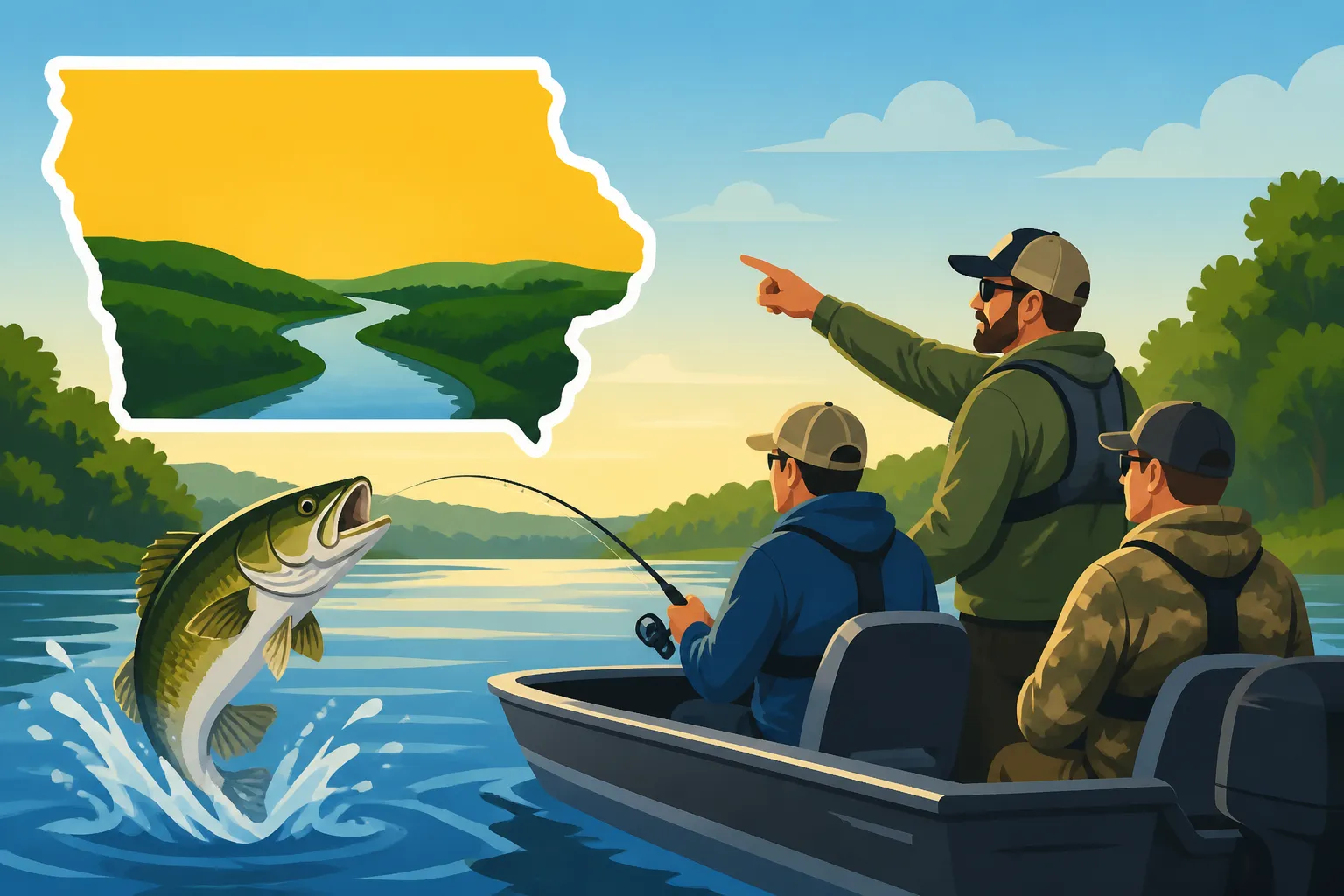
A local Mississippi River fishing guide is essentially your personal expert, navigator, and fish-finding guru rolled into one. They know the river like the back of their hand, understanding which backwaters hold the biggest largemouth bass, where the channel catfish are congregating after a rain, or the exact current seam where walleye are staging for a meal. Their expertise extends beyond just knowing where the fish are; they also know how to catch them, adapting techniques based on water levels, clarity, temperature, and time of year.
For instance, if you're keen on Walleye Fishing in Iowa on the Mississippi, a guide will know whether to jig vertically over structure, troll with crankbaits in the main channel, or cast towards wing dams. If giant flathead or channel cats are your quarry, they'll show you the best spots and setups for Channel Catfish Fishing in Iowa, often involving heavy gear and specific bait presentations. They come equipped with all the necessary gear, often high-end electronics, and a safe, comfortable boat, taking the guesswork and heavy lifting off your shoulders. This means more time fishing and less time worrying about navigation or what lure to tie on next. They’re also a fantastic resource for understanding the subtle quirks of river fishing, teaching you invaluable skills you can carry with you on future trips.
How to Locate Reputable Guides
So, how do you find these river wizards? It might seem tricky, but there are several reliable avenues:
- Local Bait and Tackle Shops: This is often the first place to start. Shops along the river, like those in Dubuque, Guttenberg, Bellevue, Clinton, and Burlington, are goldmines of information. Owners and employees often know the guides personally and can recommend someone who specializes in the species you're targeting or the particular stretch of river you want to fish.
- Online Search and Booking Platforms: In this digital age, many guides have an online presence. Websites dedicated to booking fishing charters are excellent resources. For example, platforms like FishingBooker allow you to search for guides specifically on the Mississippi River in Iowa, compare prices, read reviews from other anglers, and often book directly. This transparency can be a huge help in finding the right fit for your trip. You can see their specializations, their availability, and get a real sense of their reputation before you commit.
- Fishing Forums and Social Media Groups: Online communities focused on Iowa fishing or Mississippi River angling are great places to ask for recommendations. Anglers who have had positive experiences with a guide are usually more than happy to share their insights.
- Marina and Boat Launch Information Boards: Sometimes, local guides post their services on bulletin boards at popular marinas or public boat launches along the river.
When you're sifting through options, especially on platforms like FishingBooker, pay close attention to reviews. They offer authentic insights into a guide's personality, their fishing success, and the overall experience they provide. Remember, the best guide for you might not be the most expensive, but rather the one whose expertise aligns with your fishing goals.
What to Look for in a Mississippi River Fishing Guide
Choosing the right guide is crucial for a successful and enjoyable trip. Here’s what you should prioritize:
- Experience and Specialization: Does the guide have extensive experience on the specific pool of the Mississippi you want to fish? Do they specialize in the species you're hoping to catch? A walleye guide might not be the best choice if you're dead set on catching a flathead catfish, and vice-versa. Don't hesitate to ask about their track record for different species.
- Licensing and Insurance: A reputable guide will always be properly licensed by the state of Iowa and carry commercial insurance. This protects both them and you. It’s perfectly acceptable to ask for proof of these credentials.
- Communication Style: Do they respond promptly to inquiries? Are they good at explaining techniques and answering questions? A good guide is also a good teacher, willing to share their knowledge rather than just putting you on fish.
- Equipment: While most guides provide everything, it’s worth asking about their boat setup, electronics (fish finders, GPS), and the quality of their rods, reels, and tackle. A comfortable and safe boat is essential for a long day on the river.
- Safety First: Inquire about their safety protocols, especially on a large river like the Mississippi. Do they provide life jackets for all passengers? Are they CPR/First Aid certified? Safety should always be a guide's top priority.
What to Expect from a Guided Mississippi River Fishing Trip
Once you've booked your guide, you might be curious about the practicalities of the trip itself. Knowing what to expect can help you prepare and maximize your enjoyment.
Typical Trip Duration and Inclusions
Most guided fishing trips on the Mississippi River offer either half-day (4-5 hours) or full-day (8-9 hours) options. The cost, of course, varies accordingly. Generally, your guide will provide almost everything you need for a successful day on the water:
- Boat and Fuel: A well-maintained, safe, and river-appropriate boat, along with all the fuel for your trip.
- Rods, Reels, and Tackle: Quality fishing equipment matched to the target species and current conditions. This includes a variety of lures, baits, and terminal tackle.
- Bait: Live bait (minnows, nightcrawlers, leeches, or specific catfish baits) is almost always included.
- Safety Gear: Life jackets (required for all passengers), first aid kit, fire extinguisher, and other mandatory safety equipment.
- Expertise: The most valuable inclusion is, of course, the guide's knowledge of the river, fish behavior, and effective techniques.
What you'll typically need to bring yourself includes:
- Iowa Fishing License: Absolutely non-negotiable! Make sure you have your current Iowa Fishing License Guide, and remember that an additional trout fee is not typically needed for Mississippi River species, unless you plan to somehow divert to a stocked stream.
- Food and Drinks: Pack snacks, lunch, and beverages to stay hydrated and energized throughout the day.
- Appropriate Clothing: Dress in layers, checking the weather forecast before you go. Include rain gear, even if the forecast looks clear, as river weather can change quickly. Don't forget sunscreen, a hat, and polarized sunglasses.
- Cooler (for your catch): If you plan on keeping fish, bring a cooler to transport your fillets home. Your guide will likely have one for drinks, but it's good to have your own for fish.
Target Species and Techniques
A good Mississippi River guide will tailor the day's fishing to the conditions and your preferences. Here's a glimpse of what you might target and the techniques used:
- Walleye and Sauger: These prized game fish are often targeted in the main channel or near current breaks and wing dams. Techniques include vertical jigging with jigs and minnows or plastics, trolling crankbaits or crawler harnesses, and casting blade baits or ripple shads. Guides are experts at positioning the boat to effectively work these structures. Learning How to Catch Walleye in Iowa on the river is a unique experience.
- Catfish (Channel and Flathead): The Mississippi is legendary for its catfish. Your guide will likely focus on deep holes, snags, and current seams using heavy bottom-fishing rigs with cut bait (shad, skipjack) or live bait for flatheads. Drifting cut bait in certain areas is also a popular and effective method. If you're looking for giants, learning How to Catch Catfish in Iowa on the Mississippi is an unforgettable adventure.
- Bass (Largemouth and Smallmouth): Largemouth are typically found in the calmer backwaters, sloughs, and lily pad fields, where guides will lead you in casting topwater lures, flipping jigs, or working spinnerbaits. Smallmouth prefer rocky areas, current breaks, and riprap along the main channel, often biting on crankbaits, tubes, or jigs.
- Crappie and Panfish: When the crappie are biting, guides will often take you to submerged brush piles, timber, or bridge pilings in backwaters, using small jigs, minnows, or spider rigging techniques. Bluegill and other sunfish can be found in similar calmer waters, often caught with small worms or tiny jigs under a bobber.
- Muskie and Northern Pike: While less common for guided trips focused solely on them, some guides may offer trips for these toothy predators in specific areas, often using large bucktails, jerkbaits, or spoons.
Customizing Your Experience
One of the greatest advantages of a guided trip is the ability to customize your day. Before you book, or certainly when you communicate with your guide, clearly express your goals:
- Target Species: Be specific about what you hope to catch. If you have a bucket list fish, let them know!
- Skill Level: Are you a complete beginner who needs help with casting and knot-tying, or an experienced angler looking to learn new techniques for a specific species?
- Catch and Keep vs. Catch and Release: Discuss your preference for keeping fish within legal limits or practicing catch and release.
- Learning Experience: Do you want to learn specific techniques, or are you just there to relax and catch fish?
A good guide will use this information to plan the best possible trip for you, ensuring you get the most out of your time on the water. Don't be shy about asking questions and sharing your expectations.
Planning Your Guided Mississippi River Adventure
A little planning goes a long way, especially when you're embarking on a guided trip on a river as grand as the Mississippi.
Best Time of Year to Go
The Mississippi River offers excellent fishing year-round, but the "best" time depends largely on what you want to catch.
- Spring (April – June): This is prime time for the walleye and sauger runs, especially below the locks and dams as fish move to spawn. Crappie also become very active in backwaters as water temperatures rise. Bass start to move into shallower areas as well. It’s an exciting time, often correlating with When Iowa Walleye Season Opens.
- Summer (July – August): Catfish action heats up significantly, with both channel and flathead providing thrilling fights. Bass fishing is strong, particularly in the mornings and evenings. Panfish are abundant in backwaters, and northern pike can be found in weedier areas.
- Fall (September – November): This is another fantastic time for walleye and sauger as they feed aggressively before winter. Muskie fishing picks up, and bass can be very active as they fatten up. The fall colors along the river bluffs make for a beautiful backdrop.
- Winter (December – March): While ice fishing is popular on some calmer backwaters (always check ice safety!), open water fishing for walleye and sauger below the dams can still be excellent, especially in early winter before major ice forms.
Checking the Iowa Fishing Season Dates and Limits for your target species is always a good idea to ensure you're fishing during peak times.
Essential Preparations Before Your Trip
Once you've decided on a guide and a date, a few key preparations will ensure everything goes smoothly:
- Book in Advance: Popular guides, especially during peak seasons, can get booked up quickly. Don't wait until the last minute!
- Confirm Details: A few days before your trip, confirm the meeting time, location (often a specific boat ramp or marina), and any last-minute weather considerations with your guide.
- Check Weather and Dress Appropriately: River conditions can be unpredictable. Layering is key, and bringing rain gear is always a smart move.
- Purchase Your Fishing License: This is crucial. You can purchase your Iowa Resident Annual Fishing License or Iowa Nonresident Annual Fishing License online through the Iowa DNR website, at various retailers, or via the GoOutdoors Iowa mobile app. Ensure it's valid for the dates of your trip.
- Pack Smart: Bring any personal items you need (medication, sunglasses, camera) but avoid overpacking. Space on a boat can be limited.
Understanding Costs and Tipping Etiquette
The cost of a guided trip on the Mississippi River can vary significantly based on the guide's experience, the duration of the trip, the number of anglers, and what's included. Expect to pay anywhere from $400-$800 for a full-day trip, and $250-$500 for a half-day. Remember, these prices reflect the guide's expertise, equipment costs, fuel, and the time they invest in scouting and preparing. You can find detailed breakdowns of Iowa Fishing License Costs separately, but those are in addition to guide fees.
Here's a general idea:
| Trip Type | Duration | Average Cost Range (1-2 Anglers) | Inclusions | What to Bring |
|---|---|---|---|---|
| Half-Day | 4-5 hours | $250 – $500 | Boat, fuel, rods, reels, tackle, bait, safety gear, guide's expertise. | Valid Iowa Fishing License, snacks, drinks, appropriate clothing, cooler (for your catch). |
| Full-Day | 8-9 hours | $400 – $800 | All half-day inclusions, plus more extensive time on water, covering more spots and techniques. | Valid Iowa Fishing License, lunch, snacks, drinks, appropriate clothing, cooler (for your catch). |
Tipping: It's customary and highly appreciated to tip your fishing guide, much like you would a server or other service professional. A standard tip is 15-20% of the trip's total cost, especially if you had a great experience, learned a lot, and caught fish. Guides work incredibly hard to ensure your trip is enjoyable and successful, often putting in long hours before and after the actual fishing time. A good tip shows your appreciation for their hard work and dedication.
So, yes, guided fishing trips are absolutely available on the Mississippi River in Iowa, and they are an incredible way to experience this magnificent fishery. Whether you're a seasoned angler looking to learn new techniques or a beginner hoping to catch your first big river fish, a local guide can transform your trip into an unforgettable adventure.
Disclaimer
Please remember that fishing regulations, license requirements, and fees are subject to change by the Iowa Department of Natural Resources (DNR). Always consult the most current Iowa Fishing Regulations booklet or the Iowa DNR website before your trip to ensure compliance. This guide is for informational purposes only and does not constitute legal advice.