Best Handicap-Accessible Fishing Piers in Iowa
Finding the perfect fishing spot in Iowa where everyone, regardless of mobility, can enjoy the simple pleasure of casting a line can sometimes feel like searching for a needle in a haystack. The frustration of arriving at a promising lake or river only to find stairs, uneven terrain, or inadequate access is a common hurdle for many anglers and their families. This comprehensive guide is designed to cut through that confusion, helping you discover the best handicap-accessible fishing piers across Iowa, ensuring that your next fishing adventure is filled with relaxation and reeling in fish, not accessibility challenges.
Why Accessible Fishing Piers Matter for Everyone
Accessible fishing piers are much more than just a convenience; they are vital gateways to outdoor recreation, offering a sense of freedom and inclusion that is often overlooked. For too long, many outdoor activities, including fishing, have presented barriers to individuals with mobility challenges, seniors, young children, and even parents pushing strollers. These specialized piers represent a thoughtful approach to design, ensuring that the joy of fishing can be shared by a wider community, fostering connections with nature and loved ones.
It's not just about meeting ADA (Americans with Disabilities Act) requirements; it's about building communities where everyone feels welcome and valued. When a fishing pier is designed with accessibility in mind, it often benefits a multitude of users. A wider, smoother surface is safer for everyone. A lower railing allows a child to see over it just as easily as someone in a wheelchair. These considerations create a more enjoyable and safer environment for all who visit Iowa's beautiful waters.
Bridging the Gap for Anglers with Mobility Challenges
For anglers using wheelchairs, walkers, or those with other physical limitations, a truly accessible fishing pier can transform a dream into a reality. Traditional riverbanks or rocky shorelines are simply impassable for many, isolating them from one of nature's most calming and rewarding activities. Accessible piers provide a stable, level surface, often extending over the water to prime fishing grounds that would otherwise be out of reach. This direct access removes the physical barriers that prevent many from participating, allowing them to focus solely on the fishing experience itself.
Beyond just physical access, these piers often incorporate features like lowered railing sections or built-in rod holders, which are incredibly helpful for individuals with limited reach or strength. Imagine the sheer delight of someone catching their first fish, an experience made possible because thoughtful design removed the obstacles. These aren't just concrete platforms; they are bridges to independence, leisure, and the therapeutic benefits that come with spending time outdoors, waiting for a bite.
Creating Inclusive Outdoor Experiences
Accessible piers also serve as fantastic hubs for inclusive family outings. Think about a multi-generational family trip: grandma might use a walker, a toddler might be in a stroller, and a teenager is just learning to cast. A well-designed accessible pier can accommodate all these needs simultaneously. Everyone can gather together, share stories, and create memories without someone being left on the sidelines because the terrain was too rough or the path too narrow.
These piers become social spaces where different groups can interact, fostering a more diverse and understanding community of anglers. They encourage parents to introduce their young children to fishing without worrying about dangerous slips or falls on uneven ground. They allow seniors to continue enjoying a lifelong passion safely and comfortably. By making fishing accessible to all, Iowa's natural resources become truly public, enriching the lives of countless individuals and strengthening community bonds.
Key Features of Truly Accessible Fishing Piers in Iowa
When we talk about "handicap-accessible" fishing piers, we're not just talking about a ramp. A truly accessible pier integrates thoughtful design elements and amenities that ensure comfort, safety, and a genuinely enjoyable experience for everyone. It's about a holistic approach that considers the entire journey, from parking to casting. Understanding these features can help you identify the best spots and plan your trip effectively.
The Iowa Department of Natural Resources (DNR) and local parks departments have made significant strides in upgrading and building new facilities with these standards in mind. They recognize that a fishing spot isn't truly great if only a segment of the population can use it. These efforts are making a real difference in how Iowans interact with their waterways and enjoy outdoor recreation.
Essential Design Elements for Easy Access
The foundation of an accessible fishing pier lies in its core design. First and foremost, the approach to the pier must be smooth and level or have a gradual, non-slip ramp. Steep inclines or sudden changes in elevation can be dangerous and prohibitive. The pier itself should have a firm, stable, and slip-resistant surface, usually concrete or treated wood, free from cracks or tripping hazards.
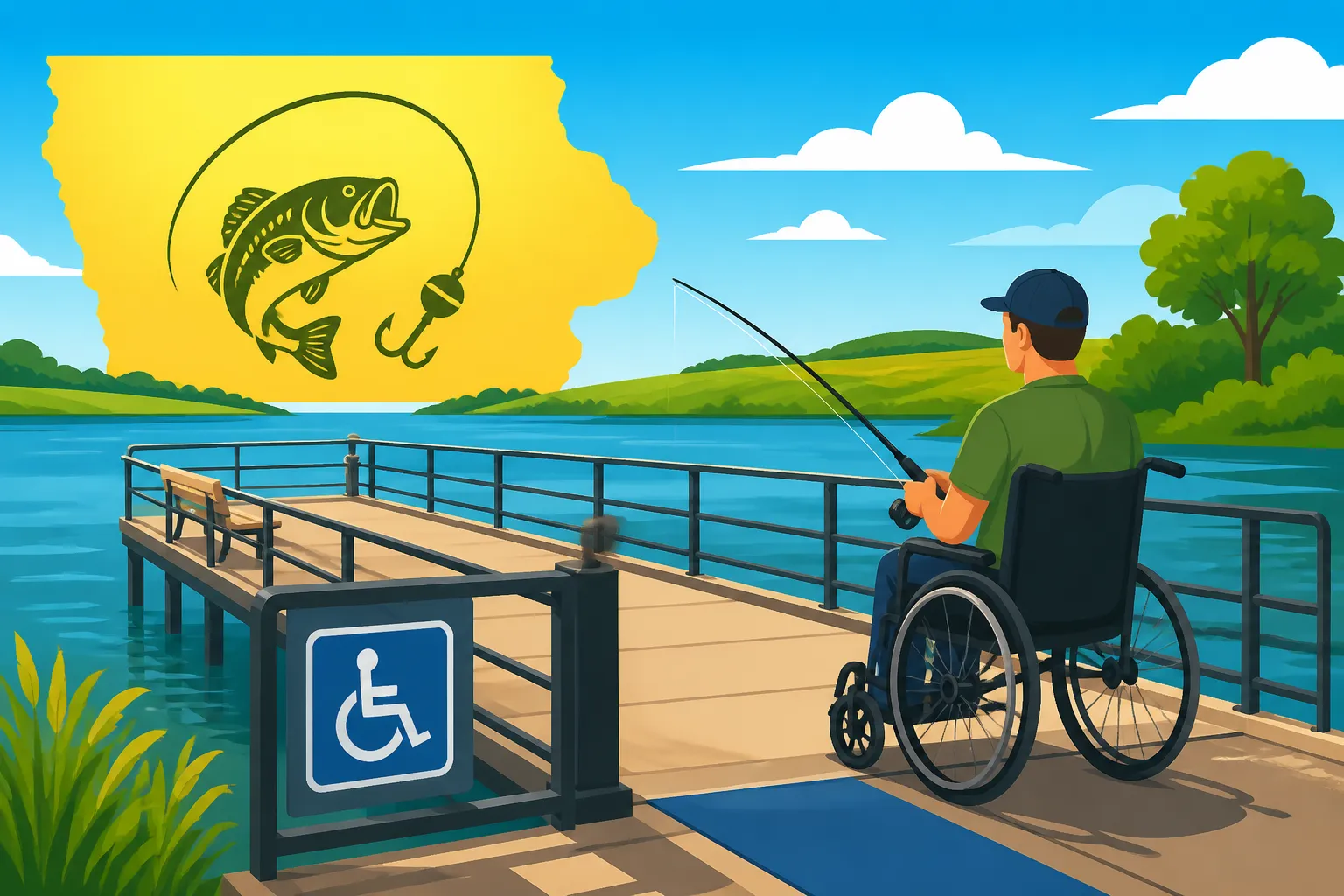
Width is another critical factor. The pier needs to be wide enough to allow ample space for wheelchairs to maneuver and pass each other, typically at least 36 inches, but wider is always better, especially for turning. Railings are essential, and truly accessible piers will feature sections where the railing is lowered to around 30-34 inches above the pier surface. This allows individuals in wheelchairs or young children to see over the top comfortably and reach the water to fish. Some piers even have cutouts or recessed areas designed specifically for easy access to the water's edge.
Amenities That Enhance the Fishing Experience
Beyond just getting onto the pier, the surrounding amenities significantly contribute to the overall experience. Designated accessible parking spaces should be conveniently located near the pier, with an accessible pathway leading directly to it. Restrooms nearby should also be fully accessible, with wide stalls, grab bars, and easy-to-use fixtures.
Adequate seating, often in the form of benches without backs or with armrests for easier transfer, can be a welcome addition, offering a place to rest or simply enjoy the view. Some advanced accessible piers might even include covered shelters to provide shade or protection from light rain, which is a huge bonus on a hot summer day or during unexpected sprinkles. Fish cleaning stations that are at an accessible height and equipped with appropriate sinks and cutting surfaces further demonstrate a commitment to a truly inclusive fishing environment. When planning your trip, consider using resources like the Iowa Fishing Atlas Access Points to see what amenities are available at different locations.
Top Handicap-Accessible Fishing Piers Across Iowa
Iowa boasts a surprising number of fantastic fishing spots, and thankfully, many of them now feature excellent accessible fishing piers. These locations are carefully chosen to offer not only easy access but also great fishing opportunities, ensuring that your efforts are rewarded with both comfort and potential catches. From bustling urban lakes to tranquil state park waters, there’s an accessible pier waiting for you. For broader insights into finding ideal locations, our guide on the Best Fishing Spots in Iowa can provide a great starting point for your exploration.
When researching your trip, always check the specific park or lake website or call ahead to confirm current conditions and available amenities. Accessibility features can vary, and knowing exactly what to expect helps ensure a smooth and enjoyable outing. You might even find local fishing reports or tips on services like FishingBooker that could provide additional insights into what’s biting around these accessible areas.
Central Iowa's Accessible Gems
Central Iowa, especially around the Des Moines metropolitan area, has several excellent options for accessible fishing. Big Creek Lake State Park near Polk City is a prime example. It features a fantastic accessible fishing pier that extends into the lake, offering anglers access to prime waters for crappie, bluegill, and even walleye. The pier is wide, has appropriate railings, and is usually well-maintained. The park also provides accessible parking and restrooms, making it a truly comprehensive accessible destination.
Another popular spot is Saylorville Lake, which offers several access points with accessible features. While not all spots are created equal, areas like the Sandpiper Recreation Area often boast paved paths leading to accessible fishing docks. These spots are great for targeting channel catfish, crappie, and white bass. The sheer size of Saylorville Lake means you have diverse fishing environments, and the accessible points allow everyone to experience them. To get more specific details on where to cast your line, check out our guide on Fishing Saylorville Reservoir in Iowa.
Many community ponds in central Iowa have also been updated with accessible piers. For example, some urban fishing ponds managed by local parks and recreation departments are perfect for a quick, convenient trip. These often hold panfish like bluegill and sometimes even stocked trout during colder months, making them great for beginners or those seeking a relaxed day on the water. Look for locations within Des Moines or Ames that boast "Shore Fishing Access Near Des Moines" with dedicated accessible infrastructure.
Northern Iowa's Welcoming Waters
Heading north, the famous Iowa Great Lakes region offers breathtaking scenery along with some accessible fishing opportunities. While not every lake has extensive accessible piers, efforts have been made to ensure some popular spots are welcoming. For instance, areas around Clear Lake have accessible fishing jetties or piers. Clear Lake is renowned for its walleye and yellow bass, providing exciting angling for those seeking a larger catch. You can often find accessible paths leading to these areas from nearby parking lots. Our detailed guide on Fishing Clear Lake in Iowa offers more insights into this vibrant fishing destination.
The Iowa Great Lakes often feature state parks or county parks with accessible amenities. While you might need to do a bit of research for specific pier locations, many publicly managed lakefronts strive for inclusivity. The region is a fantastic destination for a longer trip, and accessible accommodations can often be found, allowing you to enjoy multiple days on the water. Don't forget to look into additional resources like FishingBooker if you're thinking about chartering a fully accessible boat or finding a guide who knows the accessible spots inside and out.
Eastern Iowa's River and Lake Access
Eastern Iowa, with its iconic Mississippi River and expansive reservoirs, also provides a variety of accessible fishing spots. Along the Mississippi River, many river towns have developed waterfront parks with accessible fishing platforms. Cities like Dubuque, Davenport, and Burlington often feature urban riverfronts with sturdy, wide piers extending into the river, allowing access to diverse species like catfish, walleye, and various panfish. These locations often have well-maintained paths, accessible restrooms, and ample parking.
Coralville Reservoir, near Iowa City, is another excellent choice. While it's a large body of water, several recreation areas around the reservoir have accessible fishing docks or piers. These spots are particularly good for catfish and crappie. The U.S. Army Corps of Engineers, who manage the reservoir, often prioritize accessible facilities, so you'll find good infrastructure. Similarly, Lake Macbride State Park just north of Coralville, has accessible fishing options that are well-regarded, offering a chance to target bass and panfish in a beautiful state park setting. Exploring our guide on Fishing Coralville Reservoir in Iowa will offer more specific information on prime spots.
Western and Southern Iowa's Friendly Fishing Spots
Moving west and south, more accessible options become available. Rathbun Lake, often called "Iowa's Ocean," in southern Iowa, has invested heavily in making its facilities accessible. You'll find several accessible fishing piers and jetties around the lake's many recreation areas, such as Honey Creek State Park or Buck Creek. Rathbun is famous for its crappie, walleye, and channel catfish, promising a busy day of fishing for those who visit. Our comprehensive guide to Fishing Rathbun Lake in Iowa details more about this fantastic destination.
In Western Iowa, smaller community lakes and county parks are increasingly adding accessible features. For instance, Green Valley Lake State Park near Creston features accessible fishing opportunities. These smaller lakes are often great for a quieter day, offering good panfish populations and a peaceful environment. Checking the Iowa DNR's website or local county conservation board sites can reveal specific locations and their current accessibility status in these regions.
| Accessible Fishing Pier Location | Region | Primary Species Targeted | Key Accessibility Features | Notes |
|---|---|---|---|---|
| Big Creek Lake | Central Iowa | Crappie, Bluegill, Walleye, Bass | Wide pier, low railings, accessible parking/restrooms | Popular state park, good year-round fishing. |
| Saylorville Lake (Sandpiper Area) | Central Iowa | Catfish, Crappie, White Bass | Paved paths to docks, accessible parking/restrooms | Large reservoir, multiple accessible points. |
| Clear Lake | Northern Iowa | Walleye, Yellow Bass, Panfish | Accessible jetties/piers, accessible parking | Scenic lake, good for a full day trip. |
| Lake Macbride State Park | Eastern Iowa | Bass, Panfish, Catfish | Accessible fishing opportunities, park amenities | Beautiful state park, good for families. |
| Rathbun Lake (Honey Creek/Buck Creek) | Southern Iowa | Crappie, Walleye, Catfish | Multiple accessible piers/jetties, accessible facilities | Iowa's "Ocean," known for trophy crappie. |
| Mississippi Riverfronts (Dubuque/Davenport) | Eastern Iowa | Catfish, Walleye, Panfish | Urban piers, wide access, accessible restrooms nearby | River current fishing, vibrant city settings. |
| Green Valley Lake State Park | Southern Iowa | Panfish, Bass | Accessible fishing areas, peaceful environment | Smaller, quieter lake, good for relaxation. |
Planning Your Accessible Fishing Trip in Iowa
Planning an accessible fishing trip requires a bit more foresight than a spur-of-the-moment outing, but the rewards are well worth the extra effort. By taking a few proactive steps, you can ensure your day on the water is smooth, stress-free, and enjoyable for everyone involved. The goal is to minimize surprises and maximize the time spent with a line in the water.
Remember that while many resources like the Iowa DNR website provide general information, firsthand verification can be invaluable. Don't hesitate to reach out to park rangers or local visitor centers if you have specific questions about accessibility features. They are often the best source for the most up-to-date and granular information.
Checking Conditions and Amenities Before You Go
Before you load up the car, always make it a habit to check the current conditions of your chosen fishing spot. Water levels can fluctuate, especially on rivers and reservoirs, which might temporarily affect pier access. A quick call to the park office or checking their official website can confirm if the pier is fully operational and if all accessible amenities, like restrooms, are open and functional. Many state parks also post alerts or updates on their websites regarding closures or maintenance.
Beyond accessibility, consider the fishing conditions. Is it the right season for your target species? Our guide on Iowa Fishing Seasons Explained can give you a general idea, but local fishing reports are key. Websites and apps often provide recent catch information, water temperatures, and even recommended baits. For example, if you're targeting crappie, knowing their Post-Spawn Crappie Patterns in Iowa can make a huge difference. You might even find local guides on platforms like FishingBooker who specialize in accessible trips and can offer invaluable, real-time advice on the best techniques and spots for the day.
Essential Gear for Accessible Pier Fishing
While the focus is on accessibility, having the right gear certainly enhances the experience. For pier fishing, a medium-light spinning rod and reel combo is often ideal, versatile enough for panfish yet capable of handling larger bass or catfish. Consider a rod with a comfortable, easy-grip handle. For those with limited dexterity, some companies offer specialized rod holders that can clamp onto a wheelchair or pier railing, allowing for hands-free fishing.
A small tackle box with essential lures like jigs, bobbers, and hooks, along with appropriate bait (worms, minnows, or cut bait depending on your target fish), is all you really need. A landing net with a long handle is incredibly useful, especially when fishing from a pier, as it helps safely land fish without having to lean precariously over the railing. Don't forget sun protection – a wide-brimmed hat, sunglasses, and sunscreen are crucial. Lastly, a comfortable, portable chair if seating isn't readily available on the pier, and plenty of water, will make your accessible fishing trip in Iowa as comfortable and enjoyable as possible.
Disclaimer
The information provided in this guide is for general informational purposes only and is based on publicly available data and common knowledge regarding accessible fishing locations in Iowa. While every effort has been made to ensure accuracy and provide helpful details, accessibility features and conditions at specific sites can change due to maintenance, natural events, or policy updates. It is always recommended to contact the specific park, lake, or recreation area directly before your visit to confirm current accessibility, operational hours, and any specific requirements or advisories. Fishing regulations, license requirements (such as covered in the Iowa Fishing License Guide), and local rules are subject to change, so please consult the Iowa Department of Natural Resources (DNR) for the most up-to-date information.