Is Ice Fishing Allowed on the Iowa Great Lakes?
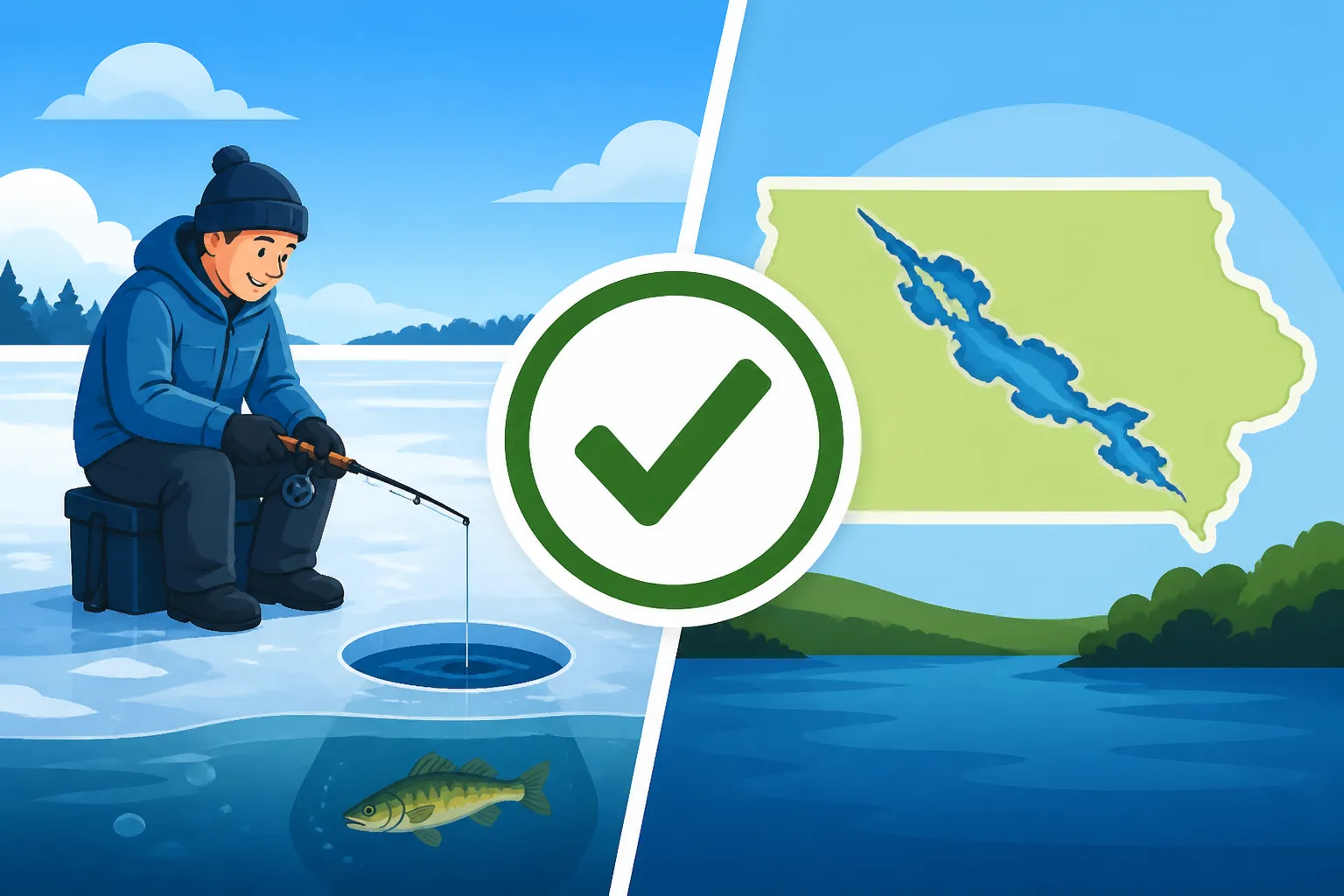
It’s a chilly Iowa morning, and you’re dreaming of dropping a line through the ice, but a common question often pops up: is ice fishing even allowed on the revered Iowa Great Lakes? For many enthusiastic anglers, the idea of venturing onto the frozen expanse of places like Spirit Lake or West Okoboji can feel a bit ambiguous, especially when you want to ensure you're following all the rules and, most importantly, staying safe. Well, let me put your mind at ease right from the start – yes, ice fishing is absolutely allowed and thriving on the Iowa Great Lakes, and this guide is here to walk you through everything you need to know to make your cold-weather angling dreams a reality.
The Allure of Ice Fishing on the Iowa Great Lakes
There’s a unique magic to ice fishing, a quiet solitude combined with the thrill of coaxing fish from beneath a solid sheet of ice. And when it comes to Iowa, the Great Lakes region truly shines as a premier destination for this winter pursuit. These aren't just any frozen ponds; these are vast, productive lakes that offer incredible opportunities, often drawing anglers from across the Midwest.
Why the Great Lakes are an Ice Fishing Paradise
The Iowa Great Lakes – a chain that includes Spirit Lake, East Okoboji Lake, West Okoboji Lake, and several smaller connecting bodies of water – are renowned for their diverse fisheries, and that doesn't stop when the temperatures drop. In fact, for many species, the winter bite can be incredibly consistent and rewarding. Imagine setting up your portable shelter on a calm, clear day, watching your flasher light up with fish below, and battling a hefty walleye through a small hole. It’s an experience that truly captures the spirit of Iowa fishing.
These lakes boast incredible depths, varied bottom structures, and a healthy forage base, which means the fish are well-fed and plentiful. From large populations of jumbo yellow perch, perfect for a fish fry, to respectable numbers of walleye that can challenge any angler, and even good crappie and bluegill action, there's something for everyone. The vastness of these lakes also means that even on busy weekends, you can often find your own slice of tranquility, making them ideal for both seasoned ice anglers and those looking to try it for the first time. The beauty of the frozen landscape itself, with expansive white plains stretching to the horizon, adds to the incredible outdoor experience.
Common Misconceptions About Ice Fishing Legality
It’s completely understandable why some might question the legality of ice fishing on such prominent bodies of water. Perhaps you've heard rumors about certain areas being off-limits, or maybe you're just unsure if the general Iowa fishing regulations extend to the ice. Let's clear the air:
- Myth 1: Ice fishing is only allowed on smaller, less popular lakes. This is absolutely false. The Iowa Great Lakes are not just permitted for ice fishing; they are actively promoted as prime ice fishing destinations by the Iowa Department of Natural Resources (DNR) and local tourism boards. Many businesses in towns like Arnolds Park and Okoboji thrive on the winter fishing traffic.
- Myth 2: You need a special permit for ice fishing. Nope! As long as you have your valid Iowa fishing license, and the appropriate trout fee if you're targeting trout in stocked waters (though trout aren't typically a target on the Great Lakes), you're all set. If you're an out-of-state angler, you'll need an Iowa Nonresident Annual Fishing License or a shorter-term option like the Iowa Three-Day Nonresident Fishing License.
- Myth 3: There are blanket bans on certain areas. While specific small areas might be marked for safety reasons (like thinner ice near inlets or aerators), there are no widespread bans on ice fishing across the main bodies of the Iowa Great Lakes. Always pay attention to local signage, but generally, if the ice is safe, it's open for business.
The bottom line is that the Iowa Great Lakes welcome ice anglers with open arms (and often, frozen fingers!). The key, like with any fishing adventure, is to be informed and prepared.
Navigating the Rules and Regulations for Ice Fishing in Iowa
Just like open-water fishing, ice fishing comes with its own set of rules designed to ensure safety, sustainability, and fair play for everyone. Before you even think about drilling a hole, it’s crucial to familiarize yourself with these guidelines.
General Ice Fishing Regulations in Iowa
The Iowa DNR sets the overarching rules that apply to ice fishing across the state, including on the Great Lakes. These regulations are designed to protect fish populations and ensure public safety. You can always check the latest version of the Iowa Fishing Regulations Explained, but here are some of the key points to remember:
- Fishing License: As mentioned, a valid Iowa fishing license is a must for anyone aged 16 and older. Make sure yours is current! You can purchase one online, at various retailers, or even through the Go Outdoors Iowa app.
- Number of Lines: Generally, an angler is allowed to use up to two fishing lines at once. This is a common question, and it's important to stick to this limit to avoid penalties. Each line can have a maximum of two hooks.
- Shelters: Portable ice fishing shelters are generally allowed on public waters. However, you need to mark them with your name and address (or your Iowa DNR customer identification number) if they are left unattended after dark or for more than 24 hours. Any shelters left overnight must have reflective material on all sides. By February 20th each year, all fishing shelters must be removed from the ice on all public waters, as melting conditions can make retrieval dangerous and difficult, and leaving them behind is a form of littering.
- Hole Size: There are no specific restrictions on ice hole diameter for general fishing, but it's always practical to keep them reasonable for safety and ease of fishing. However, for fishing certain species like lake sturgeon, there might be specific guidelines, though sturgeon aren't typically targeted through the ice on the Great Lakes.
- Live Bait: You can generally use live baitfish, but be mindful of rules regarding transporting live fish. It's always best to obtain bait from local, reputable sources to prevent the spread of invasive species.
Specific Rules for the Iowa Great Lakes
While the general state regulations cover most aspects, the Iowa Great Lakes, due to their popularity and unique characteristics, sometimes have specific advisories or emphasis on certain rules.
- Aeration Systems: Several of the Iowa Great Lakes, including parts of Spirit Lake and the Okobojis, utilize aeration systems to maintain oxygen levels for fish during critical winter periods. These systems create areas of open water or dangerously thin ice, even in otherwise solid conditions. It is absolutely paramount to stay clear of any marked aeration areas. These spots will have warning signs posted, and disregarding them can be incredibly dangerous, not just for you but for rescue personnel. Always look for these signs and assume any unmarked open water is unsafe.
- Ice Conditions: The Iowa DNR, in conjunction with local bait shops and guide services (many of whom you can find on platforms like FishingBooker), often provide ice condition updates for the Great Lakes. This isn't a "rule" per se, but it's a critical safety guideline. Never venture out unless you are confident in the ice thickness.
- Species-Specific Limits: Always double-check the current Iowa Fishing Season Dates and Limits, as daily bag and possession limits can vary for species like walleye, yellow perch, crappie, and bluegill, and these might have special considerations for the Great Lakes. For instance, sometimes yellow bass at Clear Lake have specific limits, which might be similar to perch limits on the Great Lakes.
Understanding these rules isn't just about avoiding a fine; it's about ensuring your safety and contributing to the responsible enjoyment of Iowa's precious natural resources.
Understanding Ice Safety Guidelines
This cannot be stressed enough: ice safety is paramount. No fish is worth risking your life. Conditions can change rapidly, and what looks solid from shore might be dangerously thin just a few feet out. Always exercise extreme caution.
Here’s a general guideline for ice thickness:
| Activity | Minimum Recommended Ice Thickness | Notes |
|---|---|---|
| New Ice (Clear) | Always stronger than old or cloudy ice | |
| Single Person on Foot | 4 inches | Best to go with a friend |
| Group Walking / Ice Fishing | 5-7 inches | Spread out, avoid walking in single file |
| Snowmobile or ATV | 8-12 inches | Distribute weight, avoid unnecessary stops |
| Small Car / Light Truck | 12-15 inches | Very risky, use extreme caution, know the lake |
| Medium Truck | 15-20 inches | Extremely risky, not recommended for recreational use |
Important Considerations for Ice Safety:
- Check Local Reports: Always check with local bait shops, resorts, or the Iowa DNR for the most current ice conditions. They have firsthand knowledge of the specific lake you're targeting.
- Go with a Buddy: Never ice fish alone. A partner can help in an emergency.
- Tell Someone Your Plans: Let someone know where you're going, when you expect to return, and what vehicle you're driving.
- Carry Safety Gear: Essentials include ice picks (worn around your neck for easy access), a throw rope, a spud bar (to test ice ahead of you), and a fully charged cell phone.
- Dress in Layers: Wear appropriate cold-weather clothing and waterproof outer layers. Consider wearing a personal flotation device (PFD) over your outer layers, especially when venturing onto new or questionable ice.
- Be Aware of Changing Conditions: Ice can thin rapidly with warmer temperatures, currents, or spring fed areas. Be especially careful near inlets, outlets, bridges, and shorelines.
- Avoid Pressure Ridges: These are areas where ice sheets have buckled due to expansion and contraction, creating unpredictable and often unstable ice.
Knowing these guidelines and applying common sense will ensure your ice fishing adventure on the Iowa Great Lakes is not only productive but also safe and enjoyable.
Top Species and Techniques for Ice Fishing the Iowa Great Lakes
Now that we’ve covered the important logistical and safety aspects, let’s talk about the exciting part: what you can catch and how to catch it! The Iowa Great Lakes offer a fantastic multi-species ice fishing experience.
Target Species and Where to Find Them
The beauty of ice fishing the Great Lakes is the diversity of fish available. Each species has its preferred habitat, even under the ice, and understanding these patterns can dramatically increase your success.
- Walleye: These toothy predators are a prime target for many ice anglers. On the Iowa Great Lakes, particularly Spirit Lake and West Okoboji, walleyes often relate to structural elements like deep breaklines, main lake points, and humps. Early and late in the day, they might move shallower, especially over rocky areas or along weeds, but during midday, they tend to hug the deeper contours. Look for them in depths ranging from 15 to 30 feet, though they can be shallower during low light. When you're searching for productive areas, consider spots that are known as great open-water walleye locations, as these often hold fish under the ice too. Finding the "Best Time of Year to Fish the Iowa Great Lakes for Walleye" is often in the dead of winter when ice is thick.
- Yellow Perch: Often considered the bread and butter of Iowa Great Lakes ice fishing, yellow perch are abundant and delicious. They tend to school up, so once you find one, you've likely found a whole group! Perch will typically be found over mud flats, often near drop-offs, or around deep weed lines. On lakes like Spirit Lake, you might find jumbo perch in 20-40 feet of water. For "Best Spots for Perch at Spirit Lake," many locals will point you towards the larger basins. They're often nomadic, so be prepared to drill several holes and move until you locate an active school.
- Crappie: Both black and white crappie call the Great Lakes home. These panfish are often found suspended over deeper water, relating to submerged timber, brush piles, or old weed beds. On East Okoboji Lake, crappie can be found in bays with a good mixture of weeds and deeper water. They tend to be a bit pickier than perch, but once you dial them in, the action can be fast. Look for them in 15-25 feet of water, often suspended 5-10 feet off the bottom.
- Bluegill: While perhaps not as prominent as the perch or walleye bite on the main lakes, bluegill can still provide excellent action, especially for younger anglers or those looking for consistent bites. They often inhabit shallower bays with healthy weed growth, typically in 8-15 feet of water. They are usually found closer to the bottom than crappie.
- Northern Pike: Though not the primary target for most, northerns are present in the Great Lakes and can be a thrilling bycatch on a larger tip-up. They prefer areas with good weed cover or close to sharp breaks into deeper water. For "Where to Find Northern Pike on West Okoboji," focus on the numerous weed edges and bays.
Essential Ice Fishing Techniques
Once you've decided on your target species and have a general idea of where they might be, it's time to talk techniques. Ice fishing is often about finesse and presentation.
- Jigging: This is arguably the most popular and effective technique for most species under the ice. It involves using small jigs, spoons, or even tiny soft plastics, often tipped with a minnow head, wax worm, or plastic bait.
- For Perch and Crappie: Tiny tungsten jigs (1/32 to 1/16 oz) in bright colors (chartreuse, orange, pink) or natural hues (white, black) are fantastic. Small spoons, like Northland Fishing Tackle's Forage Minnow Spoon or Custom Jigs & Spins' Demon, are also highly effective. The key is a subtle up-and-down motion, often just enough to make the bait shimmer, followed by pauses. Use a sensitive rod with a spring bobber to detect the lightest bites.
- For Walleye: Slightly larger spoons (1/8 to 1/4 oz) like the Rapala Jigging Rap, VMC Tingler Spoon, or Swedish Pimple are excellent. Tipping these with a minnow head or a whole minnow can be deadly. A more aggressive lift-and-drop, followed by a long pause, often triggers strikes. Pay close attention to your electronics (fish finder) to see how fish react to your presentation. If you're looking for guidance, remember that many expert local guides, easily found on platforms like FishingBooker, can demonstrate these techniques firsthand.
- Tip-Ups: These are passive fishing devices that signal a bite by raising a flag. They are fantastic for covering more water and are often used for larger species like walleye or northern pike, but can also be adapted for perch.
- Walleye Tip-Ups: Set up tip-ups with a lively minnow (shiners or fatheads are popular) fished just off the bottom or suspended in the water column. Use a small treble hook or a single hook through the back of the minnow. Spread your tip-ups across different depths or structures to see where fish are most active.
- Pike Tip-Ups: Use larger sucker minnows or chubs on a quick-strike rig or a large single hook. Set them in slightly shallower water (10-15 feet) near weed lines or drop-offs where pike ambush prey.
- Deadsticking: This technique involves setting up a stationary rod, often with live bait, in a separate hole from where you are actively jigging. The rod is left in a holder, and you wait for a fish to take the bait. It's especially effective for finicky walleye or when fish are less active. A simple lead-head jig with a minnow or a plain hook with a minnow or worm works well.
When it comes to tackle, using light line (2-6 lb test fluorocarbon or monofilament for panfish, 6-10 lb for walleye) is crucial for sensitivity and natural presentation. "Best Ice Fishing Line Weight" will depend on what you're targeting. Always have a variety of lures and baits on hand, as fish preferences can change throughout the day.
Planning Your Ice Fishing Adventure
A successful and enjoyable ice fishing trip to the Iowa Great Lakes isn't just about knowing the rules and techniques; it's also about thorough preparation and knowing where to find the best resources.
Essential Gear and Preparations
Being prepared for the elements and equipped with the right tools is key to a comfortable and productive day on the ice.
- Clothing: Dress in layers! Iowa winters are no joke. A moisture-wicking base layer, insulating mid-layers (fleece or down), and a waterproof, windproof outer shell are essential. Don't forget a warm hat, gloves or mittens, and insulated, waterproof boots. You might even want to check out our guide on the "Best Boots for Ice Fishing".
- Ice Auger: You’ll need a way to make holes! Manual augers are fine for occasional use or thinner ice, but a gas, propane, or electric auger is a game-changer for drilling multiple holes, especially through thicker ice common on the Great Lakes.
- Shelter: A portable ice fishing shelter provides protection from the wind and cold, making your time on the ice much more comfortable. They range from simple flip-over shelters for one or two people to larger hub-style shelters for groups.
- Fishing Rods & Reels: Bring several ice fishing rods, each rigged for different presentations or species. A sensitive panfish rod and a slightly heavier walleye rod are a good start. Spool them with appropriate line for the cold weather.
- Tackle: Pack a variety of jigs, spoons, and live bait. A small tackle box with essential lures is perfect. Don't forget leader material, extra hooks, and sinkers.
- Safety Gear: Ice picks, a rope, a spud bar, and a cell phone are non-negotiable. Consider a PFD.
- Electronics: A flasher or a portable fish finder is incredibly helpful for locating fish and determining their depth and activity level. Many anglers would agree that a fish finder is almost essential for "How to Jig for Walleye Through the Ice".
- Comfort Items: A portable heater (with proper ventilation), a comfortable chair, snacks, and warm drinks can make a huge difference in your enjoyment.
Resources for Current Ice Conditions
Never, ever assume ice conditions are safe. Always verify before heading out.
- Local Bait and Tackle Shops: These are your best friends for up-to-date, hyper-local ice reports. Shops around the Great Lakes, such as Kabele's Trading Post on Spirit Lake or Stan's Bait & Tackle, often have daily updates on ice thickness, active spots, and what baits are working.
- Iowa DNR: The DNR website or local offices may issue advisories, especially regarding aeration systems or unusually thin ice areas.
- Online Forums and Social Media Groups: Many local fishing communities on platforms like Facebook are excellent for real-time reports from fellow anglers. Just remember to cross-reference information and err on the side of caution.
- FishingBooker Guides: If you decide to go with a guide, they will be the ultimate source of current information and will ensure you are on safe ice.
Finding Local Expertise
If you're new to ice fishing the Great Lakes, or just want to maximize your chances of success, hiring a local guide is an invaluable investment.
- Guided Trips: A professional ice fishing guide knows the lakes inside and out. They have the gear, the knowledge of current conditions, and often access to prime spots. They can teach you techniques, find the fish, and ensure a safe and memorable experience. Platforms like FishingBooker are excellent resources for finding reputable, licensed guides in the Iowa Great Lakes area. You can browse profiles, read reviews, and book directly, connecting you with local experts who live and breathe ice fishing.
- Local Bait Shops: Beyond providing ice reports, the staff at local bait shops are treasure troves of information. Don't be shy about asking for tips on hot baits, preferred depths, or areas that have been producing fish. They are usually more than happy to help fellow anglers.
- Fishing Clubs and Organizations: Joining a local fishing club or attending regional fishing seminars can connect you with experienced anglers who are often willing to share their knowledge and even invite you on trips.
The Iowa Great Lakes offer an incredible ice fishing experience, brimming with opportunities for memorable catches and serene winter moments. With proper preparation, respect for the rules, and a keen eye on safety, you'll be well on your way to enjoying some of the best hardwater action Iowa has to offer. So, bundle up, grab your gear, and get ready to create some fantastic winter memories!
Disclaimer
The information provided in this guide is for general informational purposes only and does not constitute professional advice. Ice conditions can change rapidly and unexpectedly. Always exercise extreme caution, verify local ice thickness reports from official sources like the Iowa DNR and reputable local bait shops, and prioritize your safety above all else. Neither the author nor the publisher assumes any liability for actions taken based on the information provided herein.