How to Catch Panfish With a Bobber
There’s nothing quite like the sight of a bobber dancing on the water, then suddenly plunging under the surface, signaling a bite. For many anglers, especially those just starting out or families introducing kids to the joy of fishing, trying to figure out the "best" way to catch panfish can feel a little overwhelming with all the fancy gear out there. But trust me, you don't need to overthink it! This guide is here to walk you through the absolute classic and incredibly effective method of catching panfish using a simple bobber, ensuring you have a fantastic, fruitful day on the water here in Iowa.
Why Bobber Fishing is Perfect for Panfish in Iowa
Let's be real, sometimes fishing can feel like a complicated science project with all the talk about sonar, intricate lures, and advanced techniques. But when it comes to panfish—those delightful bluegill, crappie, and sunfish that populate so many of our Iowa lakes and ponds—a bobber setup is often your best friend. It’s not just simple; it's incredibly effective and offers a pure, unadulterated fishing experience.
The Visual Thrill and Simplicity
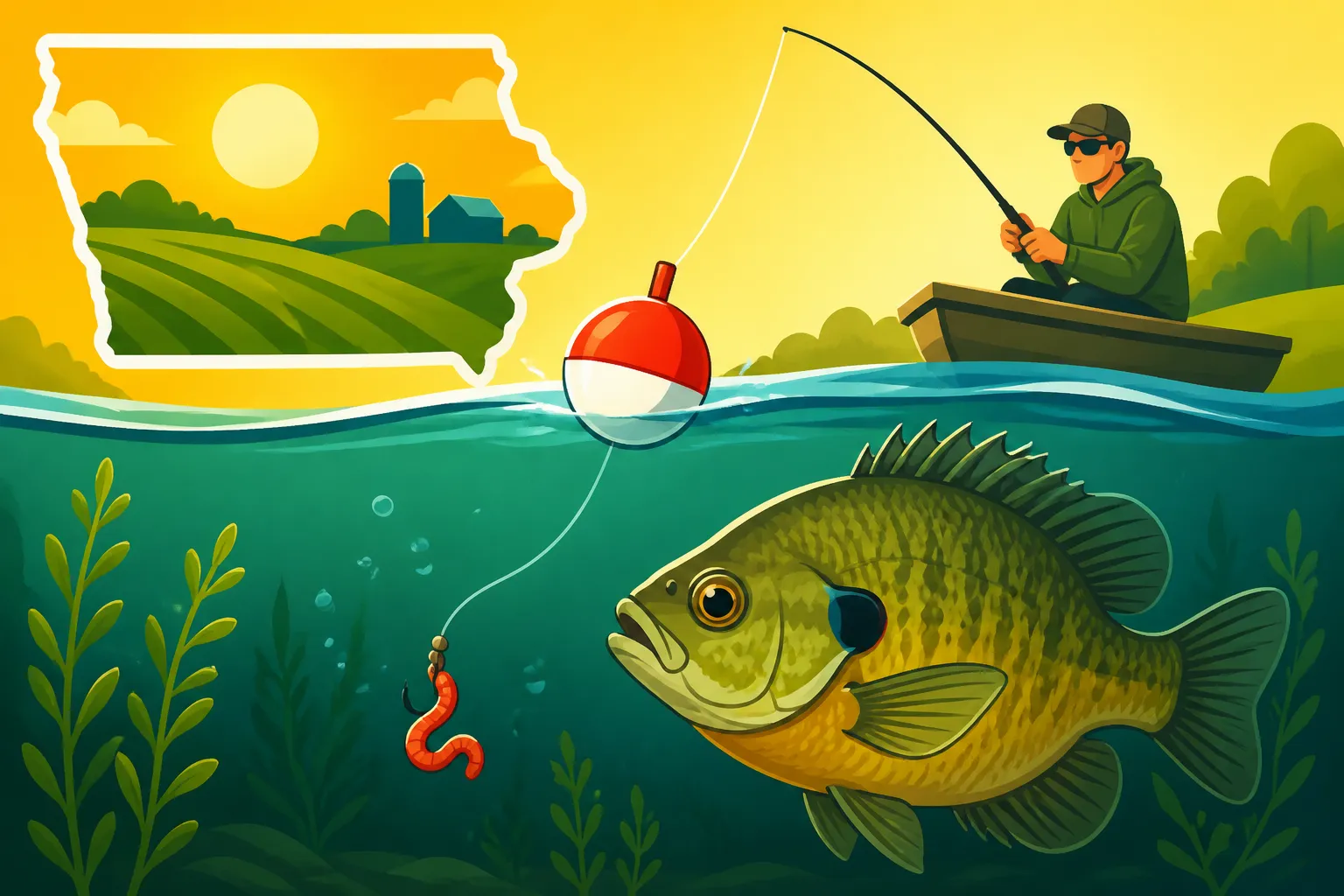
Think back to your first fishing memory, or perhaps imagine a child’s first cast. What’s the iconic image? A bobber, right? There’s an undeniable, almost primal excitement that comes with watching a bobber. It's not just a float; it's a direct connection to what’s happening beneath the surface. When that bright red and white beacon twitches, dips, or completely disappears, your heart skips a beat. This visual feedback is incredibly engaging, especially for kids or anyone who appreciates the straightforward joy of fishing without needing to interpret complex electronic signals. It removes a lot of the guesswork that can sometimes frustrate new anglers. Plus, setting up a bobber rig is incredibly straightforward, allowing you to spend more time fishing and less time fiddling with tackle.
Targeting Specific Depths Effectively
Panfish, especially crappie, often suspend at very specific depths, whether it's just a few feet below the surface in spring or down deeper near structure in summer. The beauty of a bobber rig is that it allows you to precisely control the depth of your bait. Instead of casting out and hoping your lure sinks to the right spot, you can adjust your bobber to hold your bait exactly where you believe the fish are hiding. This precision is invaluable. Are the bluegill hugging the bottom near that weed line? Set your bobber to keep your bait just above it. Are the crappie suspended mid-water over a submerged brush pile? Adjust your bobber to drop your bait right into their feeding zone. This ability to dial in your depth can dramatically increase your catch rate, making your fishing efforts far more productive.
Ideal for Beginners and Family Fun
One of the biggest hurdles for new anglers is often the intimidation factor of complex gear and techniques. Bobber fishing tears down that barrier. It's inherently accessible. You don't need a degree in hydrology or years of experience to cast a bobber and wait for a bite. This makes it absolutely perfect for introducing children to fishing, fostering patience, and celebrating those early catches. It's also fantastic for a relaxed family outing, where the focus is less on landing a trophy and more on enjoying time together by the water. The low cost of entry, minimal gear requirements, and high success rate make it a winner for creating lasting memories. You can find excellent starter kits with everything you need, often bundled together on sites like Amazon, making it easy to get started without breaking the bank.
Essential Gear for Bobber Fishing Panfish in Iowa
Alright, now that we’re all excited about the bobber life, let’s talk about what you actually need to get started. The good news is, you don’t need an arsenal of high-tech gadgets. Simple, reliable gear is key to a successful and enjoyable panfish outing.
Picking the Right Rod, Reel, and Line
For panfish, you want light tackle. This isn't just about sporting fair; it genuinely makes catching these smaller, but feisty, fish much more fun and allows you to feel those subtle bites.
- Rod: A light or ultralight spinning rod is ideal. Something in the 5 to 6.5-foot range with a fast or moderate action will give you enough sensitivity to feel those delicate nibbles and enough backbone to cast light baits. A flexible tip is crucial for detecting the slightest movement of your bobber. For those looking for a first setup, I highly recommend checking out some of the options discussed in Best Starter Rod for Beginners or a Best Budget Spinning Combo for Panfish to get a good idea of what works well.
- Reel: Pair your rod with a small, lightweight spinning reel (sizes 1000 to 2000 are perfect). The key here is a smooth drag system, as panfish can put up a surprisingly good fight on light line, and you don't want to snap off your catch.
- Line: Stick to light monofilament line, typically 2 to 6-pound test. Monofilament has a bit of stretch, which is forgiving when a panfish makes a sudden run, and it's less visible in clear water than some other line types. It also tends to float better than fluorocarbon, which is an advantage when using a bobber as it helps keep your line on the surface and visible.
Choosing Your Bobber: Types and Uses
This is where the bobber magic truly begins! There are a few different styles of bobbers, each with its own advantages, and choosing the right one can make a difference.
- Fixed Bobbers (Spring Clip Bobbers): These are your classic red and white round bobbers, often with a spring clip that secures them directly to your line. They're fantastic for fishing in shallow water (usually less than 5-6 feet deep) because they stay in a fixed position on your line. They're incredibly simple to use and perfect for kids. Just clip it on, adjust the depth by sliding it up or down, and you’re ready. They offer excellent visibility and buoyancy. For a deeper dive into choosing these, you might find Best Bobber Style for Panfish helpful.
- Slip Bobbers: For deeper water, or when you need to cast further, slip bobbers are the way to go. These bobbers have a hole through their center, allowing your line to "slip" through them. A small bobber stop knot (or rubber stop) is tied onto your line above the bobber to set the desired depth. This means you can cast your bait out even if your depth setting is 10 or 15 feet deep; the bobber slides down to the weight when it hits the water, and the bobber stop keeps it from going any further. Once your weight pulls the line through the bobber and the bobber stop reaches the bobber, your bait is suspended at the set depth. This makes casting much easier, as you’re not trying to sling a long length of line with a fixed bobber attached. If you're deciding between these, check out Slip Bobber vs Fixed Bobber for a detailed comparison.
- Weighted Bobbers: Some bobbers come with a small amount of weight built into their base. These can be useful for casting lighter baits further or for getting your bait down a bit quicker in windy conditions. However, make sure the weight is appropriate for your rod and line.
Hooks, Weights, and the Best Panfish Baits
The smaller the fish, the smaller the hook, generally speaking. For panfish, you’re looking for small, sharp hooks.
- Hooks: Sizes #8 to #12 are typically perfect for bluegill, crappie, and sunfish. These smaller hooks are easier for panfish to swallow, leading to more hookups. You can use Aberdeen hooks (long shank, thin wire, great for worms) or small J-hooks. Some anglers also swear by tiny jig heads (1/32 to 1/16 oz) tipped with bait, which provide a little extra weight and a built-in presentation.
- Weights (Split-Shot Sinkers): You’ll need just enough weight to get your bait down to the desired depth and to make your bobber stand upright. Too much weight will make your bobber sink, and too little won't allow it to register bites properly. Small split-shot sinkers that you can crimp onto your line a few inches above your hook are ideal. Start with one or two small ones, and add more if needed until your bobber sits nicely in the water, with most of it submerged and just the brightly colored top visible.
- Baits: Panfish are opportunistic eaters and are usually not picky!
- Live Bait: This is hands-down the most effective for panfish.
- Worms: Redworms, nightcrawlers (pinched or cut into smaller pieces), and garden worms are universally loved. You can often find these easily on Amazon or at any bait shop.
- Minnows: Small minnows are deadly for crappie, especially larger ones. Hook them lightly through the lips or just behind the dorsal fin.
- Grubs/Maggots: These tiny morsels are irresistible to all panfish species.
- Artificial Baits: Tiny jigs tipped with small plastic bodies (like a 1-inch tube jig or a tiny grub) can also be effective. Chartreuse, white, and pink are often good colors for panfish. Sometimes, these small artificials outperform live bait, especially on pressured waters, or if you're exploring options mentioned in Best Lures for Panfish.
- Live Bait: This is hands-down the most effective for panfish.
Setting Up Your Panfish Rig: Step-by-Step
Putting together your bobber rig is straightforward, even if you’ve never done it before. Here’s a step-by-step guide to get you fishing in no time.
Attaching the Bobber and Adjusting Depth
First things first, let's get that bobber on!
- Fixed Bobbers: If you’re using a fixed bobber (the kind with a spring clip), simply push down the button or slide the top to expose the spring, then clip your fishing line into the small hook on the top and bottom. Make sure it's securely attached.
- Slip Bobbers: For a slip bobber, you'll first tie on a bobber stop knot. Many come with a small straw or tube to help you slide the knot onto your main line; pull the knot off the straw and cinch it down. This knot is crucial for setting your depth. Next, thread your line through the small hole in your slip bobber. The bobber should slide freely up and down the line until it hits the stop knot.
Now for adjusting the depth: this is where knowing your fishing spot comes in handy. Are you fishing a shallow pond? Start with your bait just 2-3 feet below the bobber. Are you targeting crappie near a brush pile in deeper water? You might start at 6-8 feet. For bluegill, especially in warmer months, they might be shallower, so consider depths discussed in Best Depth for Summer Bluegill. The beauty of the bobber is you can easily adjust this. If you’re not getting bites, try moving the bobber up or down a foot or two every 10-15 minutes until you find the fish.
Tying on Your Hook and Adding Weight
After your bobber is on, the next step is connecting your terminal tackle—your hook and sinkers.
- Tying the Hook: Use a reliable knot to tie your hook to the end of your fishing line. A Palomar knot or an Improved Clinch knot are excellent choices that are strong and relatively easy to tie. Double-check that your knot is tight and snip off any excess tag end.
- Adding Weight (Split-Shot): Now, take one or two small split-shot sinkers and pinch them onto your line about 6 to 12 inches above your hook. The exact distance isn't critical, but you want the weight to be close enough to pull your bait down effectively but far enough away that the fish aren't spooked by it. Remember, you only need enough weight to make your bobber sit correctly in the water, indicating it's doing its job, but not so much that it sinks your bobber or makes it unresponsive to light bites. The goal is for the bobber to float upright, with just the colorful top exposed, so it clearly shows every nibble.
Baiting Up for Success
You've got your rod, reel, line, bobber, hook, and weight all set. Now it’s time for the delicious part—for the fish, anyway!
- Worms: If using a piece of nightcrawler or a redworm, thread it onto your hook so that the hook point is covered. You don't need to completely cover the hook; a dangling piece of worm often looks more natural and enticing. The scent trail from a wiggling worm is hard for panfish to resist.
- Minnows: For crappie, small minnows are key. You can hook them through both lips from the bottom up, or gently through the back just behind the dorsal fin. Hooking through the back allows them to swim more naturally, which can be very attractive to crappie. Just be careful not to injure their spine.
- Grubs/Maggots: These are small, so you might need to use a couple to effectively cover your hook. Thread them on so they’re wiggling. Their small size and constant movement are excellent panfish attractors.
Experiment with different baits if one isn't working. Sometimes, fish have a preference on a given day, and having options can save your fishing trip.
| Panfish Species | Recommended Hook Size | Preferred Baits | Ideal Bobber Type | Typical Depths (Feet) |
|---|---|---|---|---|
| Bluegill | #8 – #12 | Worms, Crickets, Grubs | Fixed or Slip | 2-8 |
| Crappie | #6 – #10 | Small Minnows, Worms, Jigs | Slip | 4-15 |
| Sunfish | #10 – #14 | Worms, Grubs, Bread Balls | Fixed or Slip | 2-6 |
Techniques for Maximizing Your Panfish Catch with a Bobber
Having the right gear and a perfectly rigged bobber setup is a great start, but knowing how to use it effectively will truly boost your success. It’s all about finding the fish, presenting your bait naturally, and recognizing those subtle bites.
Finding Panfish Hotspots
Panfish are typically structure-oriented fish. They love to hang out around anything that offers cover, shade, or food. Thinking like a fish will help you pinpoint their locations.
- Weed Lines and Aquatic Vegetation: Healthy weeds provide both cover from predators and a buffet of insects and small creatures. Cast your bobber setup just to the edge of the weed line, or in pockets within the weeds. Be ready for a bite as your bait sinks!
- Docks, Piers, and Overhanging Trees: These structures provide shade and often attract baitfish, which in turn attract panfish. Cast close to the pilings of a dock or pier, or under the branches of an overhanging tree. Many of Iowa's public fishing piers in state parks offer excellent panfish opportunities.
- Submerged Structure: Fallen trees, brush piles, rock piles, or old roadbeds under the water are prime panfish real estate. If you know of such spots from a local map or fish finder, aim your casts there. Crappie, in particular, will school tightly around submerged brush. For finding new spots, the Iowa Department of Natural Resources often has resources, and exploring general areas covered in Best Fishing Spots in Iowa can give you some great starting points.
- Shallow Bays and Coves (Springtime): In spring, as water temperatures rise, panfish move into shallow, warmer waters to spawn. Look for protected bays and coves with some weed growth or woody debris. This can be some of the easiest fishing of the year.
Casting, Presentation, and the Waiting Game
Once you’ve identified a promising spot, it’s all about getting your bait there and making it look appealing.
- Casting: With a light panfish setup, you don't need to heave your bait a mile. A gentle, controlled cast is usually all that's required. Aim to land your bobber softly, quietly, and accurately near your target structure. A loud splash can spook wary fish. If you're struggling with accuracy, practice makes perfect!
- Presentation: After your bobber lands, let the bait settle. Sometimes a slow, natural fall is enough to trigger a strike. If you don't get a bite immediately, give your rod tip a very slight twitch. This will make your bait "dance" a little, imitating a struggling insect or minnow, which can be a huge attractor for panfish. Resist the urge to constantly reel in or retrieve too quickly. Panfish are often ambush predators, waiting for an easy meal.
- The Waiting Game: Patience is truly a virtue when bobber fishing. Cast your bait, let it sit for a minute or two, give it a subtle twitch, then let it sit again. If you're not getting bites after 5-10 minutes in one spot, reel in and try another cast to a slightly different part of the structure, or even move to a new spot entirely. Remember, crappie and bluegill often school, so if you catch one, there are likely more nearby! This is a great time to grab a water bottle or check your phone for other Iowa fishing tips, maybe even browse for new gear on Amazon.
Reading the Bobber and Setting the Hook
This is the moment of truth! Recognizing a bite and setting the hook correctly are crucial.
- Reading the Bobber: This is the visual language of the fish.
- A Subtle Dip or Nudge: Sometimes a panfish will just "test" the bait. Your bobber might twitch, dip slightly, or lie flat on the surface. These are often signs of a hesitant bite. Give it a moment.
- The Slow Drift: If your bobber starts slowly moving sideways across the water, it often means a fish has taken the bait and is swimming off with it.
- The Plunge: This is the most exciting and unmistakable bite! The bobber quickly and definitively disappears under the water. This is your cue!
- Setting the Hook: When you see a definitive bite (especially a plunge or a steady movement), don't hesitate.
- Raise your rod tip quickly and firmly, but not violently, straight up over your head. This action pulls the hook into the fish's mouth.
- Keep your line taut and start reeling in steadily. Panfish have relatively soft mouths, so don't try to rip their lips off. A consistent, firm retrieve is usually all it takes to bring them in.
Remember, every fish you catch using a bobber is a victory, whether it's a trophy crappie or a tiny bluegill. It’s all part of the experience, and practicing these simple techniques will lead to many successful days of How to Catch Crappie in Iowa or How to Catch Bluegill in Iowa for you and your fishing companions. Enjoy the tranquility and the excitement that bobber fishing for panfish brings!
Disclaimer
This article is for general informational purposes only and does not constitute professional advice. Laws, prices and regulations vary by location and change over time. Consult a qualified professional for guidance on your specific situation.