Best Lures for Night Fishing
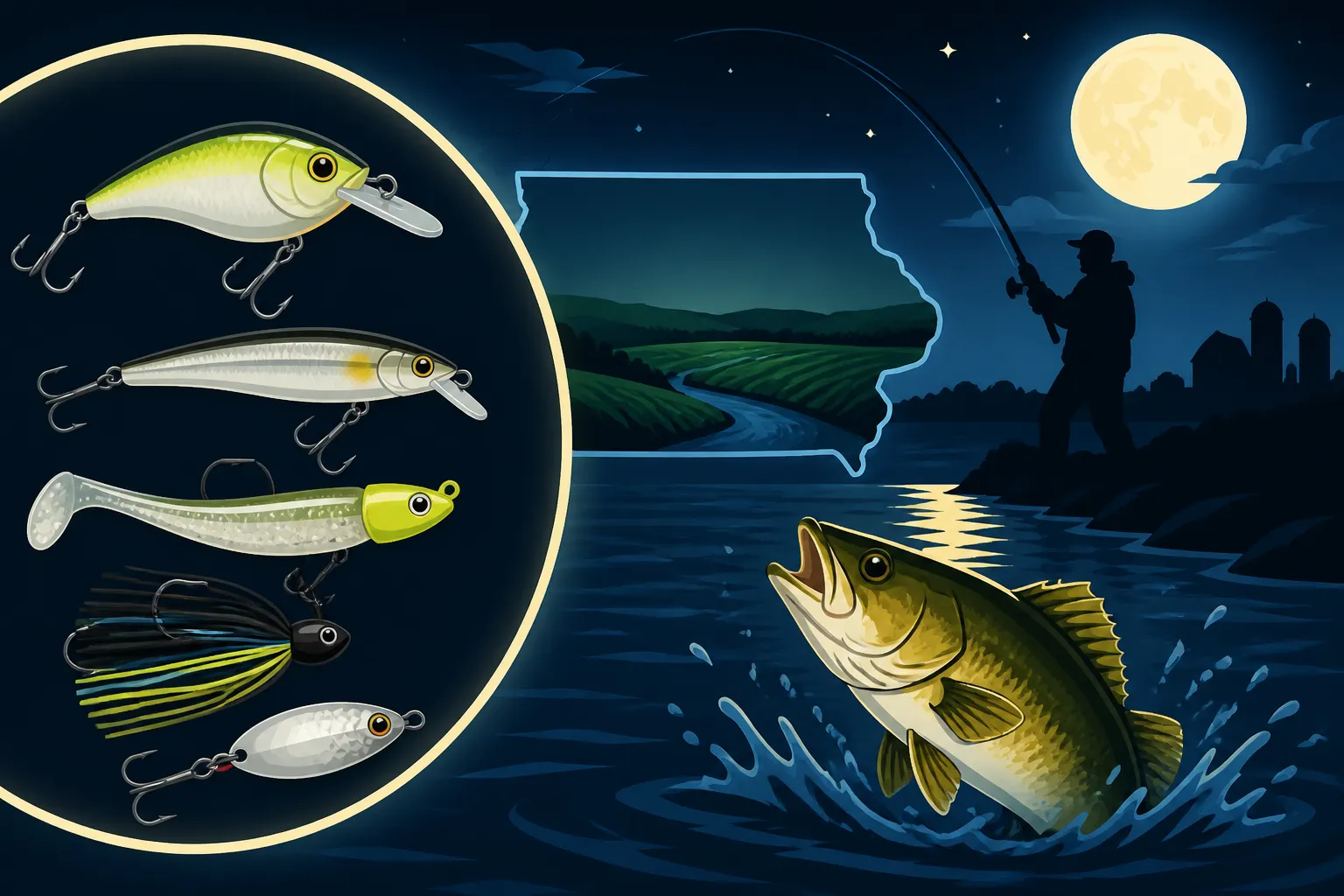
The sun dips below the horizon, painting the Iowa sky with fiery hues, and for many anglers, that's the signal to pack up and head home. But if you've ever felt that frustration of a slow bite during the day, or simply longed for the tranquility and mystery that only comes after dark, you're missing out on a whole different world of fishing. Night fishing isn't just a change of scenery; it's a strategic move that can lead to some of your most memorable catches. This guide is here to unravel the secrets of selecting the best lures for night fishing in Iowa, helping you turn those after-dark hours into prime angling time.
Why Night Fishing is a Game Changer in Iowa
There's a unique magic to fishing under the stars, but it's more than just atmosphere. Many of Iowa's most prized game fish become far more active and less wary once the light fades, offering a fantastic opportunity for anglers willing to embrace the darkness.
The Nocturnal Advantage for Anglers
Think about it: during the day, lakes and rivers are often bustling with boat traffic, swimmers, and all sorts of human activity. Fish, especially the bigger, smarter ones, learn to be cautious. They might retreat to deeper, cooler water or hide in heavy cover, making them harder to entice. But as dusk settles, much of that pressure disappears. The water cools, light penetration decreases, and many baitfish become more vulnerable. This shift in conditions gives predatory fish a significant advantage, and by extension, it gives observant anglers one too.
Not only does the reduced light provide a psychological comfort for many fish, encouraging them to move out from cover and actively hunt, but it also minimizes their ability to see your line, your boat, or even you. This means you can often get closer to fish and present your lure with less apprehension on their part. It's a true leveler, offering a unique opportunity to target fish that might be extremely difficult to tempt during daylight hours.
Common Fish Species Active After Dark
Iowa's waters are teeming with species that absolutely thrive in the low-light conditions of night. While nearly any fish can be caught after dark, some species consistently offer the best opportunities for night anglers. Walleye are perhaps the poster children for night fishing in Iowa, famously moving into shallower feeding flats and structures as the sun sets. Their large, light-sensitive eyes are perfectly adapted for hunting in dim conditions, giving them a distinct advantage over their prey.
Catfish, especially flatheads and channel cats, are also prime targets. They are known to be largely nocturnal feeders, using their incredible sense of smell and touch to navigate and hunt in the blackest of nights. Bass, both largemouth and smallmouth, can also offer fantastic night action, especially during warmer months. They'll often push baitfish against the surface or ambush them from submerged cover. Even crappie and other panfish will often hold near submerged lights or structures at night, providing opportunities for a different kind of angling experience. Knowing which species are most active when you're out there can help you select your approach, as detailed in our comprehensive Iowa Fishing Techniques Guide.
Overcoming the Low-Light Challenge
Of course, fishing in the dark comes with its own set of challenges. Visibility is obviously the biggest hurdle, affecting everything from casting accuracy to tying knots and even staying safe. This is where your lure selection becomes absolutely critical. You can't rely on vibrant colors or intricate details that are only visible in bright sunlight. Instead, you need lures that appeal to a fish's other senses: sound, vibration, and profile.
The goal is to present something that creates a disturbance a fish can detect and track, even if they can't see it clearly. We'll dive into the specific characteristics that make lures effective in darkness, but just remember that confidence in your gear, combined with careful planning and a slow, methodical approach, will help you overcome the unique conditions of night fishing. Proper lighting, like a good headlamp, is essential not just for safety but also for those moments you need to re-tie or unhook a fish, making it easier to see your line and tackle. You can find many options for robust fishing headlamps on sites like Amazon.
Understanding Lure Characteristics for Night Success
When the lights go out, the rules change for how fish perceive their world, and consequently, how they perceive your lures. This means shifting your focus from visual appeal to other sensory triggers.
The Power of Profile and Vibration
In low light, a fish's primary way of detecting prey often shifts to its lateral line system – a sensory organ that detects vibrations and pressure changes in the water. Therefore, lures that create a significant "thump," "wobble," or "pulse" are incredibly effective. A lure's profile also becomes crucial; even if a fish can't see the exact color, it can discern the general shape and size of what's moving through the water. A larger, bulkier profile often presents a more substantial meal impression in the dark.
Consider a big-bodied crankbait or a thumping spinnerbait. These lures displace a lot of water as they move, sending out strong vibrations that fish can pick up from a distance. Similarly, soft plastics with paddle tails or large curly tails create noticeable thumping actions. The idea is to make your lure feel like an easy-to-track meal, not a ghost. This also plays into the speed of your retrieve; a slower movement often allows these vibrations to propagate more effectively and gives the fish more time to locate and commit.
The Importance of Sound in Darkness
Beyond vibration, actual sound produced by a lure can be a huge advantage when fishing at night. Many lures incorporate rattles, blades, or jointed bodies that produce distinct sounds as they move through the water. These audible cues act like a dinner bell, drawing fish in from a wider area, especially when visibility is minimal.
Chatterbaits, with their vibrating blades, produce a unique, loud thumping sound. Rattling crankbaits contain small BBs that create a distinct acoustic signature. Even spinnerbaits, with their rotating blades, create a subtle hum and flash that, while primarily visual in daylight, contribute to an overall sonic signature at night. The key here is not necessarily to be loud all the time, but to have a lure that consistently emits a sound that fish can home in on. If you're targeting nocturnal hunters like catfish, sound and vibration are even more paramount, as discussed in our guide on How to Catch Flathead Catfish at Night.
Subtle Role of Color (or Lack Thereof)
This is where many anglers get confused. While color is incredibly important during the day, its role diminishes significantly at night. In very low light, most colors appear as shades of gray or black to a fish. So, does color matter at all? Yes, but not in the way you might think. Instead of bright, flashy colors, focus on silhouetting. Darker colors, like black, blue, or purple, create a starker silhouette against the lighter sky or moonlit surface. This makes the lure stand out more effectively as a distinct shape.
Some anglers swear by fluorescent or glow-in-the-dark lures, and while their effectiveness can be debated in open water, they can certainly provide a unique visual cue, especially if charged with a flashlight. However, the primary drivers for night fishing are profile, vibration, and sound. If you do opt for a glow lure, make sure it also possesses strong vibration or sound characteristics. Remember, in dark water, contrast often trumps vibrant hues.
Top Lure Categories for Iowa Night Fishing
Now that we understand the principles, let's look at the specific types of lures that consistently perform well in Iowa's night waters.
Spinnerbaits and Buzzbaits: Flash and Fury
These lures are fantastic choices for night fishing, especially for bass and larger predatory panfish. Spinnerbaits combine vibration, flash (even in low light, the flash creates a detectable shimmer), and a good profile. The thumping action of the blade, particularly a larger Colorado blade, sends out strong vibrations. Black or dark-colored skirts with a single large, dark blade are often preferred. The blade's rotation also creates a subtle hum that fish can pick up. Slow-rolling a spinnerbait along weed lines or submerged timber can be deadly.
Buzzbaits, on the other hand, are topwater lures that create an aggressive, gurgling commotion on the surface. The sputtering blade produces an unmistakable sound and surface disturbance that triggers powerful reaction strikes from aggressive fish. Again, dark colors are often favored for their silhouette against the sky. While typically associated with bass, don't be surprised if a big northern pike or even a curious walleye attacks a buzzbait at night. These lures are best worked near cover or along shorelines where fish might be ambushing prey.
Jigs: Versatility in the Dark
Jigs are arguably one of the most versatile lures in any angler's tackle box, and they shine at night. The beauty of a jig lies in its ability to be fished at nearly any depth and retrieved in a multitude of ways, mimicking everything from crawfish to baitfish. For night fishing, consider jigs with larger, bulkier profiles. That could mean a football jig with a big chunk trailer, a swim jig with a paddle tail, or even a hair jig that pulses seductively in the water.
When working jigs at night, focus on feel. Pay close attention to subtle taps or increased weight on your line. Scented trailers can add another layer of attraction, giving fish something extra to home in on when they do find your lure. Dark colors like black, blue, or junebug are excellent choices for jig skirts and trailers. If you're fishing for crappie or other panfish at night, smaller jigs tipped with live bait or scented plastics can be incredibly effective, especially around boat docks with ambient lighting. These tiny offerings can make all the difference, as discussed in our guide on the Best Jig Heads for Iowa Crappie Fishing.
Crankbaits and Jerkbaits: Diving and Darting
Crankbaits are powerhouses for night fishing, especially those with aggressive wobbles and internal rattles. Deep-diving crankbaits can be excellent for probing ledges and drop-offs where walleye or bass might be holding. The constant vibration and sound emitted by a rattling crankbait make it easy for fish to track in the dark. A slow, steady retrieve often works best, allowing the lure to achieve its maximum wobble and rattle.
Jerkbaits, while often associated with erratic daylight retrieves, can also be effective at night, particularly for suspended fish. Their darting action and pauses can be irresistible. Look for jerkbaits that have internal rattles and a good profile. The key is to impart action with longer pauses, giving fish time to locate the lure during its stationary phase. In both cases, dark colors or even those with a subtle glow can be worth trying. Many anglers will purchase their night-fishing specific crankbaits and jerkbaits from large online retailers like Amazon, as they often have a wider selection of colors and sizes.
Soft Plastics: Scent and Subtle Action
Soft plastics are a must-have for night fishing due to their versatility, lifelike action, and ability to be easily enhanced with scent. Worms, creature baits, and paddle tail swimbaits are all excellent options. The natural, subtle movement of soft plastics can be incredibly enticing to wary fish, even in the dark.
When using soft plastics at night, consider adding strong scents. Fish rely heavily on smell in low light, and a potent attractant can draw them in and encourage them to hold onto the lure longer. Texas-rigged worms or jigs with bulky creature baits can be fished slowly along the bottom or through cover. Paddle tail swimbaits, either weighted or rigged on a jig head, offer a steady thumping vibration and a realistic profile. Again, black, blue, and purple are great color choices. The slower retrieve of soft plastics naturally allows the fish more time to locate your bait.
Tailoring Lures to Target Specific Iowa Night Biters
Knowing which lures excel at night is one thing, but knowing which ones to pick for your specific target species is where real expertise comes in.
Walleye: Low-Light Predators
Walleye are perhaps the most famous nocturnal feeders in Iowa. Their large, light-sensitive eyes make them extremely efficient hunters after dark. For walleye, vibration and sound are paramount. Slow-trolling deep-diving crankbaits with rattles, especially in dark patterns, can be incredibly effective over flats, points, and humps where walleye move up to feed. You're trying to replicate a baitfish that's easy to track.
Jigs, particularly larger hair jigs or plastic-tailed jigs tipped with live bait like a shiner or a crawler, can also be deadly. Fish these slowly along the bottom or over structure. Many anglers will drift with a jig, letting the current impart action, or slowly "snap-jig" it. For a different approach, a weighty spinnerbait, slowly retrieved just above the bottom, can also tempt aggressive night walleye. If you're interested in refining your strategy for these elusive fish, check out our guide on How to Catch Walleye at Night.
Catfish: Masters of the Night
Catfish are designed for night hunting. Their barbels (whiskers) are packed with chemoreceptors, allowing them to "taste" and "smell" their way to a meal in complete darkness. While cut bait and stink bait are classic catfish choices, lures can be highly effective too, especially for actively foraging fish. Heavy, rattling crankbaits or chatterbaits can draw attention, particularly when bounced off the bottom or retrieved near current seams.
Large, dark-colored jigs tipped with a substantial piece of cut bait or a smelly soft plastic are also excellent. The added scent helps the catfish home in on the lure once the vibrations draw them near. When fishing for catfish at night, focus on deep holes, river bends, and current breaks. The Mississippi River, for example, offers incredible night fishing for channel and flathead catfish. Understanding the best Catfish Bait Guide for Iowa Anglers can significantly boost your success here.
Bass: Nighttime Aggressors
Largemouth and smallmouth bass can be incredibly active after dark, particularly in warmer months. They'll often cruise shallow flats, ambush baitfish around cover, or even feed aggressively on the surface. Topwater lures are a fantastic choice for bass at night, especially buzzbaits and large poppers. The distinct noise and surface disturbance they create trigger violent strikes. Dark colors for topwater lures work best for silhouetting.
Spinnerbaits and dark-colored swim jigs, slowly worked through submerged vegetation or along rocky banks, are also excellent. Focus on retrieving them just fast enough to get the blade or tail moving effectively. Deeper-diving crankbaits can be used to probe submerged humps or rocky points. The key for bass is to remember their aggressive nature; don't be afraid to use lures that create a lot of commotion.
Essential Tips for Maximizing Night Lure Effectiveness
Choosing the right lure is only half the battle. How you present it, and your overall approach to night fishing, will dictate your success.
Slow Down Your Retrieve
This is perhaps the most crucial piece of advice for night fishing with lures. In the darkness, fish have less visibility, so they need more time to locate, track, and commit to your lure. A slower retrieve allows your lure's vibrations and sounds to propagate further and gives the fish ample opportunity to find it. It also gives them more time to decide if they want to strike.
Imagine trying to catch a fast-moving object in a dark room versus a slow-moving one. The same principle applies to fish. A methodical, unhurried retrieve is almost always more productive than trying to burn your lures through the water. This applies to nearly all lure types, from spinnerbaits to jigs to crankbaits. The fish might not see your lure coming from a mile away, but they'll feel or hear it, and a slower presentation gives them a better chance to react.
Focus on Structure and Transition Areas
Just like during the day, fish relate to structure and cover. At night, these areas become even more critical. Predatory fish will often move into shallower areas, along weed lines, rocky points, and submerged timber to ambush prey. These transition zones between deep and shallow water are also hotspots.
Spend time methodically working your lures around these known holding areas. If you're on a lake, points that extend into the main lake, submerged humps, or even boat docks with lights can be incredibly productive. On rivers, look for current seams, rock piles, and eddies. Don't cast blindly; use your knowledge of the fishery to target high-percentage areas. This focus helps narrow down the vastness of the water at night, making your efforts more efficient. Understanding How to Read Water for Structure Fishing can greatly enhance your night game.
The Importance of Scent and Glow
While we discussed the diminishing role of visual color, we also touched on scent and glow. Let's emphasize their combined importance. Adding a scent to your soft plastics, jigs, or even hard baits can make a significant difference. Fish use their olfactory senses intensely at night, and a strong, attractive scent trail can draw them in and encourage them to bite, even if they're hesitant. Many companies offer liquid attractants or pre-scented lures that can give you an edge.
Glow-in-the-dark lures, while not always necessary, can offer a unique advantage, especially in extremely murky water or on moonless nights. Just remember to "charge" them regularly with a bright flashlight. The subtle glow can provide a visual beacon for fish to home in on, particularly when combined with strong vibration and sound. However, don't rely solely on glow; ensure the lure still has the essential characteristics of profile, vibration, and sound. Some anglers might keep a small UV flashlight on hand, which can quickly charge glow lures.
Night Fishing Gear Beyond Lures
While lures are the star of the show, having the right supporting gear is crucial for a safe and successful night outing.
Lighting and Safety
Fishing in the dark requires careful attention to safety. A reliable light source is non-negotiable. A good headlamp with multiple brightness settings and a red light option (to preserve your night vision) is essential. You'll need it for tying knots, unhooking fish, and navigating around your fishing spot. Always carry spare batteries! Beyond personal lighting, if you're fishing from a boat, ensure all navigation lights are functional and understood. A small spotlight can also be incredibly useful for spotting hazards or marking distant structure.
Being aware of your surroundings, both on and off the water, is paramount. Tell someone where you're going and when you expect to return. Dress in layers, as night temperatures can drop unexpectedly. And never, ever compromise on wearing a life jacket, especially if you're in a boat or near unfamiliar waters. Safety, as always, comes first. Our guide on Best Headlamp Brightness for Night Fishing offers more insights into choosing the right illumination.
Rod and Line Considerations
For night fishing, sensitivity in your rod and reel setup becomes even more important. Since you can't rely as much on visual cues to detect bites, feeling those subtle taps and pulls through your rod is key. A medium-heavy fast-action rod will typically give you the backbone to handle larger fish while still transmitting those nuanced bites.
As for line, braided line offers superior sensitivity and no stretch, allowing you to feel every vibration and bump. If you're concerned about visibility (even at night, some fish might detect braid), you can tie on a fluorocarbon leader, which is virtually invisible underwater and still offers good abrasion resistance. The added sensitivity of braid or a good fluorocarbon leader can be a real game-changer when bites are soft in the dark. If you're debating line types, our article on Braided Line vs Monofilament for Walleye provides a good overview for different scenarios.
Night Fishing Lure Table
Here's a quick reference table to help you choose the right lure for your night fishing adventure:
| Lure Type | Key Characteristics for Night | Target Species (Night) | Best for Conditions | Considerations |
|---|---|---|---|---|
| Spinnerbait | Thumping blade, vibration, silhouette | Bass, Walleye, Pike | Shallow cover, weed lines, open water | Slow retrieve, large Colorado blade, dark skirts. |
| Buzzbait | Surface commotion, loud, distinct sound | Bass, Pike | Topwater, shallow cover, aggressive bite | Dark colors for silhouette, noisy propeller. |
| Jig (with soft plastic/trailer) | Bulk, vibration, scent retention, slow presentation | Walleye, Catfish, Bass | Bottom, deep structure, around cover | Scented trailers, dark colors, focus on feel, slow hopping/dragging. |
| Rattling Crankbait | Strong wobble, internal rattles, displacement | Walleye, Bass, Catfish | Open water, depths, trolling | Deep-diving for walleye, medium for bass, dark colors. |
| Jerkbait | Darting action, rattles, pauses | Bass, Walleye | Suspended fish, clear water | Erratic retrieve with longer pauses, internal rattles. |
| Soft Plastic (worms, creatures) | Natural action, strong scent retention | Bass, Catfish, Walleye | Bottom, heavy cover, subtle bites | Texas rig or jig head, heavy scent, slow dragging/pitching. |
Fishing at night in Iowa offers a truly unique and often incredibly rewarding experience. By understanding how fish behave in the dark and selecting lures that appeal to their heightened senses of vibration, sound, and scent, you can significantly increase your chances of success. So next time the sun goes down, don't pack up; instead, grab your headlamp, tie on a confidence lure, and embrace the magic of the night bite. You might just discover your new favorite way to fish.
Disclaimer
This article is for general informational purposes only and does not constitute professional advice. Laws, prices and regulations vary by location and change over time. Consult a qualified professional for guidance on your specific situation.