Is Trotline Fishing Legal in Iowa?
There's a lot of old wisdom floating around about fishing, and sometimes it clashes with modern regulations. Many anglers, especially those who grew up hearing tales of traditional fishing methods, often wonder about the legality of using trotlines in Iowa. It can be confusing trying to navigate the rules, and no one wants to accidentally break the law. This guide is here to clear up all that uncertainty, diving deep into Iowa's specific regulations for trotline fishing so you can stay informed and fish responsibly.
Understanding Trotlines and Their Legal Status in Iowa
For many, the idea of setting a trotline conjures up images of simpler times, perhaps a quiet evening on the river, waiting for a big catfish to bite. But as with all fishing methods, especially those that involve leaving lines unattended, there are very clear rules to follow. Ignoring these regulations can lead to serious consequences, not just for your wallet, but also for the health of Iowa's precious waterways and fish populations.
What is a Trotline, Really?
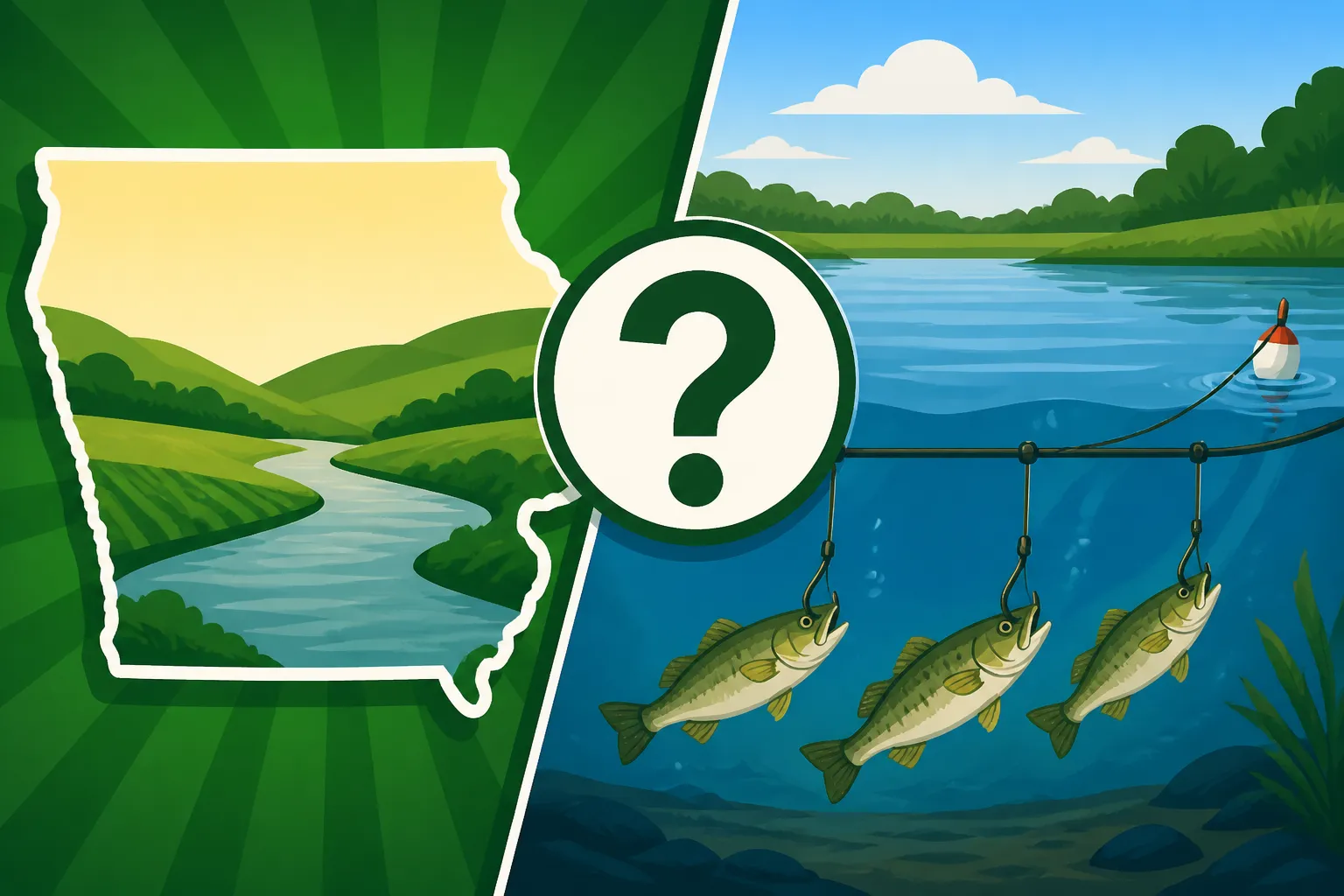
Before we dive into the nitty-gritty of the law, let's make sure we're all on the same page about what a trotline actually is. In its most basic form, a trotline is a long main fishing line stretched across a body of water, or anchored from the shore, from which numerous shorter drop lines, each with a baited hook, are suspended. Unlike a standard rod and reel setup where an angler actively holds and monitors their line, trotlines are typically set and left to fish passively, checked periodically by the angler.
They're usually anchored at both ends to ensure they stay in place, and often marked with floats to make them visible and aid in retrieval. People use them to catch multiple fish at once, and they've historically been a popular method for targeting bottom-dwelling species like catfish. This passive nature is precisely why they fall under a different set of rules than active fishing with a rod and reel.
The "Yes, But…" of Iowa Trotline Law
So, to answer the burning question: Is trotline fishing legal in Iowa? The short answer is yes, but it comes with a significant "but." Trotlines are permitted in certain waters of Iowa, but they are subject to strict regulations concerning the number of hooks, length, proper labeling, and the waters in which they can be used. It’s not a free-for-all, and the days of running dozens of unmarked, unchecked lines are long gone.
It's easy to get frustrated when it feels like the rules are constantly changing or are overly complicated, especially when you just want to get out and fish the way folks used to. However, these stringent regulations are in place for very good reasons. They help prevent overharvest, protect non-target species, ensure fair access for all anglers, and maintain the safety of our waterways for boaters and other users. Without these rules, trotlines could easily become an unsustainable method, depleting fish stocks and causing environmental issues.
Navigating the Specific Regulations for Trotline Fishing in Iowa
Understanding that trotlines are legal is just the first step. The real challenge, and where many anglers can get tripped up, lies in knowing and adhering to the specific details of Iowa's fishing regulations. These aren't just suggestions; they are enforceable laws designed to protect our natural resources.
Hook and Line Limits: Keeping It Fair
When it comes to trotlines, Iowa's Department of Natural Resources (DNR) has very clear limits on how many hooks you can deploy. An individual angler is allowed to use no more than five (5) set lines, which includes trotlines, throw lines, or bank lines. Furthermore, each of these individual set lines can have a maximum of 15 hooks.
This means that, as a single angler, you could potentially have up to 75 hooks actively fishing at one time (5 lines x 15 hooks per line). While this might sound like a lot, it's a carefully considered limit. This restriction ensures that no one angler can dominate a fishing area or take an excessive number of fish, which could negatively impact the overall fish population. It’s about balance, giving trotline anglers a productive method while safeguarding the resource for everyone. For comparison, remember the rules about How Many Fishing Poles You Can Use in Iowa for traditional rod and reel fishing are quite different.
Length, Labeling, and Location: Marking Your Territory
Beyond the number of hooks, there are crucial rules about how your trotline is constructed, identified, and where it can be placed.
- Line Length: Each set line, throw line, or trotline may not exceed 200 yards in length. This helps prevent lines from becoming unmanageably long, which could pose navigation hazards or make tending difficult.
- Labeling: This is a non-negotiable requirement. Every single trotline you set must be clearly tagged or labeled with your full name and address or your Iowa DNR customer identification number. This is vital for accountability. If a line is found unattended, causing an issue, or simply needs to be identified, wildlife officers need to know who it belongs to. You can find durable, weather-resistant tags on platforms like Amazon that are perfect for this purpose.
- Water Body Restrictions: This is perhaps one of the most critical aspects. Trotlines are NOT permitted in all waters of Iowa. Specifically, they are prohibited in all public lakes, federal waters (like federal reservoirs unless specifically designated otherwise by federal agencies, which is rare for trotlines), and all designated trout streams. You might be surprised to learn that even some of the popular fishing spots for species like crappie or walleye at the Iowa Great Lakes are off-limits for trotlines.
- So, where are they allowed? Trotlines are primarily restricted to the major boundary rivers: the Mississippi River, the Missouri River, and the Big Sioux River, along with their associated backwaters and sloughs. If you're planning a trip to a local lake or a scenic trout stream in Northeast Iowa, leave the trotlines at home! Always check the latest Iowa Fishing Regulations Explained booklet to confirm specific water body rules before you go.
Tending Your Lines and Species Considerations
Setting the line isn't the end of your responsibilities; it's an ongoing commitment.
- Tending Requirement: All trotlines, throw lines, and bank lines must be personally attended at least once every 24 hours. This means you can't just set your lines on Friday and come back on Sunday. You need to check them, remove any fish, re-bait if necessary, and release any non-target or undersized species promptly and carefully. This rule is crucial for animal welfare, ensuring fish aren't left on the line to suffer or spoil unnecessarily. For those interested in Night Fishing Rules for Anglers, this 24-hour tending requirement is especially important, as lines set at dusk still need to be checked the following day.
- Target Species: While the regulations don't always explicitly state "trotlines are only for catfish," this method is overwhelmingly used for targeting catfish species such as channel catfish, flathead catfish, and blue catfish. When learning How to Catch Catfish in Iowa, trotlining often comes up as a historical and effective method. If you happen to catch other species, like bass or walleye, that are not legal to keep by trotline or are out of season or undersized, they must be released immediately and unharmed. Always be aware of the Iowa Fishing Daily Bag Limits Guide and specific Catfish Possession Limits to ensure you're in compliance.
| Regulation Category | Specific Rule in Iowa | Details/Clarification |
|---|---|---|
| Legality | Permitted | Yes, but under strict conditions. |
| Number of Lines | Max 5 set lines | An individual can use up to five set lines (includes trotlines, throw lines, bank lines). |
| Hooks Per Line | Max 15 hooks | Each individual set line, including trotlines, cannot have more than 15 hooks. |
| Total Hooks | Max 75 hooks | If using 5 lines, total hooks for one angler cannot exceed 75. |
| Line Length | Max 200 yards | Each set line, throw line, or trotline may not exceed 200 yards in length. |
| Labeling | Mandatory | Each line must be tagged with angler's full name and address or Iowa DNR customer ID number. |
| Water Bodies | Rivers & associated backwaters/sloughs only | Specifically permitted on Mississippi, Missouri, and Big Sioux Rivers and their backwaters/sloughs. Not permitted in public lakes, federal waters, or trout streams. |
| Tending | Once every 24 hours | Lines must be personally attended and checked at least once every 24 hours. |
| Target Species | Primarily Catfish | While not explicitly listed, trotlines are typically used for catfish. Other species must be released if out of season/illegal. |
Practical Advice and Ethical Considerations for Trotline Anglers
Following the letter of the law is crucial, but being a truly responsible angler goes beyond just knowing the rules. It also involves ethical practices and common sense to ensure a positive experience for everyone on the water.
Choosing the Right Gear for Compliant Trotlining
Using the right equipment can make all the difference, not just in catching fish, but in setting and retrieving your lines safely and compliantly. When considering Catfish Gear Guide for Iowa Rivers, remember trotlines have unique needs.
- Main Line: You'll want a strong, abrasion-resistant line for your main trotline. Braided nylon or polypropylene lines with a high pound test (e.g., 200-500 lb test) are excellent choices. They can withstand the pull of multiple fish, snags, and river currents.
- Drop Lines and Hooks: For the drop lines, a slightly lighter but still strong line (e.g., 80-150 lb test) is suitable. For hooks, many experienced trotline anglers prefer circle hooks. These hooks are designed to catch in the corner of the fish's mouth, which significantly reduces the chance of gut-hooking. This is particularly important for easy and humane release of non-target species or undersized fish. Ensure your hooks are appropriately sized for the catfish you're targeting; large, sturdy hooks are best.
- Anchors and Floats: You'll need sufficiently heavy anchors (bricks, concrete blocks, specialized trotline weights) to hold your line securely, especially in river currents. Durable, brightly colored floats are essential for marking your line's location, making it visible to others and easy for you to find and tend. You can find a good selection of these heavy-duty items, including trotline kits and individual components, on platforms like Amazon.
- Tools: A sturdy pair of gloves, a de-hooking tool, and a sharp knife are indispensable for safely handling fish and managing your line.
This is all part of how to successfully How to Set Up a Trotline for Catfish while staying compliant.
Setting Up and Tending Your Trotline Effectively
Once you have your gear, knowing how to deploy it effectively and ethically is key.
- Location Scouting: Catfish, especially big flatheads, love structure. Look for deep holes, fallen trees, log jams, and sharp river bends. These are prime spots for them to hide and ambush prey. Learning How to Find Deep Holes for Catfish is a valuable skill for trotlining. Consider setting your lines in quieter backwaters or sloughs connected to the main river channel, where currents are less intense and there's less boat traffic.
- Bait Selection: Catfish are opportunistic feeders. Cut bait (like shad, carp, or suckers), stink baits, and live bait (such as large shiners or bluegill, if legal to use as bait in that specific water body) are all effective. Make sure your bait is fresh and securely attached to the hooks.
- Minimizing Impact: When setting your line, be mindful of other anglers, boaters, and wildlife. Do not set lines across narrow channels or high-traffic areas where they could pose a hazard. Ensure your floats are clearly visible. And, perhaps most importantly, always retrieve all your gear when you are done fishing. Abandoned lines are a serious hazard, becoming "ghost fishing" devices that can harm fish, birds, and other aquatic life for years. We all want to enjoy our time on the water, so let's make sure we're not negatively impacting others' experiences or the environment.
The Bigger Picture: Why Iowa's Trotline Regulations Matter
It might seem like a lot of rules just to set a line in the water, but every regulation for trotline fishing, like all Iowa Fishing Regulations Explained, serves a vital purpose in maintaining the health and accessibility of Iowa's natural resources.
Conservation and Resource Management
At its heart, conservation is about ensuring that we have healthy fish populations for generations to come. Trotline regulations directly contribute to this goal by:
- Preventing Overharvest: Limiting the number of hooks and lines directly controls the potential take of fish. Without these limits, a few individuals could quickly deplete local fish stocks, especially slow-growing species.
- Protecting Non-Target Species: The 24-hour tending rule, combined with the preference for circle hooks, greatly reduces the mortality of unintended catches. If a bass or an undersized catfish bites, a responsible angler can release it quickly and safely, allowing it to survive.
- Combating "Ghost Fishing": The labeling and tending requirements are crucial in preventing lost or abandoned lines from continually catching and killing fish. Unattended lines are a significant environmental problem, and these rules are designed to mitigate that.
Respecting Other Anglers and the Environment
Fishing is often a shared activity, and responsible angling means respecting those around you and the environment.
- Safety: Unmarked or poorly placed trotlines can be serious hazards for boaters, swimmers, and even other anglers. Clear labeling and appropriate placement prevent accidents and ensure safer waterways for everyone.
- Fair Access: Regulations ensure that no single fishing method or individual can monopolize a fishing area, allowing everyone to enjoy their chosen pastime, whether that's casting a lure for bass or setting a trotline for catfish.
- Environmental Stewardship: By requiring anglers to tend their lines and remove all gear, the DNR promotes a "leave no trace" ethic. This keeps our rivers clean, healthy, and beautiful for all forms of recreation. If you ever see a violation, knowing Where to Report a Fishing Violation in Iowa is crucial.
Penalties for Non-Compliance
It's important to remember that these are not just guidelines; they are legal requirements. Failing to adhere to Iowa's trotline regulations can result in significant penalties. These can include:
- Fines: Violations can carry monetary fines, which can quickly add up.
- Confiscation of Gear: Your trotlines, anchors, floats, and even caught fish can be confiscated by a DNR officer.
- Loss of Fishing Privileges: Repeated or severe violations could lead to the suspension or revocation of your fishing license.
The DNR takes these regulations seriously because they are fundamental to preserving Iowa's fisheries. Just as there are Penalties for Exceeding the Daily Bag Limit for rod and reel anglers, there are serious consequences for misusing trotlines. Always err on the side of caution, and if you're ever unsure about a regulation, consult the official Iowa DNR fishing regulations online or in their annual booklet.
Disclaimer
The information provided in this guide is for general informational purposes only and is not legal advice. Fishing regulations in Iowa can change, and it is the angler's sole responsibility to consult the most current Iowa Department of Natural Resources (DNR) fishing regulations before engaging in any fishing activities. Always verify all rules and requirements with official sources.