How to Fish Muddy Water After a Storm
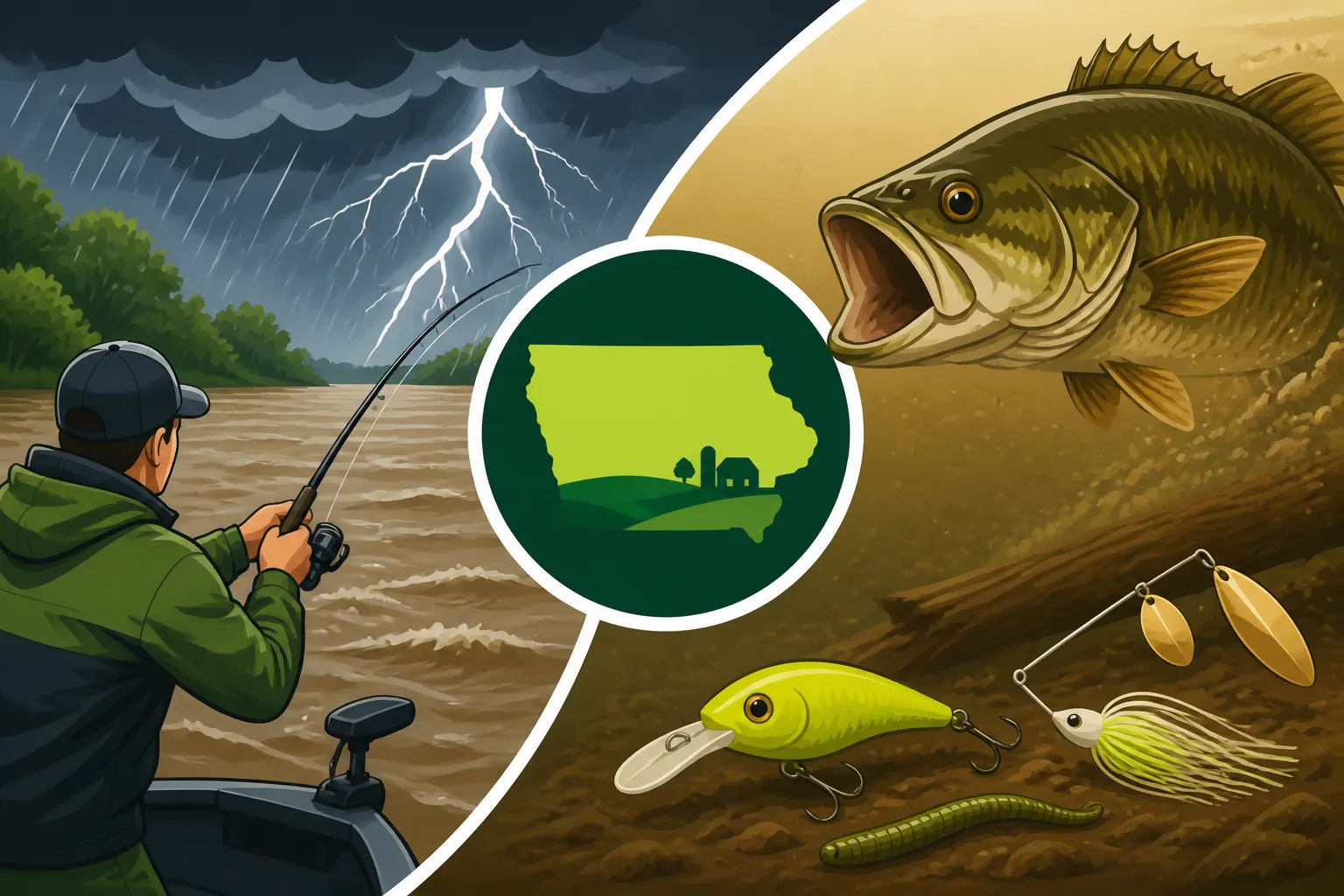
Oh, the classic Iowa conundrum! You've been planning that fishing trip all week, checking the forecast every hour, only for a torrential thunderstorm to roll through the night before. You wake up, look out at your favorite river or lake, and instead of clear, inviting water, you're greeted with a murky, chocolate-milk mess. It's frustrating, isn't it? Many anglers just pack it in, assuming the fishing will be terrible. But what if I told you that muddy water after a storm isn't always a bust? This guide is going to dive deep into how you can successfully navigate and even thrive in these challenging conditions, turning what seems like a setback into an opportunity to land some great fish.
Understanding Why Water Gets Muddy After a Storm
When a big storm hits, especially after a dry spell, it can completely transform our beautiful Iowa waterways. All that rain running off fields, roads, and yards picks up loose soil, sediment, leaves, and other debris, carrying it straight into our rivers and lakes. This influx of suspended particles is what gives the water that distinct muddy or "chocolate milk" appearance, significantly reducing visibility. It's not just an aesthetic change; it profoundly impacts the underwater environment and the fish that call it home.
The Science Behind Murky Waters and Fish Vision
Think about how hard it is for us to see clearly when driving in a downpour or thick fog. Fish experience something similar, but often even more intensely, when the water gets muddy. Most predatory fish, like walleye and bass, rely heavily on their eyesight to hunt. They use their vision to spot prey, identify structure, and ambush their next meal. When the water turns cloudy, their primary sense for hunting is severely impaired. The suspended particles scatter light, making it difficult for fish to discern shapes, colors, and movements beyond a few inches. This dramatically shrinks their effective hunting zone and can make them more hesitant to strike.
Beyond just sight, muddy water can also affect other environmental factors. It often brings a drop in water temperature, especially if the rain is cold. It can also change oxygen levels, though this is usually a more gradual effect. For an angler, the key takeaway is that fish can't see your lure or bait as easily, so you need to compensate by appealing to their other senses. This fundamental shift in conditions demands a different approach if you want to be successful.
How Fish React to Post-Storm Conditions
Fish are survivors, and they adapt quickly to changes in their environment. When the water gets muddy, their behavior patterns shift. Instead of actively chasing down prey in open water, many species will move closer to cover or structure, seeking refuge from the current and the disorienting murk. They might hug the banks of a river, tuck into submerged timber, or find deeper holes where the current is less aggressive and the sediment might settle out a bit. Their metabolism might slow down slightly, making them less inclined to expend energy on long chases.
Some fish species handle muddy water much better than others. Catfish, for example, are perfectly at home in murky conditions. They primarily rely on their incredibly sensitive barbels, which are packed with taste buds and scent receptors, to locate food. Other species, like carp and bullheads, also do well. Walleye and bass, while usually sight-feeders, will adapt by relying more on their lateral line system to detect vibrations and their sense of smell to track down food. Understanding these shifts in behavior is crucial because it tells you where to look for fish and what techniques to employ. It's not about them disappearing; it's about them moving and changing how they feed.
Essential Gear and Bait for Muddy Water Success
Fishing in muddy water demands a change in your tackle box strategy. What works well in clear conditions often falls flat when visibility drops to zero. You need to select lures and baits that actively compensate for the fish's impaired vision, leaning heavily on other senses like smell, vibration, and even amplified visual cues. This is where your gear choices can make a significant difference between a slow day and a successful outing.
Visual Attractors: Colors and Contrasts
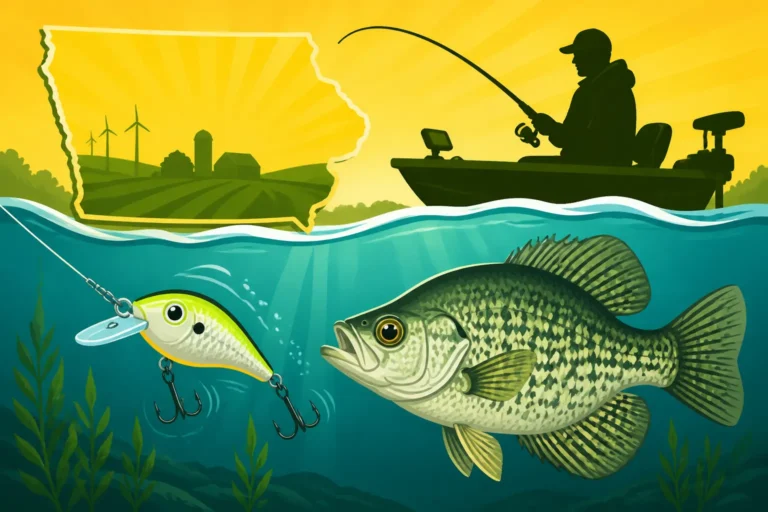
Even with reduced visibility, some light still penetrates the water, and fish can detect strong contrasts and specific colors. Forget the natural, subtle presentations you might use in clear water. In muddy conditions, you want to go bold. Think bright, fluorescent, and dark, silhouette-producing colors. Chartreuse, neon green, bright orange, and hot pink are excellent choices because they stand out even in low light. Darker colors like black or dark purple can also create a strong silhouette against the slightly lighter murky water, making them easier for fish to detect.
Consider using lures with painted blades or bodies in these high-contrast colors. Spinnerbaits with bright chartreuse or orange blades are fantastic because they combine visual appeal with vibration. Crankbaits in similar bold patterns can also be effective. You're trying to grab a fish's attention from a greater distance than they would normally be able to see. Don't be afraid to experiment with combinations, like a black and blue jig with a chartreuse trailer. Many anglers find great success stocking up on these vibrant options, often available on platforms like Amazon, for those days when the water just won't clear up.
Scent and Vibration: Appealing to Other Senses
Since sight is compromised, appealing to a fish's sense of smell and their lateral line system (which detects vibrations) becomes paramount. This is where natural baits and heavily scented artificials truly shine. For catfish, this is a no-brainer. Stink baits, cut bait (like shad or carp), chicken livers, or even worms all release powerful scents that catfish can home in on from afar. You can find detailed tips on Best Bait for Channel Catfish to really boost your success.
For species like bass and walleye, adding scent to your lures is a game-changer. Many soft plastics come pre-scented, or you can add scent sprays and gels to any lure. The stronger the scent, the better, as it creates a "scent trail" that fish can follow even if they can't see the bait. Lures that produce strong vibrations are also incredibly effective. Chatterbaits, lipless crankbaits, and spinnerbaits create a disturbance in the water that fish can feel with their lateral line. Even jigs with large, flapping trailers can move enough water to attract attention. The combination of strong scent and potent vibration is often the one-two punch that triggers strikes in the murk.
Rods, Reels, and Line for Muddy Conditions
Your rod, reel, and line setup might not change dramatically, but there are a few considerations for muddy water. First, because you're often fishing in cover or heavier current, and potentially with less finesse due to the low visibility, a slightly heavier action rod can be beneficial. This gives you more power to control fish and extract them from snags. Medium-heavy to heavy power rods are good choices, especially for bass or catfishing.
When it comes to line, many anglers prefer a slightly heavier line than they might typically use in clear water. Since fish can't see your line as well, you don't need to be as concerned with line visibility. This allows you to step up to 10-20 lb test monofilament or fluorocarbon, or even braided line for its sensitivity and strength. Braided line can be particularly useful because it has no stretch, allowing you to feel subtle bites even when the water is pushing against your line or current is strong. Having a reliable reel with a smooth drag is always important, as unexpected hookups in heavy cover can test your equipment.
Best Techniques for Fishing Muddy Iowa Waters
Now that we've talked about what gear to use, let's get into the nitty-gritty of how to fish these challenging conditions. It's not just about throwing a bright lure; it's about understanding fish behavior and adjusting your presentation to maximize your chances. Patience and strategic thinking become even more critical when the water is dirty.
Locating Fish in Discolored Water
The first and often hardest step in muddy water is finding the fish. Remember how fish react to post-storm conditions? They often seek refuge from strong currents and disorienting murk. This means you should focus your efforts on areas where fish can escape these conditions.
- Slack Water and Eddies: Look for areas where the main current slows down or creates an eddy. This could be behind a fallen tree, a large rock, or a bend in the river. Fish will conserve energy in these calmer zones.
- Shallow Water Near Cover: In some cases, fish might move into very shallow, often warmer water near heavy cover, such as submerged brush piles, weed lines, or docks. The cover provides security, and the shallower water might warm up faster, making fish more active.
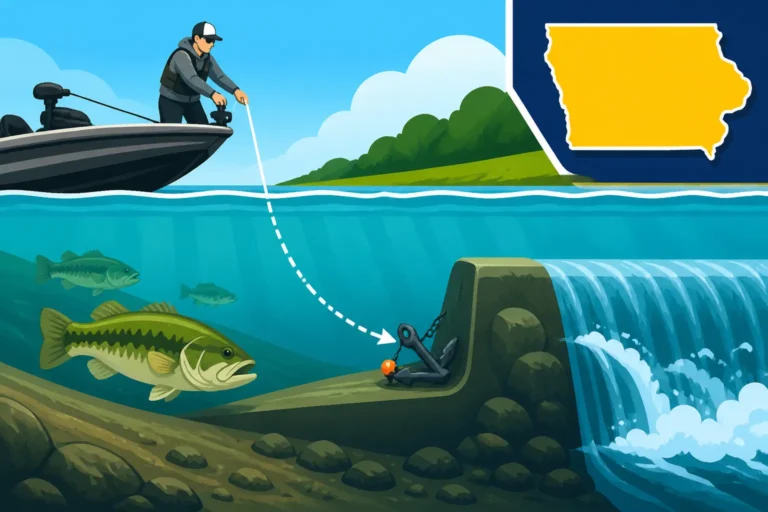
- Structure: Any kind of underwater structure, be it a rock pile, a log jam, or a channel swing, can hold fish. They'll use these features for ambush points or as a break from the current. Don't forget about man-made structures like bridge pilings or riprap.
- Mouths of Tributaries: If a smaller, clearer stream or ditch flows into the muddy main body of water, the clearer water can attract baitfish, which in turn draws in predators. These "cleaner water seams" are prime targets.
- Depth Changes: Sometimes fish will simply move to deeper holes or channels where the sediment might have settled a bit, and the current is less powerful. Using your depth finder, if you have one, can reveal these hidden havens.
When you find one fish, there are often more. Take note of the exact spot and conditions, and try to replicate your success in similar areas.
Presenting Your Bait Effectively
Once you've identified a promising area, your presentation needs to be deliberate and often slower than usual. Fish aren't going to chase a fast-moving bait in the murk.
- Slow It Down: The general rule for muddy water is to slow down your retrieve. Give fish more time to locate your bait by scent and vibration. Jigs should be worked slowly along the bottom, crankbaits should be retrieved at a crawl, and live baits should be allowed to drift naturally.
- Make Noise and Vibration: As discussed, lures that create a lot of vibration are key. This includes chatterbaits, lipless crankbaits, and spinnerbaits. Work them in a way that maximizes their thumping and rattling action.
- Bottom Bouncing: Many species, especially catfish and walleye, will hug the bottom in muddy conditions. Focus your efforts there. Bottom-bouncing rigs with live bait or scented plastics can be incredibly effective. For How to Catch Walleye in Iowa, adapting to bottom presentations is often key in these situations.
- Vertical Jigging: If you're fishing a deep hole or a specific piece of structure, vertical jigging can be very effective. This keeps your lure in the strike zone longer and allows you to impart subtle movements and vibrations right where the fish are holding.
- Live Bait is King: When all else fails, live bait is often the most reliable option. Worms, minnows, or even cut bait for species like catfish provide natural scent and movement that can be irresistible. Consider how a simple setup for How to Catch Catfish in Iowa can be enhanced in muddy water just by focusing on their incredible sense of smell.
Remember to keep your bait in the strike zone for as long as possible. Multiple casts to the same piece of cover are often necessary to trigger a bite.
Safety Considerations After a Storm
Beyond fishing techniques, safety is paramount, especially when you're out on the water after a significant storm. The conditions that create muddy water can also create hazards you wouldn't normally encounter.
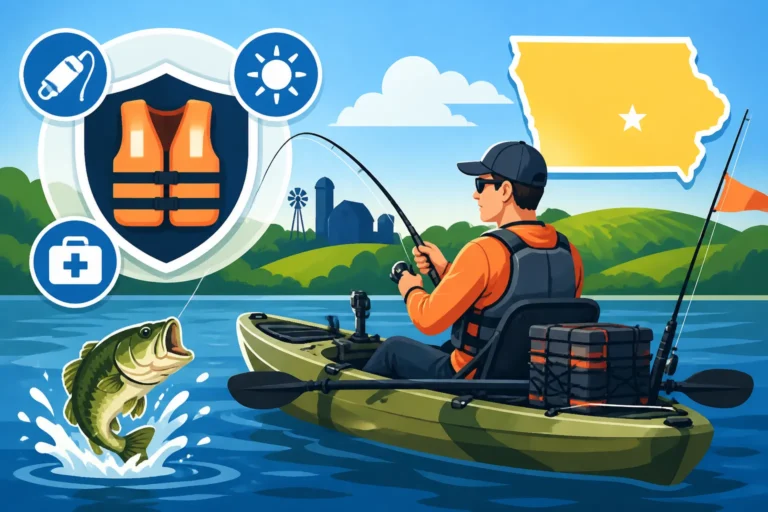
- Current and Debris: Rivers and streams can have significantly stronger currents and carry more debris (logs, branches, even garbage) after a storm. This makes boating hazardous. Always wear a life jacket and be extra vigilant for floating or submerged obstacles. If the current is too strong or the debris too heavy, it's safer to stick to shore fishing or choose a lake.
- Bank Stability: Riverbanks and shorelines can become unstable and slick after heavy rains. Be cautious when walking near the edge, especially if the water level is high. Muddy banks can be incredibly treacherous.
- Water Levels: Water levels can rise rapidly after a storm, potentially submerging familiar landmarks or creating new hazards. Be aware of your surroundings and any changes in water depth.
- Weather Awareness: Even after the main storm passes, secondary fronts or lingering showers can occur. Always check the forecast and be prepared for changing weather conditions.
- Water Quality: While generally safe for fish, the runoff that causes muddy water can sometimes carry pollutants. It's always a good idea to wash your hands thoroughly after handling fish and tackle, especially before eating.
A little common sense goes a long way. If conditions look too dangerous, it's always better to err on the side of caution and postpone your trip. Your safety is more important than any fish.
Species-Specific Strategies for Muddy Water in Iowa
While the general principles of bright colors, strong scents, and slow presentations apply across the board, tailoring your approach to specific Iowa fish species can really dial in your success. Different fish have different tolerances for murky water and respond to different stimuli.
Targeting Catfish in the Murk
Catfish are undoubtedly the kings of muddy water. Their exceptional sense of smell and robust lateral line system mean they often become more active when visibility drops. They're already accustomed to foraging in low-light, turbid environments. This is where Does Rain Improve Catfish Fishing? becomes clear – it often does!
When targeting channel catfish in the murk, go with strong-smelling baits. Prepared stink baits are a classic, but fresh cut bait, chicken livers, and nightcrawlers are also incredibly effective. The goal is to create a scent plume that drifts with the current, leading fish right to your hook. Fish these baits on the bottom using a slip-sinker rig or a simple Carolina rig. Look for them in deeper holes, along current breaks, or at the mouths of feeder creeks where nutrient-rich runoff attracts baitfish. Remember your Channel Catfish Daily Limit in Iowa and plan your catch accordingly. Flathead catfish prefer live bait, like a whole bluegill or a large chub, fished near wood structure in these same current-break areas. A stout rod and reel, perhaps with braided line, will help you pull these powerful fish out of the debris.
Pursuing Bass in Stained Environments
Largemouth and smallmouth bass, typically sight-feeders, require a different approach in muddy water. They don't disappear; they simply adjust. Largemouth tend to hug heavy cover like brush piles, laydowns, or dense vegetation. Smallmouth might tuck into rocky areas, current seams, or bridge pilings in rivers. Their reaction to How Weather Affects Bass Fishing often means seeking shelter.
For bass, focus on creating vibration and a strong profile. Spinnerbaits with large, thumping blades (chartreuse, white, or black) are excellent choices. Chatterbaits are also deadly, combining flash and vibration. Jigs with bulky soft plastic trailers in black-and-blue or junebug colors can be worked slowly along the bottom or through cover. Don't be afraid to add extra scent to all your artificials. Lipless crankbaits retrieved with a stop-and-go motion can also draw strikes. Remember, bass will often strike out of irritation or territoriality in low visibility, so a slow, deliberate presentation that gets right in their face is key. Check your local Bass Season and Size Limits before heading out.
Walleye and Panfish Tactics
Walleye can be a bit trickier in muddy water, but they are certainly catchable. They also rely on sight, but their eyes are incredibly adapted to low light. In muddy conditions, they'll often move shallower or closer to structure where they can ambush prey. For specific tactics, understanding How to Catch Walleye in Iowa in various conditions will be helpful.
Jigs tipped with minnows or scented soft plastics are excellent. Use bright colors like chartreuse, orange, or firetiger. Bottom-bouncing rigs with a crawler harness or a plain snell and a lively minnow can also be effective. Troll or drift these baits slowly along breaklines, channel edges, or in current seams where walleye might be holding. The vibration and scent will help them find your offering. On the Mississippi River, fishing wing dams can still be productive, but you'll need to slow down your retrieve significantly.
Panfish like crappie and bluegill will also move closer to cover in muddy water. Look for them in brush piles, under docks, or in submerged timber. Small jigs (1/32 to 1/16 oz) in bright colors (chartreuse, pink, orange) tipped with a small minnow, piece of worm, or crappie nibbler are often irresistible. Slow-retrieve small spinnerbaits or simply suspend a jig under a bobber in likely cover. For crappie, specifically, you might find success by targeting brush piles with a sensitive rod. It’s always a good idea to be mindful of the Crappie Daily Limit in Iowa when you're finding success.
By understanding how each species adapts to the murky conditions, you can fine-tune your approach and keep those fish biting, even when the water looks like coffee.
Muddy Water Fishing Cheat Sheet
To help you remember these key strategies, here's a quick cheat sheet for fishing muddy water after a storm:
| Strategy Aspect | Clear Water Approach (Contrast) | Muddy Water Approach (Focus) | Key Takeaway |
|---|---|---|---|
| Fish Sense Priority | Sight, then vibration | Smell, Vibration, then enhanced sight | Compensate for impaired vision. |
| Lure Colors | Natural, subtle, transparent | Bright (Chartreuse, Orange, Pink), Dark (Black, Purple) | Create strong contrast and visibility. |
| Scent | Optional | Essential (Scented lures, gels, natural baits) | Provide a strong attractant trail. |
| Vibration | Moderate | High (Chatterbaits, Lipless Cranks, large blades) | Attract fish via their lateral line. |
| Retrieval Speed | Varied, often faster for reaction | Slow, deliberate, stop-and-go | Give fish more time to find the bait. |
| Target Areas | Open water, deep structure | Current breaks, heavy cover, shallow edges, clear water seams | Fish seek refuge and ambush points. |
| Bait Choices | Live bait, diverse artificials | Strong-smelling natural baits (cut bait, worms), scented plastics | Maximize natural attractants. |
| Line Visibility | Important (Fluorocarbon) | Less critical (Heavier mono/fluoro, braided) | Focus on strength and sensitivity over stealth. |
| Rod Power | Finesse to Medium-Heavy | Medium-Heavy to Heavy for control and snags | Account for heavier cover and less finesse. |
This table provides a quick reference to help you switch gears mentally and practically when you encounter murky water conditions on your next Iowa fishing adventure. Many of these specialized baits and accessories are readily available to enhance your chances, often found through a quick search on Amazon or at your local tackle shop.
So, the next time a storm rolls through, don't despair when you see that muddy water. Instead, grab your gear, adjust your strategy, and get out there. You might just find that some of the best fishing happens when everyone else has packed up and gone home!
Disclaimer
This article is for general informational purposes only and does not constitute professional advice. Laws, prices and regulations vary by location and change over time. Consult a qualified professional for guidance on your specific situation.