How to Store Live Bait in Winter
There's nothing quite as frustrating for an Iowa angler as heading out for a day of ice fishing, full of anticipation, only to discover your carefully purchased live bait has gone limp, expired, or just isn't performing. The cold Iowa winter presents unique challenges for keeping minnows lively, worms wriggling, and leeches active, often leading to wasted money and missed opportunities on the ice. This comprehensive guide will walk you through the essential techniques and gear you need to store your live bait successfully through the coldest months, ensuring it's ready to entice those winter walleye or crappie whenever you are.
The Unique Challenges of Winter Bait Storage
Keeping live bait alive and kicking during Iowa's frigid winters isn't as simple as tossing it in a bucket and calling it good. The environmental conditions are harsher, and the margin for error is much smaller compared to warmer seasons. Understanding these specific challenges is the first step toward becoming a master bait keeper.
Temperature Swings and Their Impact on Bait Health
One of the biggest culprits behind dead bait in winter is inconsistent temperature. When you bring bait home from a warm bait shop, then place it in a cold garage, and then expose it to freezing air on the ice, those drastic fluctuations stress the bait's metabolism. Minnows, for instance, are cold-blooded creatures, and their systems struggle to adapt rapidly to wide temperature changes. They might go into shock, become sluggish, or simply perish.
Imagine buying a scoop of lively fatheads at a comfortable 50-degree bait shop. If you then put them directly into a bucket in a garage that dips to 30 degrees overnight, many of them won't survive the transition. Even slight warming and cooling cycles can exhaust them over time. The key here is stability. Your goal is to maintain a consistent, cool, but not freezing, water temperature that mimics their natural environment under the ice. This helps keep their metabolism slow and their energy reserves intact, making them more resilient when it's time to hit the water. This dedication to thermal stability is crucial for any serious ice angler, especially when you've invested in quality bait.
Water Quality Degradation and Its Dangers
Another silent killer of live bait, particularly minnows, is poor water quality. Just like us, fish need clean, oxygen-rich water to survive. In a small container, oxygen levels can quickly deplete, especially if you have a lot of bait. Even worse, as bait metabolizes and excretes waste, ammonia builds up in the water. This ammonia is toxic to fish and can quickly poison them. Chlorine and chloramine, often present in tap water, are also highly detrimental to baitfish gills and overall health.
Without proper filtration or regular water changes, your bait's environment rapidly becomes a toxic soup. This is why simply putting them in a bucket of tap water is often a death sentence. The waste products, combined with low oxygen, create a deadly cocktail that will leave you with a bucket full of dead or barely-alive bait. It's a waste of the money you spent on the bait and your time. Proper water management, including aeration and dechlorination, is non-negotiable for anyone serious about keeping their bait healthy for extended periods during the winter season.
The Cost Factor and Avoiding Waste
Let's be honest, live bait isn't free. Whether you're buying a dozen shiners for your tip-ups or a tub of waxworms for jigging panfish, those costs add up. Throwing away dead bait is literally throwing money down the drain. This becomes even more salient when you consider all the other expenses associated with a fishing trip, including your Iowa Fishing License Costs. Learning how to properly store bait is an investment that pays off by saving you money in the long run.
Beyond the monetary cost, there's the inconvenience. Nobody wants to make an extra trip to the bait shop on a cold morning, especially when prime fishing time is ticking away. Having healthy, readily available bait means you can grab your gear, head straight to your favorite ice fishing spot, and maximize your time on the water. It’s about being prepared and making the most of every opportunity, whether you're targeting big walleye or simply enjoying a relaxing day chasing panfish.
Essential Gear for Keeping Bait Lively
To combat the unique challenges of winter bait storage, you need the right tools. Think of it like setting up a mini habitat for your bait, designed to keep them comfortable and healthy until they're ready for action. Investing in good gear upfront will save you headaches and money in the long run.
Aerators and Air Stones: The Breath of Life
Oxygen is paramount for keeping minnows alive. An aerator, often a small, battery-powered pump, pushes air through an air stone, creating tiny bubbles that dissolve oxygen into the water. This process is absolutely vital for preventing your bait from suffocating in stagnant water. Without adequate aeration, oxygen levels will drop quickly, especially in warmer water or with a high density of bait.
There are many portable aerator options available, from simple bubble pumps to more robust models. Many anglers find excellent choices on sites like Amazon, offering a range of prices and features. For extended storage, especially for minnows, a continuous aerator is essential. For shorter trips or for transporting bait, a battery-powered model that you can switch on and off as needed works perfectly. Remember that even though it's cold, water still needs oxygen, particularly when the bait is confined. This is a crucial piece of gear for anyone serious about keeping minnows vibrant, and it's highlighted in our general guide to Ice Fishing Gear Basics for Beginners.
Insulated Bait Containers: Temperature Control is Key
As we discussed, temperature stability is critical. An insulated bait container, often resembling a small cooler, is designed to minimize temperature fluctuations. These containers help keep water cool on milder winter days and prevent it from freezing solid when temperatures plummet. A good insulated container will have enough space for your bait and water, and often includes an aerator connection port or even an integrated aerator.
Look for models with a tight-sealing lid to prevent splashes and further stabilize the internal temperature. Some popular options include specialized bait buckets that fit inside a standard 5-gallon bucket, adding an extra layer of insulation. For those longer trips or multi-day excursions, a larger insulated cooler can be a game-changer, allowing you to store a greater volume of bait and maintain better water quality. Consider How Cold Iowa Gets During Ice Fishing Season can affect non-insulated containers rapidly.
Water Treatments and Additives: Creating a Healthy Environment
Just filling your bait bucket with tap water can be detrimental due to chlorine and chloramine. These chemicals, designed to sanitize drinking water, are toxic to fish. A simple dechlorinator, available at any pet store or bait shop, can neutralize these harmful substances almost instantly. This is a must-have for every angler.
Beyond dechlorinators, there are various bait saver solutions that can help reduce ammonia buildup, condition the water, and even calm baitfish, reducing stress. These additives can extend the life of your bait significantly, especially if you're storing them for several days. While not always necessary for very short-term storage, they are highly beneficial for longer durations. Using these treatments properly is part of the comprehensive approach to How to Keep Minnows Alive Longer and other bait types.
Specific Storage Strategies for Popular Winter Baits
Different baits have different needs. What works for a minnow won't necessarily work for a waxworm, and vice-versa. Tailoring your storage strategy to the specific bait type is crucial for maximizing their lifespan and effectiveness.
Minnows: Keeping Them Swimming Strong
Minnows, like shiners, fatheads, or golden shiners, are perhaps the most popular live bait for winter fishing in Iowa, especially for targeting species like walleye. To keep them healthy, temperature is paramount. Aim for water temperatures between 35-45 degrees Fahrenheit (around 2-7 degrees Celsius). Colder water slows their metabolism, requiring less oxygen and producing less waste.
Use a good insulated bait container with a continuous aerator. Fill it with dechlorinated well water or conditioned tap water. Avoid overfilling the container with too many minnows; overcrowding leads to rapid oxygen depletion and ammonia buildup. A good rule of thumb is about one dozen minnows per gallon of water, but this can vary based on minnow size and overall temperature. Change about half the water every 1-2 days, or more frequently if you notice sluggishness or dead minnows. Never feed your minnows while storing them; food breaks down and fouls the water. For specific species, you might be looking for Best Minnow Species for Walleye Bait, and proper storage keeps those valuable minnows ready.
Worms: Waxworms, Mealworms, and Spikes
These insect larvae are fantastic for panfish like crappie and bluegill during the winter. Unlike minnows, they don't live in water. Their storage needs are much simpler but equally specific. The key is to keep them cool and dry in a breathable substrate.
- Waxworms: Store them in the sawdust or wood shavings they come in. Keep them in a refrigerator (not freezer!) at around 40-50 degrees Fahrenheit (4-10 degrees Celsius). They will last for weeks this way. Ensure their container has air holes, but not so large that they can escape.
- Mealworms: Similar to waxworms, mealworms thrive in a cool, dry environment. They often come in oatmeal or wheat bran. Again, the refrigerator is your friend.
- Spikes (Mousies): These maggots are also kept cool and dry. They are a bit hardier than waxworms. They usually come in wood shavings or cornmeal. A small container with a breathable lid in the fridge will keep them for a long time.
For all these worms, avoid direct sunlight or warm temperatures, as this will quickly shorten their lifespan and cause them to pupate or die. Many anglers find that specialty bait containers available on sites like Amazon are perfect for maintaining these conditions.
Leeches: Slimy but Effective
Leeches are another excellent winter bait, particularly for walleye, though they can be a bit trickier to manage due to their unique biology. They prefer cold, clean water.
Store leeches in a container with about an inch or two of dechlorinated water. The ideal temperature is just above freezing, around 33-38 degrees Fahrenheit (0.5-3 degrees Celsius). You can achieve this by keeping them in a dedicated bait fridge or a cooler with ice packs that don't directly touch the water. Change their water every 2-3 days, or whenever it appears murky. You don't need an aerator for leeches, as they can absorb oxygen through their skin. Avoid overcrowding, and don't add any substrate like dirt or sand, as this will foul the water. Just clean water and cool temperatures are all they need to stay lively for weeks, sometimes even months.
Cut Bait and Dead Bait: A Different Kind of Storage
While not "live" bait in the traditional sense, cut bait (like pieces of herring, sucker, or shad) and dead minnows are incredibly effective for certain winter applications, especially for large predators or tip-up fishing. Their storage is about preservation rather than keeping them alive.
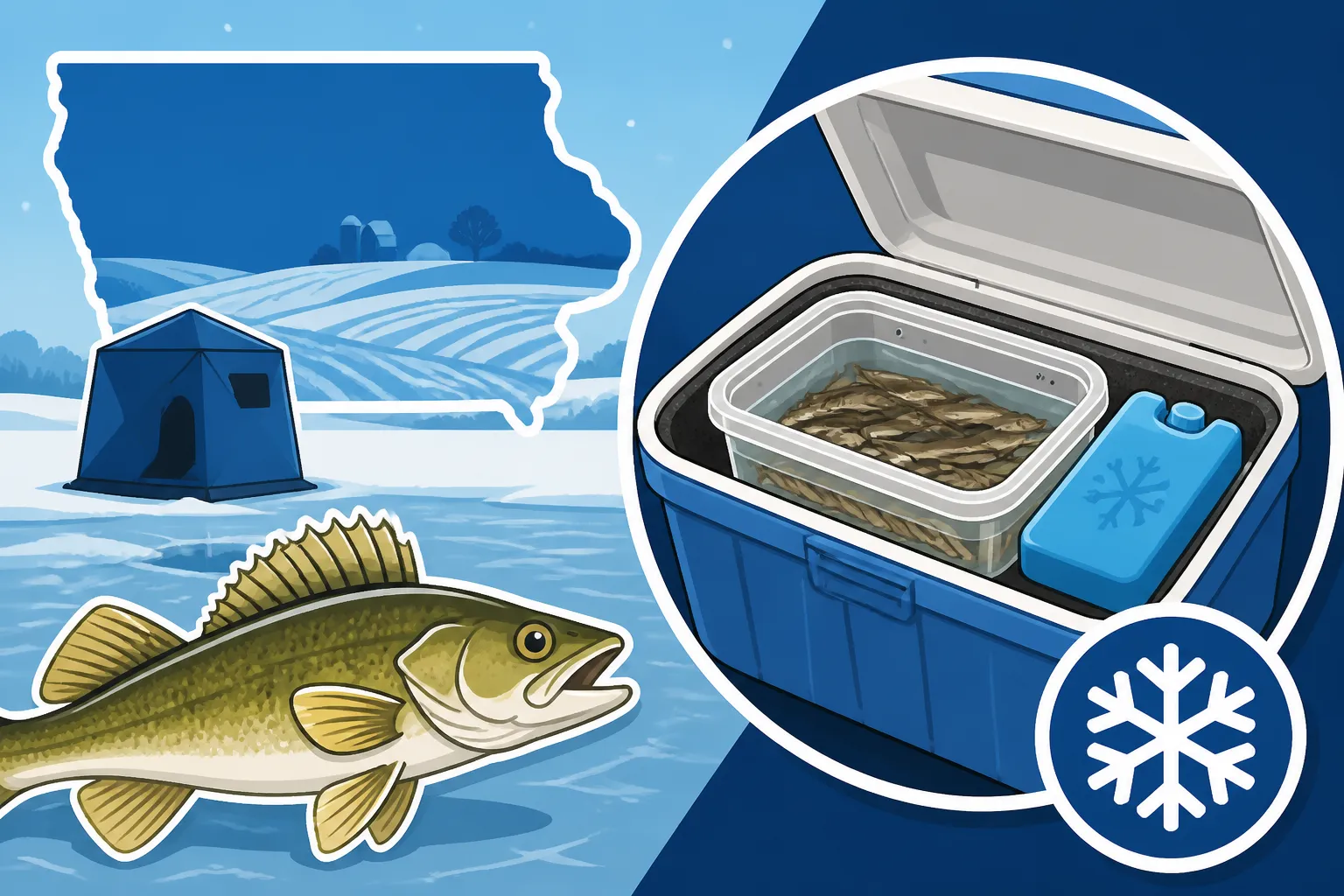
The best way to store cut bait or dead minnows is to freeze them. Flash freezing them individually on a tray before transferring them to a freezer bag can prevent them from clumping together. This allows you to take out just what you need for a trip. When you're ready to fish, slowly thaw the bait in a cooler on the way to your fishing spot. Rapid thawing can make the bait mushy and less appealing. Always keep frozen bait cold until use; once thawed, it degrades quickly. Using this method means you can prepare bait in advance and have it ready for action, whether you're chasing walleye at Best Time of Year to Fish the Iowa Great Lakes or elsewhere.
Best Practices for Long-Term Winter Bait Health
Successful long-term bait storage is an ongoing process, not a one-time setup. It requires consistent attention to detail and understanding the subtle cues your bait provides. Mastering these practices will turn you into a reliable bait provider for your winter fishing adventures.
Maintaining Optimal Conditions: Consistency is Key
The golden rule for long-term bait health is consistency. Once you've established the ideal temperature and water quality for your chosen bait, strive to maintain those conditions as steadily as possible. For minnows, this means regular, partial water changes to remove ammonia and replenish oxygen. Consider having a separate larger container for "holding" fresh, dechlorinated water at the correct temperature so you can perform quick, stress-free water changes.
If your minnows start swimming near the surface, gasping for air, it's a clear sign of low oxygen. Immediately check your aerator or perform a partial water change. If they're sluggish or listless, the water might be too warm, too cold, or contaminated. For worms and leeches, consistency means maintaining their cool, dark environment and ensuring their substrate (for worms) or water (for leeches) remains clean and appropriate. These details are critical for understanding how to properly care for your bait and ensuring you have the best possible chance of success when you're out ice fishing.
Location, Location, Location: Where to Store Your Bait
Where you store your bait at home significantly impacts its health. A garage can work, but be wary of drastic temperature swings. If your garage gets too warm during the day and freezes at night, it's not ideal. A basement, utility room, or even a dedicated bait refrigerator often provides a more stable, cooler environment. The goal is to avoid direct sunlight, which can rapidly heat water, and to minimize exposure to freezing drafts.
If you don't have a dedicated bait fridge, consider a corner of a cool basement. For worms, the vegetable crisper in your kitchen refrigerator (if your significant other allows!) is often perfect. Just ensure that wherever you choose, the bait is safe from pets and other disturbances. For extended storage of larger quantities of minnows, some serious anglers even invest in large bait tanks with filtration systems, though this is usually for commercial use or truly avid hobbyists. When heading out, transport your bait in a portable insulated container. This helps prevent rapid temperature changes on the way to the lake and keeps them lively right up until you drop them down a hole in your Best Portable Ice Shelter for One Person.
Troubleshooting Common Issues and Saving Your Bait
Even with the best intentions, things can go wrong. Recognizing common problems early can save your bait.
- Sluggish Minnows: This often indicates low oxygen or ammonia buildup. Check your aerator first. If it's running, perform an immediate partial water change. Use a dechlorinator if you suspect chlorine. Adding an ice pack (without directly touching the water) can also help cool the water and slow their metabolism, giving them a chance to recover.
- Cloudy Water: This is a red flag, usually indicating decaying organic matter (dead bait, uneaten food) or excessive waste. Immediately remove any dead bait, perform a major water change (50-75%), and ensure adequate aeration.
- Foul Odor: Similar to cloudy water, a bad smell means bacterial growth and decay. Address it as you would cloudy water.
- Worms Dying/Turning Black: This means they are either too warm, too wet, or past their prime. Discard dead worms immediately to prevent contamination of the rest. Ensure their substrate is dry and they are stored at the correct cool temperature.
By being observant and proactive, you can often rescue your bait from these common issues, ensuring you have plenty of healthy fish magnets for your next excursion. Remembering that Ice Fishing Safety on Iowa Lakes extends to safe bait handling and storage is a crucial part of being a responsible angler.
| Bait Type | Ideal Temperature (Fahrenheit/Celsius) | Container Type | Key Considerations |
|---|---|---|---|
| Minnows | 35-45°F (2-7°C) | Insulated, Aerated Bucket | Dechlorinated water, partial changes, no feeding |
| Waxworms | 40-50°F (4-10°C) | Breathable container, dry | Refrigerate, wood shavings/sawdust, good airflow |
| Mealworms | 40-50°F (4-10°C) | Breathable container, dry | Refrigerate, oatmeal/wheat bran, good airflow |
| Spikes (Maggots) | 35-45°F (2-7°C) | Breathable container, dry | Refrigerate, cornmeal/sawdust, good airflow |
| Leeches | 33-38°F (0.5-3°C) | Shallow container, water | Dechlorinated water, regular changes, no substrate |
| Cut Bait/Dead Bait | Frozen (below 0°F / -18°C) | Freezer bags, air-tight | Flash freeze individually, thaw slowly for use |
Disclaimer
This article is for general informational purposes only and does not constitute professional advice. Laws, prices and regulations vary by location and change over time. Consult a qualified professional for guidance on your specific situation.