When Ice Fishing Season Typically Starts in Iowa
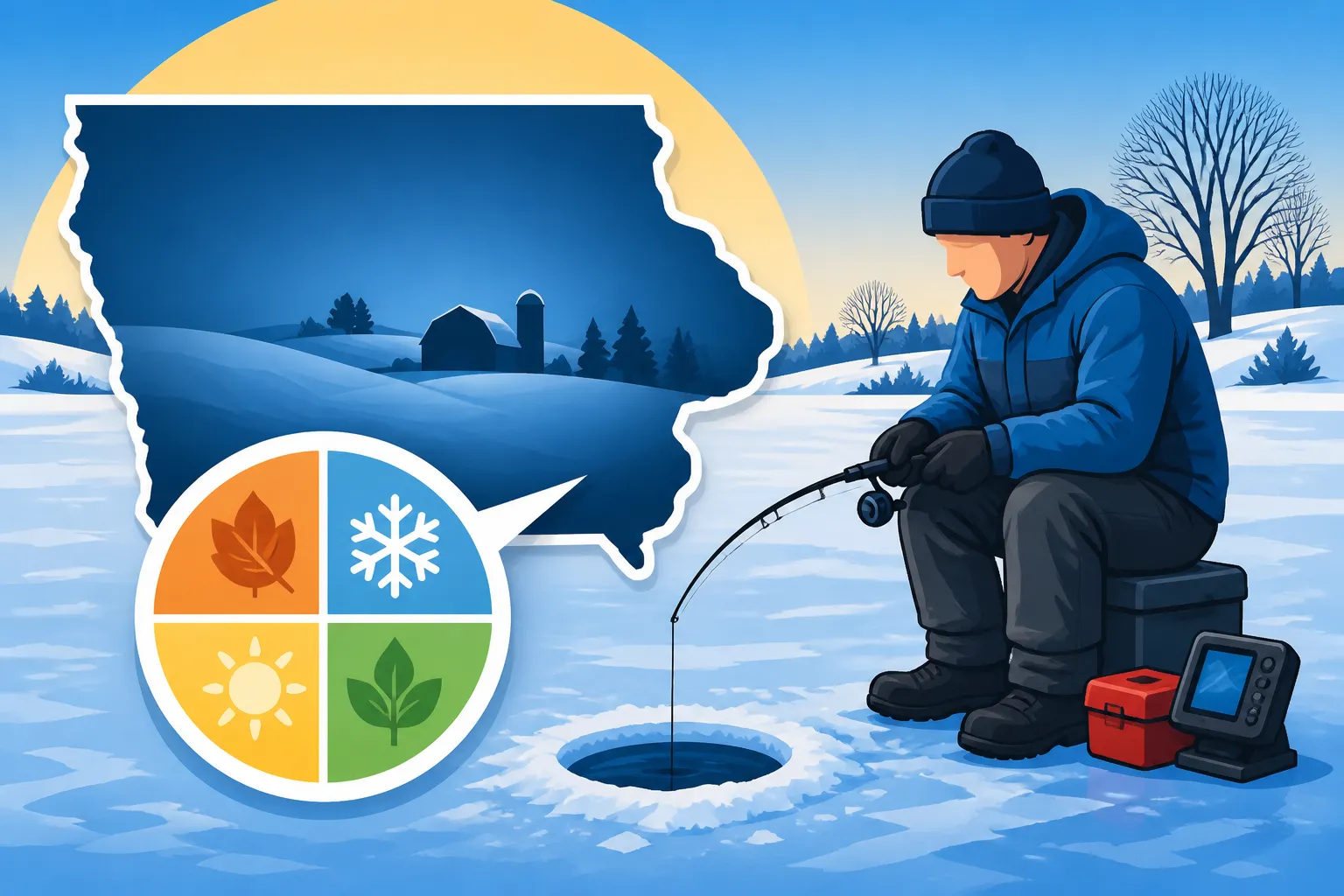
The crisp autumn air eventually gives way to a biting chill, and for many Iowa anglers, one question burns brighter than any other: "When can I finally get out on the ice?" It's a perennial frustration, isn't it? That anxious wait, constantly checking forecasts, peering at the water's edge for any sign of a solid freeze. Unlike a fixed fishing season opener, ice fishing doesn't have a specific calendar date, and this guide is here to shed some light on when ice fishing season typically begins in Iowa, and what factors truly dictate that first, anticipated hardwater bite.
Understanding the Factors That Dictate Iowa's Ice Fishing Season Start
Iowa's ice fishing season isn't something the DNR declares on a specific day; it's a dynamic process driven by Mother Nature herself. The moment eager anglers can safely step onto a frozen lake or pond depends on a complex interplay of environmental factors. Rushing it can be incredibly dangerous, so understanding these elements is crucial for both success and safety.
The Critical Role of Consistent Cold Temperatures
It's easy to get excited after a few nights dip below freezing, but truly safe ice requires a sustained period of cold weather. We're talking about daytime highs consistently staying below freezing, ideally in the 20s or even colder, with nighttime lows dropping into the teens or single digits. A brief cold snap followed by a warmer, sunny day can rapidly deteriorate nascent ice, turning a seemingly solid surface into a slushy, treacherous mess. The daily fluctuation of temperatures plays a huge role; sunny days, even if the air temperature is below freezing, can still cause ice to melt on the surface or near shore, creating weak spots. You need that deep, penetrating cold that saturates the ground and the water itself, allowing for uniform ice growth. Imagine a promising layer of ice forming, only for a sudden 40-degree thaw to roll in for a day or two – that ice can become compromised very quickly, losing its structural integrity in a way that isn't always visible.
Lake and River Specifics: Why Not All Waters Freeze at Once
One of the biggest misconceptions is that all bodies of water in Iowa will freeze over at the same time. This couldn't be further from the truth. The size and depth of a lake, as well as whether it's flowing water like a river, profoundly influence its freeze-up timeline.
Larger, deeper lakes, particularly those found in the Iowa Great Lakes region, such as West Okoboji Lake, hold a massive volume of water. This large thermal mass takes significantly longer to cool down to freezing temperatures and solidify compared to smaller, shallower ponds or reservoirs. Think of it like trying to boil a small teacup versus a giant pot of water; the teacup reacts much faster. Because of this, you'll often see anglers setting up their ice shelters on small, local ponds weeks before the big waters are safe.
Rivers, especially larger systems like the Mississippi River or the Des Moines River, present an even greater challenge. The constant flow of water makes it extremely difficult for ice to form uniformly across the main channels. Generally, only backwaters, coves, and slower-moving sections will develop fishable ice, and even then, conditions can vary dramatically just a short distance away. Anglers targeting these areas really need to understand the nuances of Iowa Fishing Regulations on the Mississippi River Border and exercise extreme caution around moving water. It's a whole different ballgame compared to a calm, landlocked pond.
Early Ice: The Thrill, The Risk, and the Safe Approach
There's nothing quite like the excitement of "first ice." The anticipation builds all fall, and when those first reports of safe ice trickle in, it's a stampede. But with that thrill comes a significant amount of risk that every angler must respect.
The Allure of First Ice and Why Caution is Key
Early ice often boasts some of the best fishing of the entire winter. The fish haven't seen much pressure, they're often still active after the fall feeding frenzy, and the clear, new ice can make for exhilarating sight-fishing opportunities. It's incredibly tempting to be among the first ones out there, to get a jump on those hungry crappie or walleye. This immediate gratification, however, can blind us to the inherent dangers.
New ice is rarely uniform. It can vary wildly in thickness even within a few feet. Springs, submerged structures that absorb heat, decomposing vegetation, and even fish movement can create weak spots. The ice can look solid from a distance, but be paper-thin in patches. This is why strict adherence to minimum ice thickness guidelines is paramount. A general rule of thumb for safe foot travel is at least four inches of clear, solid ice. Anything less is a gamble you should never take.
Beyond thickness, the quality of the ice matters. Clear, black ice is generally stronger than milky, opaque ice, which can indicate air bubbles or refrozen slush. Snow cover can also act as an insulator, slowing ice growth and making it harder to visually assess conditions. Always carry essential early ice safety gear, like ice picks worn around your neck, a spud bar for testing, and a floatation suit. Many reliable options for these critical items can be found readily available on sites like Amazon, ensuring you're prepared before you even step foot on the ice. Understanding these risks is part of being a responsible ice angler and contributes significantly to Ice Fishing Safety on Iowa Lakes.
How to Gauge Ice Safety Without Stepping on It
You don't need to put yourself in harm's way to assess ice conditions. There are several ways to make an informed decision before committing to a spot.
Firstly, use your eyes and ears. Look for changes in ice color or texture. Darker spots might indicate thinner ice, while areas with standing water or slush are definite no-gos. Listen for sounds; "booming" ice can be a good sign of uniform expansion, but sharp, cracking sounds, especially if they are repetitive or accompanied by visible movement, are red flags.
Secondly, a spud bar is your best friend during early ice. This heavy metal chisel allows you to test the ice thickness ahead of you with forceful jabs. If it goes through easily, you know it's not safe. Test every few steps, especially as you venture further from shore or into new areas. An ice auger can also be used for testing, drilling holes at regular intervals to measure the actual thickness. It’s always better to know the exact thickness, which is why understanding Best Ice Thickness for Safe Ice Fishing is so important.
Finally, gather intelligence. Check official sources like the Iowa Department of Natural Resources (DNR) weekly fishing reports, which often include ice conditions for popular lakes. More importantly, consult local bait shops. These folks are on the water daily, talking to anglers, and often have the most up-to-date, hyper-local information on specific bodies of water. Don't be shy; call them up and ask! Never rely solely on hearsay or social media posts without verifying. Always inform someone of your plans, and ideally, never venture onto early ice alone.
Regional Variations and Key Indicators for Iowa Anglers
Iowa is a fairly large state, and while we might share a love for fishing, the ice conditions can vary wildly from north to south, sometimes by weeks or even months. Knowing these regional differences is key to planning your winter outings.
North vs. South: A Tale of Two Freezes
The geographical layout of Iowa means a significant difference in climate from its northern border to its southern tip. This directly impacts when and how consistently ice forms. Northern Iowa, particularly regions around the "Iowa Great Lakes" like Spirit Lake and Clear Lake, typically experiences colder temperatures earlier and for longer durations. This means that these areas are often the first to see safe, fishable ice, sometimes as early as late November or early December if conditions are ideal. Anglers in the northern reaches of the state often get a longer ice fishing season overall. If you're planning a trip to the northern part of the state, it's worth checking out comprehensive resources like the Fishing the Iowa Great Lakes guide for specific lake conditions.
Conversely, central and southern Iowa often lag behind. Lakes like Rathbun Lake or Saylorville Reservoir, being further south, require a more prolonged and intense cold spell to develop stable ice. It's not uncommon for southern Iowa lakes to only offer a short, inconsistent ice fishing window, or sometimes not even fully freeze over with safe ice for an entire winter. You might see photos of anglers on thick ice in Dickinson County while folks near Burlington are still open-water fishing. This regional disparity is a fact of life for Iowa ice anglers. For those in the southern regions, patience is truly a virtue, and resources like Fishing Rathbun Lake in Iowa can help you understand what to expect from those larger, deeper southern impoundments.
DNR Resources and Community Wisdom: Your Best Friends
Navigating the unpredictable start of ice fishing season requires a proactive approach to information gathering. While nothing beats your own cautious testing, knowing where to look for reliable updates is invaluable.
The Iowa Department of Natural Resources (DNR) is a fantastic starting point. They often publish weekly fishing reports throughout the winter that include general ice conditions for popular fishing destinations across the state. These reports can give you a broad overview of which regions are starting to freeze and which areas still need more time. Checking the DNR's official website is always a smart first step.
However, for truly hyper-local, real-time conditions, nothing beats the wisdom of the local community. Bait shops, especially those situated right on the shores of popular lakes and rivers, are arguably the best source of up-to-the-minute ice reports. The owners and staff talk to dozens of anglers daily, see the ice themselves, and often have the most accurate picture of what's safe and what's not. Don't hesitate to give them a call! Additionally, local ice fishing clubs, online forums, and reputable social media groups dedicated to Iowa fishing can provide valuable peer-to-peer insights. Just remember to always cross-reference information and err on the side of caution.
Gear and Preparation for the Waiting Game
While you're anxiously watching the thermometer drop and dreaming of those first bites, it's the perfect time to ensure your gear is ready and your skills are sharp. The start of the ice fishing season can be fleeting, and you don't want to miss out because your auger isn't working or your tackle box is a mess.
Preparing Your Ice Fishing Arsenal (Even Before the Ice is Ready)
The moment the ice is safe, you want to be ready to go. The off-season, or the "waiting game" before hardwater, is ideal for checking and maintaining all your ice fishing gear. Start with your auger: are the blades sharp? Is the engine (if it's gas or electric) running smoothly? Many local shops offer sharpening services, or you can find replacement blades easily, often through online retailers like Amazon.
Next, inspect your ice shelters and shanties. Are there any tears in the fabric? Do all the zippers work? Are the poles in good condition? Checking these things now prevents frustrating surprises when you're trying to set up on a windy, cold morning. Go through your tackle box – sort out old line, organize your jigs, spoons, and tip-ups, and replace anything worn or broken. Consider stocking up on essential ice fishing tackle like jig heads, plastics, and minnow buckets. You can find a vast selection of these items on Amazon, ensuring you're well-equipped for various species and techniques. This proactive approach is a core part of the Ice Fishing Gear Guide for Iowa.
Finally, don't forget your personal gear. Lay out your Best Cold Weather Clothing for Ice Fishing, checking for rips, ensuring zippers and buttons work, and making sure all your layers are clean and ready to go. Test your portable heater, headlamps, and any other electronics. The better prepared you are, the more enjoyable and safer your first few trips will be.
What to Do When the Ice Isn't Quite There Yet
So, the mercury is dancing around freezing, but the lakes are still open water. What's an eager angler to do? Don't despair! This period offers unique opportunities and vital preparation time.
Firstly, if the open water season hasn't completely closed, consider some late-fall fishing. Many species, like walleye and crappie, are still very active in the colder water, feeding aggressively before the ice forms. This can be a fantastic time to catch some trophy fish before the hardwater season even begins. A quick look at a guide on Fall Fishing in Iowa or specific techniques for How to Catch Crappie in Iowa can point you in the right direction.
Secondly, use this time for education and planning. Review the current Iowa Fishing Regulations Explained to refresh your memory on bag limits, length restrictions, and any changes for the upcoming season. It’s also smart to consult the Iowa Fishing Season Dates and Limits for specific species you plan to target. Plan out your target locations, research bait options, and mentally prepare for the unique challenges and rewards of ice fishing. Sharpening your blades, organizing your gear, and simply reading up on techniques will make you a more confident and effective angler once the ice finally arrives. Embrace the anticipation, prepare diligently, and soon enough, you'll be hearing that delightful ping of a tip-up flag against the crisp winter air.
Here's a quick look at general ice thickness guidelines:
| Activity | Minimum Safe Ice Thickness (Clear, New Ice) |
|---|---|
| Foot Travel | 4 inches |
| Snowmobile / ATV | 5-7 inches |
| Small Car / Light Truck | 8-12 inches |
| Medium Truck | 12-15 inches |
| Ice Shanty (Permanent/Large) | 12-15+ inches |
Remember, these are minimum guidelines for clear, new ice. Slushy, milky, or "honeycomb" ice is significantly weaker and requires greater thickness for safety. Always add a buffer, and when in doubt, stay off the ice!
Disclaimer
This article is for general informational purposes only and does not constitute professional advice. Laws, prices and regulations vary by location and change over time. Consult a qualified professional for guidance on your specific situation.