Best Urban Fishing Ponds in Des Moines
Finding a peaceful spot to cast a line without driving for hours can feel like a dream for many anglers living in the heart of Des Moines. The hustle and bustle of city life often make us think that great fishing is miles away, but thankfully, our capital city holds some fantastic urban fishing opportunities right within its limits. This guide will walk you through the best urban fishing ponds in Des Moines, offering insights into what you can catch and how to make the most of your city angling adventures.
Discovering Des Moines' Hidden Fishing Gems
You don't need to head deep into the wilderness to find rewarding fishing experiences in Iowa. Des Moines, for all its urban sprawl, has a surprising number of accessible and well-managed ponds and small lakes that are perfect for a quick escape or a leisurely afternoon with a rod and reel. These spots are often stocked and provide excellent opportunities for a variety of popular sport fish, making them ideal for both seasoned anglers and families introducing kids to the joys of fishing.
Easter Lake Park
Nestled on the southeast side of Des Moines, Easter Lake Park is arguably the crown jewel of urban fishing in the city. This expansive 173-acre lake is not just a pretty face; it's a thriving fishery that has benefited from significant restoration efforts over the years. When you pull up to Easter Lake, you'll immediately notice the ample parking, well-maintained shoreline, and numerous amenities that make a fishing trip here incredibly convenient. It truly feels like a full-fledged natural escape, despite being just minutes from downtown.
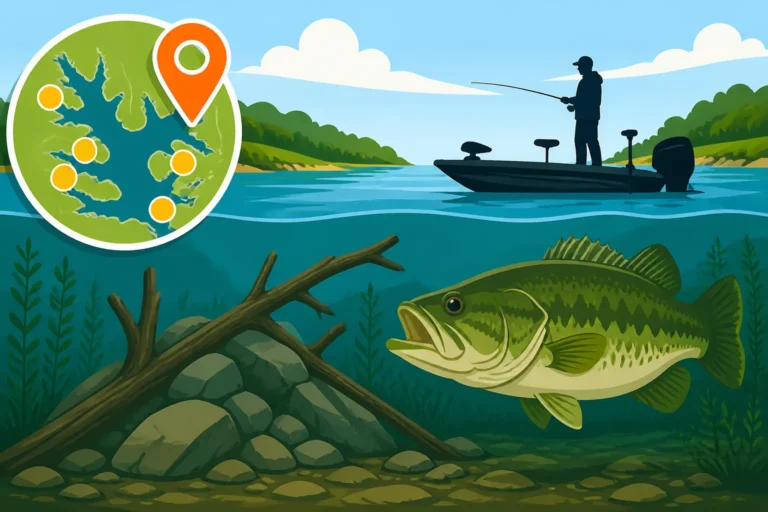
The lake is a multi-species haven, boasting healthy populations of largemouth bass, channel catfish, bluegill, and crappie. Recent habitat improvements, including the addition of rock reefs and submerged brush piles, have made it even more attractive to fish, concentrating them in areas accessible to shore anglers and boaters alike. You can easily spend an entire day here, moving from one cove to another, trying different techniques to see what's biting. For those without a boat, the extensive shoreline offers plenty of public access, including several fishing jetties that extend into deeper water, giving you an edge. Many anglers have found success here using simple techniques, proving you don't need a fancy setup to land some great fish.
Gray's Lake Park
Right on the edge of downtown Des Moines, Gray's Lake Park offers an incredibly accessible fishing experience that's hard to beat for convenience. While perhaps not as vast as Easter Lake, Gray's Lake holds its own as a vibrant urban fishery, especially known for its abundant panfish and smaller bass. The lake is a hub of activity, with people walking, kayaking, and paddleboarding, but there are still plenty of quiet spots to be found, particularly around the less-trafficked edges or during off-peak hours. It's a fantastic spot if you're looking for a quick outing after work or a short weekend trip.
Fishing at Gray's Lake is often about simple pleasures: a bobber dancing on the water, signaling a hungry bluegill or crappie. Largemouth bass are also present, often found hiding around the submerged vegetation near the edges. The park is well-maintained, with paved trails encircling the lake, providing easy access to various fishing spots. Keep in mind that specific bait restrictions might apply here, so it's always a good idea to check local signage or the Iowa Department of Natural Resources (DNR) regulations before you head out. This lake is a testament to how urban green spaces can provide invaluable recreational opportunities, including quality fishing, within a city's core.
Fort Des Moines Park Lake
For those who appreciate a slightly less bustling atmosphere than Easter or Gray's, Fort Des Moines Park Lake offers a serene alternative on the south side of the city. This charming 15-acre lake is part of a larger county park, providing a peaceful backdrop for your fishing endeavors. It's a great spot for families or anglers looking for a quieter experience, often yielding nice catches of largemouth bass, channel catfish, and various panfish. The park features a decent amount of shoreline access, picnic areas, and even a playground, making it a well-rounded destination for an outdoor day.
The habitat in Fort Des Moines Park Lake is quite diverse, with pockets of submerged weeds and some deeper holes that attract fish. Anglers often find success targeting the edges of the weed lines for bass or bottom fishing for catfish near the deeper areas. This lake might not get the same high-profile attention as its larger counterparts, but that often translates to less fishing pressure and potentially more cooperative fish. It's a truly pleasant place to unwind and enjoy some casual angling, showcasing another facet of Des Moines' commitment to providing accessible outdoor recreation.
Water Works Park Ponds
While Water Works Park is famously known for its vast green spaces and scenic river views, many people overlook the smaller, often less-pressured fishing opportunities within its bounds. The park features several smaller ponds that can be absolutely delightful for a quiet fishing session, especially for panfish like bluegill and sometimes even a decent bass or two. These ponds are typically shallower and more intimate, offering a different kind of urban fishing experience than the larger lakes.
These smaller ponds are fantastic for introducing children to fishing, as the action can be steady, and the fish are often less wary. A simple hook, bobber, and a worm can provide hours of entertainment. Because they're part of a sprawling park, you might even find a secluded spot that feels miles away from the city. Just remember to be mindful of parkgoers enjoying other activities. Always consult the signage for any specific regulations pertaining to these smaller water bodies. These ponds prove that even within the most central parks, a little exploration can lead to some surprisingly rewarding fishing spots.
Why Urban Fishing Is a Unique Challenge and Reward
Urban fishing isn't just about convenience; it offers its own set of distinct challenges and, when overcome, immensely satisfying rewards. It's a different rhythm compared to fishing remote, wild waters, requiring adaptability and an appreciation for the unique dynamics of city environments. Understanding these aspects can dramatically improve your success and enjoyment. Many anglers enjoy the simplicity and accessibility, making it easy to fit a quick trip into a busy schedule, perhaps even booking a short local trip through platforms like FishingBooker to explore guided options if you're new to the area.
Navigating Crowds and Limited Space
One of the most apparent challenges in urban fishing ponds, especially in popular spots like Easter Lake or Gray's Lake, is the presence of other people. You'll share the shoreline with walkers, joggers, picnickers, and fellow anglers. This means finding your personal space can sometimes be a bit of a dance. It’s important to be courteous, give others ample room, and be mindful of your casting area to avoid tangling lines or snagging someone's hat! Early mornings or late evenings often provide the most solitude and can be the best times to fish without the busiest crowds.
Limited space can also mean limited casting angles or fewer prime spots available. This is where patience and adaptability come into play. Instead of getting frustrated, see it as an opportunity to refine your casting accuracy or try different retrieval methods in confined areas. Sometimes, the less obvious spots, a small pocket of water between two trees or a corner of a jetty, can hold fish that are less pressured. Learning to observe how others are fishing and what they're catching (or not catching) can also give you valuable clues about where to focus your efforts.
Dealing with Variable Water Quality and Pressure
Urban ponds, by their very nature, are susceptible to fluctuations in water quality due to runoff from surrounding developed areas. This can introduce nutrients or sediment after heavy rains, impacting water clarity and oxygen levels, which in turn affects fish behavior. Fish in these environments can also be more wary due to constant fishing pressure. They've seen more lures, felt more hooks, and are generally more educated than their counterparts in less-fished waters. This can certainly be a frustration, but it also means landing a good fish feels like an even greater accomplishment.
To succeed, you often need to scale down your tackle, use lighter lines, and present your baits more subtly. Experimenting with different lure colors and sizes, or switching to live bait like worms or minnows, can often make a significant difference. Pay close attention to recent weather patterns; fishing after a good rain might clear out some of the surface debris but could also stir up sediment, so understanding these nuances is key. Remember, fish are still fish, and they need to eat, but in urban settings, they often demand a bit more finesse and persistence from the angler.
Essential Techniques and Species for Des Moines Ponds
Urban ponds in Des Moines are teeming with accessible fish species that are perfect for honing your angling skills. While you might not be hunting for trophy-sized monsters every trip, these waters consistently offer fun and engaging fishing experiences. Knowing what to target and the best ways to approach these species will significantly boost your success rate. For those seeking guidance, many local resources, including fishing guides found on platforms like FishingBooker, can provide invaluable localized knowledge.
Targeting Panfish and Bass
Panfish, primarily bluegill and crappie, are the bread and butter of Des Moines' urban ponds. These eager biters are fantastic for anglers of all ages and skill levels. For Bluegill Fishing in Iowa, a simple setup is often all you need: a light spinning rod, a small hook (size 8-12), a bobber, and some live bait like wax worms, red worms, or even a small piece of corn. Cast near submerged cover, docks, or weed lines, and watch that bobber disappear! Crappie, on the other hand, often prefer small jigs or minnows fished under a bobber. They tend to school up around brush piles or timber, so locating these structures is key. A simple 1/16 oz jig in chartreuse or white can be deadly when they're active.
When it comes to Largemouth Bass Fishing in Iowa, these urban ponds can offer surprising action. While you might not pull out 10-pounders every time, healthy bass populations are present in most of the larger ponds like Easter Lake and Fort Des Moines Lake. Bass love cover, so focus your efforts around lily pads, fallen trees, weed edges, and any underwater structure you can find. Soft plastics like Texas-rigged worms or Senkos are incredibly effective, as are small spinnerbaits or crankbaits in natural colors. Topwater lures can also provide exhilarating strikes during early mornings or late evenings, especially during warmer months. Remember, for Bass Fishing Tips for Iowa Farm Ponds (which apply well to urban ponds), subtlety and patience are often more important than power.
Catfish Strategies for Urban Waters
Channel catfish are another incredibly popular and plentiful species in Des Moines' urban ponds, offering a powerful fight and excellent table fare. These whiskered bottom dwellers thrive in a variety of conditions and can grow quite large even in smaller bodies of water. They're often most active during low light conditions – dawn, dusk, and especially at night – making them a perfect target for those evening fishing sessions. Unlike some other species, catfish aren't usually picky eaters, which is good news for anglers.
The best approach for Channel Catfish Fishing in Iowa in urban ponds is almost always bottom fishing. A simple rig consisting of a slip sinker, a swivel, and a snelled hook (size 2/0 to 4/0) baited with something smelly and irresistible is your best bet. Popular baits include chicken livers, cut bait (pieces of shad or bluegill), shrimp, or prepared "stink baits" that you can find at any local tackle shop. Cast your rig out into deeper holes, channels, or near creek inlets, and let it sit on the bottom. Pay close attention to your rod tip, as catfish bites can range from a subtle tap to a violent yank. Don't be afraid to leave multiple lines out (within legal limits, of course) to increase your chances. Urban ponds often have surprisingly robust catfish populations, providing thrilling battles just minutes from home.
Regulations and Best Practices for City Anglers
Even within the city limits, state and local regulations still apply, and it's every angler's responsibility to know and abide by them. Fishing in Des Moines' urban ponds means you're often in public parks, which can sometimes have additional rules beyond state mandates. Adhering to these guidelines not only keeps you legal but also ensures these precious fishing resources remain healthy and enjoyable for everyone. Before you head out, a quick check on the Iowa DNR website for Iowa Fishing Regulations Explained is always a smart move.
Understanding Local and State Rules
First and foremost, anyone aged 16 or older needs a valid Iowa fishing license to fish in public waters, including urban ponds. You can find comprehensive details in the Iowa Fishing License Guide. There are different license types for residents and non-residents, and it's essential to have the correct one. Beyond licenses, state regulations cover daily bag limits and size limits for various species. For example, there are specific limits for bass, catfish, and crappie that help manage fish populations. Exceeding these limits can result in hefty fines and even loss of fishing privileges.
Additionally, many city parks have their own set of rules. This might include restrictions on live bait (especially in smaller, managed ponds to prevent invasive species introduction), motor size limits (or outright bans) on boats, specific hours for park access, or even designated fishing areas. For example, while Easter Lake allows electric motors, gasoline motors are often restricted or prohibited. Always look for signage at the park entrance or around the lake itself, or check the specific park's website before you go. Being informed about these local nuances is crucial for a hassle-free fishing trip.
Promoting Conservation and Respect
As urban anglers, we are stewards of these accessible fisheries. Practicing conservation and showing respect for the environment and other park users is paramount. Catch and release is a fantastic way to ensure healthy fish populations, especially for larger bass or other sport fish that contribute to the gene pool. If you plan to keep fish for dinner, only keep what you'll consume and always adhere strictly to the daily bag limits. Proper fish handling, such as minimizing time out of water and using wet hands to reduce slime coat damage, also significantly increases a fish's survival chances.
Beyond fish, let's keep our parks pristine. Pack out everything you pack in, and perhaps even pick up any stray litter you find. Fishing line, bait containers, and other refuse can harm wildlife and detract from the beauty of these urban escapes. Remember that you're sharing these spaces with non-anglers too. Be mindful of casting lines near walkers or cyclists, keep noise levels down, and generally contribute to a positive atmosphere. Your actions reflect on the entire fishing community, and by being responsible, we help secure the future of urban fishing spots for generations to come. For tips on where to start, looking up Shore Fishing Techniques for Beginners can provide a good foundation for enjoying these accessible spots responsibly.
Gear Essentials for Des Moines Urban Ponds
You don't need a boatload of specialized equipment to enjoy urban fishing in Des Moines, but having the right basic gear can certainly enhance your experience. Think versatility and portability, as you might be walking to different spots or dealing with varied conditions. Whether you're targeting panfish, bass, or catfish, a few key items will make your trip more successful and enjoyable. For a general overview, check out an Iowa Fishing Gear Guide to get started.
Basic Rod and Reel Setups
For most urban pond fishing, a medium-light to medium action spinning rod between 6 and 7 feet long is a perfect all-around choice. Pair this with a 2500 or 3000 series spinning reel spooled with 6-8 pound monofilament or fluorocarbon line. This setup is versatile enough to handle everything from panfish on a bobber to a decent largemouth bass on a spinnerbait. Monofilament is a good choice for beginners due to its stretch and ease of handling, while fluorocarbon offers more sensitivity and is less visible underwater. For targeting Channel Catfish Fishing in Iowa, you might consider stepping up to a medium-heavy action rod with 10-15 pound line to handle their strong pulls.
Having a second, lighter setup, like a 5-6 foot ultra-light rod with a small 1000 series reel and 4-pound test line, can be incredibly fun for panfish. It makes even small bluegill feel like fighters and provides excellent sensitivity for detecting light bites. Remember, you don't need to break the bank for quality gear. Many affordable combos available at local sporting goods stores or online retailers like Bass Pro Shops or Cabela's will serve you well.
Essential Tackle Box Contents
A well-stocked, yet compact, tackle box is crucial. For Des Moines urban ponds, focus on baits and lures that are proven fish catchers for the species you'll encounter. For panfish, include a variety of small jigs (1/32 to 1/8 oz) in bright colors like chartreuse, white, and pink, along with tiny soft plastic bodies, crickets, and a supply of bobbers and small hooks. For bass, pack an assortment of soft plastics (worms, creature baits) in natural colors like green pumpkin or black-blue, a few small crankbaits or spinnerbaits, and perhaps a topwater frog or popper for surface action.
Catfish anglers should ensure they have larger hooks (1/0 to 4/0), various sinker weights (1/2 oz to 1 oz egg or pyramid sinkers), and a good supply of their preferred stink bait, chicken liver, or cut bait. Don't forget swivels, extra line, a pair of fishing pliers (essential for hook removal and cutting line), a small first-aid kit, and sunscreen. A small cooler to keep bait fresh and your catch cold is also highly recommended. Organizing your Best Tackle Box Setup for Beginners efficiently means less time fumbling and more time fishing.
| Pond Name | Primary Species | Accessibility & Shore Access | Unique Features | Best For |
|---|---|---|---|---|
| Easter Lake Park | Bass, Catfish, Crappie, Bluegill | Excellent, multiple jetties, boat ramps | Extensive habitat improvements, boat rentals | Multi-species fishing, families, all skill levels |
| Gray's Lake Park | Panfish, Bass | Excellent, paved perimeter trail | Iconic city landmark, non-motorized boat rentals | Quick trips, panfishing, downtown access |
| Fort Des Moines Park Lake | Bass, Catfish, Panfish | Good, quieter shoreline access | Part of a larger, serene county park | Peaceful angling, families, less crowded |
| Water Works Park Ponds | Panfish, smaller Bass | Variable, more intimate spots | Numerous smaller, often overlooked water bodies | Introducing kids, quiet solitude, panfishing |
Comfort and Safety Items
Beyond your rod and reel, a few comfort and safety items can significantly improve your urban fishing experience. A comfortable, portable chair can make long periods of shore fishing much more enjoyable, especially when you find a good Shore Fishing Access Near Des Moines spot. A wide-brimmed hat and polarized sunglasses are essential for sun protection and for cutting glare off the water, allowing you to spot submerged structure or even cruising fish. If you plan to fish near dawn or dusk, or even at night for catfish, a reliable headlamp is a must-have.
Don't forget bug spray, especially during warmer months or if you're fishing near wooded areas. Finally, always carry a small trash bag to pack out all your refuse and consider wearing appropriate footwear – waterproof boots or shoes are great for navigating potentially damp or uneven shoreline terrain. Being prepared for your local fishing trip ensures that your focus remains on the joy of the catch, not on discomforts. For those looking for more specific information on local fishing hotspots, searching platforms like FishingBooker can sometimes reveal local guides who specialize in these urban waters, offering tailored advice and experiences.
Disclaimer
Fishing regulations and conditions in Iowa can change. Always consult the official Iowa Department of Natural Resources (DNR) website for the most current rules and advisories before heading out. This guide is for informational purposes only and should not replace official state and local guidelines.