Best Spots on the Iowa River for Catfish
Fishing for catfish on the Iowa River can be incredibly rewarding, but figuring out where to cast your line for the best results can feel like searching for a needle in a haystack. This sprawling river offers a ton of potential, yet knowing the specific honey holes where those big channel and flathead cats hang out is the key to a successful outing. This guide is dedicated to helping you pinpoint the best spots on the Iowa River for catfish, sharing tried-and-true locations and the secrets to consistently bringing in those whiskered beauties.
Understanding the Iowa River for Catfish
Before we dive into specific locations, let's talk a bit about what makes the Iowa River such a fantastic catfish fishery. It’s a diverse river, meandering through various landscapes, from agricultural fields to more timbered areas. This variety creates a multitude of habitats that catfish absolutely love, but understanding these general characteristics will greatly improve your ability to find fish, even in stretches you haven't explored before.
The River's Character and Catfish Preferences
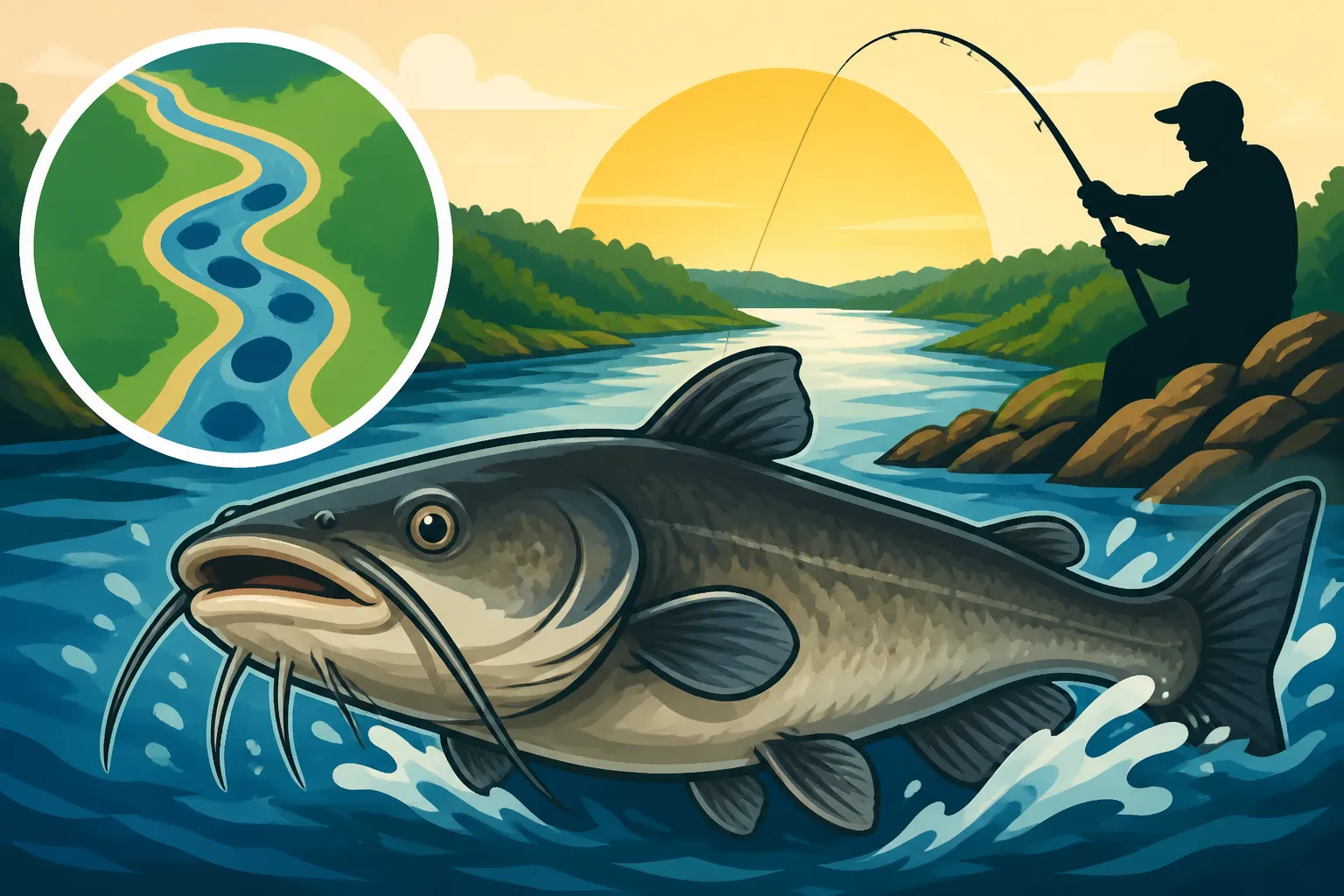
The Iowa River, for much of its length, is characterized by a mix of slower pools, moderate current runs, and deeper bends. The bottom composition can vary, ranging from silty flats to stretches of rock and gravel. For catfish, especially the robust channel and flathead varieties, structure is paramount. They seek out areas that offer ambush points, shelter from strong currents, and places to forage. This means you should be on the lookout for natural features like fallen trees and logjams, known affectionately as "snags" by seasoned anglers. These woody debris piles create current breaks and deep pockets, making them prime real estate for a hungry flathead or a lurking channel cat.
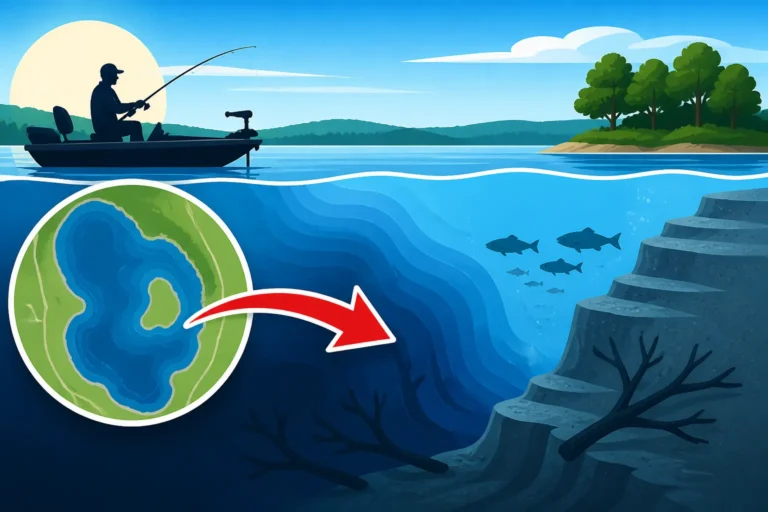
Additionally, deeper holes, often found on the outside bends of the river, are magnets for catfish. The current scours these areas, creating depressions where fish can hold in comfort, especially during brighter parts of the day or when water levels are lower. Look for subtle depth changes, underwater humps, or even old bridge pilings – anything that breaks the uniform flow and offers a hiding spot is a potential catfish hotspot.
Key Water Conditions and Their Impact
Water conditions are arguably the most critical factor influencing where catfish will be found on the Iowa River. Catfish are incredibly sensitive to changes in water levels, clarity, and temperature. For instance, after a significant rainfall, the river might become muddy and rise rapidly. While this can make fishing challenging for some species, catfish often thrive in these conditions. The increased current dislodges insects and other food sources, and the reduced visibility provides a sense of security for these bottom feeders. During these periods, focus on areas with slightly slower current, like eddies behind sandbars or submerged structures, as fish will move out of the main current to conserve energy.
Conversely, during periods of prolonged drought and low, clear water, catfish tend to retreat to the deepest holes and heaviest cover available. They become more nocturnal in their feeding habits during these times, making night fishing particularly effective. Water temperature also plays a huge role; catfish become more active feeders as the water warms in spring and summer, peaking when temperatures are consistently in the 70s Fahrenheit. Understanding how these factors interact will help you predict where the fish are holding and adjust your tactics accordingly.
Prime Catfish Hotspots Along the Iowa River
Now, let's get down to the nitty-gritty: specific areas along the Iowa River that consistently produce good catfish catches. While the entire river holds potential, certain stretches offer more accessible or productive opportunities due to their inherent structure and habitat.
Central Iowa River Sections
The middle stretch of the Iowa River, particularly areas around and downstream of Marshalltown and Iowa City, offers some fantastic opportunities for catfish anglers. Near Marshalltown, the river often features a mix of rocky bottoms, submerged timber, and deeper pools. Public access points and bridge crossings can be excellent places to start. Look for points where the current digs out deep pockets, especially on the downstream side of any significant structure. You might find some excellent How to Find Deep Holes for Catfish in these areas.
Further south, the Iowa River flows out of the Coralville Reservoir, and the tailwaters below the dam can be incredibly productive, though always be mindful of safety and restricted access areas. The increased current and oxygen levels here tend to concentrate baitfish, which in turn attracts hungry catfish. Downstream from Iowa City, as the river snakes towards the Mississippi, it broadens and deepens in many places. Here, you'll find more significant logjams and substantial current breaks, especially along the heavily wooded banks. These are classic flathead havens. Remember to consult the Iowa Fishing Regulations Explained before you head out, as rules can vary slightly depending on the specific stretch.
Tributary Confluences and Slackwater Areas
One of the best-kept secrets for consistent catfish action on any river, including the Iowa River, is focusing on tributary confluences. These are points where smaller creeks or streams merge with the main river. These junctions often create ideal conditions for catfish. Firstly, the incoming water from the tributary can carry nutrients and baitfish, creating a feeding buffet. Secondly, the merging currents often carve out deeper holes or create distinct current seams and eddies, which catfish love to patrol. Look for these "mouths" where streams like Clear Creek, Lime Creek, or any unnamed feeder creek meet the Iowa River.
Beyond the main channel, don't overlook slackwater areas, oxbows, and protected backwaters. These calmer sections, often formed by historical river meanders, offer refuge from strong currents and can warm up faster in the spring, attracting catfish early in the season. They also tend to accumulate natural debris and offer dense cover. While these areas might hold more channel catfish than flatheads, they can provide steady action, especially when the main river is high and muddy. Many of these spots are perfect for setting up a few lines from the bank or a small boat. If you're looking for an experienced hand to guide you to these specific local spots, services like FishingBooker list experienced local guides who know the Iowa River like the back of their hand and can put you right on the fish.
Here's a quick overview of some prime areas for different catfish species:
| Iowa River Section / Location Type | Primary Catfish Species | Key Habitat Features | Best Time to Fish |
|---|---|---|---|
| Below Coralville Dam (tailwaters) | Channel, Flathead | Strong current, deep holes, rocky structure | Spring, Summer (day & night) |
| Marshalltown area bends/logjams | Channel, Flathead | Deep bends, submerged timber, current breaks | Summer, Fall (day & night) |
| Tributary mouths (e.g., Clear Cr.) | Channel | Current seams, nutrient influx, calmer water | Spring, Summer (day) |
| Oxbows & Backwaters (lower river) | Channel | Slack water, heavy cover, mud/silt bottom | Spring, Early Summer (day) |
| Downstream from Iowa City | Flathead, Channel | Large logjams, deep scour holes, strong current | Summer, Fall (night) |
Essential Techniques and Baits for Iowa River Catfish
Having the right gear and bait can make all the difference, especially when you're targeting big, strong catfish in a river environment. Catfish aren't usually picky eaters, but presenting your bait correctly significantly boosts your chances of success.
Tried-and-True Rigging for River Catfish
When fishing the Iowa River for catfish, a stout rod and reel combo is non-negotiable. You'll be dealing with strong currents and even stronger fish, not to mention the potential for snagging. A medium-heavy to heavy action rod, about 7 to 8 feet long, paired with a reliable baitcasting or spinning reel spooled with 20-50 pound test monofilament or braided line, is a solid setup. For specific advice on setting up your gear, check out our guide on the Best Rod Setup for Catfish on the Mississippi River, which offers tips directly applicable to the Iowa River.
The most effective rig for river catfish is often a simple bottom fishing setup. The slip sinker rig, also known as a Carolina rig, is a perennial favorite. It consists of an egg sinker (or flat no-roll sinker in heavy current) threaded onto your main line, followed by a bead (to protect your knot), a barrel swivel, and then a leader (12-24 inches) tied to a sturdy circle hook (sizes 5/0 to 8/0 are common). The beauty of this rig is that it allows the fish to pick up the bait and run without feeling the weight of the sinker, leading to more solid hooksets. Another effective rig, especially in current, is a three-way swivel rig, which keeps your bait off the bottom but still in the strike zone. Remember, How Many Fishing Poles You Can Use in Iowa also dictates how many rigs you can have in the water at once.
Best Baits to Entice Iowa River Catfish
Catfish are opportunistic feeders, but they do have preferences that can be exploited. For channel catfish, you generally can't go wrong with classic smelly baits. Cut bait—pieces of shad, skipjack, or even common carp—is incredibly effective. The oils and scent trail it leaves in the water are irresistible. Store-bought stink baits, chicken livers, and nightcrawlers are also excellent choices, especially for numbers of channel cats. For a deep dive into bait choices, our Catfish Bait Guide for Iowa Anglers has all the details you need.
Flathead catfish, on the other hand, are primarily piscivores and prefer live bait. A lively bluegill, green sunfish, or bullhead, hooked through the back or lips, is a flathead's favorite meal. Ensure your live bait is within legal size limits for use. Presenting live bait effectively means ensuring it can swim naturally and attract attention. Many anglers, especially those new to a specific stretch of river, find immense value in booking a guided trip through platforms like FishingBooker to learn these bait presentations firsthand. The guides often have an intimate knowledge of what baits are working best on any given day.
Timing Your Iowa River Catfish Adventure
Timing isn't just about showing up; it's about showing up when the catfish are most likely to be active and biting. Understanding seasonal patterns and daily behaviors will significantly increase your success rate on the Iowa River.
Seasonal Catfish Patterns
Catfish activity on the Iowa River generally mirrors the changing seasons. Spring, particularly late April through June, can be fantastic. As water temperatures rise, catfish become more active after their winter lethargy. They move into shallower areas, especially those near spawning grounds (like muddy flats or woody debris), to feed heavily before and during the spawn. This is a prime time for channel catfish.
Summer (June through August) is arguably the peak season for both channel and flathead catfish. The warm water makes them aggressive feeders, and they'll be found in a wider variety of habitats, from deep holes to current breaks along the banks. This is also when the bigger flatheads are most active, often hunting at night. As fall approaches (September through October), catfish begin to bulk up for winter, leading to another surge in feeding activity. They'll be targeting larger meals and often concentrate in deeper parts of the river. For broader understanding of the fishing calendar, check out our Iowa Fishing Season Dates and Limits.
Daily Windows and Weather Wisdom
Catfish are often most active during low-light conditions. Dawn, dusk, and especially night are prime times for both channel andhead flathead catfish on the Iowa River. During the brightest parts of the day, catfish tend to retreat to deeper, darker cover, becoming less active. However, don't rule out daytime fishing entirely, especially if you're targeting heavy cover with live bait for flatheads or fishing after a rain event that muddies the water.
Weather patterns also play a critical role. A stable period of warm weather often leads to consistent fishing. Interestingly, an approaching storm front, with its dropping barometric pressure, can often trigger a feeding frenzy in catfish. The fish seem to sense the change and feed aggressively before the weather turns. Conversely, fishing immediately after a severe cold front, with clear skies and high pressure, can be tough, as fish tend to become sluggish. Always pay attention to the forecast, not just for safety, but to help predict fish behavior. If you're considering a night fishing trip, be sure to review the Night Fishing Rules for Anglers for any specific guidelines. Before you head out, consider checking FishingBooker for any local guides offering specific Iowa River catfish excursions; they can provide invaluable local knowledge that no map can fully convey.
The Iowa River is a true gem for catfish anglers. By understanding its unique characteristics, targeting the right locations, using effective techniques and baits, and paying attention to timing, you'll significantly increase your chances of landing some truly memorable fish. Whether you're a seasoned catfisherman or just getting started, the Iowa River offers a fantastic challenge and abundant rewards.
Disclaimer
Fishing conditions and regulations in Iowa can change. Always consult the latest Iowa Department of Natural Resources (DNR) fishing regulations booklet or their official website before heading out on the water. This article is for informational purposes only and does not supersede official regulations.