Where the Skunk River Is Good for Fishing
Are you tired of hearing about the same few famous fishing spots in Iowa and wondering if there are other hidden gems waiting to be discovered? It's easy to overlook smaller rivers, but sometimes the best adventures lie off the beaten path. This guide is all about the Skunk River, a fantastic waterway that often gets overshadowed, and we're going to dive deep into where it's good for fishing, what you can catch, and how to make the most of your trip.
Unveiling the Skunk River's Fishing Potential
When folks talk about fishing in Iowa, you often hear about the Mississippi River, the Great Lakes region, or maybe some of the larger reservoirs. And for good reason! Those spots are phenomenal. But let's be real, sometimes you want a quieter experience, a place where you can feel a bit more connected to nature without the crowds. That's where rivers like the Skunk come into their own, offering a truly rewarding experience for anglers willing to explore.
A River Often Overlooked by Anglers
The Skunk River, flowing roughly 186 miles across central and southeast Iowa before joining the Mississippi, is a river of remarkable character. It's not always wide or deep, and its flow can change dramatically with rainfall, going from a gentle glide to a formidable torrent. This variability, while challenging at times, also creates a dynamic habitat that supports a robust fishery. It winds through agricultural lands, small towns, and forested areas, providing a diverse range of environments for fish and anglers alike. Its name, derived from a Native American term meaning "foul-smelling" due to the pungent wild onions that once grew along its banks, certainly doesn't do justice to its actual charm and fishing opportunities today. While it might not have the big-name appeal of the "Best Fishing Spots in Iowa", it truly holds its own.
Key Fish Species to Target
Despite being less famous, the Skunk River is teeming with a variety of popular game fish. Knowing what you're likely to encounter can help you tailor your gear and techniques for a successful outing.
- Channel Catfish: This is arguably the reigning king of the Skunk River. Channel catfish thrive in its diverse habitats, from deep holes and logjams to shallower riffles. They're abundant, aggressive, and offer an excellent fight, making them a favorite target for many anglers. You'll find them throughout the river's length.
- Flathead Catfish: For those seeking a bigger challenge, flathead catfish are also present, especially in the deeper, woodier sections of the lower river. These powerful predators prefer live bait and can grow to impressive sizes, offering a truly memorable catch.
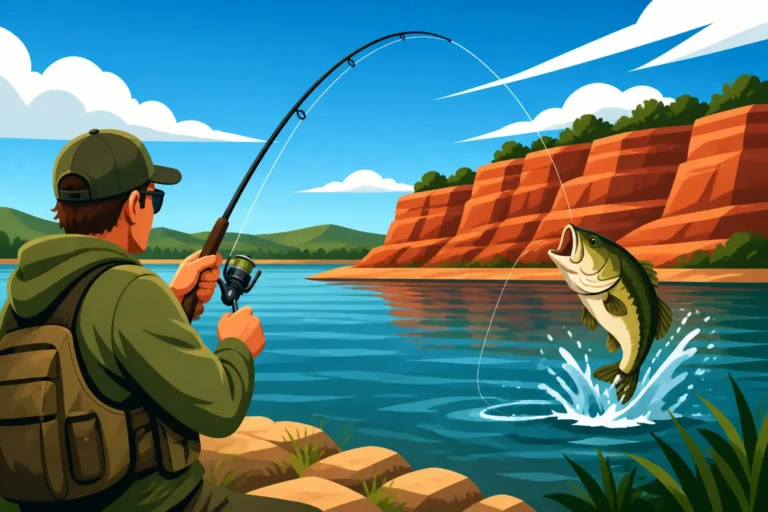
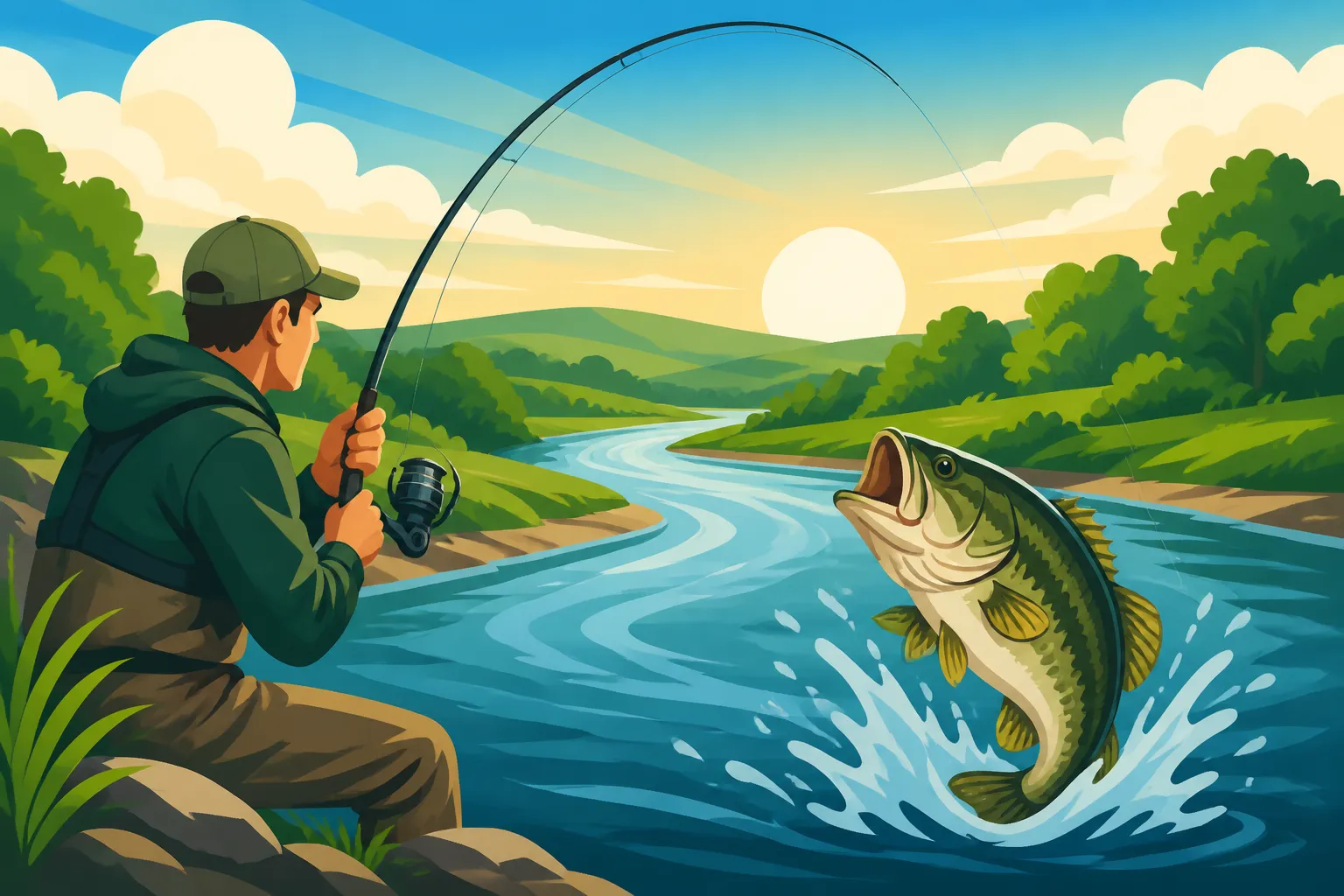
- Smallmouth Bass: In the clearer, rockier, and faster-flowing stretches of the upper and middle Skunk River, smallmouth bass are a prime target. They love current and structure, often hiding behind rocks or submerged timber, ready to ambush unsuspecting prey. They're known for their acrobatic fights and willingness to hit a variety of lures.
- Largemouth Bass: While less common in the main current, largemouth bass can be found in the river's quieter backwaters, oxbow lakes, and tributary mouths, especially in the central and lower sections where there's more submerged vegetation and calmer water.
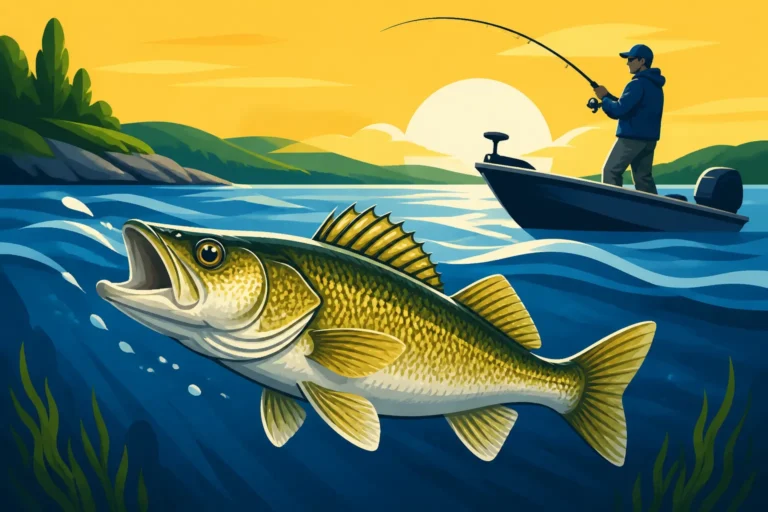
- Walleye and Sauger: As the Skunk River approaches its confluence with the Mississippi River, especially in the lower Louisa County stretches, walleye and sauger become more prevalent. These migratory fish will move into the lower river from the Mississippi, particularly during spring and fall runs. They offer fantastic table fare and a rewarding challenge.
- Panfish (Crappie, Bluegill, Sunfish): Various panfish species are abundant in the slower-moving sections, backwaters, and smaller impoundments connected to the river. They're excellent for a relaxed day of fishing, perfect for families or beginners.
No matter which species you're after, always be sure to consult the latest "Iowa Fishing Regulations Explained" and understand the "Iowa Fishing Daily Bag Limits Guide" to ensure you're fishing legally and sustainably.
Prime Fishing Locations Along the Skunk River
The Skunk River changes character as it flows from west to east across Iowa, and understanding these differences is key to finding the best fishing spots. What works in one section might not work in another, so let's break down some general areas.
Upstream Sectors: From Story County to Marshall County
In its upper reaches, roughly from Story County through Marshall County, the Skunk River is generally narrower, shallower, and characterized by more riffles, runs, and rocky bottoms. This is prime smallmouth bass territory, though plenty of feisty channel catfish also call these waters home.
- Near Ames and Story City: Around these areas, the river often has good current and gravelly or rocky stretches. Public access can be found at various parks and bridge crossings. Look for areas where the current breaks around submerged logs, rock piles, or deeper pools. Fishing under bridges can often yield good results for smallmouth. For those looking for local expertise or maybe a guided trip on a similar, more established smallmouth river before tackling the Skunk's smaller waters, platforms like FishingBooker can connect you with experienced guides.
- Marshalltown Area: As the river flows through Marshall County, it continues to offer excellent smallmouth fishing. Access points like Marshalltown's Riverview Park provide bank access to productive stretches. Focus on fishing the outside bends where deeper water and current-swept structure are more likely. The faster water here can be exhilarating for anglers who enjoy wading or kayak fishing.
Central Stretches: Around Jasper and Washington Counties
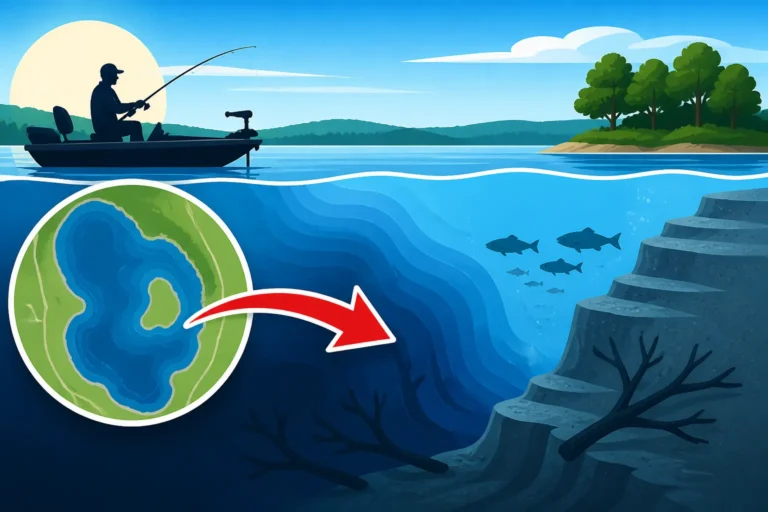
Moving downstream into Jasper and Washington Counties, the Skunk River often widens a bit, becoming more meandering with slower flows in places, deeper pools, and more significant timber and brush along its banks. These sections tend to be fantastic for channel catfish, flathead catfish, and hold pockets of largemouth bass in the calmer areas.
- Colfax and Riverside: Areas near towns like Colfax or Riverside will often feature more substantial bends, oxbows, and slower pools. These are ideal spots for setting up for catfish. Look for snags, fallen trees, and deeper scour holes. The river here can be more accessible for bank anglers, with public lands sometimes offering good access.
- Farm Pond Connections: While not strictly the river itself, many farm ponds and smaller lakes in these counties are often fed by or drain into the Skunk River. These connected waters can provide excellent largemouth bass fishing and panfish opportunities, especially during high water events when fish might move between habitats. If you're looking for tips on "Bass Fishing Tips for Iowa Farm Ponds", those insights can sometimes be adapted to the river's quieter sections.
Downstream Sections: Near the Mississippi Confluence (Louisa County)
As the Skunk River approaches its mouth at the Mississippi River in Louisa County, it becomes much wider, deeper, and slower. The influence of the mighty Mississippi is palpable here, bringing with it a different set of fishing opportunities, particularly for walleye, sauger, and large catfish.
- Augusta and Oakhaven Park Area: This is where the big river action starts to pick up. The lower Skunk, especially close to the confluence, acts as a migratory highway for walleye and sauger moving between the two rivers. During spring and fall, these areas can be hot spots. Large flathead and channel catfish are also prevalent in the deep holes and along the main channel. Public access points like Oakhaven Park near Augusta offer boat ramps and bank fishing opportunities. This is also a good area to check out the "Mississippi River Pool 19 Fishing" if you're looking for diverse angling options right nearby.
- Backwater Areas: The lower Skunk River also features numerous backwater areas and sloughs that can hold excellent populations of crappie, bluegill, and largemouth bass, especially during periods of high water or stable conditions. These calmer areas offer a stark contrast to the main river's current.
Essential Techniques and Tackle for Skunk River Success
To truly unlock the Skunk River's potential, you need to arm yourself with the right strategies and gear. The river's varied conditions mean a versatile approach is often best.
Catfish Tactics: Baits, Rigs, and Best Times
Catfish are the bread and butter of the Skunk River, and they can be caught with relatively simple methods.
- Channel Catfish: For channel cats, pretty much anything stinky or bloody will work! Cut bait (shad, bluegill, or even hot dogs), chicken livers, nightcrawlers, and commercially prepared stink baits are all excellent choices. A simple Carolina rig or a three-way swivel rig with a bell sinker on the bottom and a hook on a leader is highly effective. Cast into deeper holes, around logjams, or in areas with current breaks. Evening and night fishing are often the most productive times. If you're new to it, learning "How to Catch Catfish From the Bank" can significantly boost your success.
- Flathead Catfish: These bigger cousins prefer fresh, live bait. Small bluegill, green sunfish, or large shiners are top choices. Rig them on a sturdy circle hook with a heavy sinker to hold bottom in the current. Target the deepest holes, especially those with significant timber or rock cover. Flatheads are primarily nocturnal hunters, so night fishing is almost a must. Remember, a bigger fish means you'll need more robust tackle than for smaller channel cats.
- Trotlines and Jug Lines: Iowa regulations do permit the use of trotlines and jug lines in certain waters. If you plan to use these, make sure you're familiar with all the specific rules and regulations to avoid any issues, as they can be very effective for targeting larger catfish.
Bass Fishing Strategies: Lures and Structure
Whether you're after smallmouth or largemouth, understanding their preferred habitats will guide your lure selection.
- Smallmouth Bass: In the upper and middle river's rocky, current-rich areas, smallmouth are aggressive predators. Cast small crankbaits (like those from Rapala or Berkley), spinnerbaits, plastic tubes, jigs with grub trailers, or even topwater poppers near structure. Focus on current seams, eddies, and the downstream side of rocks or fallen trees. Remember that "Smallmouth Bass Habitat on the Mississippi River" principles often apply to smaller rivers as well – they love cover and current.
- Largemouth Bass: For largemouth in the slower backwaters and oxbows, traditional bass techniques work well. Pitch soft plastics (worms, creature baits) into dense cover, work spinnerbaits or chatterbaits along weed lines, or use topwater frogs and poppers over lily pads in low-light conditions. These fish prefer ambush points, so meticulous casting to cover is key.
Walleye and Panfish Approaches
While not as universally abundant as catfish, walleye and panfish offer distinct opportunities.
- Walleye and Sauger: In the lower Skunk River, especially during migration, walleye and sauger can be caught by jigging with live bait (minnows or nightcrawlers) or soft plastics, trolling crankbaits, or drifting with a live bait rig. Target current breaks, submerged humps, and the edges of deeper channels. Mornings, evenings, and overcast days are often best.
- Panfish (Crappie, Bluegill, Sunfish): For crappie and bluegill in the calmer backwaters, simple tactics shine. Small jigs tipped with a piece of worm or a tiny plastic grub under a bobber are incredibly effective. You can also use live minnows for crappie. Look for submerged brush, fallen trees, and weed beds. This can be great fun, and knowing the "Best Lures for Panfish" is always a good idea.
Navigating the Skunk River: Access and Boating Tips
Getting to the fish is half the battle, and the Skunk River offers a mix of access options depending on the section you're exploring.
Public Access Points for Shore Anglers
Bank fishing on the Skunk River is very popular and widely available. Many bridge crossings offer informal access, but always be mindful of private property signs. Public parks and wildlife management areas managed by the Iowa Department of Natural Resources (DNR) or local county conservation boards are your best bet for reliable access.
- State and County Parks: Check local DNR and county conservation websites for designated fishing access areas. These often include parking, trails, and sometimes even fishing piers. The "Iowa Fishing Atlas Access Points" is an invaluable tool for locating these.
- Bridge Access: While convenient, be cautious when parking near bridges and ensure you're not trespassing or blocking any access roads.
- Respect Private Property: A significant portion of the Skunk River flows through private land. Always obtain permission before accessing the river through private property. Respect landowners' rights – it ensures future access for everyone.
Kayak and Small Boat Considerations
The Skunk River is incredibly popular with kayakers and canoeists, and for good reason. Its varied flow and scenic beauty make for a wonderful paddling experience, which also doubles as an excellent way to access fishing spots unreachable by bank anglers.
- Kayak Fishing Techniques: For the upper and middle sections, a kayak or canoe is often the ideal vessel. It allows you to silently drift or paddle into prime fishing territory, accessing snags, logjams, and secluded pools. Learning specific "Kayak Fishing Techniques in Iowa" can help you navigate currents and fish effectively from your craft.
- Small Jon Boats: In the wider, deeper lower sections, especially closer to the Mississippi, a small Jon boat with a trolling motor can be effective. However, be prepared for potential shallow spots and submerged hazards like logs.
- Safety First: Always wear a life jacket, especially when navigating current or unfamiliar waters. Be aware of fluctuating water levels; heavy rains can turn the river into a powerful, dangerous force quickly. Check river conditions and forecasts before heading out.
Remember, fishing is not just about the catch; it's about the entire experience. Whether you're casting from shore, wading a riffle, or paddling a quiet backwater, the Skunk River offers a truly authentic Iowa fishing adventure. If you're planning a trip and want to get a sense of local conditions or maybe even find a local guide for other Iowa waters to build your skills, resources like FishingBooker can be a great starting point to gather information and connect with experts.
Skunk River Fishing Quick Reference
| Species | Best Sections | Recommended Baits/Lures | Key Structures to Target |
|---|---|---|---|
| Channel Catfish | All sections (esp. central) | Cut bait, chicken liver, nightcrawlers, stink bait | Deep holes, logjams, current breaks, outside bends |
| Flathead Catfish | Central to lower sections | Live bluegill, shiners | Very deep holes, heavy timber, rocky ledges, scour holes |
| Smallmouth Bass | Upper to central (rockier) | Small crankbaits, spinnerbaits, jigs, plastic tubes | Rocks, riffles, current seams, submerged logs, bridge pilings |
| Largemouth Bass | Backwaters, oxbows (central/lower) | Soft plastics, spinnerbaits, topwater frogs | Weeds, lily pads, fallen trees, brush piles, calm coves |
| Walleye & Sauger | Lower sections (near Mississippi) | Jigs with minnows/grubs, crankbaits, live bait rigs | Current breaks, channel edges, submerged humps, deep pools |
| Panfish | Slower backwaters, calm pools | Small jigs, worms under bobber | Submerged brush, weed beds, fallen trees, docks |
Disclaimer
Fishing conditions and regulations in Iowa can change. This guide is for informational purposes only. Always check the official Iowa Department of Natural Resources (DNR) website for the most current rules, license requirements like the "Iowa Resident Annual Fishing License", and any specific advisories before you head out on the water. Be safe, respect private property, and practice responsible angling.