How Big Rathbun Lake Is
Many anglers, especially those new to Iowa's incredible fishing scene, can feel a bit daunted by the sheer size of some of our major reservoirs. It's tough to know where to even begin when a lake stretches out for miles, and simply understanding its dimensions can be the first step to unlocking its secrets. This guide is here to unravel the impressive scale of Rathbun Lake, breaking down exactly how big it is and, more importantly, what that vastness means for your next fishing adventure.
Unpacking the Grand Scale of Rathbun Lake
When people talk about "big lakes" in Iowa, Rathbun Lake almost always comes up in the conversation, and for very good reason. It's not just a large puddle; it’s a truly expansive body of water that dominates the landscape in south-central Iowa. Its sheer size provides a multitude of fishing opportunities, but it also presents unique challenges for anglers who aren't prepared for its vastness. Understanding these fundamental dimensions is crucial before you even think about dropping a line.
Official Statistics and What They Mean for Anglers
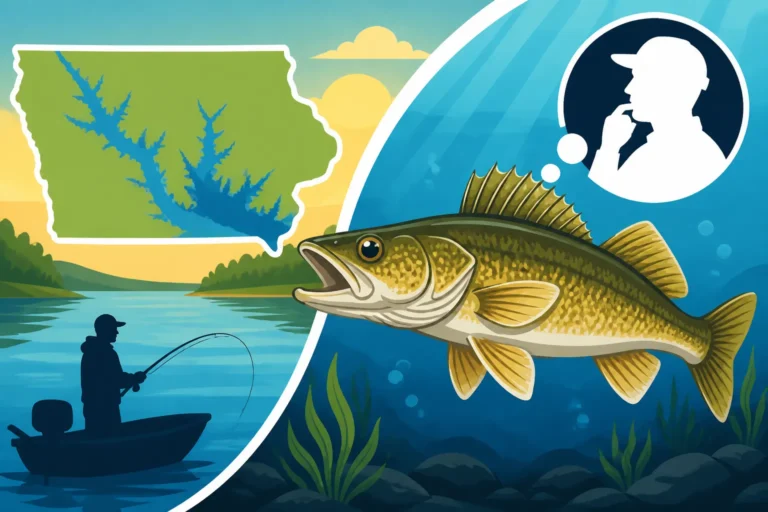
Let's get down to the numbers, because they truly tell the story of Rathbun Lake's scale. Rathbun is Iowa's second-largest lake by surface area, covering a staggering 11,000 acres. To put that into perspective, imagine over 8,000 football fields laid out side-by-side – that's roughly the amount of water you're dealing with. This immense surface area means there's an incredible amount of open water, perfect for anglers who love to troll or drift without feeling like they're constantly running into other boats. It also means that wind can kick up significant waves, so having the right boat and being weather-aware is paramount.
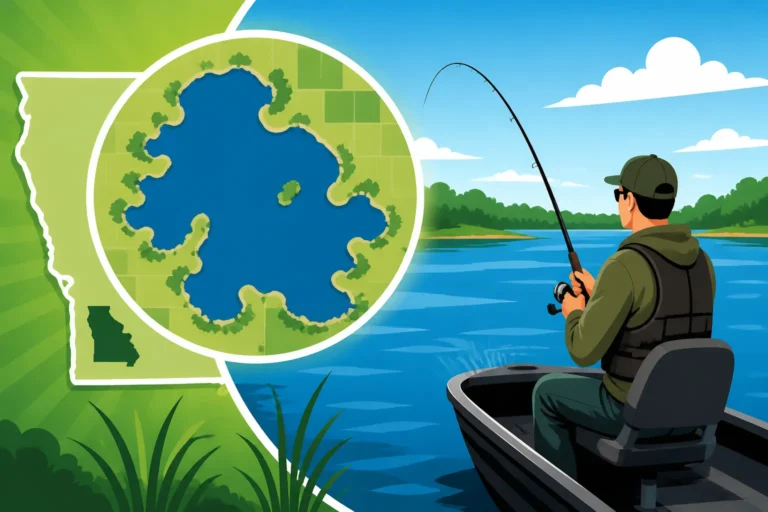
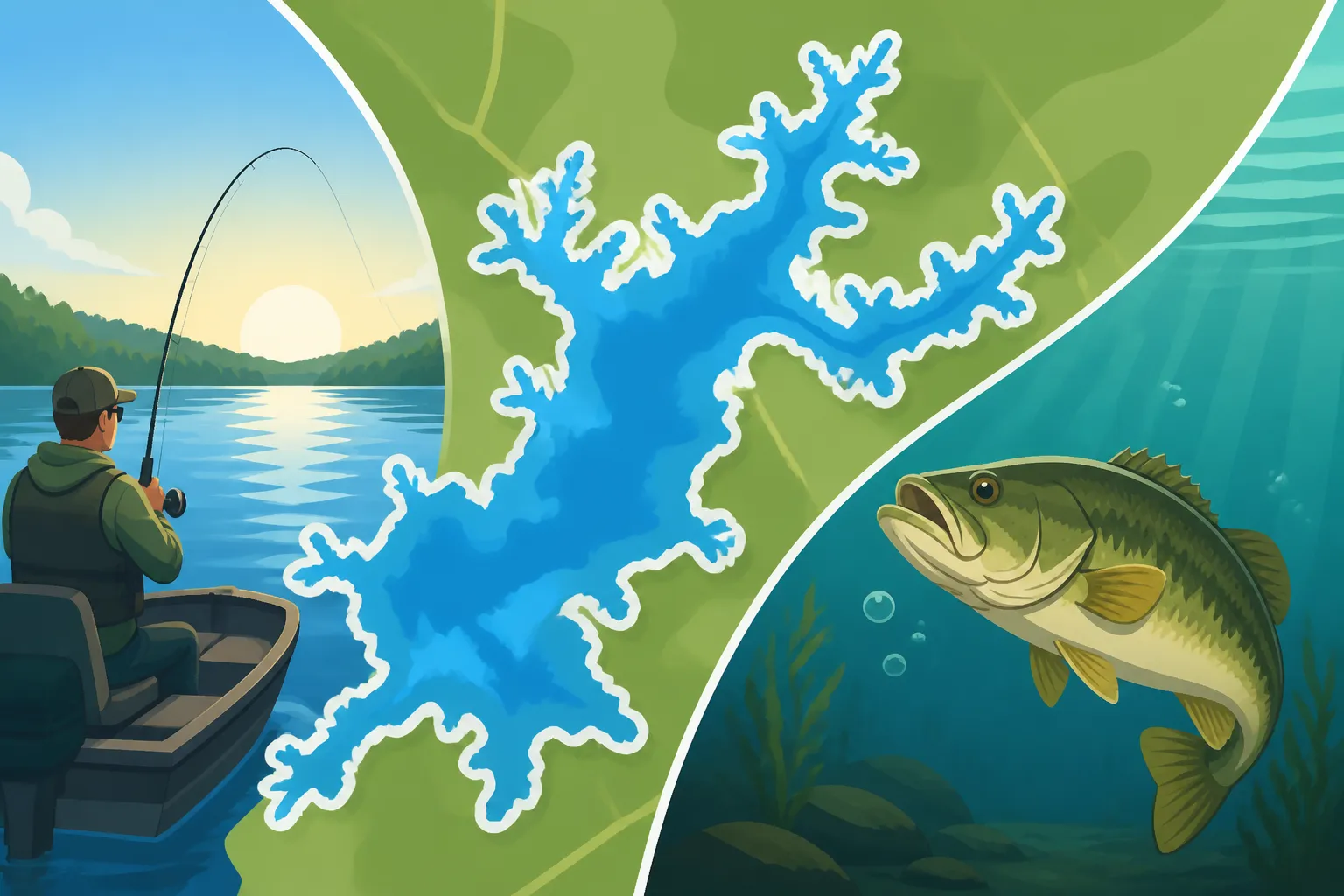
Beyond its surface, Rathbun boasts an impressive 160 miles of shoreline. This isn't a small, contained lake; it's a sprawling, irregular shape with countless coves, points, and backwaters, all contributing to that extensive shoreline. This translates directly to diverse habitat, which is fantastic for fish but can be overwhelming for anglers trying to decide where to start. A lake this big can feel intimidating at first, but with a good map or a reliable fish finder, those 160 miles become a treasure trove of potential hotspots. The sheer volume of water also provides a stable environment for fish populations, allowing them to thrive and grow to impressive sizes, making it a prime destination if you're chasing trophy fish. When comparing it to other notable Iowa lakes, its size stands out. For instance, while Clear Lake in Iowa is a fantastic fishery, its 3,600 acres feel much more contained than Rathbun’s expansive waters.
The Expansive Shoreline and Its Character
That 160-mile shoreline isn't just a number; it dictates the character of the lake and how different anglers approach it. Much of Rathbun's shoreline is undeveloped, offering a wild, natural feel that's a refreshing change from more commercialized lakes. This means you'll find plenty of areas with dense timber, rocky outcroppings, and submerged brush, all providing excellent cover for various fish species. While this natural beauty is a huge draw, it also means that prime shore fishing access can sometimes be a bit more challenging to find, requiring a good pair of walking shoes or knowledge of designated public access points.
However, there are several developed parks and recreation areas, like Honey Creek State Park, that offer easier access to the water's edge. These areas often feature fishing jetties, accessible banks, and even dedicated fishing piers, making them ideal for families or those who prefer to fish without a boat. The sheer length of the shoreline, even in less accessible areas, means that if you're willing to explore, you can often find stretches of bank that haven't seen much pressure. This is a huge advantage for those who enjoy the solitude of bank fishing and are looking for unpressured spots to cast their lines. For those who prefer the comforts of home, many cabins and vacation rentals dot the shoreline, offering direct access to the water and giving you a head start on your day's fishing.
Navigating the Depths and Diverse Habitats of a Large Reservoir
Beyond its surface area and shoreline, Rathbun Lake's true character for fishing lies in its depths and the intricate underwater landscape it offers. Being a reservoir formed by damming the Chariton River, Rathbun inherited a complex, varied bottom structure that supports an incredibly diverse fishery. This isn't a simple bowl-shaped lake; it’s a topographical map waiting to be explored beneath the surface.
Understanding Rathbun's Depth Profile
Rathbun Lake's maximum depth is approximately 30 feet, although its average depth hovers around 10-15 feet. These numbers might not sound as extreme as some deep glacial lakes, but within the context of a sprawling, shallow-to-medium depth reservoir, this profile is perfect for a wide variety of fish. The varying depths create different thermal layers throughout the year, influencing where fish will congregate. In the warmer months, deeper pockets and the cooler waters of the original river channel become crucial sanctuaries for species like walleye and even larger crappie. As temperatures drop, fish might move shallower or hold tight to specific structures in these deeper zones.
Understanding these depth dynamics is a game-changer for successful fishing. For instance, knowing that crappie will often suspend over the old river channel at certain depths or that walleye will patrol the edges of main lake humps in 15-20 feet of water can make all the difference. Anglers targeting Rathbun Lake Crappie Hotspots will spend a lot of time scanning for brush piles and submerged timber in these mid-range depths, while those after Rathbun Lake Walleye Fishing will focus on deeper breaks and points. The varied depth profile means you need to adjust your techniques and presentations depending on the season, water temperature, and target species. It rewards anglers who embrace versatility and are willing to adapt their approach.
The Mosaic of Underwater Structure and Cover
What truly sets Rathbun Lake apart, and what makes its size so advantageous for fishing, is the incredible mosaic of underwater structure and cover it possesses. As a reservoir, it was formed by flooding an existing river valley, which left behind a rich, complex submerged landscape. Anglers exploring Rathbun will find everything from rocky points and steep drop-offs to sprawling submerged flats, humps, old roadbeds, and vast fields of flooded timber and brush piles. This incredible variety ensures that every major sport fish species in Iowa finds its ideal habitat here.
Channel catfish and flathead catfish, for example, absolutely thrive in the deeper sections of the old river channel, particularly around areas with current or significant cover. Anglers targeting Rathbun Lake Catfish Spots often look for these submerged features. Largemouth bass will relate heavily to the flooded timber, riprap, and dense aquatic vegetation in the shallower coves, while smallmouth bass might prefer the rockier main lake points. Crappie, which Rathbun is famously known for, utilize brush piles and standing timber extensively, especially during pre-spawn and post-spawn periods. The challenge, of course, is locating these specific structures within such a massive body of water. This is where modern electronics like GPS mapping and side-imaging sonar become invaluable, allowing you to systematically break down the lake into manageable sections and pinpoint prime fish-holding cover. Without a doubt, its extensive and varied structure is a primary reason for Rathbun's reputation as a top-tier fishery.
The Angler's Advantage: What Rathbun's Size Offers
The sheer immensity of Rathbun Lake isn't just about impressive statistics; it translates directly into tangible benefits for the angler. From reducing frustrating crowding to supporting a vibrant, diverse ecosystem, Rathbun's scale truly elevates the fishing experience. It's a place where you can genuinely feel like you have the lake to yourself, even on a busy summer day.
More Room to Roam: Spreading Out from the Crowds
One of the most immediate and appreciated advantages of Rathbun Lake's vastness is the space it provides. In many smaller, popular lakes, especially on prime weekends, you can find yourself shoulder-to-shoulder with other boats, casting into the same spots. At Rathbun, that's rarely the case. With 11,000 acres of water and 160 miles of shoreline, there's always an opportunity to find your own piece of angling solitude. This means less competition for prime fishing spots and more room to execute various fishing techniques effectively.
For instance, if you enjoy trolling for walleye, Rathbun's expansive main lake basins and creek channels offer miles of uninterrupted water to drag your baits without worrying about cutting off another boat. Similarly, drift fishing for crappie or catfish across large flats becomes a much more relaxed and productive endeavor when you have plenty of room to let the wind and current work for you. Even on days when popular areas are seeing a bit more traffic, a short run to a more remote cove or a less-pressured section of the lake can often put you on fish away from the crowds. This inherent lack of pressure often translates into more aggressive fish that haven't been constantly harassed, offering better bites and more consistent action. When planning your trip, consider using a resource like FishingBooker to explore guided trips on Rathbun, as experienced guides will know how to find these less-pressured spots.
Diverse Ecosystems for a Multitude of Species
A lake of Rathbun's size and structural complexity is essentially a collection of mini-ecosystems, each contributing to a rich and thriving overall fishery. This ecological diversity is what allows Rathbun to support incredibly robust populations of so many different fish species, making it a true multi-species destination. You're not limited to just one or two target fish here; the options are wide open.
Rathbun is perhaps most famous as Iowa's "Crappie Capital," known for producing abundant slabs of both black and white crappie. Its extensive flooded timber and brush piles provide ideal spawning and feeding grounds for these panfish. But it doesn't stop there. The lake's deeper main channels and humps are prime territory for walleye, which thrive in its fertile waters. Largemouth bass are abundant in the numerous coves and along the riprap, while channel catfish and flatheads cruise the deeper basin and river channels. Even wipers (hybrid striped bass) provide an exciting, hard-fighting option in the open water. This means you can plan a trip with a specific target in mind, or simply go out and enjoy whatever bites, knowing that a variety of species are likely to hit your line. Consulting the Iowa Fish Species Guide will show you just how many of these species call Rathbun home, and the lake's size and diverse habitats play a crucial role in supporting them all.
Planning Your Expedition to Iowa's "Crappie Capital"
Embarking on a fishing trip to a lake as vast as Rathbun requires a bit more planning than heading to a local pond. Its size, while a huge advantage for fishing, also demands respect and preparedness, especially concerning your gear and understanding how to access its many fantastic fishing grounds. Thinking ahead ensures your trip is enjoyable, safe, and productive.
Essential Gear and Boat Considerations for Large Waters
When you're dealing with 11,000 acres of water, the type of gear you bring—and especially your boat—becomes paramount. A small jon boat or kayak might be perfect for sheltered coves on a calm day, but venturing into the main lake when the wind picks up can quickly become dangerous. For serious exploration of Rathbun, a larger, more stable boat (16 feet or more) with a reliable outboard motor is highly recommended. You'll cover a lot of distance, so ample fuel capacity is a must.
Beyond the boat itself, reliable navigation tools are non-negotiable. A GPS unit with detailed mapping is invaluable for marking hotspots, navigating submerged hazards, and finding your way back to the ramp, especially in low light or fog. A good quality fish finder with sonar, down imaging, and side imaging capabilities will dramatically increase your success, allowing you to locate those crucial brush piles, old roadbeds, and schools of fish suspended in the water column. Safety equipment is equally critical: ensure you have enough life jackets for everyone on board, a sound-producing device, a fire extinguisher, and a reliable anchor appropriate for a large lake. Consider packing extra water, snacks, and a first-aid kit. If you're looking for guidance on choosing the right vessel, our Best Boats for Iowa Fishing guide offers some great insights. If you're traveling from out of state or don't own a suitable boat, booking a guided trip through a platform like FishingBooker is a fantastic option, as guides come equipped with all the necessary gear and local expertise. They can show you the ropes and put you on fish without the upfront investment in equipment.
Access Points and Facilities for Such a Large Lake
Despite its expansive nature, Rathbun Lake offers numerous well-maintained public access points and facilities, thanks to the efforts of the U.S. Army Corps of Engineers and the Iowa Department of Natural Resources. Understanding where these are located is key to efficiently navigating the lake and maximizing your fishing time. There are several major boat ramps strategically placed around the lake, including those at Honey Creek State Park, Bridgeview Park, Island View Park, and Buck Creek. These ramps typically feature ample parking, courtesy docks, and often nearby restroom facilities, making launching and retrieving your boat a breeze.
For those who prefer to fish from shore or want to combine their fishing trip with a longer stay, Rathbun Lake is surrounded by excellent infrastructure. Honey Creek State Park provides lodging, cabins, and extensive camping opportunities, as do numerous other Corps of Engineers campgrounds suchike Bridgeview, Island View, and Bark Camp. Many of these campgrounds offer direct access to the lake for bank fishing, picnicking, and other recreational activities. These facilities make it easy to plan a multi-day fishing expedition, allowing you to thoroughly explore different sections of the lake. Before heading out, it's always a good idea to check local regulations; our comprehensive Iowa Fishing Regulations Explained guide can help ensure you're compliant. Moreover, don't forget to ensure your boat is properly registered – our article on Iowa Boat Registration Requirements has all the details you'll need. If you're flying in and looking to hire a charter, FishingBooker can connect you with guides operating out of these key access points, ensuring a seamless start to your angling adventure.
Here's a quick overview of Rathbun Lake's impressive dimensions:
| Feature | Measurement | Angling Implication |
|---|---|---|
| Surface Area | 11,000 acres | Vast open water, reduced crowding, diverse habitats |
| Shoreline | 160 miles | Countless coves, points, backwaters; varied shore access |
| Maximum Depth | ~30 feet | Deeper water for thermal refuge, diverse fish locations |
| Average Depth | 10-15 feet | Ideal for structure fishing, active fish zones |
| Primary Fish | Crappie, Walleye, Bass, Catfish, Wipers | Multi-species angling, consistent action |
Disclaimer
Please remember that fishing conditions, regulations, and facility availability can change. Always consult the official Iowa Department of Natural Resources (DNR) website for the most current rules, license requirements, and any emergency notices before heading out on the water. Stay safe and enjoy your time fishing on Rathbun Lake!