Where to Fish for Catfish Near Council Bluffs
Finding those whiskered giants near Council Bluffs can sometimes feel like searching for a needle in a haystack, especially with the mighty Missouri River dominating the landscape and countless smaller waters begging for attention. This guide is here to untangle the confusion, helping you pinpoint the most productive catfish spots in and around Council Bluffs, Iowa, and offering practical advice to make your next angling adventure a successful one.
Understanding Catfish Habitats Near Council Bluffs
Catfish, whether they're the feisty channel cats, the massive flatheads, or the smaller bullheads, have distinct preferences when it comes to where they hang out. Near Council Bluffs, you've got a fantastic variety of water bodies, from the vast stretches of the Missouri River to serene state park lakes and quieter tributaries. Each offers a unique challenge and opportunity for different types of catfish. Knowing what kind of habitat each species prefers is the first step to putting more fish in your cooler.
The Mighty Missouri River and Its Tributaries
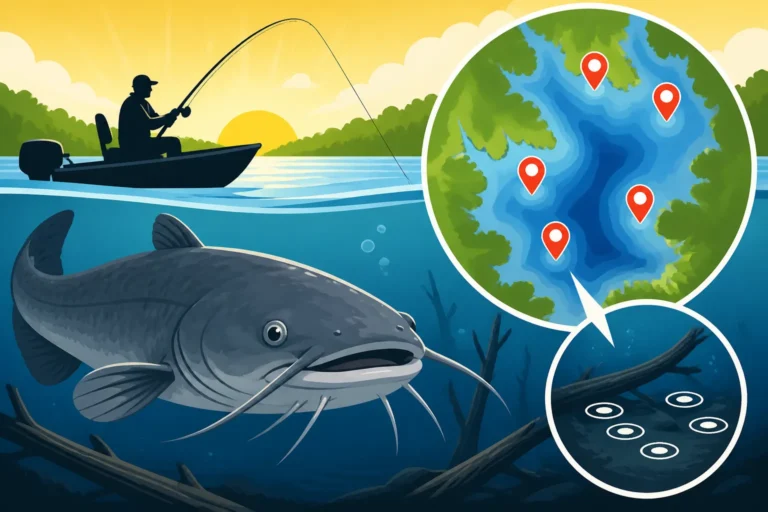
The Missouri River, forming the western border of Iowa, is undeniably the king of catfish waters in this region. It’s a dynamic, ever-changing environment, offering prime real estate for both trophy flatheads and an abundance of channel catfish. The sheer size and power of the river can be intimidating, but its diverse structure holds untold numbers of these bottom-dwelling predators. Look for spots where the current breaks, creating slack water or eddies, as these are often feeding zones. Deep holes, log jams, and riprap banks are also classic catfish magnets.
Smaller rivers and creeks that feed into the Missouri, such as the Nishnabotna River, also provide excellent, often less pressured, opportunities. These smaller waterways can warm up faster in spring, kickstarting the catfish bite sooner. They offer more intimate fishing experiences, often accessible from the bank, and are fantastic for channel cats, especially in areas with deep bends, undercut banks, and fallen timber. Don't overlook the confluence points where these smaller rivers meet the Missouri; these are often high-traffic areas for fish moving between systems.
Lake Manawa State Park
Just south of Council Bluffs lies Lake Manawa State Park, a popular recreation area that also happens to be a fantastic spot for channel catfish. This 700-acre lake is much more approachable than the Missouri River, making it a great option for families, beginners, or those looking for a less intense fishing experience. Lake Manawa is known for its healthy population of channel cats, with fish regularly caught in the 2-5 pound range, and larger specimens always a possibility.
The lake offers ample shore fishing access, along with several boat ramps if you prefer to fish from the water. Look for catfish around the various underwater structures, such as old roadbeds, submerged timber, and drop-offs. The deeper sections of the lake near the old river channel also tend to hold fish, especially during warmer months. Fishing in the evenings or early mornings, or even embracing Night Fishing Rules for Anglers, can significantly improve your chances at Lake Manawa, as channel cats become more active under low light conditions.
Other Local Ponds and Lakes
Beyond the main attractions, the Council Bluffs area is dotted with smaller ponds and lakes that can offer surprising catfish action. While these might not yield the giant flatheads of the Missouri River, they are often teeming with eager channel catfish and bullheads, making for fun, consistent fishing. Places like Big Lake Park in Council Bluffs itself, or other small county and city parks, often have stocked ponds that are easily accessible.
These smaller waters are usually shallower and warm up quickly, offering a good early-season bite. Focus on areas with aquatic vegetation, brush piles, or any type of cover that provides shade and ambush points. They are perfect for teaching kids how to fish, as the action can be steady, and the fish are typically less picky about bait. Always check local signage or the Iowa DNR website for specific regulations on these smaller bodies of water, as some may have unique rules regarding bait or catch limits.
Top Catfish Fishing Locations Near Council Bluffs
Now that we've covered the general habitats, let's get specific about where to drop a line. The Council Bluffs area boasts several prime locations, each with its own quirks and best approaches for targeting catfish. Whether you're a seasoned angler or just starting out, there's a spot here waiting for you.
Fishing the Missouri River: Tips and Access
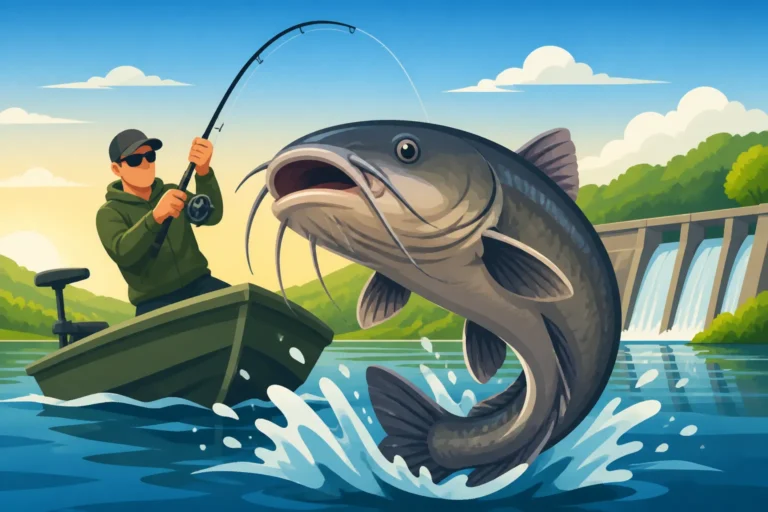
Fishing the Missouri River for catfish is an experience unlike any other. The sheer power and scale of it demand respect, but the rewards can be immense. For those seeking true trophy flatheads, this is your arena. Channel cats are also incredibly abundant, offering consistent action.
The key to fishing the Missouri effectively is understanding its currents and structure. Look for areas with slower current or eddies, often found behind wing dams, sandbars, or large log jams. These current breaks provide a haven for fish to rest and ambush prey without fighting the main flow. Boat ramps are available at various points along the Iowa side, including around Wilson Island State Recreation Area and closer to the city, providing excellent access. For those fishing from shore, seek out public access points near bridges or parks that offer stable banks and deep water close to shore.
When targeting flatheads, fresh cut bait or live bait like bluegills or carp are absolute necessities. Flatheads are predatory and prefer live or recently deceased prey. For channel catfish, stink baits, prepared baits, worms, or even hot dogs will do the trick. Remember to use heavy enough tackle to handle the strong currents and the powerful fish that reside here. A stout rod and reel combo with at least 20-pound test line is a good starting point. You can learn more about Best Rod Setup for Catfish on the Mississippi River, which offers transferable advice for the Missouri River. If you're an out-of-state angler, make sure you understand Do Out-of-State Anglers Pay More for an Iowa License? before you hit the water.
Lake Manawa: Shoreline and Boat Fishing Strategies
Lake Manawa offers a more tranquil catfish experience compared to the river. While it might not produce the giant flatheads, it's an excellent destination for consistently catching channel catfish and occasional bullheads. The lake is generally shallower than the Missouri, making it easier to locate fish.
Shoreline Fishing: Many anglers find success casting from the numerous public access points around the lake. The jetties, fishing piers, and areas near the boat ramps are popular. Early mornings and evenings are prime times, especially during the summer. Focus your efforts on areas where there's a drop-off, submerged structure, or even just a slight change in bottom contour. Popular baits include chicken livers, cut bait (like shad or sunfish), nightcrawlers, and various prepared catfish baits. For more specifics on baits that work well, check out our Catfish Bait Guide for Iowa Anglers.
Boat Fishing: If you have a boat, you can cover more water and access areas that shore anglers can't reach. Use your electronics to find submerged structures like brush piles, old foundations, or deeper channels. Trolling with cut bait or slow-drifting along contours can be very effective. During the heat of summer, channel cats will often retreat to the deeper, cooler water, so exploring the main basin can be fruitful. Remember that Is There a Closed Season for Catfish? in Iowa, meaning you can chase them year-round, though the bite definitely slows in winter.
De Soto Bend National Wildlife Refuge
While primarily located in Nebraska, De Soto Bend National Wildlife Refuge is a significant natural area just north of Council Bluffs that borders both states and offers unique fishing opportunities within the Missouri River flood plain. The main draw here is De Soto Lake, an oxbow lake formed by a former channel of the Missouri River. This lake provides calmer waters than the main river channel and can be excellent for catfish, particularly channel cats and some flatheads.
Access to De Soto Lake for fishing is typically from designated areas within the refuge. It's important to note that specific regulations may apply to fishing within a National Wildlife Refuge, so always check with the refuge office or their official website before heading out. The lake features varied depths, submerged timber, and plenty of shoreline vegetation. Catfish here often relate to these structures, especially during low light periods. This area can be a hidden gem for those willing to explore a bit further north from Council Bluffs, offering a more peaceful angling experience.
Essential Gear and Techniques for Council Bluffs Catfish
Having the right gear and knowing a few tricks of the trade can make all the difference when you're chasing catfish near Council Bluffs. From selecting the appropriate rod and reel to mastering specific bait presentations, these details can significantly increase your success rate.
Rods, Reels, and Line for Catfish
For river fishing, especially on the Missouri, you'll want robust equipment. A medium-heavy to heavy action rod, 7 to 9 feet long, paired with a sturdy baitcasting reel or a large spinning reel, is ideal. This setup provides the backbone needed to cast heavy weights in current and to battle strong fish. Spool your reel with 20 to 50-pound monofilament or braided line. Braided line offers superior sensitivity and strength for its diameter, which can be a huge advantage when fishing in strong currents or around snags.
For lake and pond fishing, you can often get away with slightly lighter tackle, though a medium-heavy rod is still a good choice for handling larger channel cats. A 6.5 to 7.5-foot medium-heavy spinning rod with a reliable reel spooled with 10 to 20-pound test line is a versatile setup. Remember, the goal is to have enough power to control a fighting fish without feeling completely overpowered if you hook into something unexpectedly large.
| Catfish Type | Water Body | Recommended Rod Action | Recommended Line Weight | Primary Bait Type |
|---|---|---|---|---|
| Flathead | Missouri River | Heavy | 30-50 lb | Live/Fresh Cut Bait |
| Channel Cat | Missouri River | Medium-Heavy | 20-30 lb | Cut Bait, Stink Bait, Worms |
| Channel Cat | Lake Manawa | Medium-Heavy | 10-20 lb | Cut Bait, Worms, Prepared |
| Bullhead | Local Ponds | Medium | 8-15 lb | Worms, Corn, Small Cut Bait |
Best Baits and Rigs for Local Catfish
The beauty of catfish fishing is their diverse palate, but certain baits are undeniably more effective for different species and locations.
For the Missouri River:
- Flatheads: These are true predators. Your best bet is live bait like bluegill, sunfish, or even small carp, rigged on a large circle hook (sizes 5/0 to 8/0) with a heavy sinker (2-6 oz) to hold bottom in the current. Freshly caught cut bait from oily fish like shad or skipjack also works wonders. Look for How to Find Deep Holes for Catfish to maximize your chances of finding these giants.
- Channel Cats: While they'll hit live or cut bait, channel cats are also highly attracted to scent. Stink baits, punch baits, chicken livers, and nightcrawlers are excellent choices. A simple slip-sinker rig with a 2/0 to 4/0 circle hook allows the fish to take the bait without feeling the weight of the sinker immediately.
For Lake Manawa and Local Ponds:
- Channel Cats: Chicken livers are notoriously effective here, along with shrimp, cut bait, and various prepared dough baits. Nightcrawlers are also a universal catfish bait. A simple bottom rig, either a slip-sinker rig or a Santee Cooper rig (especially good for keeping bait off the bottom in weedy areas), with a 1/0 to 3/0 circle hook, will serve you well.
- Bullheads: These little fighters are less picky and will readily take small pieces of nightcrawler, corn, or even hot dogs fished on a small hook (size 6 to 1). A bobber rig can be very effective for bullheads, especially if you're fishing near vegetation.
Regarding live bait, always be aware of the rules. Our guide on Can You Use Live Bait Fish? can clarify what's allowed and what's not in Iowa. For specific techniques, especially if you're fishing from the bank, you might find our article on How to Catch Catfish From the Bank incredibly useful.
Seasonal Strategies and Fishing Times
Catfish are active year-round in Iowa, but their behavior and preferred locations change with the seasons and even the time of day.
Spring (April-May): As water temperatures rise, catfish become more active and move into shallower areas to feed aggressively before the spawn. Focus on sun-warmed bays, shallow flats, and tributary mouths where warmer water flows into larger bodies. Fishing can be excellent throughout the day.
Summer (June-August): This is prime time for catfish! They are highly active and feeding regularly. During the hottest parts of the day, they'll often retreat to deeper, cooler water or seek shade under docks and overhanging trees. Early mornings, late evenings, and especially Summer Catfish Techniques on the Mississippi River (which apply well to the Missouri and larger lakes) can be incredibly productive. Catfish are notoriously active feeders at night, so consider setting up for some after-dark action.
Fall (September-November): As temperatures begin to drop, catfish will go on a feeding binge to bulk up for winter. They often congregate in deeper holes in rivers and lakes. This can be a fantastic time for trophy fish, as they are actively searching for larger meals. The bite can be strong during the day.
Winter (December-March): Catfish metabolism slows down considerably in cold water, but they can still be caught. Look for them in the deepest holes and slack water areas of rivers and lakes. The bite will be subtler, and presentations need to be slower. While challenging, winter can sometimes produce some surprisingly large fish for patient anglers.
For a comprehensive overview of statewide fishing regulations that apply to all these spots, be sure to consult the Iowa Fishing Regulations Explained. This will ensure you're always fishing legally and sustainably.
Finding a Fishing Guide in the Council Bluffs Area
Sometimes, the best way to get on the fish, especially on large, complex waters like the Missouri River, is to enlist the help of a professional guide. A local guide brings invaluable experience, knowing the seasonal patterns, the best baits, and the secret spots that can take years to discover on your own. For visitors or anglers new to the area, a guided trip can turn a frustrating day into a memorable success.
Reputable fishing guides specializing in catfish on the Missouri River and nearby waters can provide all the necessary equipment, bait, and local knowledge. They understand the river's ever-changing dynamics and can put you on fish when others are struggling. While I don't provide direct booking services, platforms like FishingBooker are excellent resources for finding and booking local fishing charters and guides in the Council Bluffs area who specialize in targeting catfish. A quick search on FishingBooker for "Council Bluffs catfish guide" will often yield several experienced captains ready to take you out. They can provide insights into specific techniques, local hotspots, and help you land that trophy flathead or a cooler full of channel cats.
Disclaimer
Fishing conditions and regulations in Iowa can change. Always consult the latest Iowa Department of Natural Resources (DNR) fishing regulations guide before heading out. This guide is for informational purposes only and does not constitute legal advice. Adherence to all local, state, and federal laws is the responsibility of the angler.