Best Backwaters for Bass on Pool 10
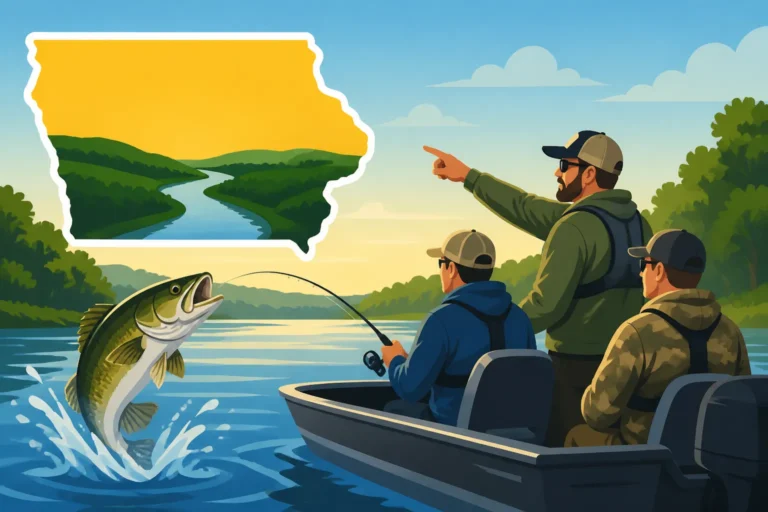
For many Iowa anglers, the vastness of the Mississippi River can feel overwhelming, especially when you're specifically hoping to hook into some feisty bass. The main channel often presents strong currents and heavy boat traffic, making those prime bass locations seem elusive. But fear not, because tucked away within Pool 10 are numerous tranquil backwater havens that are absolutely teeming with bass, offering a welcome reprieve and some truly fantastic fishing. This guide is dedicated to revealing these hidden gems, equipping you with the knowledge to navigate them effectively, and ensuring you have the best possible chance at a successful and enjoyable bass fishing adventure.
Understanding the Allure of Pool 10's Backwaters for Bass
The Mississippi River's Pool 10, stretching roughly from Lock and Dam 9 near Harpers Ferry, Iowa, to Lock and Dam 10 near Guttenberg, Iowa, is a complex tapestry of main channel, side channels, and a myriad of backwater areas. While the main channel has its charms, the backwaters are where bass — particularly largemouth, but also some opportunistic smallmouth — truly thrive. These areas provide a sanctuary from the relentless current and offer a smorgasbord of protective cover and abundant forage that make them irresistible to these popular sportfish.
Why Bass Love Backwaters So Much
Think of a backwater as the quieter, calmer cousin to the main river channel. Bass, especially largemouth, are ambush predators that prefer stable, less turbulent environments where they can hide and wait for prey. In the main channel, they expend more energy fighting the current. Backwaters, on the other hand, offer reduced current, making it easier for bass to conserve energy. This also means water temperatures are often more stable, warming up faster in spring and staying warmer longer into fall, which is crucial for bass metabolism and activity levels. These areas act as nurseries for baitfish, crustaceans, and insects, providing a consistent and easy food source that keeps bass well-fed and plentiful.
Furthermore, backwaters are typically shallower and boast an incredible amount of natural cover. This includes dense stands of submerged vegetation like lily pads and coontail, fallen trees (laydowns), old stumps, brush piles, and shallow flats. Each of these elements serves as excellent ambush points, offering both protection from predators and prime hunting grounds. The complex structure also gives bass refuge from direct sunlight and harsh weather conditions, making them ideal year-round habitats. Knowing that these areas hold such diverse and rich habitats is the first step to understanding why focusing your efforts here can be incredibly productive for Largemouth Bass Fishing in Iowa and even some smallmouth.
Key Habitats within the Backwaters to Target
The backwaters of Pool 10 aren't uniform; they are a mosaic of different micro-habitats, each attracting bass in slightly different ways. Recognizing these key features will dramatically improve your success rate.
Submerged Vegetation and Lily Pad Fields: These are quintessential largemouth bass strongholds. Dense beds of milfoil, coontail, pondweed, and lily pads offer incredible cover. Bass will often suspend within these weeds, lie under pads, or patrol their edges, waiting to ambush unsuspecting baitfish or frogs. When the sun is high and conditions are calm, these areas become especially active as bass seek shade and cover.
Laydowns, Stumps, and Brush Piles: Anywhere you find fallen timber, old stumps, or intentionally placed brush piles, you've found a potential bass hideout. These structures break up the current, provide shade, and offer complex networks for bass to lurk within. They are particularly effective when located near deeper channels or drop-offs within the backwater, allowing bass easy access to different depths as conditions change. Anglers targeting these areas should be prepared for snags, but the reward of a big bass is often worth the risk.
Secluded Sloughs and Oxbows: These are essentially old river channels that have been cut off from the main flow, creating quiet, often nutrient-rich pockets. Sloughs can be deeper channels within the backwater system, providing cooler water in summer and warmer water in winter. Oxbows are U-shaped bends that have been isolated, forming lakes that connect to the main backwater only during high water. These areas can be incredibly productive, often holding large numbers of bass due to their consistent food sources and protected environment. Many of these sloughs are part of the larger Mississippi River Pool 10 Fishing system, and knowing their specific locations is key.
Feeder Creeks and Drainage Ditches: Any smaller stream or ditch that empties into the backwater can be a hotspot, especially after a rain event. These inflows bring in nutrients, baitfish, and often slightly cooler, oxygenated water. Bass will stage near these convergences, particularly in spring and fall, to capitalize on the influx of food. Shallow bays and coves near these feeder creeks are also excellent spawning grounds for bass in the spring, making them highly productive during the pre-spawn and spawn periods.
Prime Backwater Locations for Bass on Pool 10
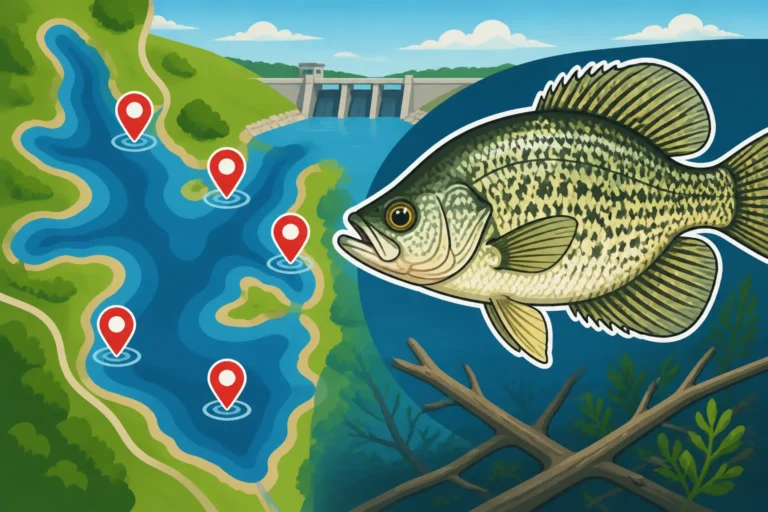
While Pool 10 is rich with backwaters, some areas stand out as consistent producers for bass. Local knowledge and a good map are invaluable here. Many anglers choose to explore these spots with assistance from platforms like FishingBooker, which can connect them with experienced local guides who know these waters intimately.
Upper Pool 10 Backwater Systems
The upper portion of Pool 10, particularly around Lansing, Iowa, offers an extensive network of backwater lakes and sloughs that are prime bass territory.
Ambrose Lake and Red Cedar Slough (Near Lansing): Just south of Lansing, these areas are part of a vast backwater complex. Ambrose Lake itself is a large, shallow, lily pad-filled expanse connected to the Red Cedar Slough. This slough offers deeper channels and numerous laydowns. Largemouth bass here are plentiful, often found relating to the dense vegetation and timber. During the warmer months, the topwater bite can be explosive over the pads in Ambrose Lake, while pitching jigs into the laydowns along Red Cedar Slough can yield bigger fish. Access can be found via public boat ramps in Lansing.
Bussey Lake: Further downstream from Lansing, Bussey Lake is another significant backwater known for its largemouth bass. It features a mix of submerged weeds, standing timber, and shallow flats. The entrance to Bussey Lake can sometimes be tricky to navigate due to shallow bars, but once inside, the fishing can be exceptional. Look for areas where old stumps protrude from the water or where channels wind through extensive weed beds. This area is generally protected from strong winds, offering a comfortable fishing experience even on breezier days.
Mid-Pool 10 Hidden Gems
Moving further south into Pool 10, around the Lock and Dam 9 area, there are other excellent backwater options.
Sny Magill Creek and Backwaters: One of the most famous backwater systems on Pool 10, Sny Magill, on the Iowa side, is almost a destination in itself. This complex offers a diverse range of habitats, from shallow, marshy areas to deeper channels. It's renowned for its bass population, which finds refuge in the countless laydowns, dense aquatic vegetation, and intricate sloughs. The main Sny Magill creek provides a consistent flow of fresh water, which bass often follow. Anglers often fish the mouths of smaller feeder creeks within Sny Magill or target isolated weed pockets and timber. The accessibility here is good, with ramps typically available for smaller boats and kayaks. For those looking for a truly immersive experience, exploring these waters with a local guide booked through FishingBooker can provide invaluable insights into the ever-changing patterns of the bass.
Fish Lake and Big Slough: Connected to the larger Sny Magill system, Fish Lake and Big Slough provide additional excellent bass habitat. Fish Lake, as its name suggests, is usually productive, offering varied depths and plenty of cover. Big Slough is a larger, more sprawling area with numerous small islands and channels. The edges of these islands, especially where submerged brush or rock piles are present, can hold impressive numbers of bass. These areas are fantastic for anglers who enjoy dissecting complex cover with jigs and soft plastics.
Lower Pool 10 Productive Pockets
As you approach the lower end of Pool 10 near Guttenberg, Iowa, more backwater opportunities emerge, though they may feel a bit different due to the slightly wider river system.
Guttenberg Backwaters and Sunfish Lake: The backwater areas surrounding Guttenberg are less defined by large, named lakes and more by a series of interconnected sloughs and bays closer to the main channel. Sunfish Lake is one of the more prominent features, offering good cover and a healthy bass population. Look for areas where the backwater narrows or where smaller channels connect to larger bays. These transition zones often concentrate bass. The riprap along the main channel side of the backwaters can also hold smallmouth bass, especially during periods of stable water. Checking local conditions before you go, perhaps through resources or guides found on FishingBooker, can be a game-changer, as river levels significantly impact these lower pool backwaters.
Remember, while these spots are often productive, the dynamic nature of a river system means conditions can change with water levels, current, and weather. Always consult an up-to-date river chart or a reliable fishing app before heading out.
Essential Techniques and Lures for Backwater Bass
Catching bass in Pool 10's backwaters isn't just about finding the right spot; it's also about employing the right tactics. The type of cover, water clarity, and time of year will dictate your most effective approach. Knowing the Bass Season and Size Limits is also paramount before you even cast a line.
Targeting Largemouth in the Jungle
For the classic largemouth bass lurking in dense cover, aggressive techniques and weedless presentations are key.
Flipping and Pitching: This is the bread and butter for heavy cover fishing. Using a stout rod, heavy line, and a weedless jig or Texas-rigged soft plastic (like a creature bait or worm), you can drop your bait silently into small openings in lily pads, brush piles, or laydowns. The goal is to present the lure vertically to bass hiding deep within the cover. Let it sink, give it a few subtle shakes, and if there's no bite, retrieve and pitch to the next piece of cover. This technique is incredibly effective for triggering reaction strikes from otherwise hidden fish.
Topwater Mayhem: When conditions are right – warm, calm, overcast, or during low-light hours – nothing beats the thrill of a topwater strike. Frogs and hollow-bodied lures are perfect for working over dense lily pads and matted vegetation without getting snagged. Buzzbaits and poppers excel on the edges of cover or in open pockets. The key with topwater is patience; let the fish fully commit before setting the hook. For more tips on this exciting method, check out our guide on Topwater Bass Fishing Tips.
Spinnerbaits and Chatterbaits: These lures are fantastic for covering water and fishing through moderately dense vegetation. Their flashing blades and vibrations attract bass from a distance. Use them to target the edges of weed lines, around scattered stumps, or along the banks of sloughs. For muddy water conditions that can often be found in backwaters after heavy rains, bright colors or those with a lot of flash tend to be most effective. This goes back to the importance of choosing the Best Lure Color for Muddy Water.
Finesse for Smallmouth and Tricky Largemouth
While backwaters are predominantly largemouth territory, you can sometimes find smallmouth, especially in areas with rockier bottoms or slightly more current. Also, when largemouth become finicky, a finesse approach can save the day.
Jigs and Tubes: Finesse jigs (often paired with small craw trailers) and soft plastic tubes are incredibly versatile. They can imitate crawfish, a primary forage for both largemouth and smallmouth. Work them slowly along the bottom near rocky areas, submerged wood, or transition lines where different types of cover meet. For smallmouth specifically, a slow drag or hop is often more effective than aggressive jigging.
Ned Rigs and Drop Shots: When bass are pressured, inactive, or the water is particularly clear, a Ned Rig or drop shot can be your secret weapon. These techniques present a small, subtle bait very naturally. The Ned Rig, a mushroom-head jig with a small soft plastic, stands up off the bottom, making it an easy target. A drop shot rig suspends a worm or other soft plastic above a weight, allowing you to hold your bait in the strike zone for extended periods. These are especially good for catching cautious fish hiding in deeper pockets or around isolated pieces of cover.
Seasonal Adjustments for Backwater Bass
The behavior of backwater bass changes significantly throughout the year, so adapting your techniques to the season is crucial. Our comprehensive guide on How to Catch Bass in Iowa delves deeper into these seasonal patterns.
Spring (Pre-Spawn & Spawn): As water temperatures rise into the 50s and 60s Fahrenheit, bass move from deeper wintering holes into shallower backwaters to spawn. Focus on shallow bays, coves, and creek mouths with abundant cover. Spinnerbaits, swim jigs, and Texas-rigged plastics are excellent for pre-spawn fish. During the spawn, sight fishing with soft plastics or small jigs can be productive if legal and ethical.
Summer: Bass seek shade and cooler water as temperatures soar. They'll burrow deep into dense lily pad fields, thick weed mats, or hide under dense laydowns. This is prime time for flipping heavy jigs, punching through mats with creature baits, and employing topwater frogs in the early morning or late evening. Pay attention to How Weather Affects Bass Fishing, as hot, sunny days often push bass deeper into cover.
Fall: As water temperatures begin to drop, bass become highly active, feeding aggressively to bulk up for winter. They can be found cruising the edges of dying weed beds, around submerged wood, and near creek channels. Spinnerbaits, crankbaits, and swimbaits are excellent for covering water and finding active schools. Don't overlook jigging spoons or blade baits in deeper backwater channels as fish move towards wintering areas.
Navigating and Preparing for Your Pool 10 Backwater Adventure
Successfully fishing the backwaters of Pool 10 isn't just about casting; it's also about understanding the environment and preparing properly. The Mississippi River is a powerful and dynamic system, and its backwaters, while calmer, still demand respect and proper planning.
Boat and Gear Considerations for Shallow Waters
To truly access the best backwater bass spots, having the right vessel is incredibly important.
Shallow Draft Boats: Forget about your deep-V fiberglass bass boat for most backwater excursions. The ideal vessels are jon boats, aluminum V-bottoms, or even kayaks. These boats have a shallow draft, meaning they sit higher in the water, allowing you to navigate skinny water, clear submerged stumps, and weave through tight channels without getting hung up. A smaller, lighter boat also makes launching at less developed ramps easier. For those interested in purpose-built vessels for river systems, our guide on the Best Boats for the Mississippi River offers excellent recommendations.
Trolling Motors and Power Poles: An electric trolling motor is indispensable for maneuvering silently and precisely in the backwaters, allowing you to pick apart cover without spooking fish. A bow-mounted motor with GPS capabilities (like those from Minn Kota or Lowrance) can even hold your position against subtle currents. For even more control, a shallow water anchor system like a Power-Pole or Talon can quickly deploy and hold your boat securely in place, freeing you up to cast without drifting.
Essential Gear: Beyond your rod and reel setup (which should include a heavy-action rod and strong braided line for flipping and pitching heavy cover), pack a good pair of polarized sunglasses to spot underwater structure, a quality pair of pliers for hook removal, and a reliable landing net. A small, portable fish finder can also be useful for identifying deeper channels or isolated structure. For a general overview of useful items, check out our Iowa Fishing Gear Guide.
Safety and Regulations on the Mississippi River
Fishing on any large river system comes with inherent risks, and the Mississippi is no exception. Safety should always be your top priority.
Understanding River Conditions: The Mississippi River is constantly changing. Pay close attention to current river levels, flow rates, and weather forecasts before and during your trip. High water can create strong currents even in backwaters, while low water can expose dangerous snags and make navigation impossible in some areas. Resources like the National Weather Service's river gauges provide real-time data.
Required Safety Equipment: Even in the calmest backwaters, you are still on a navigable waterway. Ensure your boat is equipped with all required safety gear, including PFDs (personal flotation devices) for everyone on board, a fire extinguisher, signaling devices (horn or whistle), navigation lights if you plan to be out at dawn or dusk, and a throwable flotation device. Our guide on Required Safety Equipment for Iowa Boats provides a comprehensive checklist.
Iowa Fishing Regulations: Always have a current copy of the Iowa fishing regulations with you, either physically or digitally. Regulations cover everything from Iowa Fishing Regulations Explained to daily bag limits and size restrictions for bass. These rules are put in place to protect fish populations and ensure sustainable fishing for everyone. It's your responsibility to know and abide by them. For example, understanding Iowa Fishing Season Dates and Limits is crucial. Remember that regulations can sometimes vary slightly on border waters like the Mississippi, so double-check any specific rules for Pool 10.
Local Knowledge and Navigation: If you're new to Pool 10, consider hiring a local guide, which you can often find through platforms like FishingBooker. Their intimate knowledge of the ever-changing river system can save you time, keep you safe, and put you on fish quicker. When navigating, always watch for submerged hazards like stumps, wing dams, and shallow sandbars. A detailed map or a GPS unit with up-to-date river charts is invaluable. If you're looking for an alternative to traditional boats, exploring Kayak Fishing Techniques in Iowa can provide a unique and effective way to access some of the most remote backwaters.
Taking the time to understand and prepare for your Pool 10 backwater bass adventure will not only enhance your chances of success but, more importantly, ensure a safe and memorable experience on this magnificent river.
| Cover Type | Common Bass Species Found | Best Lure Types | Key Technique |
|---|---|---|---|
| Submerged Vegetation (Pads, Grass) | Largemouth Bass | Frogs, Spinnerbaits, Jigs, Wacky Worms | Skipping, Flipping, Walking the Dog (topwater) |
| Laydowns & Stumps | Largemouth & Smallmouth Bass | Jigs, Texas-Rigged Plastics, Crankbaits | Pitching, Flipping, Bouncing off structure |
| Secluded Sloughs / Oxbows | Largemouth Bass | Chatterbaits, Swim Jigs, Soft Plastics | Fan Casting, Working the edges |
| Rock Piles / Riprap Edges | Smallmouth Bass | Finesse Jigs, Tubes, Ned Rigs, Crankbaits | Dragging, Hopping, Casting parallel |
| Current Breaks / Eddies | Largemouth & Smallmouth Bass | Spinnerbaits, Crankbaits, Swim Baits | Casting into current, letting it sweep |
Disclaimer
Fishing conditions and regulations in Iowa can change. Always consult the latest official Iowa Department of Natural Resources (DNR) regulations before heading out on the water. This guide is for informational purposes only and should not be considered legal advice.