Where to Catch Crappie on Saylorville Reservoir
Finding crappie on a sprawling, often-turbid reservoir like Saylorville can feel like searching for a needle in a haystack, especially with its fluctuating water levels and seemingly sparse natural cover. It’s a common frustration for many anglers in central Iowa. This comprehensive guide is designed to cut through the confusion, helping you pinpoint the best crappie hotspots and understand the seasonal nuances that will lead to more successful outings on Saylorville Reservoir.
The Elusive Crappie of Saylorville: Understanding the Challenge
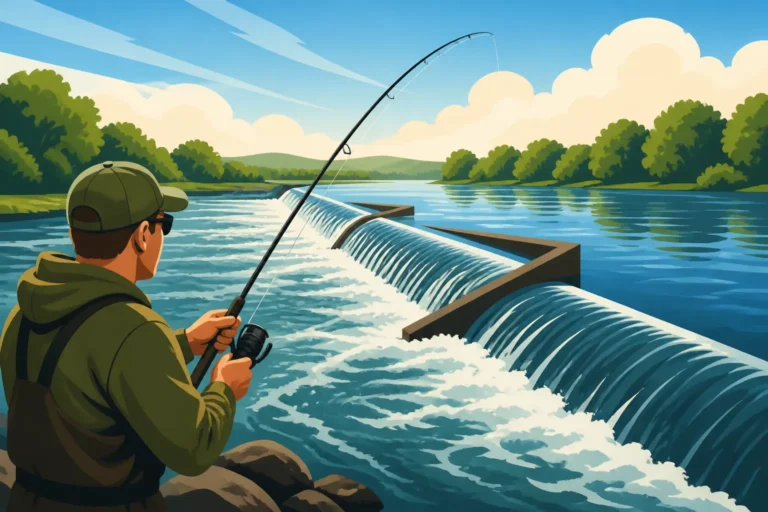
Saylorville Reservoir is a unique fishery, primarily a flood control lake on the Des Moines River. This means its character is constantly changing, which presents both challenges and opportunities for crappie anglers. Unlike natural lakes with stable shorelines and established weed beds, Saylorville's fluctuating water levels and primarily riverine environment mean that crappie habitat is often more subtle and harder to locate.
The Dynamic Nature of Saylorville's Waters
One of the biggest factors influencing crappie location on Saylorville is the water level. The reservoir can rise and fall significantly, sometimes several feet in a matter of days or weeks, especially during spring rains and fall drawdowns. This dynamic environment can make finding consistent crappie concentrations tricky. What was a productive brush pile one week might be high and dry the next, or submerged in significantly deeper water. Anglers need to be adaptable and ready to change their approach based on current conditions. The water clarity also plays a role; after heavy rains, the Des Moines River can bring in a lot of silt, making the water muddy and pushing crappie to clearer, calmer areas.
Another aspect is the relative lack of natural woody cover compared to some other Iowa lakes. While there are some standing timber areas, they can be spread out. Crappie are structure-oriented fish, always seeking cover for ambush points and protection. On Saylorville, this often means they rely on submerged creek channels, subtle depth changes, old roadbeds, and man-made structures like bridge pilings, riprap, and occasional fish attractors sunk by the Iowa Department of Natural Resources (DNR). Understanding these subtle nuances is key to cracking the Saylorville crappie code. If you're looking for general strategies, our guide on Iowa Fishing Techniques Guide can provide a solid foundation.
Reading the Lake: Key Indicators for Crappie
To successfully target crappie on Saylorville, you need to become a keen observer of the lake’s current conditions. Pay attention to water color, recent rainfall, and dam discharge rates. Areas near the Des Moines River inflow might be heavily stained, pushing crappie further into calmer bays or off the main channel. Conversely, after a period of stable weather, clearer water might bring crappie shallower, especially during their spawning season.
Another crucial indicator is the presence of baitfish. Crappie are opportunistic predators, and where there's forage, they're likely to be lurking. Keep an eye out for baitfish schools on your electronics or visual cues like surface activity. Often, crappie will suspend just below these baitfish schools. Additionally, knowing the history of the reservoir – where old creek beds, roadbeds, or farmsteads were before inundation – can provide invaluable clues. These submerged features, though often subtle, can act as natural highways and holding areas for crappie throughout the year.
Prime Crappie Real Estate: Navigating Saylorville's Hotspots
Saylorville Reservoir, while challenging, offers several distinct areas that consistently hold crappie. Knowing where to focus your efforts based on the lake's geography and available structure is vital. Whether you’re fishing from a boat or searching for shore access, these regions are your best bet.
The Tranquil Waters of the Upper Reservoir Arms
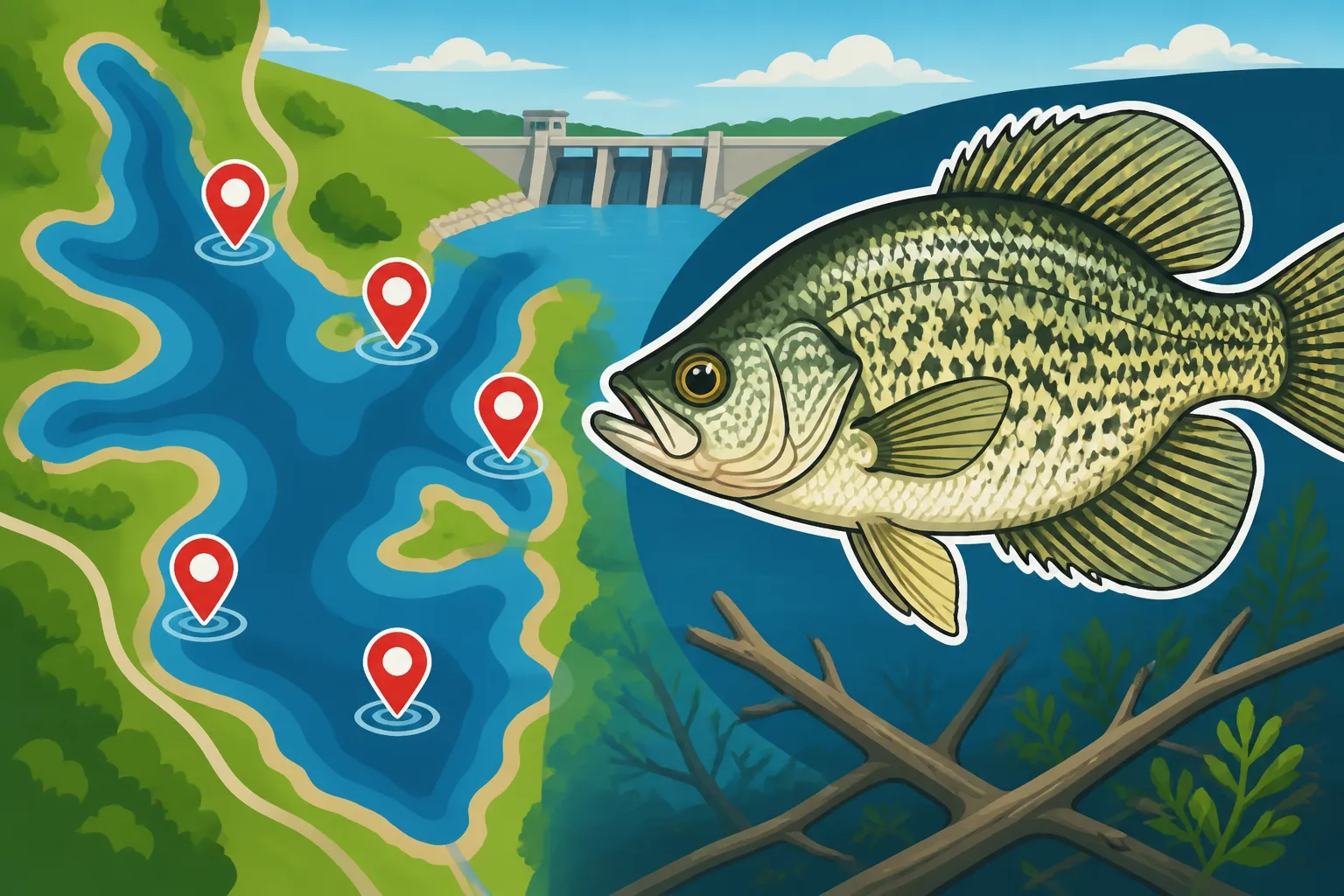
The upper reaches of Saylorville Reservoir, particularly where the Des Moines River first slows down and various smaller creeks feed in, often provide some of the best crappie fishing. These areas tend to be shallower and offer more protection from wind and strong current, especially during periods of high flow on the main river channel. Look for areas where feeder creeks enter the main body of water, as these often bring in warmer water and nutrients that attract baitfish, and subsequently, crappie.
Specifically, the numerous dead-end sloughs and timbered coves found in the upper arms can be crappie magnets. Submerged brush, standing timber (if present), and any form of current break are prime targets. These spots offer the crappie cover to ambush prey and protection from predators. Anglers often find success drifting through these timbered areas with small jigs or live minnows. When the water rises, newly flooded terrestrial vegetation also provides excellent temporary cover, drawing crappie into very shallow water. Services like FishingBooker often list guides who specialize in these nuanced, hard-to-find spots, providing an advantage if you're new to the reservoir.
Unlocking Crappie on the Main Channel and River Bends
Even though Saylorville is a reservoir, its riverine roots are evident in its main channel. This old river channel, now submerged, meanders through the lakebed and is a primary highway for fish. Crappie will often relate to the edges of this channel, especially where it features sharp drops, humps, or submerged timber. These depth changes provide thermal refuge in summer and stable conditions in winter.
Areas where the old Des Moines River channel makes a significant bend or where smaller creek channels intersect it are particularly promising. Look for submerged roadbeds or bridge remnants that cross this channel. These structures create current breaks and ambush points. Fishing on these deep-water edges requires good electronics to identify depth changes and suspended schools of crappie. Trolling with small crankbaits or vertically jigging small spoons can be effective here. If you're wondering about other species, our article on Saylorville Reservoir Catfish Spots might also offer some insights into main channel fishing.
Structures and Shelters in the Lower Reservoir
As you move towards the dam, the reservoir generally becomes deeper and wider, with fewer natural timbered areas. Here, crappie tend to concentrate around man-made structures. The riprap along the dam face and various causeways, bridge pilings, and the marina areas are crucial crappie holding spots. The rocky riprap provides excellent habitat for baitfish and invertebrates, which in turn attracts crappie.
The area around the marina, with its docks, boat slips, and deeper access, offers permanent structure that crappie utilize year-round. These locations can be especially productive during colder months or when crappie are seeking deeper, more stable water. Anglers frequently cast jigs or fish minnows around dock pilings and underneath moored boats. Remember to respect private property and always check local regulations regarding fishing in marina areas. For more details on what lures to use, you might find our guide on Best Lures for Panfish helpful, as crappie are a popular panfish species.
Timing Your Trip: Seasonal Strategies for Saylorville Crappie Success
Crappie behavior is heavily influenced by water temperature and seasonal changes. Knowing how to adapt your approach throughout the year is essential for consistent success on Saylorville.
Spring Spawning and Shallow Water Exploits
Spring is arguably the most anticipated time for crappie fishing on Saylorville, as rising water temperatures trigger their move to shallower waters for spawning. Typically, when water temperatures reach the high 50s to low 60s Fahrenheit (around 14-18°C), crappie will push into protected coves, creek arms, and shallow, timbered flats. These areas warm up faster and offer abundant cover for nesting.
During this pre-spawn and spawn period, focus your efforts in water depths ranging from 2 to 8 feet. Look for submerged brush, fallen trees, and any structure that offers cover. Small jigs (1/32 to 1/16 ounce) tipped with a soft plastic grub or a live minnow fished under a bobber are incredibly effective. Cast close to cover and retrieve slowly. This is a time when crappie are aggressive and easier to locate. For specific bait recommendations, our guide on Best Bait for Spring Crappie can give you an edge. Many anglers also find success by booking local guides through platforms like FishingBooker to navigate the spring spawn, as they often have up-to-the-minute reports on where the fish are biting.
Summer's Deep Dive: Adapting to Warm Water
Once the water warms significantly in summer, Saylorville crappie tend to move to deeper, cooler water. They'll often suspend over submerged creek channels, along sharp breaks, or around deeper man-made structures. The key during summer is often to find the "thermocline" – the layer where water temperature changes rapidly – or simply identify baitfish schools on your fish finder. Crappie will often be found just above, below, or within these baitfish concentrations.
During summer, consider vertical jigging or slow trolling with spider rigging techniques using multiple rods. Focus on depths of 10-25 feet, sometimes even deeper, depending on the specific location and the fish’s preference. Small spoons, hair jigs, and live minnows are excellent choices. Concentrate on areas with subtle bottom contours, such as humps or old river bends. Night fishing can also be productive in summer, as crappie move shallower under the cover of darkness to feed. Our comprehensive guide on Summer Deep-Water Patterns can offer more detailed strategies for this challenging season.
Fall Feeds and Winter's Icy Grip
As water temperatures begin to cool in the fall, crappie become highly active again, feeding heavily in preparation for winter. This "fall turnover" period can be fantastic for crappie fishing. They often move back shallower, particularly into creek channels and flats where baitfish are abundant. The patterns can be similar to spring, but crappie might be found a bit deeper, often from 8 to 15 feet. Look for them concentrated around brush piles and along the edges of the main river channel.
Winter brings colder temperatures and, often, ice to Saylorville. Ice fishing for crappie can be incredibly rewarding, but it requires patience and specific techniques. Crappie will congregate in deeper basins or along the main river channel, often suspending. Small tungsten jigs tipped with wax worms, spikes, or small plastics are standard ice fishing baits. You'll need an ice auger and a sensitive rod to detect their subtle bites. Always prioritize safety and check ice thickness before venturing out, as covered in our guide on Ice Fishing in Iowa. Many anglers also use portable shelters and electronics to locate schools efficiently.
Equipping for Success: Gear and Tactics for Saylorville Crappie
Having the right gear and understanding effective tactics can make all the difference when pursuing Saylorville's crappie. A well-prepared angler has a significant advantage.
Optimizing Your Setup: Rods, Reels, and Line
For crappie fishing on Saylorville, a light to medium-light action spinning rod is ideal. A rod in the 6 to 7-foot range provides enough backbone for casting small jigs while maintaining the sensitivity needed to detect subtle crappie bites. Pair this with a small spinning reel (1000 or 2000 series) spooled with 4 to 6-pound test monofilament or fluorocarbon line. Monofilament offers a bit of stretch, which can be forgiving with crappie’s papery mouths, while fluorocarbon provides less stretch and good sensitivity, especially in deeper water. Some anglers prefer braided line with a fluorocarbon leader for maximum sensitivity and strength, particularly when fishing around heavy cover.
Consider having a few different setups if you plan to vary your techniques. For example, a shorter, stiffer rod might be better for vertical jigging around heavy timber, while a longer, more flexible rod excels at casting tiny jigs for distance.
Deciphering the Menu: Best Baits and Lures for Saylorville
Crappie are not overly picky, but certain baits and lures consistently produce on Saylorville. Live minnows are a classic choice and often irresistible to crappie. Hook them lightly through the lips or back and suspend them under a bobber or fish them vertically. Wax worms and spikes are also excellent live bait options, especially for ice fishing.
When it comes to artificials, small jigs are king. Jigs ranging from 1/32 to 1/8 ounce, tipped with small soft plastic bodies like tube jigs, curly-tail grubs, or small paddle tails, are incredibly versatile. Experiment with colors; chartreuse, white, black/chartreuse, and various shad patterns are often effective. Small spinnerbaits (like Beetle Spins) and tiny crankbaits can also entice aggressive crappie, particularly when trolling. Don't forget small spoons for vertical jigging, especially in deeper water or through the ice.
Using Electronics to Your Advantage
In a reservoir like Saylorville, where structure can be subtle or widely dispersed, a good fish finder is an invaluable tool. Side imaging and down imaging technologies can help you quickly locate submerged creek channels, brush piles, and even schools of crappie themselves. Pay attention to suspended marks on your sonar screen – these often indicate crappie holding off the bottom.
GPS mapping features are also crucial. Mark productive spots, especially submerged structure or brush piles, so you can return to them later. Given Saylorville's fluctuating water levels, having waypoints for known crappie haunts, like a specific bend in the old river channel or a productive timber line in a cove, can save you hours of searching. Some advanced units, such as those from Humminbird or Lowrance, offer highly detailed mapping and sonar capabilities that can pinpoint crappie even in murky conditions. When exploring a new area, mapping your findings can also help you identify patterns and predict where crappie might be holding on future trips. If you're looking to upgrade your tech, our guide to Fish Finders and Electronics for Iowa Anglers has more information.
| Season | Typical Location | Preferred Depth | Recommended Baits/Lures | Key Techniques |
|---|---|---|---|---|
| Spring | Shallow coves, creek arms, timbered flats | 2-8 feet | Minnows, small jigs (tubes, grubs) | Bobber fishing, slow retrieve |
| Summer | Deeper channels, sharp breaks, suspended over structure | 10-25 feet+ | Minnows, small spoons, jigs | Vertical jigging, slow trolling |
| Fall | Creek channels, flats, main river channel edges | 8-15 feet | Minnows, small jigs (curly tails) | Casting, slow retrieve, vertical jigging |
| Winter | Deep basins, main channel, near structure | 15-30 feet | Tungsten jigs, spikes, wax worms | Ice jigging, very subtle presentations |
Disclaimer
Fishing regulations and conditions can change. Always consult the latest Iowa Department of Natural Resources (DNR) fishing regulations booklet or their official website before heading out on the water. This information is intended for general guidance only.